Side-by-Side IQ Profile: Labrador Retriever vs. Harrier
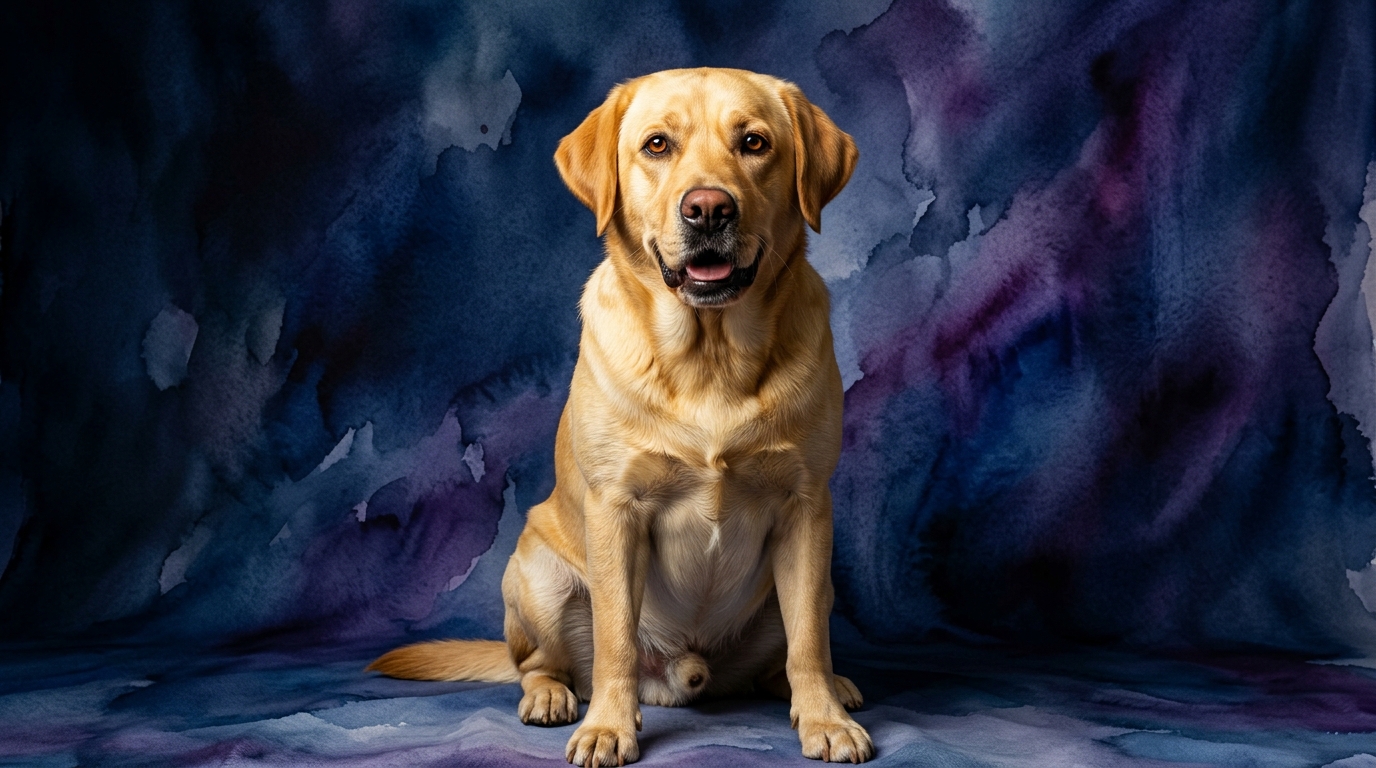
The Labrador Retriever, a prominent figure in the canine world, demonstrates a cognitive profile optimized for partnership and versatile work, earning them a commendable #7 ranking in Coren's intelligence scale. Their Problem Solving ability, rated at 4 out of 5, reflects a capacity for adaptable thinking, quickly navigating novel situations or figuring out how to retrieve a dropped item. Where Labradors truly shine is in Training Speed and Social Intelligence, both scoring a perfect 5 out of 5, indicating an exceptional eagerness to learn from human cues and an innate understanding of social dynamics within a family unit. This breed also possesses a robust Instinctive Drive at 4 out of 5, channeling their natural retrieving and working impulses, while their Memory, also 4 out of 5, ensures they retain learned commands and experiences effectively over time.
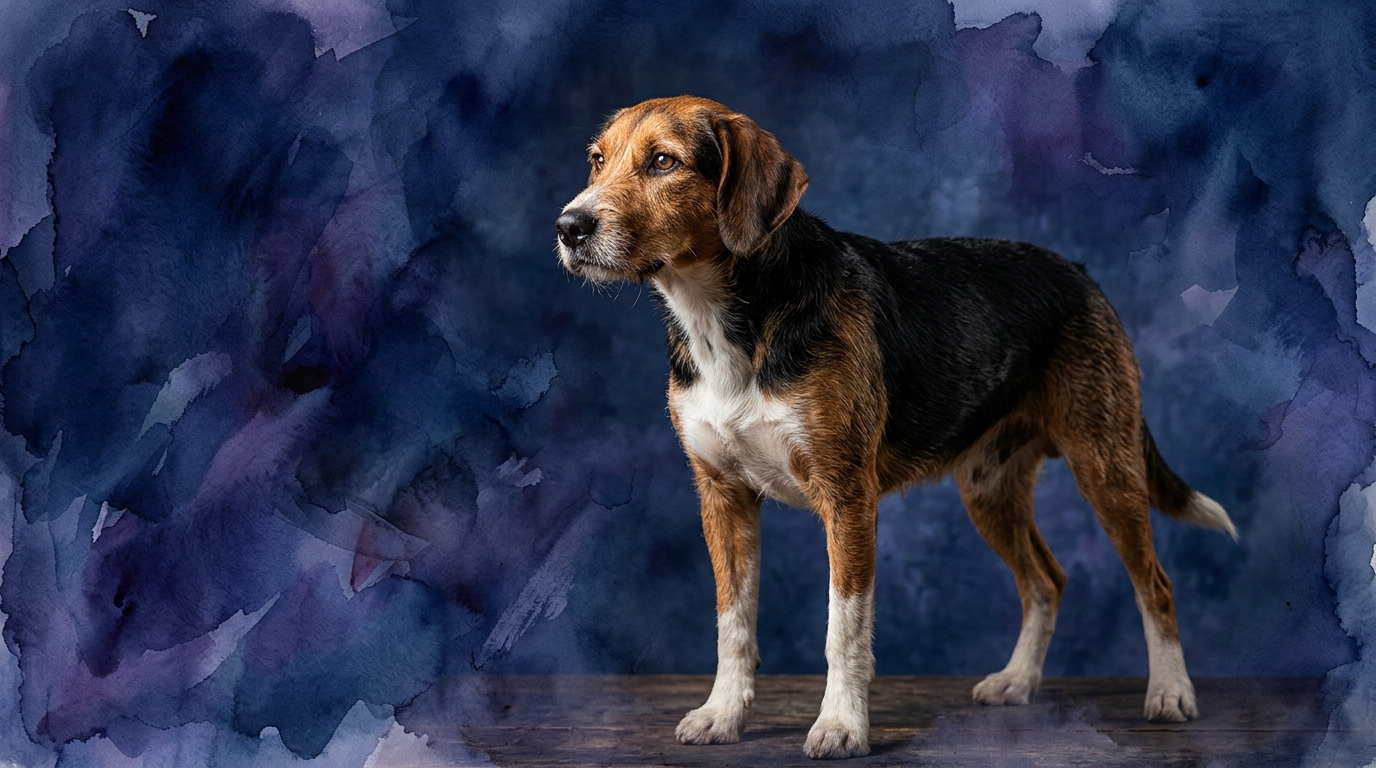
In contrast, the Harrier presents a distinct cognitive blueprint, tailored for enduring scent work rather than broad obedience, and is not featured on Coren's definitive ranking. Across the board, Harriers register a consistent 3 out of 5 in Problem Solving, Training Speed, Social Intelligence, Instinctive Drive, and Memory. This isn't a deficit but rather a reflection of a mind engineered for independent thought during the hunt; their problem-solving often pertains to tracking intricate scent trails rather than human-centric puzzles. Their training speed is moderate, requiring more patience and consistent motivation, while their social intelligence, though present, is less geared towards constant human interaction and more towards pack cooperation. The Harrier's instinctive drive is powerfully focused on scent, and their memory serves the purpose of recalling complex routes and scent patterns rather than a vast repertoire of commands.
Where the Labrador Retriever Excels Cognitively
The Labrador Retriever's cognitive strengths distinctly position them as a more versatile and readily adaptive canine companion in many domestic and working contexts. Their superior Training Speed, a perfect 5/5, means they grasp new commands and routines with remarkable alacrity, often requiring fewer repetitions than many other breeds. This rapid learning curve makes them exceptionally responsive to diverse training methodologies, from basic obedience to complex service tasks. Coupled with a 5/5 Social Intelligence, Labradors excel at interpreting human emotions and intentions, fostering deep communicative bonds. They are adept at reading body language and vocal tones, often anticipating their owner's next move, which is invaluable in cooperative activities. Furthermore, their 4/5 Problem Solving score allows them to navigate environmental challenges with thoughtful consideration, such as figuring out how to open a gate or retrieve an object from a tricky spot, demonstrating an ability to apply learned principles to new scenarios more spontaneously than their Harrier counterparts.
Where the Harrier's Cognition Shines
While the Harrier's overall scores might appear modest compared to the Labrador, their cognitive architecture represents a specialized mastery, particularly within their ancestral purpose. Their 3/5 Problem Solving, though numerically lower, is profoundly effective when applied to complex scent work; a Harrier’s mind is an intricate map-maker, capable of dissecting and following ancient, faint scent trails across varied terrains for hours, a task requiring immense focus and sustained cognitive effort. This isn't about solving a puzzle box, but rather an enduring, dynamic problem-solving process that demands independent decision-making in the absence of direct human guidance. Their Instinctive Drive, also 3/5, is singularly powerful and channeled into an unwavering pursuit of scent, demonstrating a relentless determination that few breeds can match. This specialized drive means they excel in activities like scent detection or tracking, where their focused memory (3/5) allows them to recall intricate scent patterns and routes with precision, even if it doesn't translate to remembering a dozen obedience commands as quickly.
Trainability: Which Breed Learns More Readily?
Based on The Cosmic Pet Pet IQ Lab’s metrics, the Labrador Retriever is undeniably the easier breed to train for general obedience and cooperative tasks. Their 5/5 Training Speed signifies an inherent eagerness to please and a quick understanding of human directives, translating into fewer repetitions and faster mastery of commands. Labradors are highly motivated by praise and food, and their exceptional Social Intelligence (5/5) means they actively seek to understand and comply with their human companions, making them highly receptive students. Real behavioral differences underscore this; a Labrador typically maintains eye contact, responds promptly to verbal cues, and integrates seamlessly into structured routines. In contrast, the Harrier, with a 3/5 Training Speed and Social Intelligence, presents a more significant training challenge. Harriers possess an independent streak, a trait honed by generations of hunting without constant human oversight. Their primary motivation is often scent, and once they lock onto a trail, their selective hearing can become legendary. While trainable, their compliance requires more consistent, patient, and often creative motivation, as their social drive is less about pleasing a single human and more about cooperating within a pack or pursuing a compelling scent.
Matching Breeds to Owner Lifestyles
The choice between a Labrador Retriever and a Harrier hinges significantly on an owner's lifestyle and their capacity for providing appropriate mental and physical engagement. Labrador Retrievers, with their 4/5 Instinctive Drive and high social intelligence, are excellent for active owners who desire a companion for various activities, from hiking and swimming to dog sports and community events. They thrive on having a 'job' to do, whether it's retrieving toys, participating in agility, or simply being an engaged family member. While they appreciate downtime, their cognitive needs demand consistent interaction and mental stimulation to prevent boredom. For more relaxed owners who still enjoy daily walks and family time but aren't seeking intense, specialized activities, a well-exercised Labrador can adapt, though their inherent drive still requires outlets. Harriers, on the other hand, with their powerful, specialized 3/5 Instinctive Drive for scent work, are best suited for highly active and dedicated owners who understand and can channel this innate energy. They are not content with casual strolls; Harriers need extensive, vigorous exercise that ideally incorporates off-leash exploration and opportunities to engage their olfactory senses. Their independent nature means they can be less demanding of constant human social interaction than a Labrador, but their physical and mental energy for scent-tracking is immense. A relaxed owner who cannot provide these outlets will likely find a Harrier to be a restless, potentially destructive presence, as their profound drive will seek its own, often inconvenient, expression.
The Verdict
Choose a Labrador Retriever if you seek a highly trainable, socially astute, and versatile companion eager to integrate into a family and participate in diverse activities, offering quick learning and strong cooperation. They are ideal for owners who value a responsive partner for both work and play, adapting well to structured routines and human-centric engagement.
Opt for a Harrier if you are an experienced, highly active owner passionate about channeling a dog's profound, independent scent drive, comfortable with a more challenging training journey, and capable of providing extensive, engaging outdoor adventures. They are best for those who appreciate a dog’s specialized instincts and a tenacious, independent spirit.
🧠 Find Your Pet's IQ Score
Our Pet IQ Lab assessment covers 25+ tests across 5 cognitive dimensions — personalized to your breed.
Take the Full IQ Test →Frequently Asked Questions
Do Harriers require more exercise than Labradors?
Generally, yes, Harriers require a higher intensity and duration of exercise, specifically activities that engage their powerful scent drive. While Labradors are active, a Harrier's endurance and need for olfactory stimulation mean they thrive on extensive off-leash exploration and scent work, often for several hours daily.
Are Labradors better family dogs due to their social intelligence?
Labradors often integrate more seamlessly into family life due to their exceptional social intelligence and strong desire to interact with humans. They are typically more overtly affectionate and eager to participate in family activities, whereas Harriers, though loyal, tend to be more independent and less focused on constant human attention, thriving more in a 'pack' environment with other dogs or very understanding humans.
Can a Harrier be trained for service work like a Labrador?
While any dog can learn, a Harrier would present significant challenges for traditional service work compared to a Labrador. Their lower training speed, independent problem-solving, and powerful, often distracting, scent drive make them less suited for the precise, human-focused tasks required of service animals, where a Labrador’s social intelligence and trainability excel.