Side-by-Side Cognitive Profiles: Labrador Retriever vs. Havanese
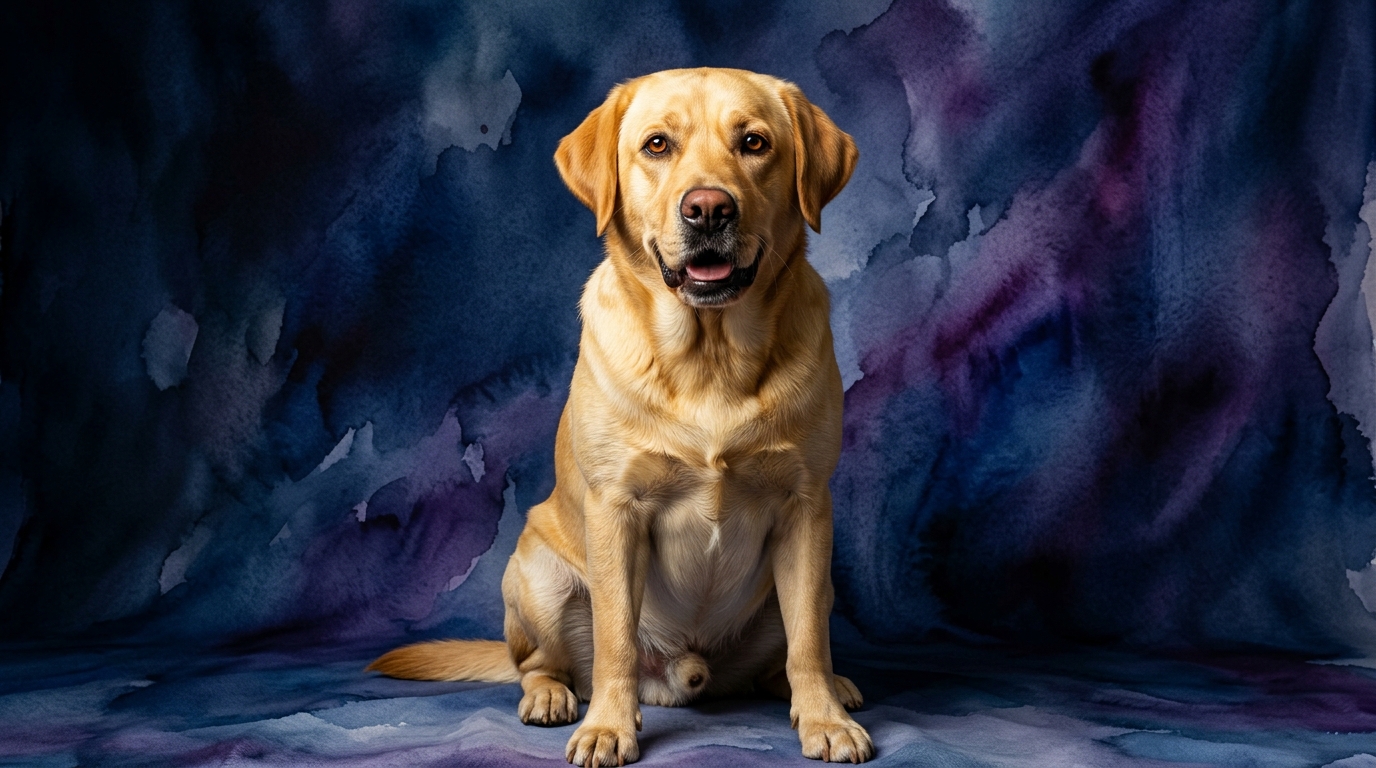
The Cosmic Pet Pet IQ Lab evaluates canine cognition across five key dimensions, offering a nuanced view of each breed’s mental architecture. For the Labrador Retriever, a Sporting breed ranked #7 by Coren, its profile highlights a strong aptitude for practical and cooperative tasks. They score 4/5 in Problem Solving, adeptly navigating complex scenarios and figuring out how to achieve goals. Their Training Speed is an exceptional 5/5, reflecting a remarkable eagerness to please and rapid grasp of commands. Social Intelligence also stands at 5/5, showcasing their profound ability to read human emotions and form cooperative bonds. An Instinctive Drive of 4/5 fuels their natural inclination for retrieving and working, while their Memory is a solid 4/5, ensuring good retention of learned behaviors and routines.
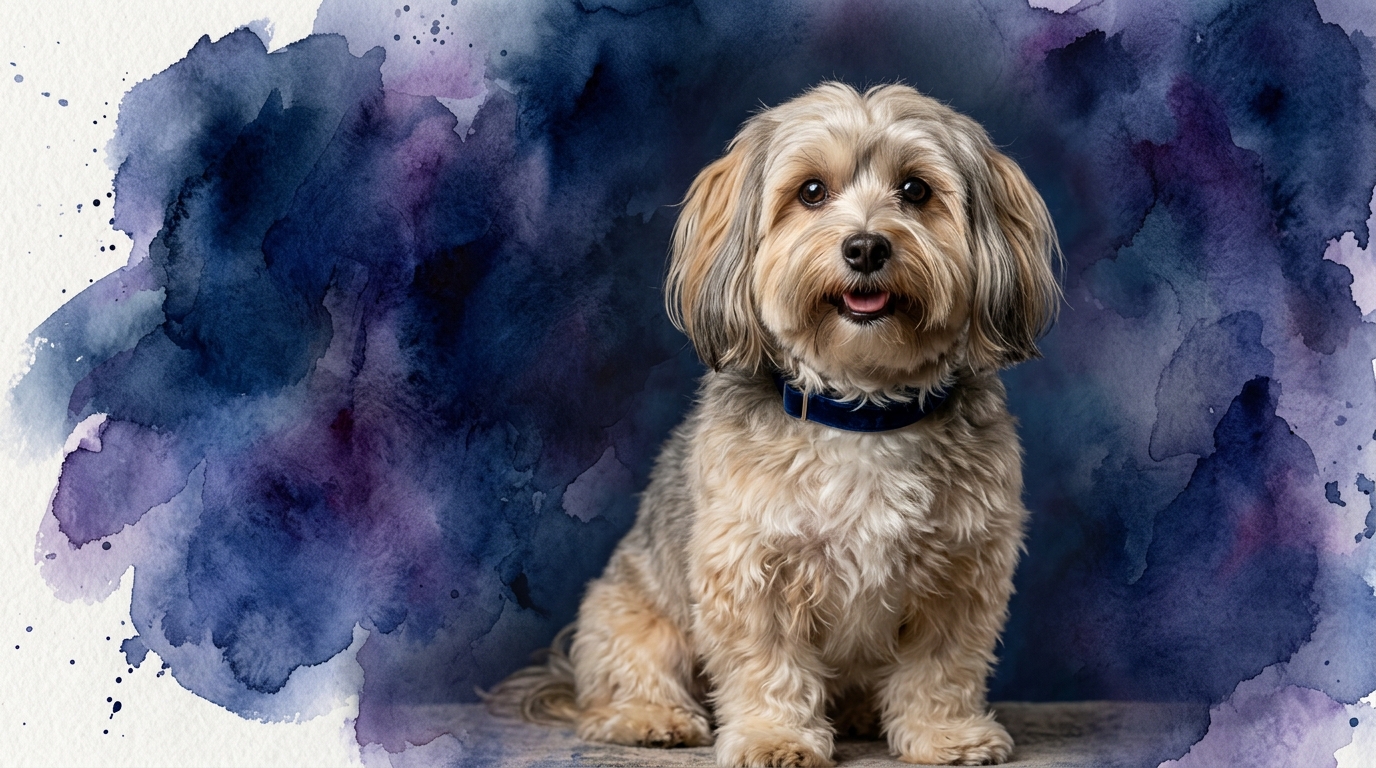
The Havanese, a delightful Toy breed not Coren-ranked, presents a different yet equally compelling cognitive signature. Their Problem Solving is rated 3/5, indicating competence in straightforward puzzles but perhaps needing more guidance for intricate challenges. Training Speed is moderate at 3/5, suggesting they learn at a steady pace with consistent positive reinforcement. Critically, their Social Intelligence mirrors the Labrador's at 5/5, demonstrating an acute sensitivity to human companionship and excellent communication skills. Their Instinctive Drive is 2/5, meaning they are less motivated by strong predatory or retrieving instincts. Finally, their Memory scores 3/5, retaining commands and routines effectively with regular reinforcement.
Where the Labrador Retriever Excels Cognitively
The Labrador Retriever’s cognitive profile clearly highlights its strengths in practical application and task mastery. With a problem-solving score of 4/5, they exhibit a pronounced ability to analyze and overcome environmental obstacles. This isn't just about fetching a ball; it extends to understanding how to open a gate, navigate a complex agility course, or locate a specific scent in a challenging environment.
Their superior training speed (5/5) and robust memory (4/5) synergize to create a dog exceptionally adept at acquiring and retaining a vast repertoire of skills. This cognitive advantage makes them prime candidates for demanding roles such as guide dogs, search and rescue animals, or service companions, where precise execution of learned behaviors under varied conditions is paramount. Their instinctive drive (4/5) further enhances this, providing an inherent motivation to engage in goal-oriented activities, transforming work into a natural extension of their being.
Where the Havanese Shines Cognitively
While the Labrador excels in task-oriented cognition, the Havanese shines with its equally impressive social intelligence (5/5). This isn't a competition of 'smarter,' but a distinction in cognitive priorities. The Havanese's profound ability to read human emotions, anticipate needs, and provide comfort makes them exceptional emotional support animals and deeply attuned companions.
Their cognitive strengths lie in the nuanced art of interpersonal connection. A Havanese might not retrieve a complex series of items, but they excel at understanding when their owner needs cheering up, subtly inviting interaction, or adapting their demeanor to suit the household's mood. This social acumen, combined with a moderate problem-solving capacity (3/5) focused on their immediate environment, allows them to navigate social dynamics with remarkable finesse, fostering strong, reciprocal bonds.
Training Dynamics: Labrador Retriever vs. Havanese
When evaluating ease of training, the Labrador Retriever generally presents a more straightforward experience for most owners. Their exceptional training speed (5/5) means they grasp new commands quickly, often with just a few repetitions. This rapid learning curve is bolstered by their eagerness to please and a strong instinctive drive (4/5) to work cooperatively with humans, which translates into sustained focus during sessions and a high motivation for rewards.
Conversely, the Havanese, with a training speed of 3/5, requires a more patient and consistently positive approach. While certainly trainable, they may take longer to solidify new behaviors and can be more sensitive to perceived harshness or inconsistency. Their motivation often stems from social connection rather than a strong drive for task completion, meaning training must be framed as a fun, bonding activity to maintain their engagement and prevent them from becoming bored or resistant.
Matching Breeds to Lifestyles: Active vs. Relaxed Owners
For active owners seeking a highly engaged partner, the Labrador Retriever is an ideal match. Their high instinctive drive (4/5), coupled with excellent problem-solving abilities (4/5) and memory (4/5), means they thrive on consistent physical activity and mental challenges. These dogs excel in activities like hiking, swimming, retrieving games, agility, and even scent work, requiring an owner who can dedicate significant time to channeling their energy and cognitive potential into structured outlets.
The Havanese, by contrast, is better suited for owners who prioritize close companionship and a more relaxed lifestyle. While they enjoy play and short walks, their instinctive drive (2/5) is less intense, and their exercise needs are more moderate. Their cognitive strengths lie in social interaction (5/5), making them content with indoor activities, cuddle sessions, and being a constant, empathetic presence. They fit seamlessly into homes where their primary role is that of a devoted, socially attuned family member, rather than a working dog.
The Verdict
Choose a Labrador Retriever if you seek a highly trainable, driven partner for outdoor adventures, complex tasks, or family life that includes consistent mental and physical engagement.
Opt for a Havanese if you desire a devoted, socially adept companion who thrives on close interaction and can adapt well to more relaxed, indoor-centric lifestyles.
🧠 Find Your Pet's IQ Score
Our Pet IQ Lab assessment covers 25+ tests across 5 cognitive dimensions — personalized to your breed.
Take the Full IQ Test →Frequently Asked Questions
Is the Labrador Retriever truly more adaptable to new situations than the Havanese?
Labradors often adapt quickly due to their problem-solving skills and desire to please, making them versatile for various roles and environments. Havanese adapt well to new social settings and routines, relying on their strong bond with their owners and their high social intelligence.
How does the Havanese's social intelligence manifest in daily life?
Their high social intelligence means Havanese are excellent at reading human moods, offering comfort, and subtly communicating their desires through body language, making them very empathetic companions. They are attuned to their family's emotional landscape, often adjusting their behavior to suit the atmosphere.
What specific training challenges might a Havanese present compared to a Labrador?
Havanese may require more patience and positive reinforcement, as their training speed is moderate. They can be sensitive, so harsh methods are counterproductive, whereas Labradors generally respond quickly and robustly to clear direction due to their higher training speed and instinctive drive.