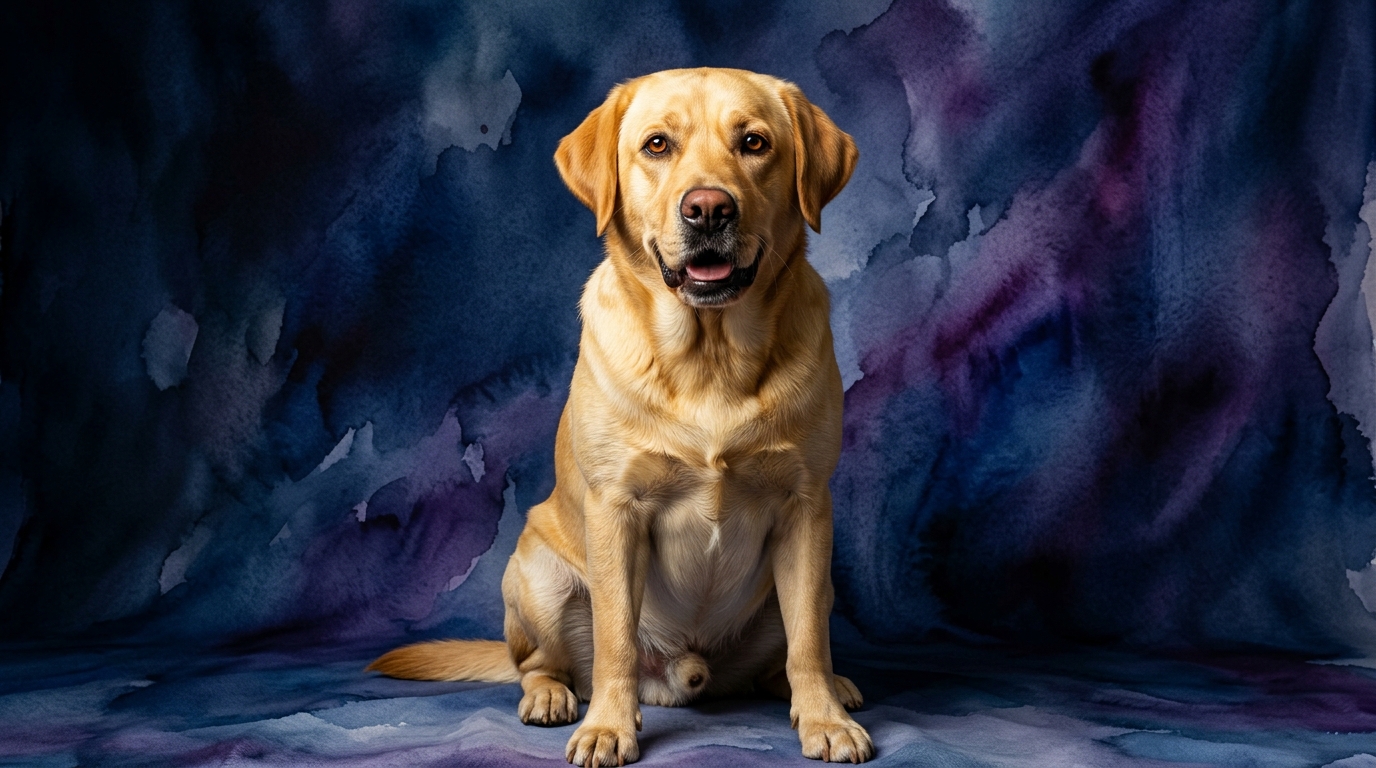
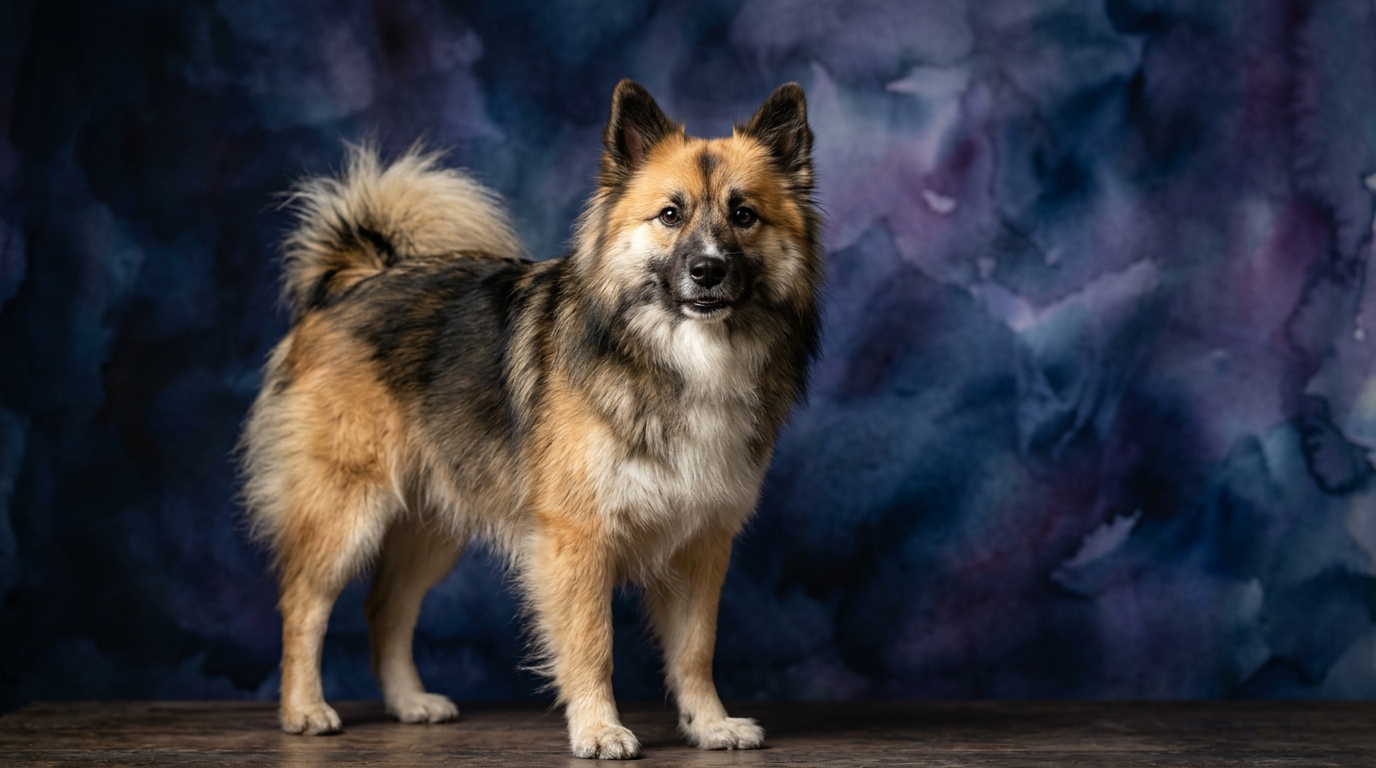
Side-by-Side IQ Profile: Labrador Retriever vs. Icelandic Sheepdog
The Labrador Retriever, a quintessential Sporting breed, demonstrates a robust cognitive architecture, scoring impressively across our IQ dimensions. Their Problem Solving capability is rated at 4/5, indicating a strong capacity for navigating complex situations and learning new tasks efficiently. A standout 5/5 in Training Speed highlights their exceptional eagerness to learn and respond to cues, making them highly receptive students. Social Intelligence also scores a perfect 5/5, reflecting their profound ability to understand human communication and form strong bonds. Their Instinctive Drive, particularly for retrieving, sits at a high 4/5, while their Memory is equally strong at 4/5, enabling them to retain commands and experiences effectively.
In contrast, the Icelandic Sheepdog, a resilient Herding breed, presents a different cognitive blueprint. Their Problem Solving ability is rated 3/5, suggesting they are capable of finding solutions but may not always seek novel approaches with the same frequency as a Lab. Training Speed is 3/5, indicating they are trainable but might require more patience and repetition than their Sporting counterpart. Social Intelligence is also 3/5, pointing to a more independent nature, though they are certainly affectionate with their families. Their Instinctive Drive, rooted in herding, is 3/5, manifesting as a watchful and often vocal demeanor. Finally, their Memory is 3/5, allowing them to learn and remember but perhaps with less precision or speed than a Labrador.
Where the Labrador Retriever Wins Cognitively
The Labrador Retriever's cognitive strengths shine particularly in areas demanding rapid learning, social engagement, and focused task execution. With a 5/5 in Training Speed, they are remarkably quick to grasp new commands and routines, making them exceptionally adaptable to various roles, from service work to competitive obedience. Their superior Social Intelligence (5/5) means they are highly attuned to human emotions and intentions, fostering deep, intuitive connections with their families. This makes them outstanding companions who excel in cooperative tasks and thrive on interaction. Furthermore, their strong Problem Solving (4/5) combined with their powerful Instinctive Drive (4/5) for retrieving means they are not only adept at figuring out how to achieve a goal but are also highly motivated to see it through, whether it's finding a hidden toy or performing a complex sequence of actions.
Where the Icelandic Sheepdog Wins Cognitively
While the Icelandic Sheepdog's numerical scores are generally lower, their cognitive profile offers unique advantages, particularly for owners who appreciate a more independent and self-reliant canine companion. Their 3/5 in Social Intelligence, compared to the Labrador's 5/5, translates to a dog that is deeply loyal to its family but less prone to being overly dependent or demanding of constant attention. This can be a 'win' for busy households or those seeking a dog with a strong sense of self. Their Instinctive Drive (3/5), while lower than a Lab's, is perfectly tailored for their herding heritage, making them excellent watchdogs with a keen awareness of their surroundings. This drive manifests as vigilance and the ability to work independently, a crucial trait for a herding dog. Their moderate Problem Solving (3/5) ensures they are capable of navigating their world without being overly prone to mischievous or complex schemes, often preferring established routines, which can be a 'win' for owners who prefer predictability in their canine's behavior.
Which Is Easier to Train and Why
When it comes to ease of training, the Labrador Retriever generally holds a significant advantage. Their 5/5 Training Speed means they absorb new information with remarkable alacrity, often requiring fewer repetitions to master a command. This is further amplified by their 5/5 Social Intelligence, which makes them highly motivated by human praise and eager to please. A Labrador's strong desire to work collaboratively with their owner drives their responsiveness, often leading to rapid progress in obedience and trick training. Behavioral differences often include a Labrador's sustained focus during training sessions and their consistent eagerness to engage, making the process smoother and more rewarding for both dog and handler.
The Icelandic Sheepdog, with a 3/5 Training Speed and 3/5 Social Intelligence, presents a different training dynamic. While trainable, they may require more patience, consistency, and creative motivation. Their more independent nature, stemming from their herding background where they often had to make decisions autonomously, means they might be less inherently driven to constantly seek human approval. This can manifest as a tendency to 'think for themselves' rather than immediately complying, especially if they don't perceive a clear benefit. Owners might find Icelandic Sheepdogs respond better to positive reinforcement methods that appeal to their curiosity and natural instincts, rather than expecting the same level of eager obedience seen in a Labrador. They might also be more easily distracted if training is not engaging or varied.
Which Suits Active Owners vs. Relaxed Owners
For active owners seeking a highly engaged and cooperative canine partner, the Labrador Retriever is often an ideal match. Their robust instinctive drive, coupled with their high training speed and social intelligence, means they thrive on consistent physical exercise and mental stimulation. Labs excel in activities like retrieving games, long hikes, swimming, agility, and even dog sports, willingly participating alongside their human companions. Their need for regular engagement means they are not content to be couch potatoes for extended periods; an under-stimulated Labrador can become bored and potentially destructive. They are best suited for individuals or families who can dedicate significant time daily to walks, play, and training sessions.
The Icelandic Sheepdog, while certainly active and needing regular exercise, offers a different energy profile that might appeal to a different kind of 'active' owner, or even those who are active in bursts rather than constantly. Their moderate instinctive drive and problem-solving scores suggest they appreciate activity but may not demand the same intensity or structured work as a Labrador. They enjoy exploring, hiking, and participating in family activities, but their energy can be managed with a good daily walk, some playtime, and mental challenges. Their independence also means they can be content observing their surroundings from a comfortable spot after their exercise needs are met. For owners who enjoy outdoor adventures but also appreciate a dog that can settle down calmly indoors, the Icelandic Sheepdog’s balanced energy and self-reliance could be a better fit than the perpetually 'on' nature of many Labradors. They are well-suited for owners who appreciate a dog with a watchful nature and who engage them in varied, interesting activities without the pressure of constant high-performance demands.
The Verdict
Choose the Labrador Retriever if you seek a highly cooperative, eager-to-please companion for active, integrated family life and structured training endeavors.
Opt for the Icelandic Sheepdog if you value an independent, watchful companion with moderate exercise needs, suited for varied outdoor activities and a more self-reliant presence.
🧠 Find Your Pet's IQ Score
Our Pet IQ Lab assessment covers 25+ tests across 5 cognitive dimensions — personalized to your breed.
Take the Full IQ Test →Frequently Asked Questions
Are Icelandic Sheepdogs good family dogs despite lower social intelligence scores?
Yes, absolutely. Their 3/5 social intelligence score indicates a more independent nature, not a lack of affection. They are devoted and loyal to their families, enjoying their company but perhaps not constantly seeking attention like a Labrador. They bond deeply and are typically good with children and other pets when properly socialized.
Do Labrador Retrievers require a lot of mental stimulation?
Yes, with their high problem-solving, training speed, and instinctive drive, Labrador Retrievers thrive on mental engagement. Beyond physical exercise, they need puzzles, training sessions, and opportunities to 'work' their minds to prevent boredom and ensure a well-adjusted temperament. This intellectual stimulation is as crucial as their physical activity.
Can an Icelandic Sheepdog participate in dog sports like agility?
Certainly! While their training speed is 3/5, Icelandic Sheepdogs are agile, athletic, and enjoy activities that engage their bodies and minds. They can excel in dog sports like agility, herding trials, and obedience, especially with patient, positive reinforcement training that leverages their natural curiosity and drive rather than expecting instant compliance.