
Side-by-Side Cognitive Profiles: Decoding Canine Minds
The Cosmic Pet Pet IQ Lab provides a five-dimensional framework to assess canine intelligence, offering a nuanced view beyond simple obedience. For the Labrador Retriever, ranked #7 in Coren's broader assessment of canine working and obedience intelligence, its profile paints a picture of a highly adaptable and socially attuned animal. Its Problem Solving is rated 4/5, indicating an ability to navigate complex situations and figure out solutions efficiently. Training Speed is an exceptional 5/5, meaning Labs grasp new commands and routines with remarkable swiftness. Social Intelligence also scores a perfect 5/5, reflecting their profound understanding of human cues and social dynamics. Their Instinctive Drive is 4/5, channeling their natural retrieving and working tendencies productively, and Memory is 4/5, allowing them to retain learned behaviors and experiences effectively.
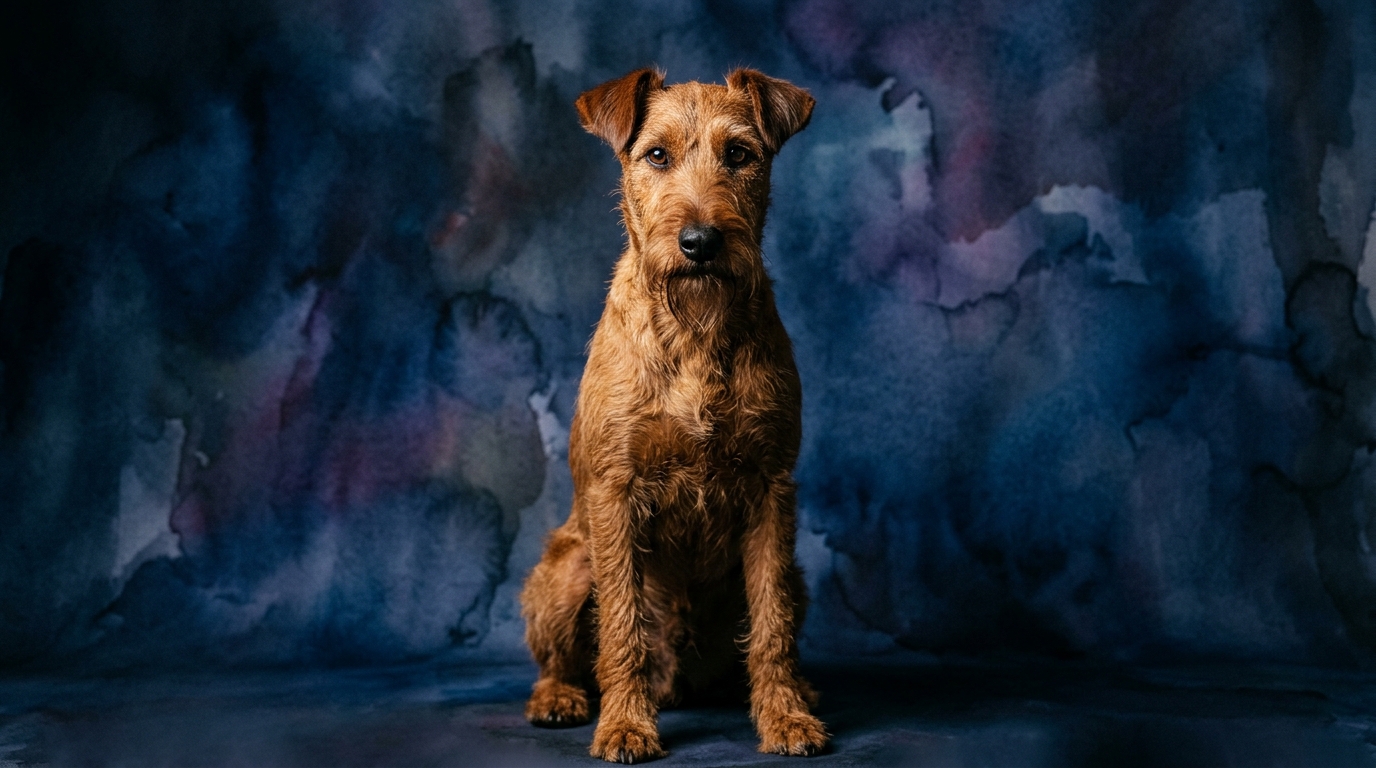
In contrast, the Irish Terrier, a breed not appearing on Coren's list, presents a different cognitive signature, reflecting its independent terrier heritage. Its Problem Solving is 3/5, suggesting a capacity for independent thought and finding solutions, though perhaps with less direct human guidance than a Lab. Training Speed is 3/5, meaning they learn at a moderate pace, often requiring more patience and repetition. Social Intelligence is 3/5, indicating they comprehend social cues, but might prioritize their own agenda over constant people-pleasing. Instinctive Drive is also 3/5, robustly expressing their terrier traits like hunting and guarding, but perhaps less generalized than a Sporting breed. Finally, their Memory is 3/5, allowing them to recall information, but potentially with less long-term retention of complex sequences than a breed like the Labrador.
Where the Labrador Retriever Excels Cognitively
The Labrador Retriever's cognitive strengths are particularly evident in its exceptional capacity for learning and social engagement. With a 5/5 in Training Speed, a Lab can pick up new commands and multi-step tasks with impressive rapidity, often needing only a few repetitions to solidify a behavior. This makes them highly responsive to instruction and adaptable to various roles, from service work to competitive obedience. Their 5/5 Social Intelligence means they are acutely perceptive of human emotions and intentions, often anticipating their owner's next move or mood. This deep social awareness fosters a strong bond and makes them naturally inclined to cooperative tasks, such as retrieving specific items or guiding individuals.
Furthermore, the Labrador’s 4/5 Problem Solving and 4/5 Memory contribute to their effectiveness in practical applications. They can remember complex sequences of actions, like navigating an agility course or following a scent trail over long distances. Their problem-solving often manifests as finding efficient ways to achieve a goal, such as figuring out how to open a gate or retrieve a toy from an awkward spot. This combination of swift learning, social perceptiveness, and reliable memory makes them highly capable companions for diverse activities requiring sustained focus and understanding of human direction.
Cognitive Strengths of the Irish Terrier
While the Irish Terrier's cognitive scores are generally lower than the Labrador's, their distinct profile highlights a different set of mental advantages, particularly in areas demanding tenacity and independent thought. Their 3/5 Problem Solving, though moderate, is often applied with a characteristic terrier grit and determination. An Irish Terrier might not solve a puzzle as quickly as a Lab, but they are less likely to give up, employing persistent trial-and-error until they achieve their objective. This makes them effective at overcoming obstacles and pursuing goals with singular focus, especially when their instinctive drives are engaged.
The Irish Terrier's 3/5 Instinctive Drive, while not as high as the Lab's, is intensely focused on tasks like hunting small prey, making them highly effective in roles requiring vigilance and decisive action. Their moderate 3/5 Social Intelligence means they are aware of their environment and human cues, but are not necessarily driven by a constant need to please. This fosters a self-reliant demeanor, allowing them to make independent decisions without constantly seeking approval. This independent streak, combined with their moderate memory and problem-solving, equips them to handle situations where quick, self-directed action is more valuable than waiting for instructions, such as alerting to intruders or navigating unfamiliar territory.
Training Dynamics: Labrador Retriever vs. Irish Terrier
When it comes to training, the differences between these two breeds become particularly apparent, largely due to their disparate scores in Training Speed and Social Intelligence. The Labrador Retriever, with its 5/5 in both categories, is often considered a dream to train. They possess an innate eagerness to please and a profound understanding of human communication, making them highly receptive to positive reinforcement. Labs quickly associate commands with actions and rewards, and their strong memory ensures that learned behaviors are retained. Their high social intelligence means they are constantly attuned to their trainer's body language and vocal tone, facilitating a smooth and cooperative training experience. They thrive on structured lessons and enjoy the mental engagement of learning new tasks.
The Irish Terrier, on the other hand, with 3/5 in Training Speed and Social Intelligence, requires a more nuanced approach. Their independent nature means they are less inherently motivated by pleasing their owner and more driven by their own interests. Training an Irish Terrier demands patience, consistency, and a deep understanding of their terrier temperament. They might require more repetitions to grasp new concepts, and their problem-solving might lead them to find creative, sometimes mischievous, ways around commands rather than directly complying. Effective training often involves making it a game, tapping into their strong prey drive, and providing clear, firm, but fair guidance. While capable of learning, their training journey will likely be characterized by more independent thought and less immediate obedience compared to a Labrador.
Matching Breeds to Lifestyles: Active vs. Relaxed Owners
The choice between a Labrador Retriever and an Irish Terrier also hinges significantly on an owner's lifestyle and expectations for a canine companion. For active owners who seek a highly biddable, versatile partner for a wide range of activities, the Labrador Retriever is an excellent match. Their high instinctive drive (4/5) for retrieving and working, combined with their exceptional trainability and social intelligence, makes them ideal for families who enjoy hiking, swimming, competitive dog sports like agility or obedience, or even service work. Labs thrive on having a 'job' and being an integral part of family life, excelling in environments where they receive consistent interaction, structured exercise, and mental stimulation. They are generally more tolerant and adaptable to varied social situations, making them suitable for owners who frequently take their dogs to public places or have a busy household.
Conversely, the Irish Terrier is better suited for active owners who appreciate a spirited, independent, and sometimes feisty companion, and who are prepared to engage with a more singular personality. Their moderate instinctive drive (3/5) is keenly focused and often expressed through bursts of energy and a desire to explore and hunt. They excel in activities that tap into their terrier instincts, such as earthdog trials or long, adventurous walks where they can investigate scents. Owners who enjoy challenging, engaging training sessions and appreciate a dog with a strong sense of self will find a rewarding bond with an Irish Terrier. They typically thrive in homes where they receive plenty of physical exercise and mental engagement, but also where their independent nature is respected, and they are given clear boundaries. They might be less suited for owners seeking a consistently compliant, 'people-pleasing' companion or those with a very relaxed, low-activity lifestyle.
The Verdict
Choose the Labrador Retriever if you desire a highly trainable, socially attuned, and versatile companion eager to engage in diverse activities and integrate seamlessly into family life. Their cognitive strengths make them exceptionally adaptable to various roles and environments.
Opt for the Irish Terrier if you appreciate a tenacious, independent, and spirited companion who brings a unique blend of grit and charm, and you are prepared for a more engaging and patient training journey. They thrive with active owners who value a dog with strong character and self-reliance.
🧠 Find Your Pet's IQ Score
Our Pet IQ Lab assessment covers 25+ tests across 5 cognitive dimensions — personalized to your breed.
Take the Full IQ Test →Frequently Asked Questions
Are Labrador Retrievers good for first-time dog owners?
Yes, Labrador Retrievers are often recommended for first-time dog owners due to their high trainability (5/5 Training Speed) and social intelligence (5/5). They are generally eager to please and form strong bonds, making the learning curve of dog ownership more manageable, provided their exercise and mental stimulation needs are met.
Do Irish Terriers require a lot of exercise?
Irish Terriers are an active breed with a moderate instinctive drive (3/5) and require substantial daily exercise to stay content and well-behaved. This includes vigorous walks, playtime, and opportunities to run and explore, which helps channel their natural terrier energy and problem-solving tendencies.
Which breed is better with children?
Both breeds can be good with children, but the Labrador Retriever's high social intelligence (5/5) and generally more tolerant nature often make it a slightly more natural fit for active family dynamics. Irish Terriers can be excellent family dogs, but their independent streak means children need to be taught to respect their boundaries, and supervision is always important.