
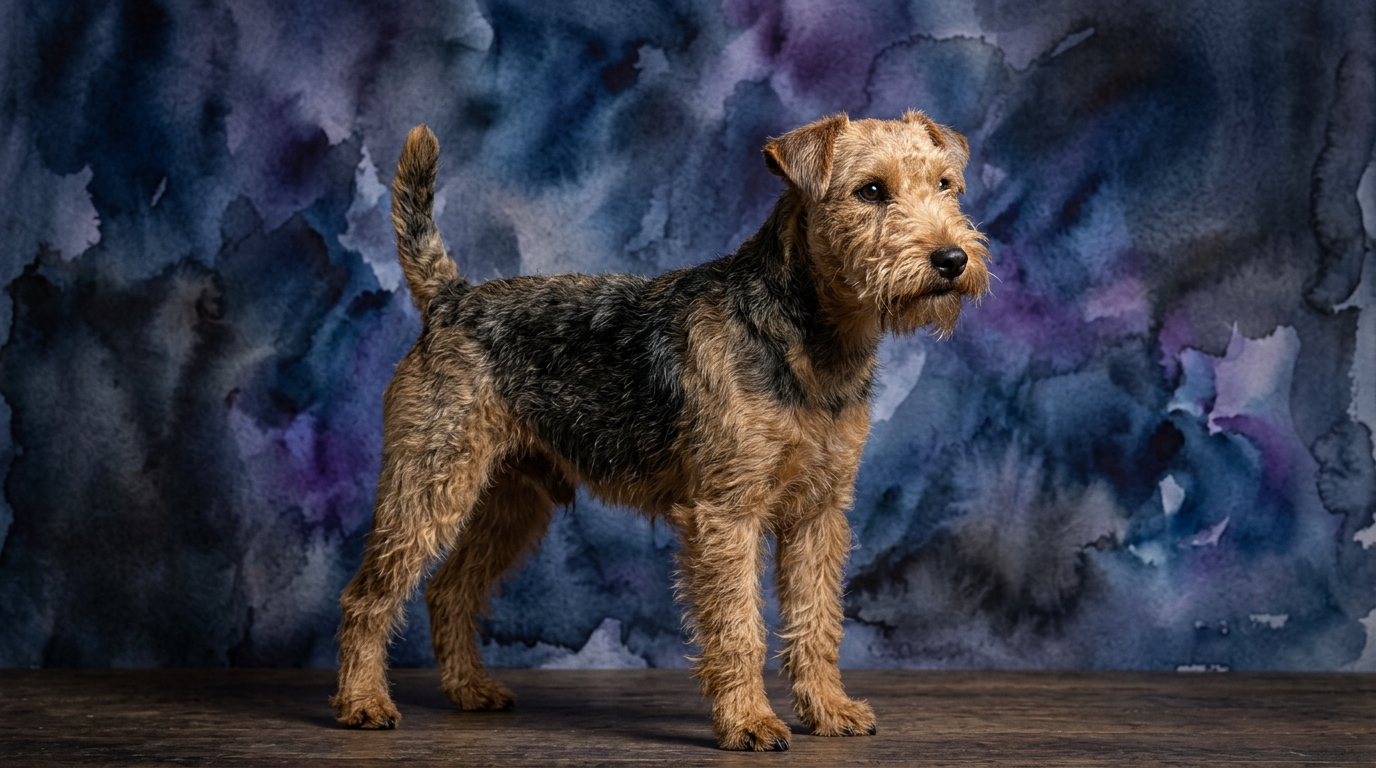
Side-by-Side Cognitive Profile: Lab vs. Lakeland
The Cosmic Pet Pet IQ Lab assesses canine intelligence across five key dimensions, providing a nuanced view of each breed's mental aptitudes.
For the **Labrador Retriever**, their scores reflect a highly cooperative and adaptable mind:
Problem Solving (4/5): Labs demonstrate a strong capacity for understanding complex tasks and devising multi-step solutions. They are adept at learning routines and adapting to new challenges, showing an intuitive grasp of cause and effect in their environment.
Training Speed (5/5): Labrador Retrievers absorb new commands and behaviors with remarkable alacrity, often requiring only a few repetitions. Their eagerness to please and focus on human directives make them exceptionally responsive to structured training.
Social Intelligence (5/5): Labs possess an outstanding ability to read human cues, understand social dynamics, and adapt their behavior to group settings. They thrive on interaction, demonstrating empathy and a deep desire for connection and cooperation within their family unit.
Instinctive Drive (4/5): Their natural drives, particularly for retrieving and water work, are highly refined and channeled into purposeful activity. This drive is strong but typically expressed collaboratively and responsively to human direction, making them excellent partners.
Memory (4/5): Labrador Retrievers show excellent retention of learned commands, routines, and spatial information. They can recall complex action sequences and remember specific locations, crucial for tasks like retrieving or navigating familiar environments.
In contrast, the **Lakeland Terrier's** scores reveal an independent and tenacious cognitive style, characteristic of their terrier heritage:
Problem Solving (3/5): Lakeland Terriers approach problems with characteristic independence and tenacity. While they may not solve human-designed puzzles as quickly, they excel at practical, instinct-driven problem-solving, such as figuring out how to access a scent or navigate complex terrain to pursue quarry.
Training Speed (3/5): Learning new commands requires patience and consistency with a Lakeland Terrier. They learn, but their independent spirit means they may not always see immediate value in human requests, often needing more repetitions and highly motivating rewards.
Social Intelligence (3/5): While affectionate with their families, Lakeland Terriers possess a more reserved and less overtly cooperative social intelligence. They understand their family role but maintain a degree of self-sufficiency, often preferring to engage on their own terms.
Instinctive Drive (3/5): Their instinctive drives are primarily rooted in their terrier heritage: hunting, digging, and pursuing small prey. This drive is potent and focused, often leading to independent action rather than seeking human guidance, requiring careful management.
Memory (3/5): Lakeland Terriers demonstrate functional memory for important routines and locations, particularly those relevant to their daily activities. Their recall for complex, human-directed sequences might require more consistent reinforcement over time.
Where the Labrador Retriever Excels Cognitively
Labrador Retrievers truly shine in areas demanding cooperative intelligence and rapid learning. Their 5/5 Training Speed means they internalize and execute complex commands with minimal repetition, making them highly adaptable for service work, competitive obedience, or intricate field tasks. Their superior Social Intelligence, also a 5/5, allows them to intuitively grasp human intentions and emotional states, fostering an exceptionally strong, responsive bond that facilitates seamless communication. This cognitive strength translates into an unparalleled ability to anticipate owner needs and work harmoniously in varied environments. Furthermore, their 4/5 Problem Solving and Memory scores equip them to independently navigate multi-step challenges and retain vast repertoires of learned behaviors, a critical asset for assistance roles or search and rescue where reliability and quick thinking are paramount.
Where the Lakeland Terrier's Cognition Wins
While their scores reflect a different cognitive approach, Lakeland Terriers demonstrate particular strengths rooted in their independent, tenacious nature. Their 3/5 Problem Solving, though not as quick for human-centric puzzles, is highly effective for tasks requiring self-reliance and persistence, such as independently tracking a scent or outsmarting small burrowing animals. This translates into a resourceful and determined mind, capable of focused, singular pursuits without constant human direction. Their 3/5 Instinctive Drive is a potent asset for owners seeking a dog with robust, inherent motivation for specific activities like earthdog trials or vigorous outdoor exploration. They excel in situations where natural drive for discovery and perseverance, rather than direct obedience, is the primary cognitive requirement. This independence means they are less prone to anxiety when left alone, provided they have appropriate mental and physical outlets tailored to their breed's intrinsic motivations.
Trainability: A Tale of Two Approaches
The Labrador Retriever is demonstrably easier to train due to their exceptional 5/5 Training Speed and Social Intelligence. Their inherent eagerness to please, coupled with a keen ability to understand and respond to human cues, means they quickly forge associations between commands and actions. They possess a strong desire for collaborative interaction, viewing training as a shared activity that strengthens their bond with their owner, making them highly receptive to positive reinforcement and capable of mastering a wide array of commands efficiently. In contrast, the Lakeland Terrier's 3/5 Training Speed and Social Intelligence indicate a more independent learner. While intelligent, they are less inclined to blindly follow commands and more likely to assess situations from their own perspective. Training a Lakeland requires significant patience, creativity, and consistent application of high-value rewards. Their terrier tenacity means they can be persistent in their own endeavors, sometimes perceiving human directives as secondary to their immediate interests, requiring an owner who can make training compelling and consistently rewarding.
Matching Breeds to Owner Lifestyles
For truly active owners who relish structured activities, collaborative sports, and a constant canine companion, the Labrador Retriever is an ideal match. Their high social intelligence and eagerness to work alongside humans make them perfect for running, hiking, swimming, and participation in dog sports like agility or obedience. They thrive on having a 'job' and will eagerly engage in daily mentally stimulating games and training sessions. Conversely, the Lakeland Terrier is better suited for owners who are active in a different sense – those who appreciate an independent spirit and enjoy outdoor adventures focused on exploration, providing outlets for their tenacious prey drive. While they need regular exercise, their cognitive profile suggests they might prefer activities like earthdog trials, scent work, or vigorous walks where they can investigate their surroundings on their own terms, rather than constant, human-directed collaboration. A relaxed owner seeking a low-maintenance, sedentary companion would find both breeds challenging, but the Lakeland's independent drive could be more demanding for someone unprepared for consistent, engaging activity tailored to their instincts.
The Verdict
Choose the Labrador Retriever if you seek a highly cooperative, rapidly trainable companion eager for shared activities and a deep communicative bond, thriving on complex tasks and consistent human partnership.
Opt for the Lakeland Terrier if you appreciate an independent, tenacious spirit, enjoy channeling a strong natural drive into specific, engaging outlets, and are prepared for a more patient, creative approach to training a self-reliant canine.
🧠 Find Your Pet's IQ Score
Our Pet IQ Lab assessment covers 25+ tests across 5 cognitive dimensions — personalized to your breed.
Take the Full IQ Test →Frequently Asked Questions
Are Lakeland Terriers difficult to train compared to Labradors?
Lakeland Terriers typically require more patience and consistency in training than Labradors. Their independent problem-solving and lower training speed mean they may need more repetitions and compelling motivation to learn new commands, whereas Labradors are generally eager to please and absorb lessons quickly.
Which breed is better for a first-time dog owner?
The Labrador Retriever is often recommended for first-time owners due to their high trainability, social intelligence, and cooperative nature, making them easier to guide. Lakeland Terriers, with their independent streak and strong instinctive drives, generally benefit from an owner experienced in positive reinforcement and managing terrier tendencies.
Do Lakeland Terriers need as much exercise as Labrador Retrievers?
Both breeds require significant daily exercise, but the type differs. Labradors thrive on structured activities, retrieving, and swimming, often enjoying longer, collaborative outings. Lakeland Terriers need vigorous activity to satisfy their prey drive and explore, often enjoying walks with opportunities for sniffing, digging, and independent exploration, though perhaps not the same duration of sustained, human-directed exertion.