Side-by-Side IQ Profile: Labrador Retriever vs. Maltese
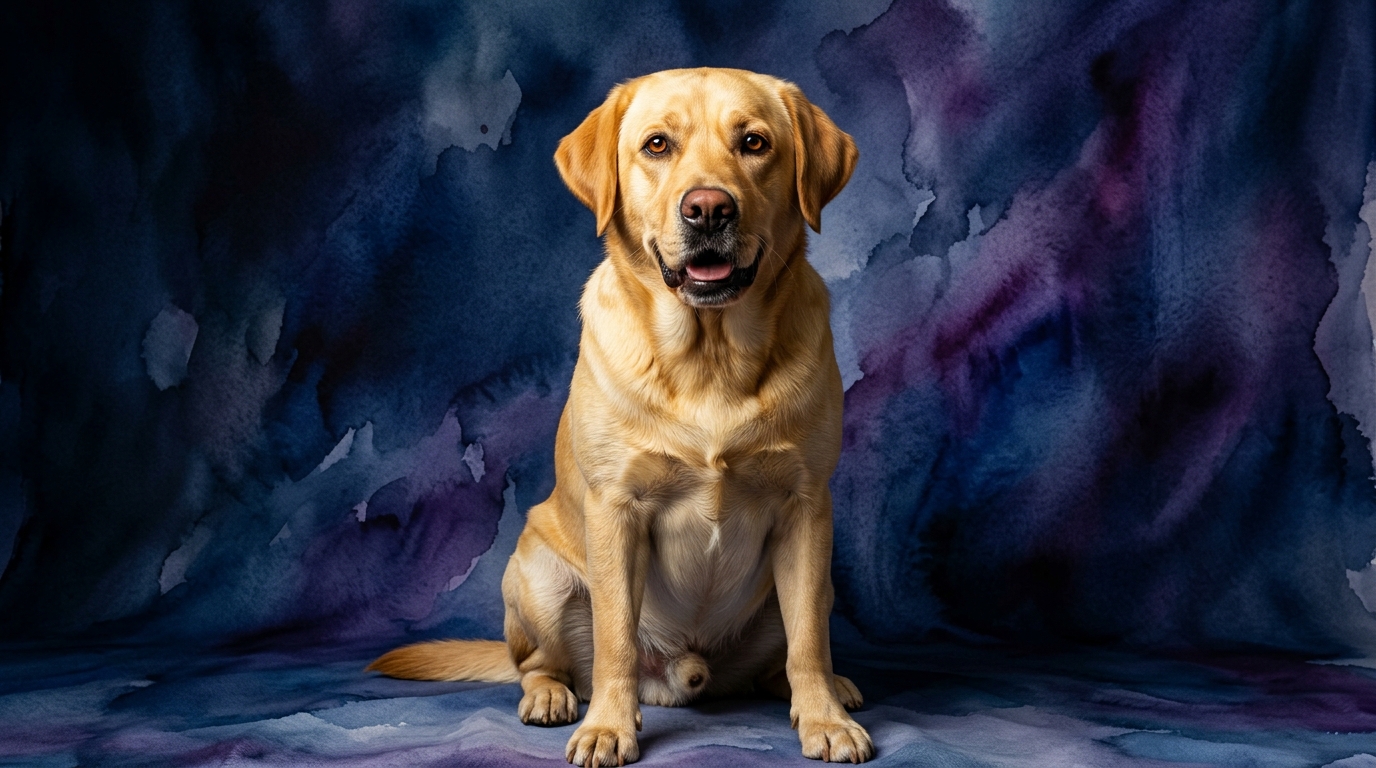
The Labrador Retriever, a pillar of the Sporting group, secures an impressive #7 on Stanley Coren's intelligence ranking, signaling a remarkable capacity for learning and obedience. Their problem-solving acumen rates a strong 4 out of 5, indicating an ability to navigate complex situations and devise effective strategies to reach goals, whether it’s figuring out a puzzle toy or locating a hidden retrieve. Training speed is a standout at a perfect 5 out of 5, reflecting an exceptional talent for quickly grasping and executing new commands with minimal repetition. Social intelligence also achieves a maximum 5 out of 5, showcasing an extraordinary ability to read human emotions, understand intricate social dynamics, and forge deep, responsive bonds with their families. An instinctive drive of 4 out of 5 underscores their powerful innate urges for activities like retrieving, swimming, and scent work, which are integral to their working heritage and overall disposition. Finally, their memory stands at a solid 4 out of 5, ensuring they retain learned information, commands, and routines reliably over time, contributing to their consistent performance.
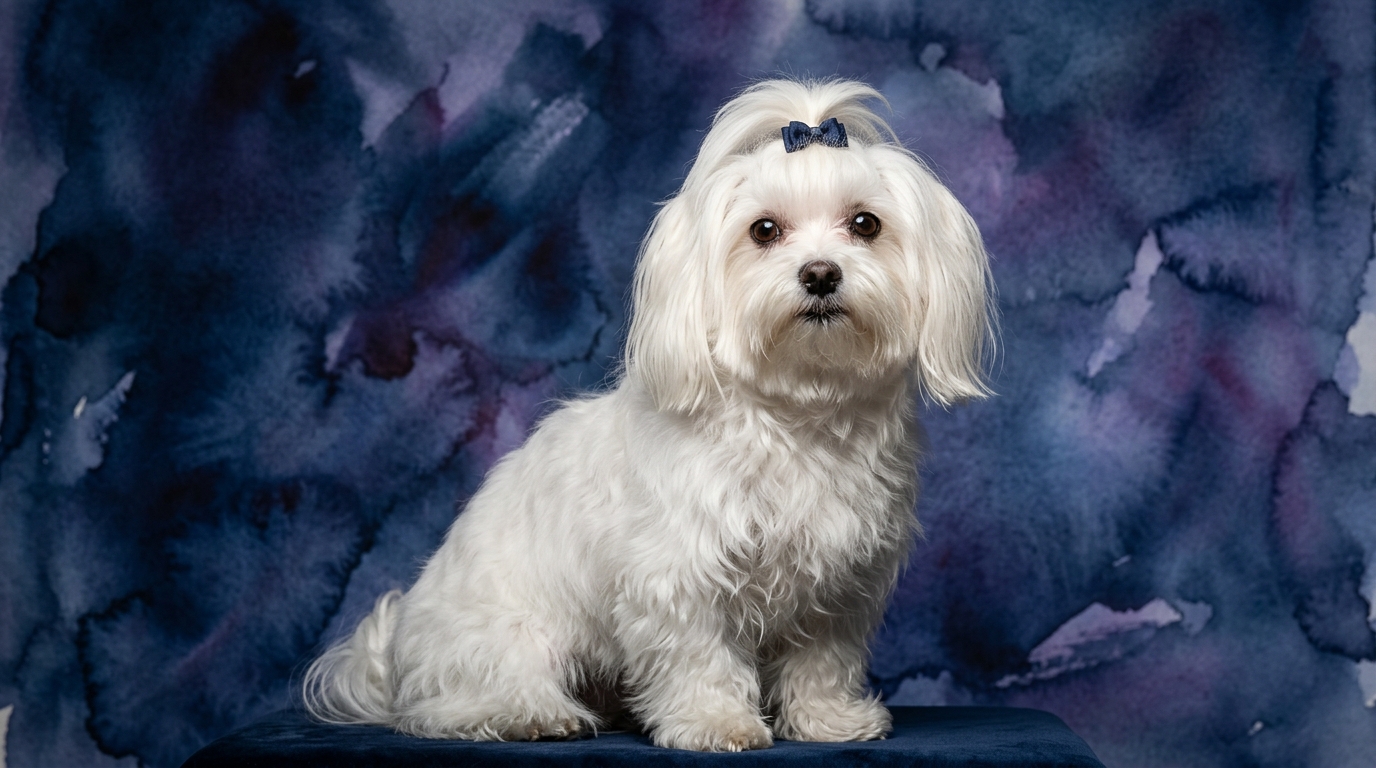
In contrast, the charming Maltese, a member of the Toy group, holds Coren's rank at #59, suggesting a different, though equally valid, cognitive profile. Their problem-solving abilities are rated 3 out of 5, indicating a moderate capacity for tackling new challenges, often relying on learned patterns rather than innovative solutions. Training speed comes in at 3 out of 5; while they are certainly trainable, they typically require more patient repetition and consistent reinforcement to master new commands compared to breeds with higher scores. Where the Maltese truly excels is in social intelligence, matching the Labrador with a perfect 5 out of 5. This score highlights their profound aptitude for emotional connection, interpreting human moods, and providing empathetic companionship, making them incredibly attuned to their owners. Their instinctive drive is a lower 2 out of 5, reflecting a diminished inherent urge for traditional working tasks, with their focus predominantly on social interaction and comfort. Memory for the Maltese is rated 3 out of 5, meaning they retain information adequately but benefit from regular practice to keep commands fresh and accessible.
Where the Labrador Retriever Wins Cognitively
The Labrador Retriever's cognitive profile reveals several distinct advantages, particularly in areas demanding practical application and rapid learning. Their 4/5 problem-solving score means they are adept at navigating complex physical environments, such as figuring out how to open a child-proof gate or successfully retrieving a specific item from a cluttered space, demonstrating a keen capacity for spatial reasoning and practical application of learned concepts. Coupled with a 5/5 training speed, Labs assimilate new commands and sequences with remarkable efficiency. This allows them to master intricate multi-step tasks, like "find the remote" or "bring your leash," in significantly fewer repetitions than many other breeds. This rapid acquisition makes them exceptionally versatile for demanding roles in service, search and rescue, or competitive obedience, where quick understanding and flawless execution are paramount. Furthermore, their 4/5 instinctive drive, combined with high social intelligence, means they are not only capable of understanding tasks but are also profoundly motivated to perform them for their human partners, often anticipating needs based on subtle cues and a strong desire to please. This blend of cognitive prowess and inherent drive positions the Lab as a formidable learner in task-oriented scenarios.
Where the Maltese Wins Cognitively
While the Labrador excels in task-oriented intelligence, the Maltese demonstrates a powerful, albeit different, cognitive strength, particularly in the realm of social and emotional understanding. Their perfect 5/5 in social intelligence is not merely about being friendly; it signifies a profound ability to interpret human emotional states and respond with remarkable empathy and accuracy. A Maltese can often sense a shift in its owner's mood, offering comfort or seeking reassurance with a sensitivity that speaks volumes about their emotional attunement. This deep social awareness allows them to form incredibly strong, reciprocal bonds, making them exceptional companions who often seem to "understand" their human counterparts on an intuitive level. Their 3/5 problem-solving, though lower than the Lab's, is frequently applied to social contexts, such as figuring out the best way to gain attention, secure a comfortable spot on the sofa, or subtly manipulate situations to maximize proximity to their loved ones. Their cognitive strengths are deeply intertwined with their role as devoted companions, prioritizing nuanced emotional connection and subtle communication over complex, physical task execution. They are masters of the domestic social landscape.
Which is Easier to Train and Why
When evaluating ease of training, the Labrador Retriever generally presents a more straightforward experience due to its inherent cognitive makeup. Their perfect 5/5 training speed means they grasp new commands almost immediately, often within just a few repetitions. This rapid assimilation is bolstered by their 4/5 problem-solving ability, allowing them to understand the *why* and *how* of a command, rather than just rote memorization. Furthermore, their 4/5 instinctive drive, particularly the strong desire to please and retrieve, makes them highly motivated participants in training sessions, viewing them as rewarding interactions. Real behavioral differences include a Lab's eagerness to work and focus, often maintaining attention for longer periods and responding enthusiastically to positive reinforcement like praise or a tossed toy.
The Maltese, with a training speed of 3/5 and memory of 3/5, requires a more patient and nuanced approach. While perfectly capable of learning, they need more repetitions and consistent reinforcement to solidify commands. Their lower 2/5 instinctive drive means they aren't naturally inclined towards complex obedience tasks for the sake of working; instead, their motivation often comes from their strong 5/5 social intelligence – training becomes a bonding activity. Behavioral differences manifest in shorter attention spans for formal drills and a greater need for positive, gentle methods that leverage their desire for companionship. Trainers need to make sessions fun, brief, and highly rewarding, often incorporating play or cuddles as part of the reinforcement, rather than relying on a strong inherent work ethic.
Which Suits Active Owners vs. Relaxed Owners
The cognitive profiles of these two breeds offer clear guidance for matching them with owner lifestyles. Labrador Retrievers, with their robust 4/5 instinctive drive, 4/5 problem-solving, and boundless energy, thrive in environments that offer consistent mental and physical challenges. Owners who embrace an active outdoor lifestyle – enjoying long hikes, swimming, agility training, retrieving games, or even canine sports – will find a Lab to be an eager, capable, and enthusiastic partner. Their cognitive makeup demands engagement; without sufficient outlets for their intelligence and drive, their problem-solving skills might be redirected towards less desirable behaviors stemming from boredom or pent-up energy. Their need for purpose means they are not content to simply lounge all day.
Conversely, the Maltese, with its lower 2/5 instinctive drive and perfect 5/5 social intelligence, is ideally suited for more relaxed owners. Their contentment stems primarily from close proximity and constant interaction with their human family, rather than demanding strenuous physical activity or complex tasks. They are typically satisfied with gentle daily walks, indoor play, and ample lap time, making them perfect companions for individuals or families seeking a devoted, less physically demanding canine presence. Their cognitive strengths are geared towards companionship, thriving on emotional connection and a calm, predictable home environment, making them excellent choices for those who prioritize cuddles and quiet devotion.
The Verdict
Opt for a Labrador Retriever if your lifestyle involves active outdoor pursuits, a desire for a highly trainable working or sporting companion, and the capacity to provide consistent mental and physical challenges.
Select a Maltese if you seek a devoted, empathetic companion content with a more relaxed pace of life, valuing deep social connection and subtle emotional understanding above task-oriented abilities.
🧠 Find Your Pet's IQ Score
Our Pet IQ Lab assessment covers 25+ tests across 5 cognitive dimensions — personalized to your breed.
Take the Full IQ Test →Frequently Asked Questions
Does Coren's ranking reflect a dog's overall happiness or suitability as a pet?
Coren's ranking primarily assesses a breed's capacity for understanding and obeying commands, specifically its working and obedience intelligence. It doesn't directly measure a dog's temperament, affection, or how well it integrates into a family as a companion, which are distinct aspects of suitability.
Can a Maltese be trained for complex tasks like a Labrador Retriever?
While a Maltese possesses a moderate training speed (3/5) and can learn commands, they typically won't match a Labrador Retriever's rapid acquisition (5/5) or strong instinctive drive (4/5) for complex, task-oriented work. Their cognitive strengths lean more towards social interaction and companionship, requiring different training approaches.
How does "instinctive drive" impact a dog's daily behavior?
Instinctive drive reflects a dog's inherent urges for breed-specific activities like retrieving, herding, or guarding. A high drive, like the Labrador's 4/5, means they'll seek out opportunities for these behaviors, requiring outlets to prevent boredom. A lower drive, like the Maltese's 2/5, means they're generally less inclined towards these specific tasks and often prioritize social interaction.