Side-by-Side IQ Profile: Labrador Retriever vs. Miniature Bull Terrier
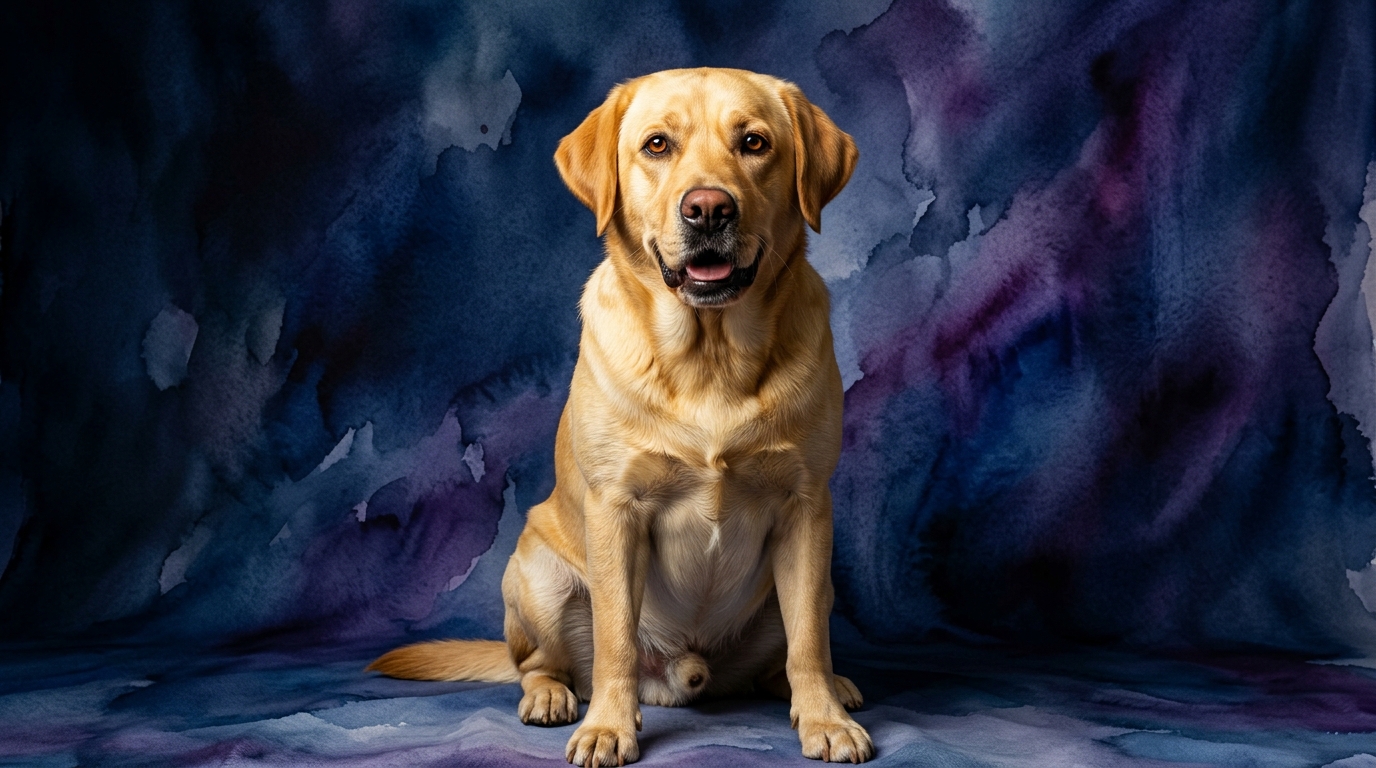
The Labrador Retriever, a breed consistently appearing in the top ranks of canine cognition studies, including Coren's #7, exhibits a remarkable suite of mental aptitudes. Their problem-solving capacity, rated at 4/5, allows them to navigate complex environments and learn intricate tasks, a trait crucial for their roles in assistance and detection work. Coupled with an exceptional training speed (5/5), Labradors absorb new commands and routines with impressive alacrity, driven by a strong desire to collaborate. Their social intelligence (5/5) is equally profound, enabling them to keenly interpret human cues, fostering deep bonds and making them highly responsive companions.
Beyond their collaborative spirit, Labradors possess a robust instinctive drive (4/5), primarily manifesting as a powerful retrieving impulse and an affinity for water, reflecting their heritage as gundogs. This drive, while strong, is often channeled productively under guidance. Their memory (4/5) is a significant asset, allowing them to retain vast repertoires of commands, remember specific locations, and recall learned behaviors over extended periods, contributing to their reliability and versatility.
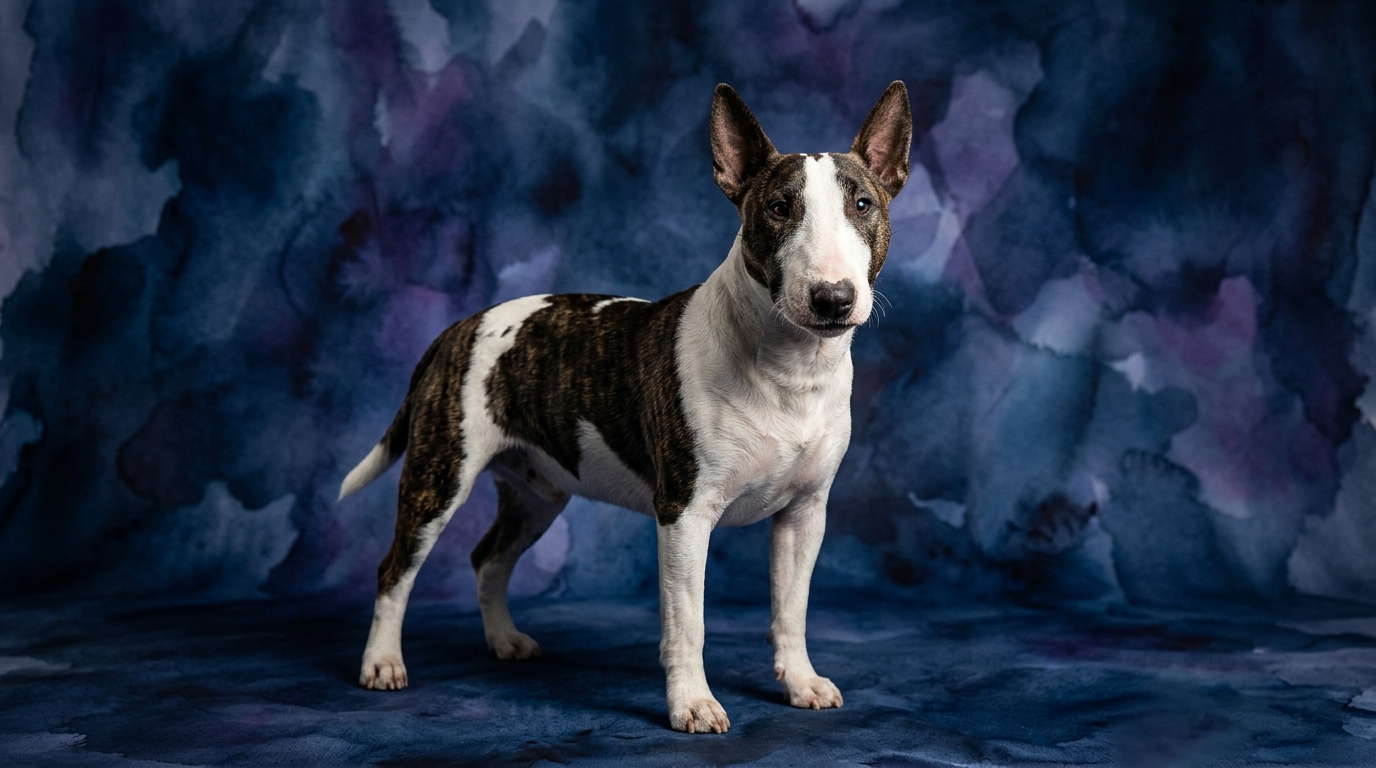
In contrast, the Miniature Bull Terrier, while not appearing on standard working intelligence rankings, presents a distinct cognitive profile characterized by an independent spirit. Their problem-solving ability, rated at 3/5, often involves a unique blend of curiosity and determination, where they might devise their own solutions to perceived challenges, sometimes diverging from human expectations. Their training speed (3/5) reflects this independent streak; while capable of learning, they require engaging methods and consistent motivation, often valuing self-direction over strict adherence to commands. Social intelligence (3/5) in Miniature Bull Terriers is typically focused and intense towards their chosen companions, forming strong, loyal bonds, but they may display less universal eagerness to please or interpret subtle social cues from strangers.
The instinctive drive (3/5) of the Miniature Bull Terrier is deeply rooted in their terrier lineage, manifesting as a persistent desire to dig, chase, and investigate, often with a singular focus that can be challenging to redirect. This tenacity, while a hallmark of the breed, requires careful management. Their memory (3/5) is functional, allowing them to learn routines and commands, but the retention and consistent application of these learnings can be more dependent on the perceived value or immediate reward for the dog, rather than an inherent drive for compliance.
Where the Labrador Retriever Wins Cognitively
The Labrador Retriever's cognitive edge shines brightest in scenarios demanding teamwork and precision. Their exceptional social intelligence, combined with a potent drive to cooperate, means they consistently outperform the Miniature Bull Terrier in tasks requiring close human partnership and understanding complex verbal or hand signals. This isn't just about obedience; it’s about a deeply ingrained ability to interpret human intent and respond accordingly, making them unparalleled partners in structured environments like competitive obedience, assistance work, or search and rescue operations.
Furthermore, their superior training speed and problem-solving aptitude translate into a remarkable capacity for generalization. A Labrador learns a command in one context and can readily apply it in another, demonstrating flexible thinking. This cognitive adaptability allows them to transition smoothly between different tasks and environments, absorbing new information quickly and reliably, a stark contrast to breeds that might require more context-specific repetition to solidify learning.
Where the Miniature Bull Terrier Wins Cognitively
While the Labrador excels in cooperative intelligence, the Miniature Bull Terrier demonstrates a unique cognitive strength in independent problem-solving and tenacity. When faced with a puzzle or a goal, they often rely on their own ingenuity and determination, rather than waiting for human direction. This manifests as a resourceful ability to figure out how to access forbidden treats, navigate complex obstacles their own way, or persist in a digging project until completion, showcasing a self-directed mental resolve.
Their lower social intelligence score doesn't imply a lack of mental capacity, but rather a different prioritization. This breed often exhibits a strong, singular focus on tasks they deem important, displaying a resilience that can be invaluable in specific, independent roles. This cognitive self-reliance means they are less prone to 'learned helplessness' and more likely to experiment with solutions, even if those solutions aren't what their human companion had in mind, highlighting a distinct form of cognitive autonomy.
Which is Easier to Train and Why
Without a doubt, the Labrador Retriever presents a significantly easier training journey for most owners. Their 5/5 training speed is a testament to their innate desire to please and their high responsiveness to positive reinforcement. Labradors are often motivated by food, toys, and human affection, making them eager participants in training sessions. Their strong social intelligence means they actively seek to understand what is being asked of them, quickly forming associations between commands and actions, leading to rapid and reliable learning.
The Miniature Bull Terrier, with its 3/5 training speed, demands a different approach. Their independent nature and terrier persistence mean that traditional, repetitive drills can quickly lead to boredom or defiance. Training a Miniature Bull Terrier requires creativity, patience, and often a sense of humor. Owners must discover what truly motivates their individual dog, which might be a specific type of play, a unique treat, or a challenging puzzle. Sessions need to be short, engaging, and varied, leveraging their tenacity rather than trying to suppress it, understanding that their behavioral responses stem from a strong-willed cognitive process rather than a lack of understanding.
Which Suits Active Owners vs. Relaxed Owners
For owners seeking an active canine partner, both breeds offer engagement, but with distinct styles. The Labrador Retriever is an exceptional match for individuals or families who embrace activities like hiking, swimming, retrieving games, and dog sports. Their high instinctive drive and social intelligence make them enthusiastic, cooperative participants in structured endeavors, thriving on shared experiences and collaborative effort. They possess the stamina and mental aptitude to keep pace with rigorous schedules, always eager for the next activity alongside their human, and once their needs are met, they transition gracefully to a relaxed indoor presence.
The Miniature Bull Terrier also suits active owners, particularly those who appreciate a unique challenge and a dog with a strong, independent personality. They require consistent physical and mental stimulation, not just for exercise but to prevent boredom, which can lead to self-directed, often destructive, projects. Owners who enjoy creative problem-solving games, structured play that taps into their terrier instincts, and can provide firm, consistent guidance will find a rewarding companion. However, their cognitive autonomy makes them less suited for a truly relaxed household, as they demand proactive engagement and clear boundaries to prevent them from creating their own 'fun,' often requiring more consistent management than a Labrador.
The Verdict
Choose the Labrador Retriever if you seek a highly trainable, cooperative companion for a wide array of activities, one who thrives on teamwork, readily adapts to family life, and offers consistent, reliable responses to guidance.
Opt for the Miniature Bull Terrier if you appreciate an independent, tenacious, and charmingly eccentric companion, are prepared for creative, patient training, and enjoy a dog with strong, self-directed character and unique cognitive processes.
🧠 Find Your Pet's IQ Score
Our Pet IQ Lab assessment covers 25+ tests across 5 cognitive dimensions — personalized to your breed.
Take the Full IQ Test →Frequently Asked Questions
Do Miniature Bull Terriers learn tricks?
Yes, Miniature Bull Terriers are capable of learning tricks, but it often requires more patience, creativity, and understanding of their independent streak than with some other breeds. Short, engaging sessions with high-value rewards typically work best to capture and maintain their attention and motivation.
Are Labradors good for first-time dog owners?
Absolutely, their high trainability, social intelligence, and eagerness to please make them an excellent choice for first-time dog owners. They are generally forgiving of minor training errors and respond very well to consistent, positive guidance, making the learning process enjoyable for both dog and human.
How do their instinctive drives manifest differently?
The Labrador's instinctive drive often centers on retrieving, swimming, and working alongside humans, fueled by a desire to cooperate and engage. The Miniature Bull Terrier's drive is more typical of terriers: persistent digging, chasing small prey, and a determined pursuit of self-directed interests, often with less regard for human instruction or redirection.