Side-by-Side IQ Profile: Labrador Retriever vs. Newfoundland
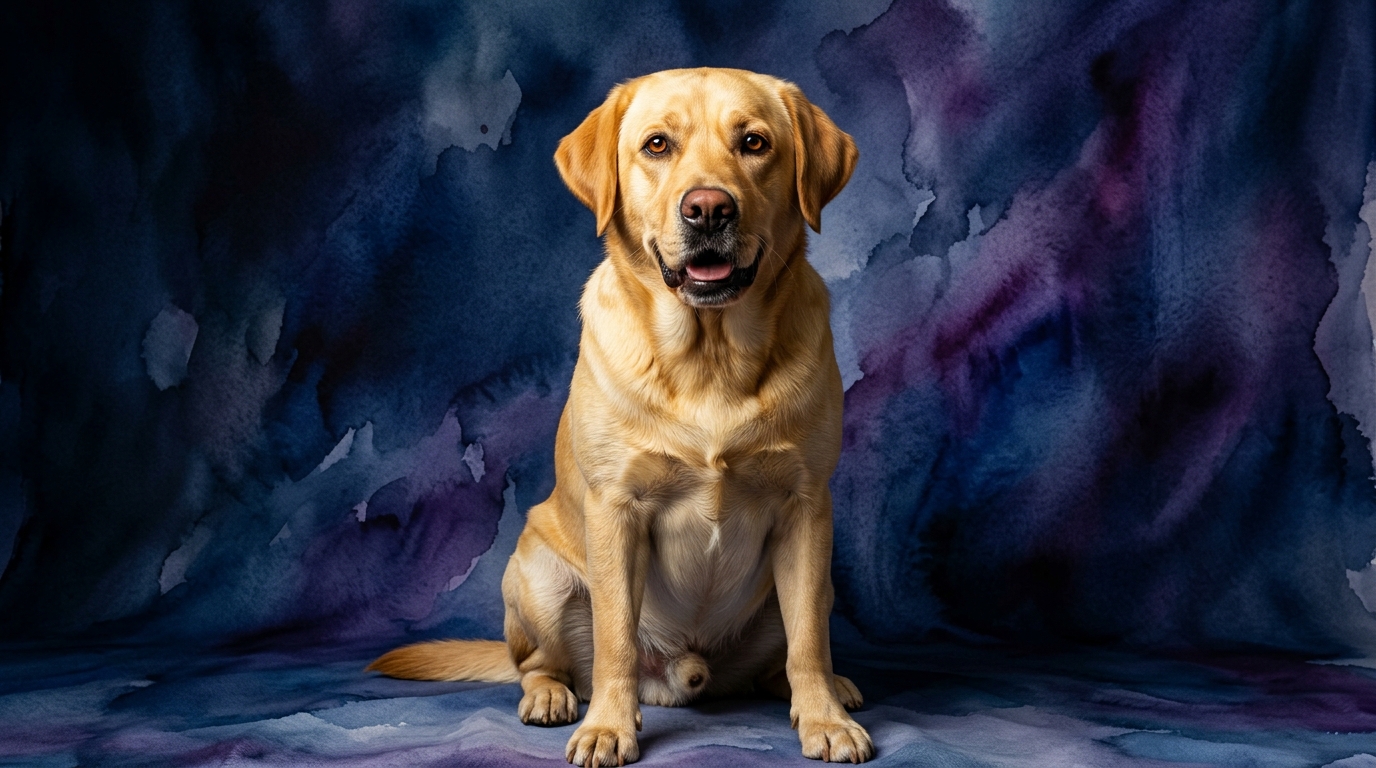
The Cosmic Pet Pet IQ Lab provides a granular look at canine cognition, evaluating breeds across five crucial dimensions. For the Labrador Retriever, a Sporting group dog ranked #7 by Coren, its profile highlights a Problem Solving score of 4/5, indicating a strong capacity for navigating novel situations and devising solutions. Its Training Speed is exceptional at 5/5, reflecting a remarkable ability to grasp and retain new commands quickly. Social Intelligence stands at 5/5, showing deep attunement to human cues and a cooperative spirit. Instinctive Drive is rated 4/5, signifying robust natural predispositions for activities like retrieving and water work. Finally, its Memory scores a solid 4/5, demonstrating reliable recall of learned information and routines.
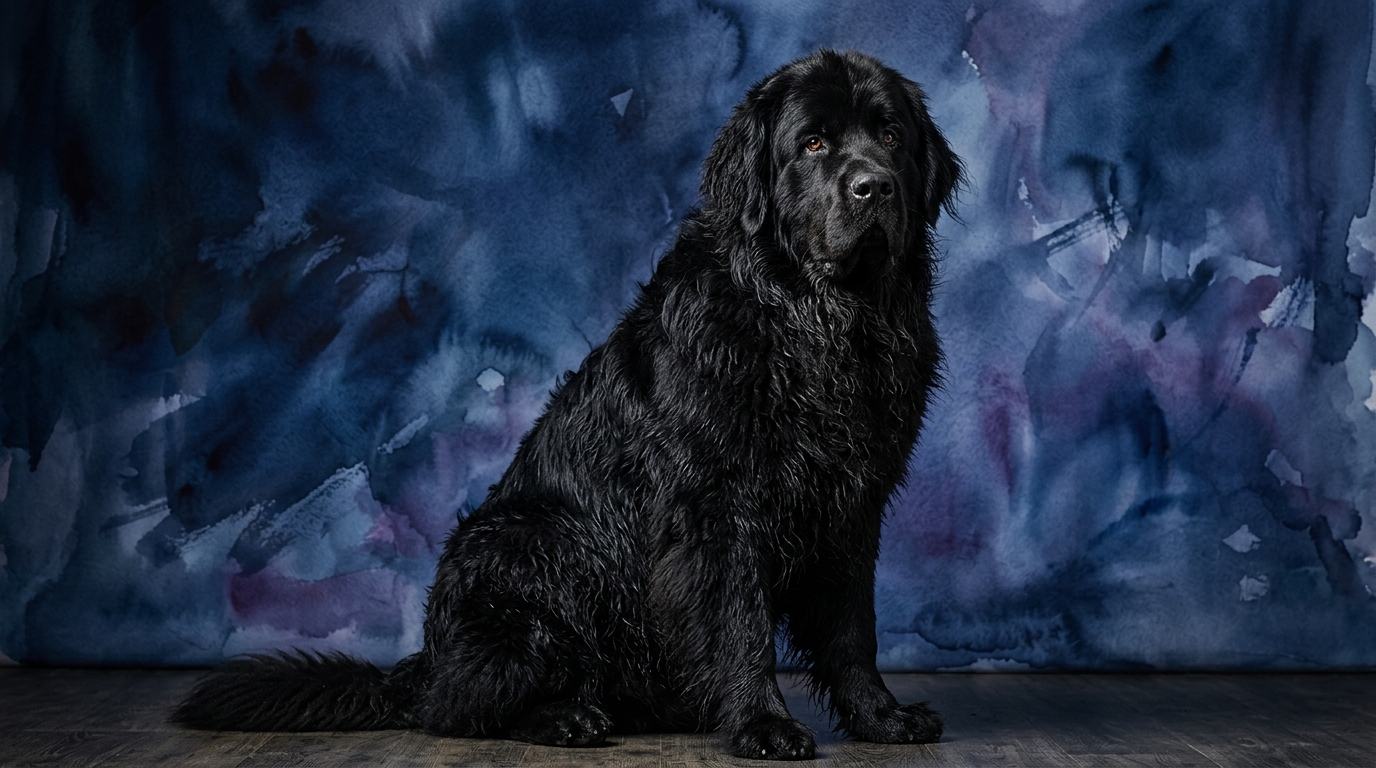
In contrast, the Newfoundland, a Working group dog ranked #34 by Coren, presents a different cognitive emphasis. Its Problem Solving score is 3/5, suggesting it can solve challenges but might require more time or guidance compared to some breeds. Training Speed is a respectable 4/5, indicating effective learning, though perhaps not with the instantaneous pace of top-tier performers. Social Intelligence matches the Lab at 5/5, underscoring a deeply empathetic and responsive nature to human emotions. The Newfoundland's Instinctive Drive is a maximum 5/5, pointing to profound natural instincts for water rescue, guardianship, and nurturing roles. Its Memory also scores 4/5, signifying reliable recall for commands, people, and places.
Where the Labrador Retriever Wins Cognitively
The Labrador Retriever's cognitive profile shows a clear advantage in its capacity for problem-solving. With a score of 4 out of 5, Labs often demonstrate a quicker ability to assess and resolve new environmental puzzles or learn complex sequences of actions. This translates into a dog that might more readily figure out how to open a gate, retrieve a toy from an unusual spot, or adapt to novel routines without extensive human intervention. Their superior training speed, scoring a perfect 5 out of 5, further cements this cognitive edge. Labs process and internalize new commands with remarkable rapidity, making them highly receptive to formal instruction and capable of mastering a broad repertoire of behaviors in less time. This isn't just about obedience; it reflects a swift cognitive processing speed that allows them to connect actions with consequences and human requests efficiently. Owners often find Labs to be exceptionally 'biddable,' meaning they are eager to comply and understand what is being asked of them almost instinctively, driving their rapid learning curve.
Where the Newfoundland Wins Cognitively
The Newfoundland's cognitive strengths shine particularly bright in its instinctive drive, earning a maximum score of 5 out of 5. This isn't merely a physical attribute; it reflects a deeply ingrained cognitive program that guides their behavior, especially their renowned water rescue instincts and protective, gentle nature. Their drive to assist, guard, and nurture is a powerful internal motivator, making them exceptionally reliable in roles that align with these predispositions. For instance, a Newfie might instinctively know how to support a struggling swimmer or position itself protectively around children, behaviors that stem from a profound, innate understanding of their purpose. While both breeds score equally high in social intelligence (5/5), the Newfoundland's social cognition is uniquely colored by its empathetic and patient disposition. They excel at reading human emotions and responding with unwavering calm and comfort, often anticipating needs without explicit commands. This makes their social interactions particularly nuanced and deeply reassuring, showcasing a cognitive ability to connect on a profound emotional level.
Which is Easier to Train and Why
When evaluating which breed is typically easier to train, the Labrador Retriever generally holds an edge. Their perfect 5 out of 5 score in training speed means they possess an exceptional capacity for quickly learning and retaining new commands. Labs are often described as having an 'eager to please' temperament, which complements their swift cognitive processing, making them highly responsive to positive reinforcement and clear instruction. They thrive on engagement and readily form associations between verbal cues or hand signals and desired actions. This rapid acquisition of skills makes them excellent candidates for various dog sports and advanced obedience.
In contrast, the Newfoundland, with a commendable 4 out of 5 in training speed, learns effectively but may require more patience and consistent repetition. Newfies are not inherently stubborn, but their learning style is often described as more thoughtful and less frantic. They tend to process information at their own pace and are motivated more by their strong intrinsic drives and desire for companionship than by mere compliance. Training a Newfoundland often benefits from incorporating activities that leverage their natural instincts, such as water work or 'rescue' games, rather than purely repetitive drills. Their strong problem-solving skills, while not as rapid as a Lab's, allow them to eventually master tasks, but the journey might involve more nuanced motivational strategies that appeal to their gentle nature and strong bonds.
Cognitive Profiles for Active vs. Relaxed Owners
The cognitive profiles of these breeds offer distinct matches for different owner lifestyles. The Labrador Retriever, with its high problem-solving capacity, exceptional training speed, and strong instinctive drive for activity, is an ideal companion for active owners. They thrive in environments where they can engage in regular, stimulating activities like retrieving games, advanced obedience, agility, or field work. Owners who enjoy hiking, running, or involving their dog in various sports will find the Lab's quick learning and energetic disposition a perfect fit. Their mind requires consistent engagement, making them less suited for purely sedentary lifestyles, as boredom can lead to undesirable behaviors.
Conversely, the Newfoundland, while possessing a robust instinctive drive, particularly for water rescue and guarding, pairs well with more relaxed owners who appreciate a calm, steady presence. While they need regular, moderate exercise to maintain health, their cognitive makeup, coupled with their often deliberate pace, doesn't demand the same intensity of constant mental and physical stimulation as a Lab. Their profound social intelligence and nurturing instincts make them excellent companions for families seeking a gentle giant that provides emotional support and a watchful, albeit mellow, presence. Owners who enjoy leisurely walks, quiet companionship, and appreciate a dog that is less prone to impulsive decisions will find the Newfoundland's temperament and cognitive style more aligned with their pace of life.
The Verdict
Choose the Labrador Retriever if you desire a highly biddable, quick-learning partner for active pursuits and enjoy engaging in fast-paced training and mental challenges.
Opt for the Newfoundland if your home thrives on a gentle, profoundly empathetic presence, and you appreciate a dog whose deep instinctive drives manifest as calm guardianship and unwavering loyalty, even if training requires a more patient approach.
🧠 Find Your Pet's IQ Score
Our Pet IQ Lab assessment covers 25+ tests across 5 cognitive dimensions — personalized to your breed.
Take the Full IQ Test →Frequently Asked Questions
Is a Labrador Retriever better at learning new tricks than a Newfoundland?
Yes, generally. The Labrador Retriever's training speed score of 5/5 indicates it will typically grasp new tricks and commands more quickly than a Newfoundland, which scores 4/5. Labs possess a rapid cognitive processing ability that makes them highly receptive to learning novel behaviors and forming associations.
Which breed is more naturally protective, based on their IQ?
The Newfoundland's instinctive drive score of 5/5, compared to the Labrador's 4/5, suggests a more profound natural inclination towards protective and nurturing behaviors. Their cognitive makeup includes a strong innate drive to guard and care for their family, particularly children, stemming from their historical roles as guardians and rescuers.
Do both breeds have similar memory capabilities?
Yes, both breeds score 4/5 in memory, indicating a solid and reliable capacity for recalling learned information, routines, and recognizing individuals. Owners can expect both Labradors and Newfoundlands to remember commands, people, and places consistently over time, contributing to their adaptability and bond with their families.