Side-by-Side IQ Profile
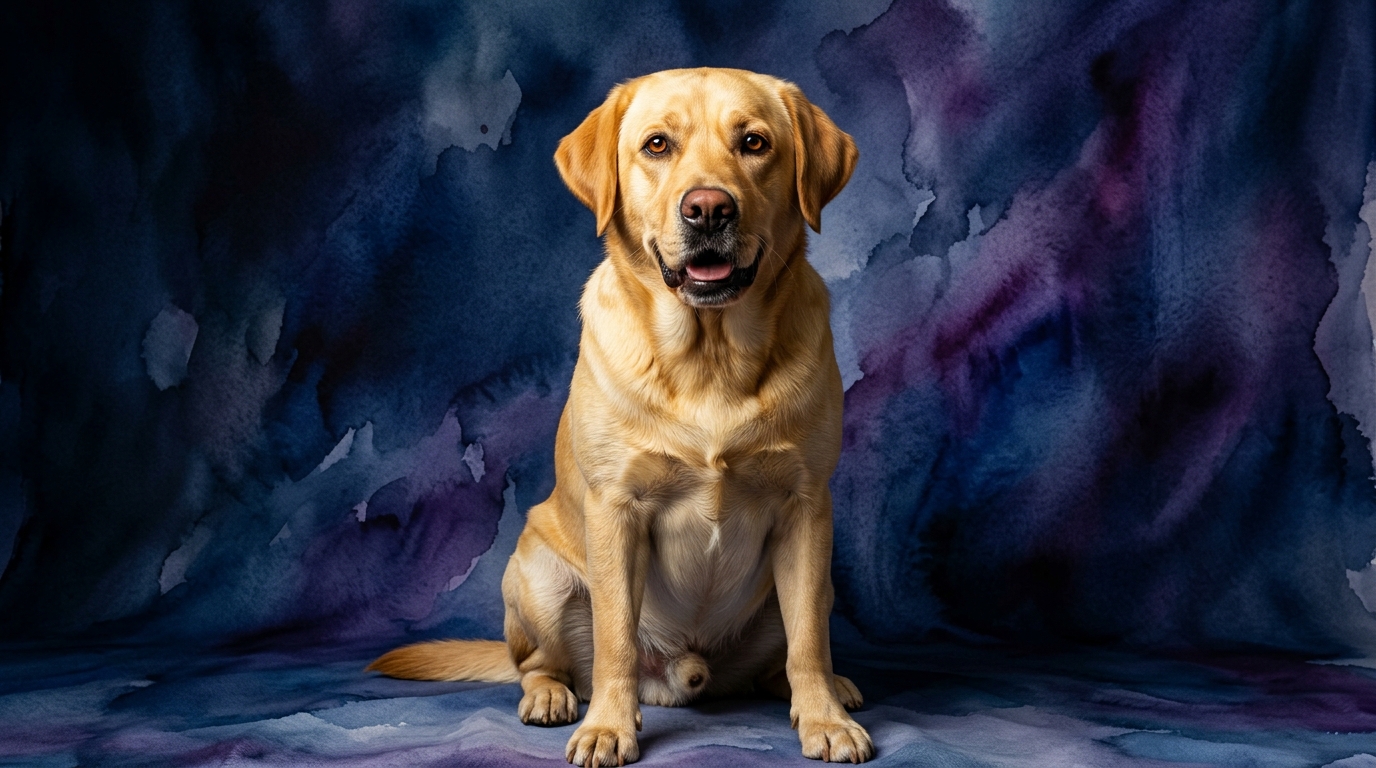
The Cosmic Pet Pet IQ Lab offers a nuanced look at canine cognitive strengths. The Labrador Retriever, a Sporting group member, consistently shows robust cognitive abilities, reflected in its Coren rank of #7 among breeds. Its problem-solving capacity scores 4/5, indicating a strong aptitude for navigating novel situations and figuring out solutions. Training speed is an exceptional 5/5, suggesting a quick grasp of new commands and routines. Social intelligence also stands at 5/5, highlighting their strong ability to interpret human cues and form cooperative bonds. Their instinctive drive, often directed towards retrieving, is 4/5, and their memory for tasks and experiences is a solid 4/5.
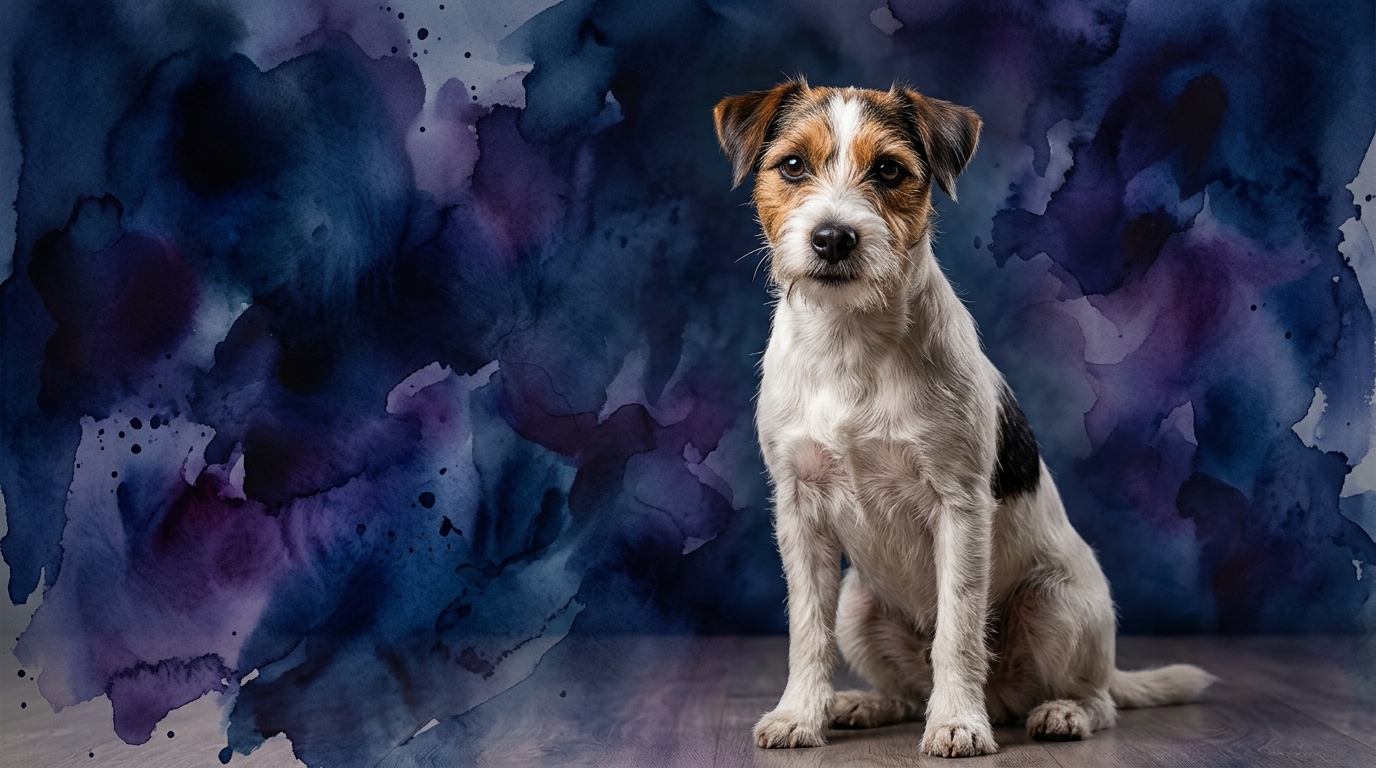
In contrast, the Parson Russell Terrier, a Terrier group member and not Coren-ranked, presents a different cognitive profile. Across all five dimensions—problem-solving, training speed, social intelligence, instinctive drive, and memory—it scores 3/5. This indicates a competent but perhaps more independent and less outwardly cooperative approach to cognitive tasks. Their problem-solving tends to be more self-directed, their training requires more repetition, and their social cues are often interpreted through a lens of self-interest rather than collaboration. Their instinctive drive is focused on traditional terrier work, and their memory, while functional, might not be as expansive for complex sequences as the Labrador's.
Where Labrador Retriever Wins Cognitively
The Labrador Retriever's cognitive strengths shine in areas demanding cooperation, rapid learning, and adaptable problem-solving. Their 4/5 problem-solving score, combined with a 5/5 for social intelligence, means they excel at understanding human-initiated tasks and working alongside their owners to achieve goals. For instance, a Lab might quickly learn to open a specific gate by observing human actions or figure out how to retrieve a toy from a tricky spot with minimal guidance. Their 5/5 training speed is a significant advantage, allowing them to master complex command sequences and adapt to new routines with remarkable efficiency. This translates to quicker house-training, faster obedience skill acquisition, and a greater capacity for specialized roles like assistance work where precise, consistent responses are crucial. Furthermore, their 4/5 memory ensures they retain these learned behaviors and social cues over time, making them consistently reliable partners.
Where Parson Russell Terrier Wins Cognitively
While the Parson Russell Terrier's scores are consistently 3/5, their cognitive profile offers unique advantages, particularly for owners appreciating independence and tenacious focus. Their 3/5 problem-solving score often manifests as self-reliance; they are adept at finding their own solutions to challenges, even if those solutions aren't always what a human owner would prefer. This can be a "win" when a dog needs to operate autonomously, such as navigating complex terrain during a hunt or figuring out how to access a desired object without human intervention. Their 3/5 instinctive drive, while lower than the Lab's, is intensely focused, typically on pursuing prey or engaging in digging. This single-minded determination, once engaged, can be formidable and highly effective for specific tasks. Their social intelligence at 3/5 suggests they are less reliant on constant human reassurance or direction, which can make them robust companions for owners who value a dog with a strong sense of self and less propensity for separation anxiety, provided their needs for mental and physical stimulation are met.
Which is Easier to Train and Why
Based on The Cosmic Pet Pet IQ Lab metrics, the Labrador Retriever is demonstrably easier to train. Their training speed of 5/5 is exceptional, meaning they pick up new commands and routines with fewer repetitions than most breeds. This is underpinned by their 5/5 social intelligence, which makes them highly attuned to human communication and eager to please their owners. Labs often find intrinsic reward in working cooperatively with people, making positive reinforcement highly effective. Their higher problem-solving (4/5) and memory (4/5) further aid in retaining complex behaviors and applying them appropriately. In contrast, the Parson Russell Terrier's 3/5 training speed indicates they require more patience and consistency. Their 3/5 social intelligence suggests they are less inherently motivated by human approval and may prioritize their own instincts or interests, making training feel more like a negotiation. Their problem-solving (3/5) is often directed towards their own goals, which can make them appear stubborn when their objectives differ from the trainer's.
Which Suits Active Owners vs Relaxed Owners
The Labrador Retriever, with its 4/5 instinctive drive and robust cognitive abilities, thrives with active owners who can provide ample physical exercise and mental engagement. Their cooperative nature and quick learning make them ideal for dog sports like agility, obedience, or dock diving, which satisfy both their physical needs and their desire for collaborative problem-solving. A Lab will happily accompany an owner on long hikes, runs, or swimming excursions, and their high social intelligence means they genuinely enjoy being included in family activities. For more relaxed owners, a Lab might become restless and channel its energy into less desirable behaviors if not adequately stimulated.
The Parson Russell Terrier, despite its smaller stature, is also a highly energetic breed with a 3/5 instinctive drive that demands an active lifestyle. Their terrier heritage means they possess a strong drive to explore, dig, and chase, requiring owners who appreciate and can manage this tenacious energy. They suit owners who can provide structured activities that tap into their independent problem-solving and focused drive, such as earthdog trials, barn hunt, or extensive interactive play. While they can be affectionate, their cognitive profile suggests they need outlets for their self-directed energy and mental stimulation, making them less suited for owners seeking a purely sedentary companion. Both breeds require activity, but the Lab's is often more collaborative, while the Parson's is more independent and exploratory.
The Verdict
Choose a Labrador Retriever if you seek a highly trainable, cooperative companion eager to engage in joint activities and quickly master new skills.
Opt for a Parson Russell Terrier if you appreciate a tenacious, independent dog with focused drive for specific tasks and can provide consistent, stimulating outlets for their energy.
🧠 Find Your Pet's IQ Score
Our Pet IQ Lab assessment covers 25+ tests across 5 cognitive dimensions — personalized to your breed.
Take the Full IQ Test →Frequently Asked Questions
Are Labrador Retrievers easy to live with for first-time dog owners?
Yes, their high social intelligence and training speed make them excellent choices for first-time owners willing to invest in consistent positive reinforcement training. Their cooperative nature helps bridge the learning curve for both dog and human.
Do Parson Russell Terriers get along well with other pets?
Parson Russell Terriers can cohabitate with other pets, especially if socialized early, but their strong instinctive drive (3/5) means caution is advised around smaller animals due to their prey drive. Introducing them slowly and supervising interactions is key.
How much daily exercise does a Labrador Retriever typically need?
A Labrador Retriever needs a significant amount of daily exercise, typically 60-90 minutes of vigorous activity, to satisfy their 4/5 instinctive drive and prevent boredom. This can include walks, runs, swimming, or active play.