Side-by-Side Cognitive Profiles
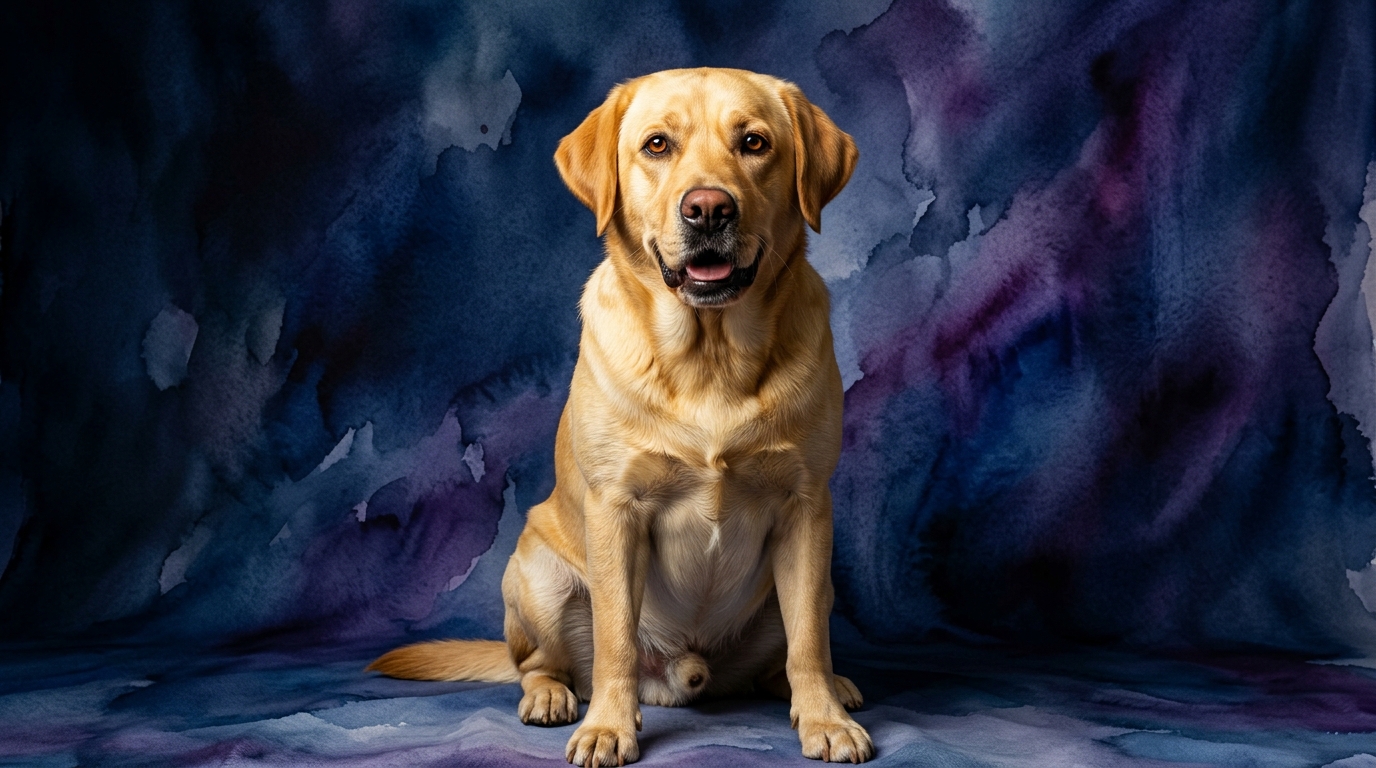
The Labrador Retriever, ranked #7 by Coren, demonstrates a remarkable cognitive profile tailored for active partnership. Their Problem Solving is rated 4/5, reflecting an adeptness at navigating novel situations, such as figuring out how to open a gate or retrieve a specific item from a complex environment. Training Speed scores a perfect 5/5, indicating an exceptional ability to grasp new commands and routines with minimal repetition, driven by a strong desire to cooperate. Social Intelligence, also 5/5, highlights their acute sensitivity to human cues, emotions, and intentions, making them outstanding companions and service animals. An Instinctive Drive of 4/5 underscores their powerful natural inclination for retrieving, swimming, and working alongside people, a legacy of their sporting heritage. Finally, their Memory, at 4/5, allows them to recall intricate command sequences, locations, and past experiences over extended periods, crucial for complex tasks.
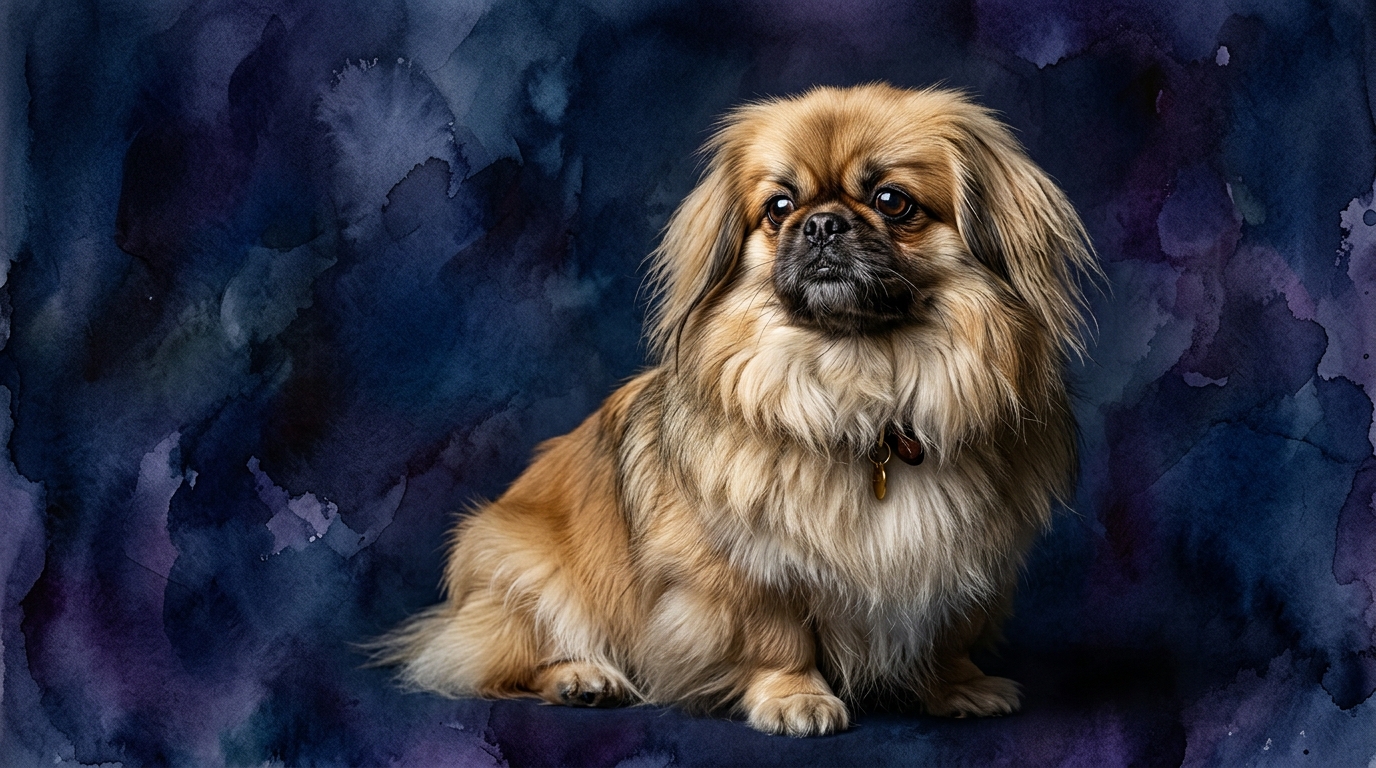
In contrast, the Pekingese, with a Coren rank of #77, exhibits a cognitive makeup oriented towards companionship and independent comfort. Their Problem Solving is rated 3/5; while they can navigate basic challenges, their approach is often less direct or persistent, sometimes preferring to enlist human help or solve problems related to personal comfort. Training Speed is 3/5, meaning they require more patience and repetition to learn new commands, often displaying a more independent streak than breeds eager to please. Social Intelligence, also 3/5, indicates a deep, though selective, bond with their immediate family, sometimes appearing less overtly expressive or universally attuned to subtle human social signals beyond their inner circle. An Instinctive Drive of 3/5 reflects their historical role as imperial companions, focusing on guarding their immediate space and demanding affection rather than tasks like retrieving. Their Memory, at 3/5, is sufficient for daily routines and remembering preferred humans or comfort spots, but less geared towards recalling vast repertoires of complex tasks.
Where the Labrador Retriever Excels Cognitively
The Labrador Retriever’s cognitive strengths shine particularly in areas demanding active engagement and complex interaction. Their superior Problem Solving (4/5) allows them to master multi-step tasks, like navigating elaborate agility courses or figuring out how to access a secured treat, demonstrating a practical, goal-oriented intellect. The perfect 5/5 Training Speed means they absorb new information with remarkable efficiency, often mastering a command in just a few repetitions, which is invaluable for roles from assistance work to competitive obedience. Their peak Social Intelligence (5/5) translates into an uncanny ability to interpret nuanced human body language and emotional states, enabling them to anticipate needs and respond with empathy, a trait critical for therapeutic and service applications. Furthermore, their strong Instinctive Drive (4/5) ensures sustained focus and enthusiasm for activities like retrieving, scent detection, or water work, making them tireless partners in purposeful activities. This comprehensive suite of cognitive abilities makes them exceptionally adaptable and eager learners in structured environments.
Where the Pekingese Demonstrates Unique Cognitive Strengths
While their cognitive profile differs significantly from the Labrador, the Pekingese possesses distinct strengths that cater to their unique lifestyle and purpose. Their Problem Solving (3/5), though not for intricate tasks, excels in optimizing their comfort and well-being, such as strategically finding the warmest sunbeam or the most comfortable lap, showcasing a self-serving yet effective form of practical intelligence. The Pekingese's Social Intelligence (3/5), while not broadly expressed, is intensely focused on their chosen few, allowing them to form profound, devoted bonds within their immediate family. They are acutely aware of their preferred human's presence and needs for companionship, often communicating their desires with subtle but clear cues. Their Instinctive Drive (3/5) is channeled into being vigilant guardians of their personal space and their human, often displaying a surprisingly bold and unwavering dedication to their home environment. This breed’s memory (3/5) is excellent for retaining routines, identifying trusted individuals, and remembering comfort zones, ensuring a predictable and secure daily life. These traits combine to create a deeply loyal and discerning companion, whose cognitive strengths are perfectly aligned with their role as a cherished family member.
Training Aptitude: Labrador Retriever vs. Pekingese
Without question, the Labrador Retriever is significantly easier to train than the Pekingese, a distinction rooted in their fundamental behavioral differences and cognitive predispositions. The Labrador’s 5/5 Training Speed is a direct reflection of their inherent biddability, strong desire to please, and high social intelligence. They are eager participants in the learning process, quickly forming associations between commands and actions, and are often intrinsically motivated by praise and the opportunity to work alongside their human. Their strong instinctive drives also make them receptive to task-oriented training. In stark contrast, the Pekingese, with a 3/5 Training Speed, often approaches training with a more independent and discerning attitude. They may view commands as suggestions rather than directives, requiring far more patience, repetition, and creative motivation, often through high-value treats or play. Their cognitive focus is less on broad compliance and more on personal comfort and preferences. This difference means a Labrador will typically master complex commands in a fraction of the time and with greater enthusiasm than a Pekingese, whose independent streak demands a different, often more gentle and persistent, training approach.
Matching Cognitive Needs to Owner Lifestyles
The choice between a Labrador Retriever and a Pekingese largely hinges on an owner's lifestyle and their capacity for providing specific forms of engagement. The Labrador Retriever is an ideal match for active owners who relish outdoor adventures, structured training, and consistent physical and mental stimulation. Their high instinctive drive and problem-solving aptitude mean they thrive in environments where they can engage in activities like hiking, swimming, retrieving games, or dog sports. They require significant daily exercise and intellectual challenges to prevent boredom and channel their energy constructively. Conversely, the Pekingese is perfectly suited for more relaxed owners who appreciate a devoted indoor companion. While they enjoy short, leisurely strolls, their exercise needs are minimal, and they are content with a life centered around companionship, napping, and gentle interaction. Their independent yet loyal nature makes them excellent partners for those seeking a less demanding, yet deeply affectionate, presence in their home.
The Verdict
Choose a Labrador Retriever if you seek an exceptionally trainable, socially engaged companion eager for active participation in complex tasks, outdoor adventures, or service roles.
Opt for a Pekingese if you desire a devoted, independent companion thriving in a relaxed, indoor lifestyle, appreciating a dog whose unique personality and loyalty are focused on their immediate family.
🧠 Find Your Pet's IQ Score
Our Pet IQ Lab assessment covers 25+ tests across 5 cognitive dimensions — personalized to your breed.
Take the Full IQ Test →Frequently Asked Questions
Are Pekingese inherently difficult to train, or do they just learn differently?
Pekingese aren't necessarily 'difficult' in a negative sense, but their training speed (3/5) is slower than many breeds, and they possess a more independent nature. They often require more patience, repetition, and highly motivating rewards, as their compliance is less about pleasing and more about personal benefit or routine.
How much mental stimulation does a Labrador Retriever truly need?
Labrador Retrievers, with their high problem-solving (4/5) and social intelligence (5/5), thrive on significant mental stimulation beyond just physical exercise. They benefit immensely from puzzle toys, learning new tricks, obedience training, and engaging in activities that challenge their minds, preventing boredom and channeling their cognitive energy constructively.
What are the key differences in their social intelligence and bonding?
Labradors (5/5 social intelligence) are broadly empathetic and attuned to a wide range of human emotions and cues, forming strong bonds with many people and thriving in social situations. Pekingese (3/5 social intelligence) exhibit a more selective, yet profound, social connection, often forming an intense bond with one or two primary caregivers and being more reserved with strangers, valuing deep, intimate family connections.