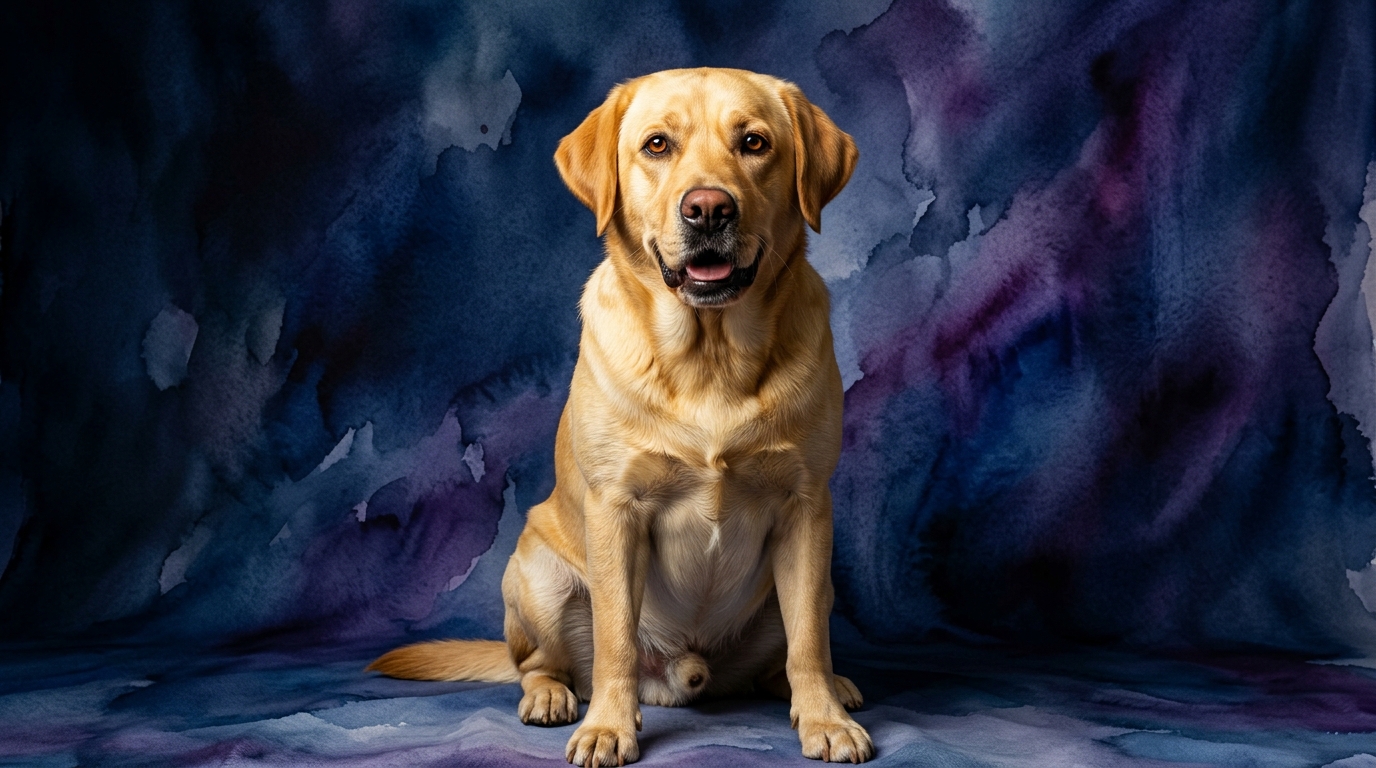

Side-by-Side IQ Profile: Labrador Retriever
The Labrador Retriever, a consistent presence in homes and working fields, registers a remarkable Coren ranking of #7, reflecting its general aptitude for working and obedience. The Cosmic Pet Pet IQ Lab further dissects this with specific scores: a Problem Solving ability of 4/5, indicating a strong capacity for navigating new challenges and adapting to varied situations. Their Training Speed is an exceptional 5/5, suggesting rapid acquisition of new commands and routines, making them highly responsive learners.
Their Social Intelligence also scores an impressive 5/5, highlighting an innate sensitivity to human emotions and cues, fostering deep companionship and cooperative partnerships. An Instinctive Drive of 4/5 means they possess a strong, purposeful drive, particularly for retrieving, which is readily channeled into productive tasks. Finally, their Memory at 4/5 ensures excellent retention of learned behaviors and experiences, contributing to their reliability and consistency over time.
Side-by-Side IQ Profile: Pointer
The Pointer, while not included in Coren's specific ranking, demonstrates a distinct cognitive makeup as assessed by The Cosmic Pet Pet IQ Lab. Across the board, Pointers generally score 3/5 in all five cognitive dimensions: Problem Solving, Training Speed, Social Intelligence, Instinctive Drive, and Memory. This consistent scoring indicates a competent and capable intellect, though one that operates with a different emphasis compared to the Labrador.
Their Problem Solving at 3/5 suggests they are capable of learning and adapting, but might prefer established patterns or require more guidance in novel situations. A Training Speed of 3/5 means they are trainable, but often require more repetition and patience than a higher-scoring breed. Similarly, a Social Intelligence of 3/5 indicates they form bonds and understand basic human interactions, but may not exhibit the same intuitive social awareness or eagerness to please as a Labrador. Their Instinctive Drive at 3/5 is deeply rooted in their specialized hunting heritage, focusing intensely on scent and game location, while their Memory at 3/5 allows for the retention of essential commands and routines.
Where Labrador Retriever Wins Cognitively
The Labrador Retriever's cognitive profile showcases clear strengths, particularly in areas that facilitate close human partnership and versatile roles. Their 5/5 Training Speed is a standout, meaning they absorb new commands and complex sequences with remarkable alacrity. This rapid learning curve makes them exceptionally amenable to advanced obedience, intricate service dog tasks, or competitive canine sports, often requiring fewer repetitions and responding quickly to subtle handler cues.
Furthermore, the Labrador’s 5/5 Social Intelligence provides a profound advantage in domestic and working environments. This superior ability to interpret human body language, vocal inflections, and emotional states allows them to integrate seamlessly into family dynamics, anticipate needs, and offer comfort, making them exemplary therapy or assistance animals. Their 4/5 Problem Solving skill further complements this, enabling them to adapt swiftly to changing environments or novel situations, such as navigating new routes or figuring out how to retrieve an item from a tricky spot, demonstrating an adaptable and resourceful mind.
Where Pointer Wins Cognitively
While the Pointer's scores are consistently 3/5, their cognitive strengths lie in a specialized application of these abilities, particularly in their original purpose. Their 3/5 Instinctive Drive, though numerically lower than a Lab's, manifests as an intense, unwavering focus on scent work and game location. This isn't a general drive; it's a highly refined, specialized form of intelligence that allows them to concentrate singularly on a task for extended periods, making them peerless in the field for pointing game. This specialized focus often means they are less distracted by general environmental stimuli when engaged in their core work.
Moreover, the Pointer's moderate Problem Solving (3/5) and Social Intelligence (3/5) can be advantageous in specific contexts. Unlike a Lab, whose higher problem-solving might lead to creative mischief if under-stimulated, a Pointer's more direct cognitive approach means they are less likely to "overthink" or invent complex ways to get into trouble. Their social intelligence, while not overtly eager-to-please, fosters a more independent and direct working relationship, where the bond is built on mutual respect for the task rather than constant affirmation. This independence, when channeled correctly, allows them to operate effectively without constant human direction in the field.
Which is Easier to Train and Why
When evaluating ease of training, the Labrador Retriever distinctly holds the advantage due to their superior cognitive scores in key areas. Their 5/5 Training Speed means they are exceptionally quick to form associations between commands and actions, absorbing new lessons with remarkable efficiency. This is further amplified by their 5/5 Social Intelligence, which translates to a deep desire to cooperate and please their human companions. Labs are highly motivated by positive reinforcement and are acutely attuned to their handler's intentions, making the training process a collaborative and often joyful experience. Their 4/5 Memory ensures that once a lesson is learned, it's retained for consistent performance.
In contrast, the Pointer's 3/5 Training Speed signifies that they require more patience, repetition, and consistent methods. Their 3/5 Social Intelligence means they might not be as overtly motivated by human approval alone, often requiring a stronger emphasis on intrinsic rewards, such as the thrill of the chase or finding a scent. Pointers possess an independent streak, a cognitive trait that, while valuable in the field, can make basic obedience challenging for novice trainers. Their strong prey drive and tendency to follow their nose can easily override a command if not managed with a firm, consistent, and understanding hand. Training a Pointer often demands a deeper commitment and a more nuanced approach to tap into their specific motivations.
Which Suits Active Owners vs Relaxed Owners
Both Labrador Retrievers and Pointers are sporting breeds and inherently require significant physical activity, making neither truly suited for genuinely "relaxed" or sedentary owners. However, their cognitive profiles dictate how they prefer to engage in that activity. The Labrador Retriever, with its 5/5 Social Intelligence and 4/5 Instinctive Drive, thrives on shared activities and purposeful work alongside its human. They are ideal for active owners who enjoy long hikes, swimming, fetch, or participating in dog sports as a team. Their desire to please and high trainability make them adaptable companions for various active lifestyles, from running partners to family adventurers.
The Pointer, while equally needing vigorous exercise, often prefers activities that engage its specialized 3/5 Instinctive Drive for independent exploration and scent work. Active owners who appreciate long, off-leash runs in open fields where the dog can follow its nose, or those involved in hunting, will find a Pointer's needs align well. Their moderate Social Intelligence (3/5) means they might be less interested in constant human interaction during exercise, preferring to focus on their environment. For owners seeking a more independent partner in their outdoor pursuits, one that requires less direct "play" and more self-directed "work," the Pointer's cognitive makeup is a better fit. Owners who cannot provide this specific outlet might find a Pointer restless or challenging.
The Verdict
For families seeking a highly adaptable, socially astute, and rapidly trainable companion who excels in diverse roles from service work to family pet, eager to please and integrate seamlessly into a dynamic household, the Labrador Retriever is an excellent choice.
For experienced owners or hunters who appreciate an independent, focused working dog with an intense drive for field work, willing to dedicate time to consistent, specialized training tailored to their distinct motivations and need for expansive outdoor activity, the Pointer is ideally suited.
🧠 Find Your Pet's IQ Score
Our Pet IQ Lab assessment covers 25+ tests across 5 cognitive dimensions — personalized to your breed.
Take the Full IQ Test →Frequently Asked Questions
Does Coren ranking relate to The Cosmic Pet IQ scores?
Coren's ranking primarily assesses "working and obedience intelligence," heavily weighing trainability and compliance. The Cosmic Pet IQ Lab breaks intelligence into five distinct dimensions, offering a more granular and comprehensive view that complements, rather than replaces, Coren's broader assessment by detailing specific cognitive strengths.
Can a Pointer be trained as easily as a Labrador Retriever?
While Pointers are certainly trainable, their "Training Speed" score of 3/5 compared to a Labrador's 5/5 indicates they typically require more repetitions, patience, and a nuanced understanding of their independent motivations. They may not respond to the same general training methods as readily as a Labrador, often needing specialized approaches.
Which breed is better with children based on their IQ profiles?
The Labrador Retriever's "Social Intelligence" score of 5/5 suggests a greater innate ability to understand and adapt to social cues, making them generally more intuitive and patient with children and family dynamics. While Pointers can be good family dogs, their 3/5 social intelligence means they might require more supervision and structured interaction in a busy household with young children, as they are less inherently attuned to subtle social nuances.