Side-by-Side IQ Profile: Labrador Retriever vs. Pug
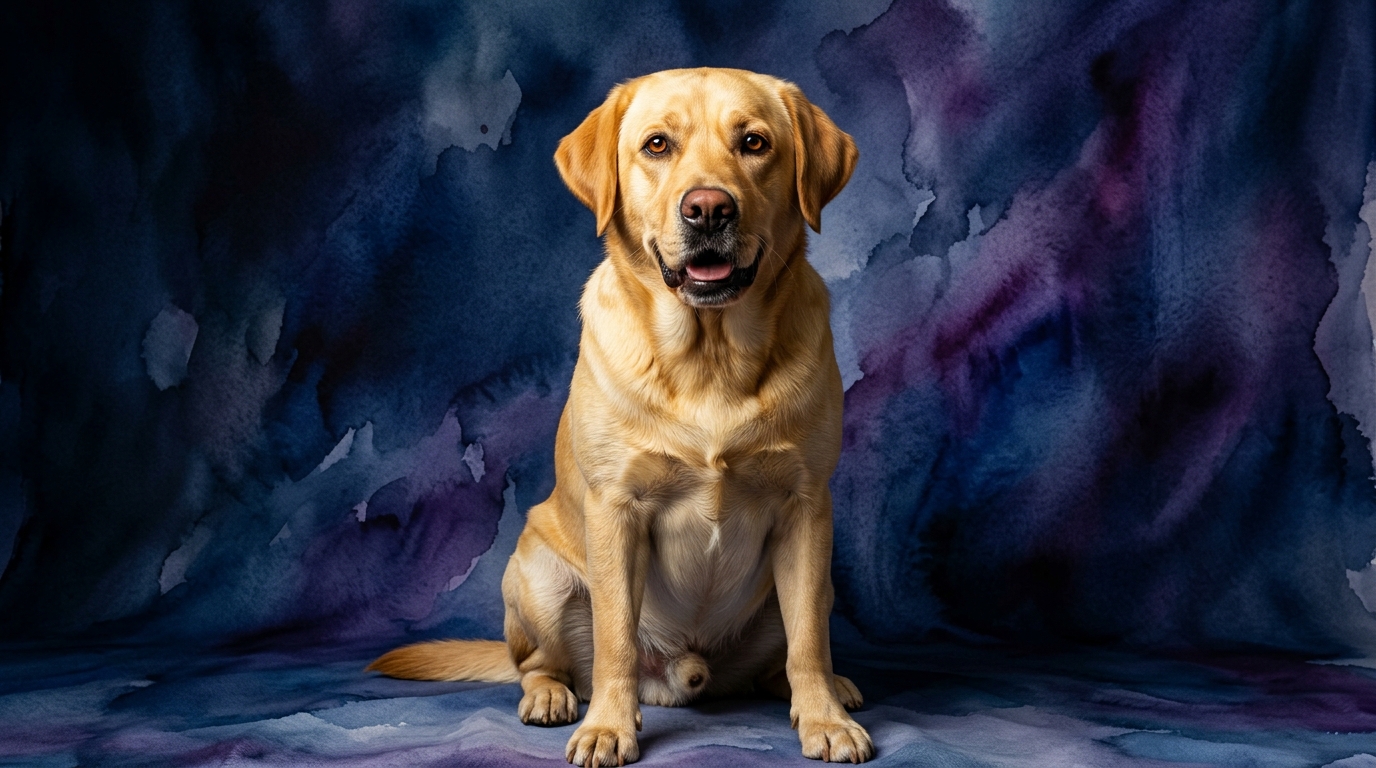
The Cosmic Pet Pet IQ Lab provides a unique lens through which to examine the cognitive landscapes of different dog breeds, breaking down intelligence into five core dimensions. The Labrador Retriever, with a Coren rank of #7, demonstrates a profile geared towards active engagement and complex tasks. Their Problem Solving score of 4/5 indicates a capacity for understanding and navigating intricate situations, often showing initiative in novel environments. A perfect 5/5 in Training Speed underscores their remarkable aptitude for quickly grasping and executing new commands, making them highly responsive learners. Their Social Intelligence also shines at 5/5, reflecting an exceptional ability to read human emotions and intentions, fostering deep, communicative bonds. Instinctive Drive, rated 4/5, highlights their inherent inclination towards working roles, particularly retrieving and scent work. Finally, a Memory score of 4/5 allows them to retain a vast repertoire of learned behaviors and social cues over extended periods.
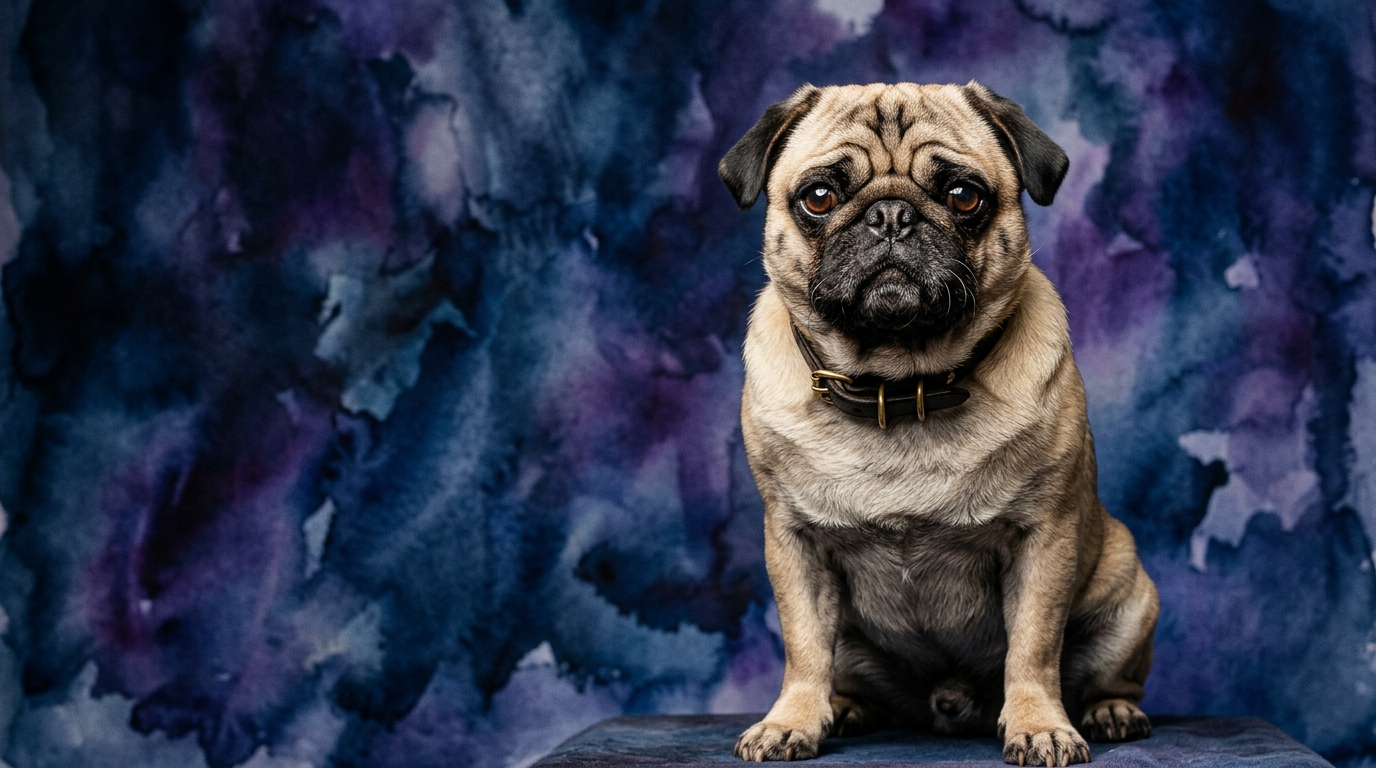
In contrast, the Pug, holding a Coren rank of #57, presents a cognitive profile optimized for companionship and social harmony. Their Problem Solving score of 2/5 suggests they are less inclined towards independent, complex problem-solving, preferring predictable routines and human guidance. A Training Speed of 2/5 indicates that while Pugs can certainly learn, they often require more patience, repetition, and creative motivation compared to their more work-oriented counterparts. However, their Social Intelligence mirrors the Labrador's at a perfect 5/5, showcasing an extraordinary sensitivity to human moods and a profound capacity for emotional connection. Their Instinctive Drive is rated 2/5, meaning they possess minimal inherent drive for traditional working tasks, prioritizing comfort and proximity to their human companions. A Memory score of 3/5 allows them to recall routines and basic commands, though perhaps less robustly for intricate sequences.
Where the Labrador Retriever Wins Cognitively
The Labrador Retriever’s cognitive strengths are evident in their remarkable capacity for applied intelligence and adaptability. Their superior Problem Solving (4/5) allows them to master intricate multi-step tasks, such as navigating obstacle courses or performing complex service dog duties like opening doors or retrieving specific medications. This isn't just about following orders; it's about understanding the objective and often devising the most efficient path to achieve it. Their unparalleled Training Speed (5/5) means they absorb new commands and modify behaviors with astounding efficiency, making them exceptionally versatile for diverse roles, from search and rescue to competitive obedience. Furthermore, their robust Instinctive Drive (4/5) is a cognitive asset, channeling their natural retrieving and scenting predispositions into focused, productive work. This drive, combined with their Memory (4/5), enables them to retain a vast database of scent profiles or learned routes, making them invaluable partners in fields requiring consistent, high-stakes performance over time.
Where the Pug Wins Cognitively
While the Labrador excels in task-oriented cognition, the Pug’s preeminent cognitive strength lies in their profound Social Intelligence (5/5). This isn't merely about friendliness; it's a sophisticated ability to read and respond to human emotional states with remarkable accuracy. Pugs are masters of empathy, often sensing when their owner is distressed or joyful and adjusting their behavior accordingly, whether by offering a comforting nudge or initiating playful antics. This nuanced understanding of human social cues allows them to forge exceptionally deep and intuitive bonds. Their cognitive energy is primarily dedicated to observing and interacting with their human family, making them incredibly attuned companions. They might not solve complex puzzles, but they excel at the complex social dance of human-animal partnership, providing unparalleled emotional support and companionship through their perceptive and responsive nature.
Which is Easier to Train and Why
When it comes to ease of training, the Labrador Retriever generally presents a more straightforward experience due to their specific cognitive profile. Their 5/5 Training Speed means they quickly associate commands with actions and rewards, often requiring fewer repetitions to solidify a new behavior. This is bolstered by their 4/5 Problem Solving ability, which helps them interpret and understand the intent behind a command, rather than just rote memorization. Labradors also possess a strong innate desire to please their handlers and a robust work ethic, making them highly motivated by praise, treats, and the opportunity to engage in a task. Their excellent Memory (4/5) ensures that once a behavior is learned, it is retained consistently over time, leading to reliable performance.
The Pug, with a Training Speed of 2/5, often requires a different approach. While capable of learning, they can be more easily distracted and may display a characteristic stubborn streak, preferring to do things on their own terms. Their lower Instinctive Drive (2/5) means they aren't inherently driven by the same 'work' ethic as a Labrador, and traditional obedience might feel less inherently rewarding to them. Training a Pug often necessitates shorter, more engaging sessions, focusing on positive reinforcement and making the process feel like a fun game or a social interaction. Their high Social Intelligence (5/5) can be leveraged here; they respond well to training that strengthens their bond with their owner and offers plenty of affectionate praise, rather than just food rewards or strict command drills. Patience and creativity are paramount when guiding a Pug through their learning journey.
Which Suits Active Owners vs. Relaxed Owners
The distinct cognitive profiles of the Labrador Retriever and the Pug naturally align with different owner lifestyles. The Labrador, with its high Problem Solving (4/5), Training Speed (5/5), and Instinctive Drive (4/5), thrives with active owners who can provide ample mental stimulation alongside physical exercise. They are ideal for individuals or families who enjoy outdoor adventures, participate in dog sports like agility or dock diving, or seek a partner for service work or hunting. Their cognitive energy demands outlets; without sufficient engagement, a Labrador might channel their intellect into less desirable behaviors like chewing or excessive digging. They require owners who are prepared to consistently challenge their minds and bodies.
Conversely, the Pug, with its lower Problem Solving (2/5), Training Speed (2/5), and Instinctive Drive (2/5), but exceptional Social Intelligence (5/5), is perfectly suited for more relaxed owners. They are content with shorter, leisurely walks, indoor play, and, most importantly, extensive cuddle time on the sofa. Their primary cognitive need is social interaction and companionship, thriving in environments where they are central to family life and receive consistent affection. Pugs do not require complex tasks or vigorous exercise to be fulfilled; their contentment stems from being close to their people, making them excellent companions for apartment dwellers, seniors, or anyone seeking a devoted, low-key canine friend.
The Verdict
If you seek a highly trainable, versatile partner eager for mental challenges and physical activity, capable of excelling in complex tasks, sports, or working roles, and you are prepared to provide consistent engagement, choose a Labrador Retriever.
If you desire a deeply social, empathetic companion who thrives on close human interaction, requires less strenuous activity, and offers profound emotional connection and charming, low-key companionship, choose a Pug.
🧠 Find Your Pet's IQ Score
Our Pet IQ Lab assessment covers 25+ tests across 5 cognitive dimensions — personalized to your breed.
Take the Full IQ Test →Frequently Asked Questions
Are Pugs truly less intelligent than Labradors?
It's more accurate to say Pugs possess a different type of intelligence. While Labradors excel in problem-solving and task-oriented learning, Pugs demonstrate exceptional social and emotional intelligence, making them highly perceptive companions. Their cognitive strengths lie in different domains.
Can a Pug be trained for complex tasks?
Pugs can certainly learn basic commands and some tricks, but they generally struggle with highly complex, multi-step tasks due to their lower problem-solving and training speed scores. Training needs to be patient, fun, and highly rewarding, focusing on their desire for social interaction rather than strict obedience.
How does Coren's ranking relate to a dog's overall intelligence?
Stanley Coren's rankings, including the #7 for Labrador and #57 for Pug, primarily measure "working and obedience intelligence," focusing on trainability and command comprehension. These rankings offer valuable insight into a dog's aptitude for structured learning but do not encompass the full spectrum of canine cognition, such as social intelligence or adaptability.