Side-by-Side IQ Profile: Labrador Retriever vs. Pumi
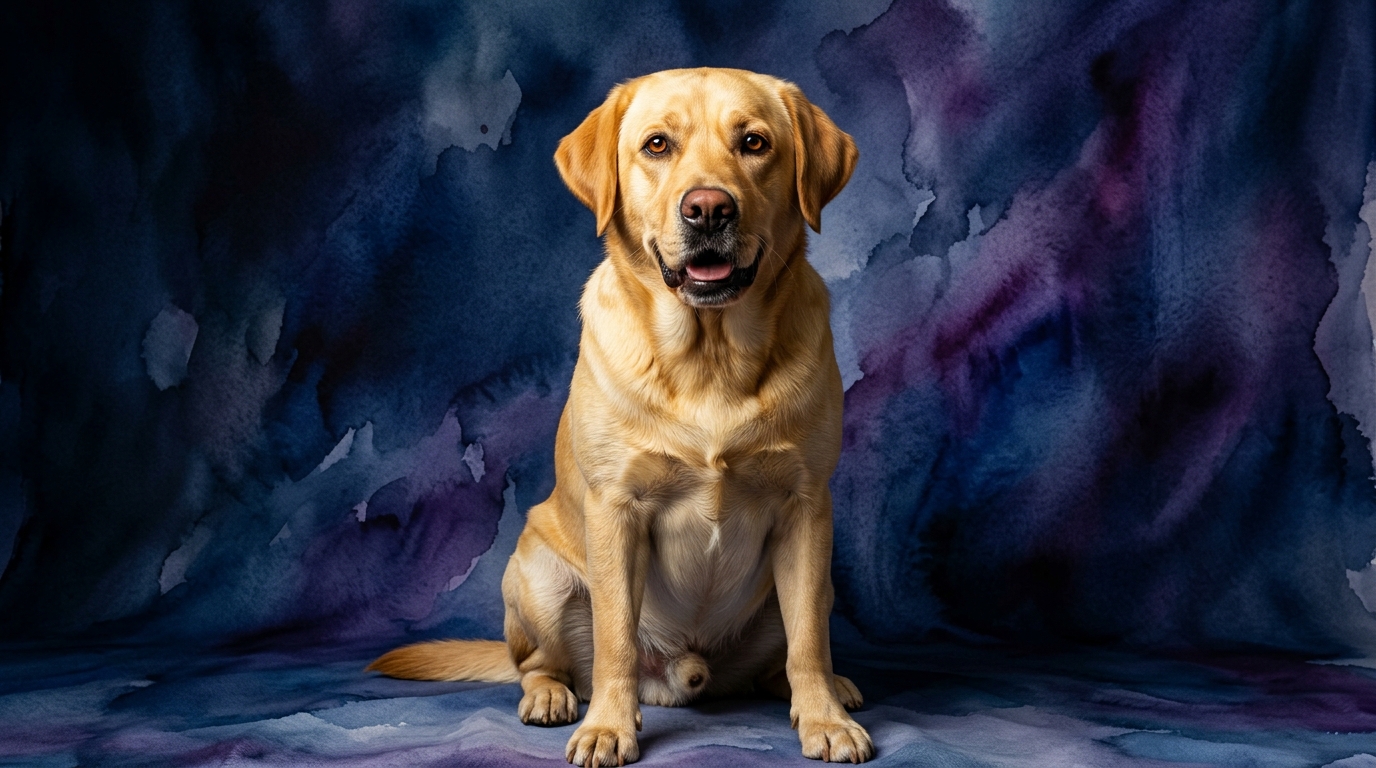
The Cosmic Pet Pet IQ Lab provides a structured framework to assess canine cognitive abilities across five key dimensions. For the **Labrador Retriever**, a prominent Sporting group member, its profile reflects its renowned working aptitude. Problem Solving scores 4/5, indicating a strong capacity to figure out complex tasks, such as manipulating latches or navigating intricate search patterns. Its Training Speed is an impressive 5/5, meaning it picks up new commands and routines with remarkable rapidity, often requiring minimal repetitions. Social Intelligence also scores 5/5, showcasing an exceptional ability to read human cues, understand intentions, and adapt behavior in varied social settings. Instinctive Drive, at 4/5, highlights a pronounced desire for retrieving, water work, and companionship, guiding its motivation. Finally, Memory scores 4/5, demonstrating excellent recall for learned commands, routines, and locations, even after extended periods.
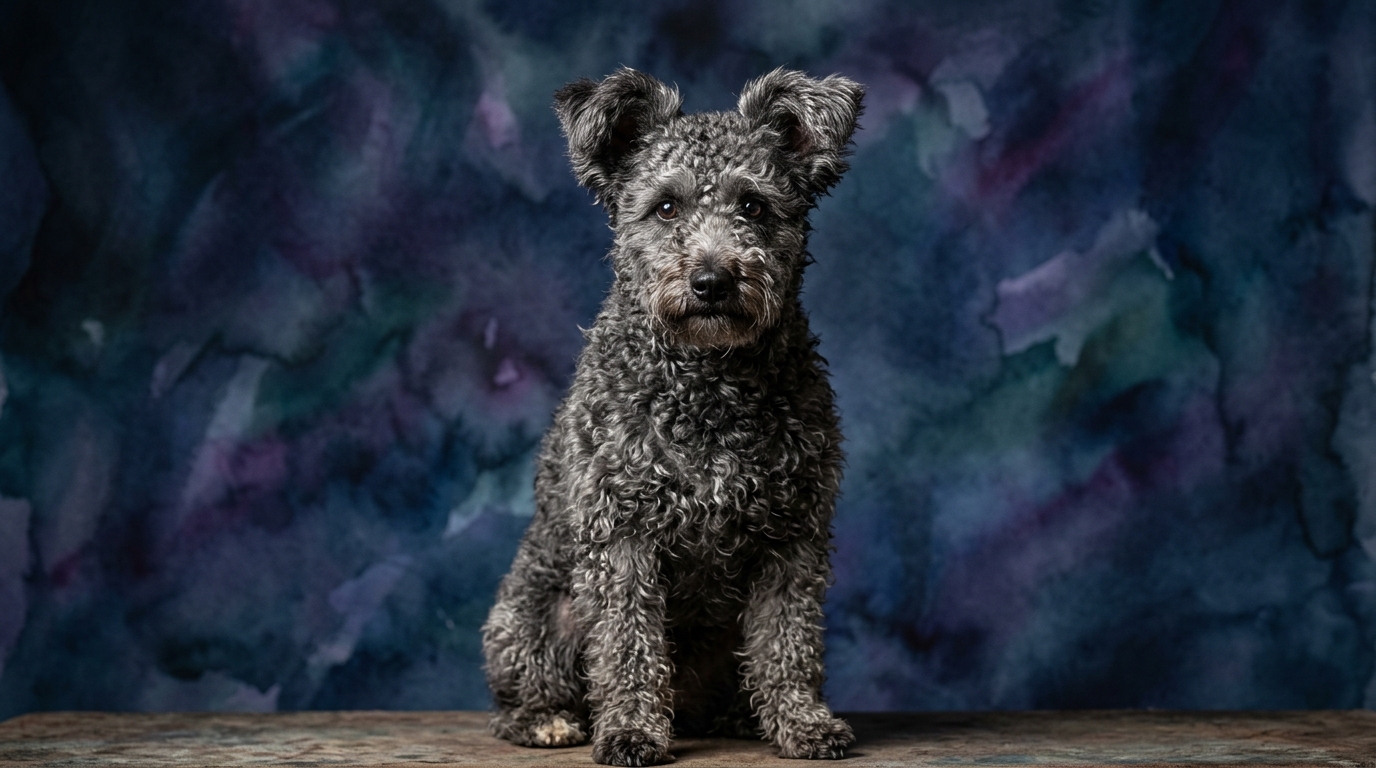
In contrast, the **Pumi**, a vibrant Herding breed from Hungary, presents a distinct cognitive blueprint. Its Problem Solving is rated 3/5, suggesting it is capable of addressing practical challenges, particularly those related to its herding duties, but may not consistently seek out novel or abstract puzzles with the same enthusiasm as a Lab. Training Speed is 3/5, meaning it learns new tasks at a moderate pace, requiring consistent and engaging methods to maintain focus and progress. Social Intelligence scores 3/5; while deeply attuned to its immediate family and "flock," it can be more reserved or discerning in new social situations, often preferring familiar interactions. Instinctive Drive, also 3/5, is characterized by a strong, focused herding instinct, especially for small livestock, manifesting as quick bursts of energy and precise movements. Memory, at 3/5, indicates adequate retention of information and learned behaviors, particularly those essential for its working roles, though perhaps not with the broad scope observed in a Labrador Retriever.
Where the Labrador Retriever Excels Cognitively
The Labrador Retriever's higher scores across multiple cognitive dimensions translate into specific advantages. Its superior Training Speed (5/5) makes it exceptionally versatile for diverse learning environments. Labs rapidly associate commands with actions, allowing them to excel in roles from complex service dog tasks to competitive obedience. This rapid acquisition of new information minimizes training time and maximizes their potential in various fields, making them highly adaptable to new protocols and environments.
Furthermore, their Problem Solving (4/5) extends beyond simple puzzles; it involves a remarkable ability to adapt to novel situations. A Lab might independently figure out how to open a child-proof gate or devise a strategy to retrieve an object from a difficult location, often demonstrating cognitive flexibility and ingenuity without constant human intervention. This capacity for independent thought in practical scenarios is a significant cognitive asset.
The Labrador's exceptional Social Intelligence (5/5) is another area of clear distinction. This isn't merely about reading basic human cues; it encompasses an innate desire to cooperate and please, making them remarkably responsive to handler feedback and capable of forming deep, empathetic connections. This advanced social acumen facilitates nuanced communication and partnership, allowing Labs to anticipate needs and react appropriately to subtle shifts in human mood or direction, fostering harmonious interactions in varied social contexts.
Lastly, their strong Memory (4/5) ensures that advanced skills, long command sequences, and complex routes are retained reliably, even with breaks in practice. This consistency is critical in working roles like search and rescue or guide dog work, where precision and recall over extended periods are paramount, allowing them to perform multi-stage tasks with dependable accuracy.
Where the Pumi Shows Unique Cognitive Strengths
While the Pumi's overall scores might appear lower, its cognitive strengths are highly specialized and effective within its intended purpose. Its Problem Solving, rated 3/5, truly shines in dynamic, real-time herding scenarios. A Pumi will instinctively assess the movement of a flock, anticipate shifts, and execute precise, agile maneuvers to guide them without explicit commands. This isn't about solving abstract puzzles but about rapid, on-the-spot decision-making and environmental awareness under pressure, a highly specialized cognitive strength that allows for exceptional performance in its niche.
The Pumi's Instinctive Drive (3/5), though numerically lower, represents a profound depth and intensity in its specific application. This is a dog with a powerful, focused 'go-get-'em' attitude, a robust cognitive engine for its specific tasks. This drive leads to relentless focus and energy when engaged in work, making them exceptionally tenacious. For owners seeking a dog with a clear, directed purpose and an unwavering commitment to its 'job,' this intense drive is a significant cognitive win, translating into a powerful work ethic.
Its Social Intelligence (3/5) also presents a unique strength: discernment and fierce loyalty. Pumis form incredibly strong, almost exclusive bonds with their core family, acting as vigilant and devoted guardians of their 'flock.' This isn't a deficiency; it reflects a cognitive preference for a tightly-knit social group, making them intensely devoted to their own and potentially more protective. This focused social acumen means they are less distracted by external stimuli when working with their trusted handler, ensuring a deep and concentrated partnership within their chosen circle.
Which Is Easier to Train and Why
When it comes to ease of training, the Labrador Retriever holds a clear advantage. Its Training Speed of 5/5 is a testament to its intrinsic motivation to work with humans and its high cognitive processing speed for new information. Labs exhibit an eagerness to please and rapidly grasp new commands, often requiring fewer repetitions and responding quickly to positive reinforcement. This makes the training process highly efficient and mutually reinforcing for both dog and owner, allowing them to excel in diverse canine sports, service roles, and general obedience with relative ease. Their Problem Solving (4/5) further assists, as they can often generalize learned behaviors to new situations and even creatively work through training challenges with minimal guidance.
The Pumi, with a Training Speed of 3/5, requires a more consistent, engaging, and patient approach. While capable learners, they may not exhibit the same immediate enthusiasm or rapid uptake of new commands as a Lab. Their Problem Solving (3/5) is more geared towards practical, dynamic situations related to herding, meaning they might not be as quick to solve abstract obedience puzzles. Pumis learn best by doing and by seeing the immediate utility of a task. Training benefits from short, fun sessions that leverage their natural agility and herding drive, rather than rote repetition. Their independent herding nature means they might sometimes question commands rather than immediately comply, necessitating a patient, consistent leader who understands their unique working dog mentality.
Suitability for Active vs. Relaxed Owners
The cognitive profiles of these two breeds offer distinct fits for different owner lifestyles. For active owners seeking a highly engaged and versatile companion, the Labrador Retriever is an excellent match. Their high Instinctive Drive (4/5) for retrieving and activity, combined with their superior Training Speed (5/5) and Problem Solving (4/5), means they thrive on consistent mental and physical challenges. Labs excel in activities like dock diving, obedience, agility, and scent work, genuinely enjoying joint activities and collaboration with their human partners. An owner who can dedicate time to structured play, training, and long outdoor adventures will find a willing and capable partner in a Lab.
Conversely, a more relaxed owner looking for a dog that integrates easily into a less demanding routine might find the Labrador's adaptable Social Intelligence (5/5) and generally calmer demeanor indoors more suitable, provided their exercise needs are still met with daily walks and interactive play. While adaptable, Labs still require substantial physical and mental engagement to prevent boredom and channel their considerable energy constructively.
The Pumi, even with its numerically lower scores, possesses a high-energy mental state and focused Instinctive Drive (3/5) that necessitates significant mental and physical engagement. A Pumi without sufficient stimulation can become bored and potentially channel its Problem Solving (3/5) into less desirable behaviors. Active owners who are prepared for a dog that needs a consistent 'job' – whether that's herding, agility, flyball, or extensive puzzle play – will find the Pumi's quick-witted energy and focused determination rewarding. A relaxed owner might struggle with the Pumi's inherent need for purposeful activity, as their independent streak, rooted in their herding problem-solving, means they are not typically content just lounging all day without prior exertion.
The Verdict
Choose a Labrador Retriever if you seek a highly adaptable, socially intelligent companion eager to learn diverse tasks and integrate seamlessly into a wide range of family dynamics and activities.
Opt for a Pumi if you are an experienced, active owner who appreciates a dog with a focused, independent herding drive and is prepared to channel its quick-witted energy into specific, engaging work or sports.
🧠 Find Your Pet's IQ Score
Our Pet IQ Lab assessment covers 25+ tests across 5 cognitive dimensions — personalized to your breed.
Take the Full IQ Test →Frequently Asked Questions
Is the Pumi difficult to train because its training speed is lower?
Not necessarily difficult, but different. The Pumi requires more consistent, engaging, and varied training methods to maintain its interest, as its learning speed is moderate compared to the Labrador's exceptional pace. Patience, creativity, and understanding its herding instincts are key to unlocking its full potential.
How does a Labrador Retriever's social intelligence impact its role as a family pet?
A Labrador's high social intelligence (5/5) means it excels at understanding human emotions and intentions, making it remarkably adaptable and empathetic within a family setting. They often intuitively know how to interact with different family members, fostering harmonious relationships and responding well to subtle cues, which makes them excellent companions.
Do Pumis need to herd livestock to be mentally stimulated?
While their instinctive drive is rooted in herding, Pumis do not strictly require livestock. Their mental stimulation can be effectively met through canine sports like agility, flyball, or obedience, which tap into their quick problem-solving, agility, and focused energy. Consistent training, interactive play, and puzzle toys are crucial substitutes for their natural herding work.