Side-by-Side Cognitive Profiles: A Deeper Look
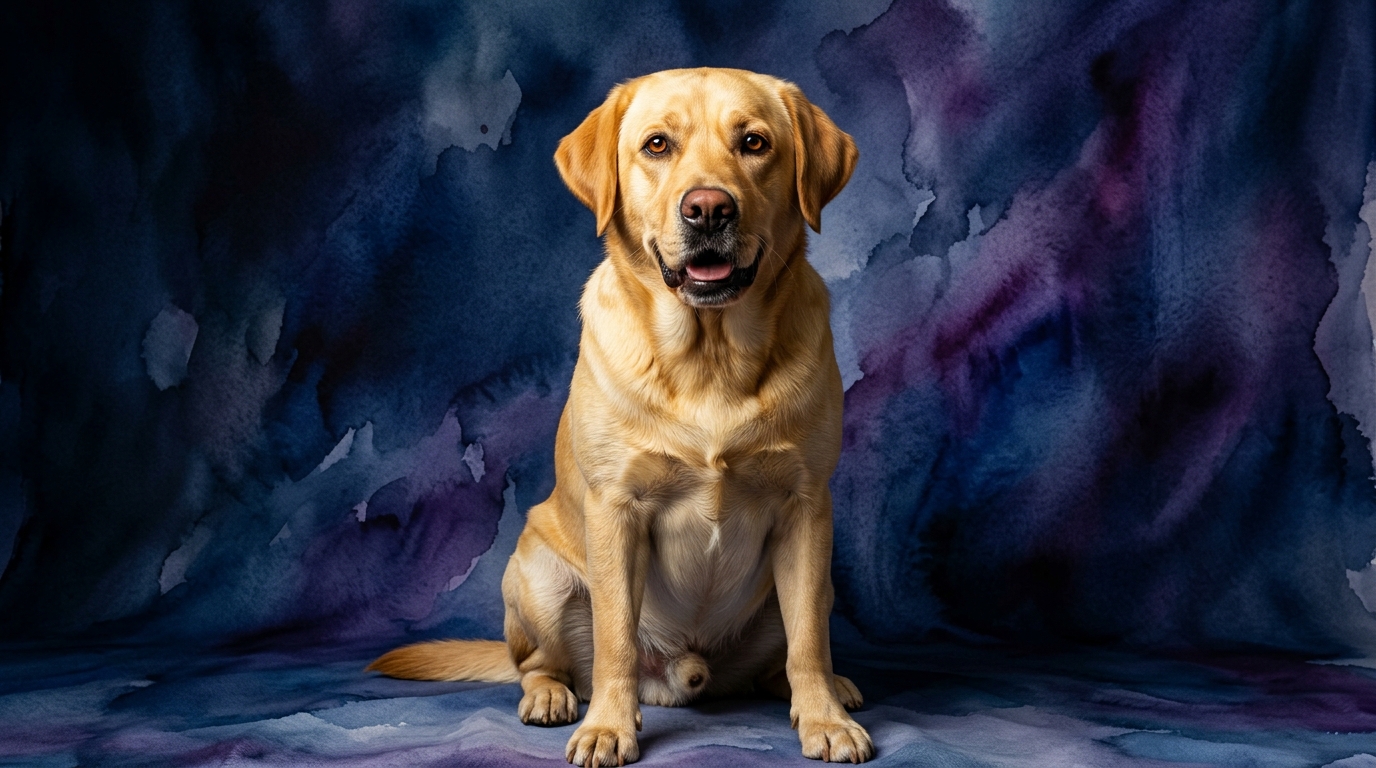
The Cosmic Pet Pet IQ Lab employs a multi-faceted approach to assess canine intelligence, moving beyond simple obedience to evaluate five crucial dimensions. For the Labrador Retriever, a breed often associated with versatility and partnership, its profile reflects a highly adaptable and eager learner. Its Problem Solving is rated 4/5, indicating a strong capacity to navigate novel situations and figure out solutions independently or through observation. Training Speed scores a perfect 5/5, suggesting a rapid grasp of new commands and routines, often requiring fewer repetitions than many other breeds. Social Intelligence also stands at 5/5, highlighting an exceptional ability to interpret human cues, understand social hierarchies, and adapt its behavior to fit various social contexts. Instinctive Drive, rated 4/5, points to a strong, yet manageable, innate desire for retrieving, scent work, and activity, often channeled productively. Finally, its Memory at 4/5 indicates a robust capacity to retain learned behaviors, routes, and experiences over time, contributing to its reliability.
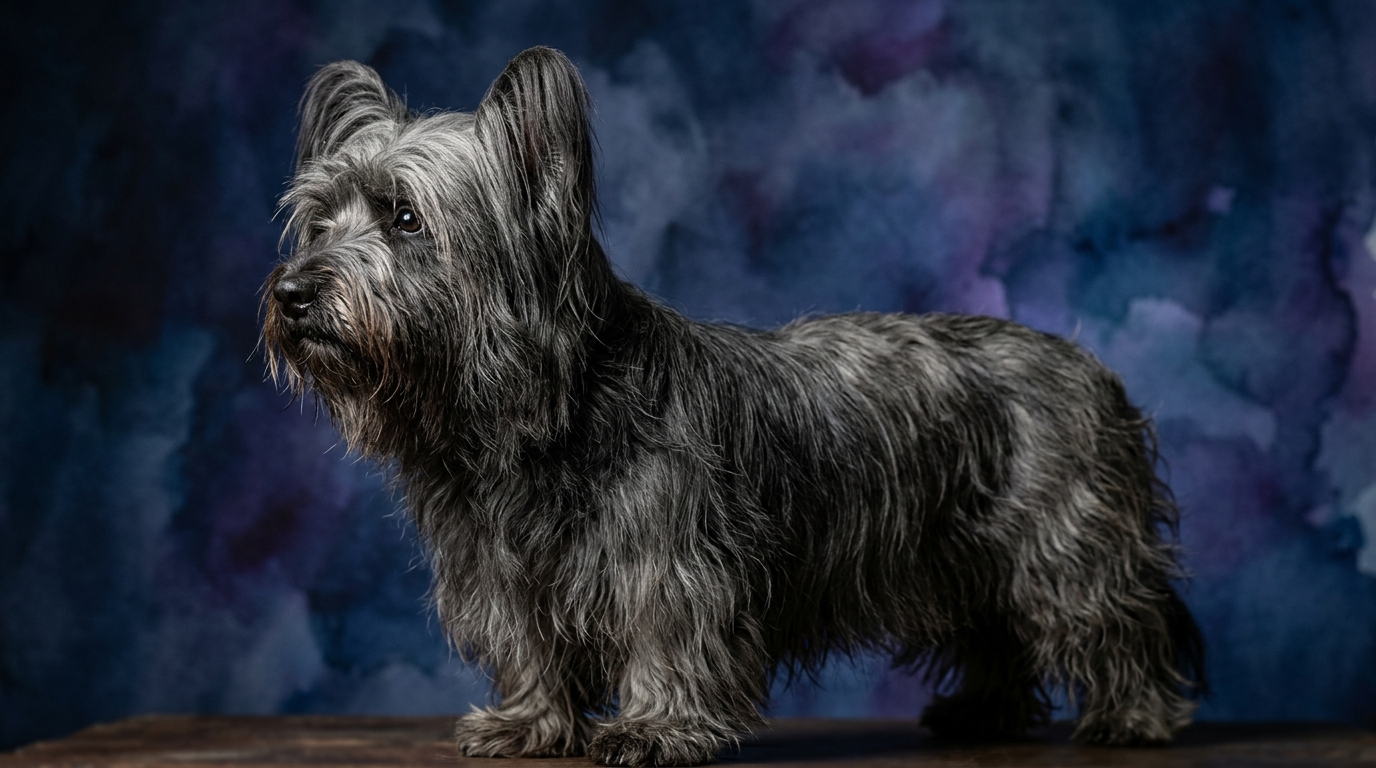
In contrast, the Skye Terrier, a breed with a history rooted in independent hunting, presents a different cognitive blueprint. Its Problem Solving is rated 3/5, suggesting it can solve challenges but might rely more on trial-and-error or persistence than on rapid insight. Training Speed also sits at 3/5, implying a moderate pace of learning new commands, often requiring more patience and consistent reinforcement from its handler. Social Intelligence, rated 3/5, indicates a discerning nature; while capable of forming deep bonds, a Skye Terrier might be more reserved with strangers and less overtly attuned to subtle human emotional shifts than a Labrador. Instinctive Drive, at 3/5, points to a focused, tenacious drive for digging and pursuit, typical of a terrier, which can manifest as independent action. Its Memory, also 3/5, suggests a solid, but perhaps not photographic, recall of experiences and learned information, requiring regular reinforcement to maintain proficiency.
Where the Labrador Retriever Excels Cognitively
The Labrador Retriever's cognitive strengths are particularly evident in its exceptional capacity for cooperative tasks and rapid learning. With a 5/5 in Training Speed, a Lab can master complex sequences of commands with remarkable efficiency, making it a prime candidate for roles requiring precision and consistency, such as assistance work or competitive obedience. Its 4/5 Problem Solving means it doesn't just follow orders; it can adapt to changing environments, figuring out how to retrieve an object from a tricky spot or navigate an unfamiliar obstacle course. This isn't just about raw 'smarts' but about a flexible mind that can apply learned principles to new scenarios.
Furthermore, the Labrador's 5/5 Social Intelligence allows it to read and respond to human emotions and intentions with impressive accuracy. This translates into an intuitive understanding of its handler's mood or needs, fostering a deep, almost telepathic bond. A Lab often anticipates what is asked of it, not just through rote memorization but by interpreting subtle body language and vocal tones. Its 4/5 Instinctive Drive for retrieving is not merely a physical urge but a cognitive one, involving the focused pursuit, careful handling, and precise delivery of items, showcasing a sophisticated application of its memory and problem-solving skills in a task-specific context. This integrated cognitive profile makes the Labrador Retriever a highly effective and responsive partner in a wide array of human endeavors.
Where the Skye Terrier's Cognitive Traits Shine
While the Skye Terrier's IQ scores might suggest a less overt form of intelligence compared to the Labrador, its cognitive profile represents a specialized set of strengths, particularly valuable in contexts where independence and tenacity are paramount. The Skye Terrier's 3/5 Problem Solving, for instance, manifests as a persistent, often single-minded approach to challenges. Unlike a Lab that might seek human guidance, a Skye might methodically try various solutions until one works, demonstrating a resilient form of self-directed problem-solving, especially when faced with an intriguing scent or a burrowing creature. This isn't about speed, but about an unwavering determination to see a task through, a unique cognitive advantage in specific scenarios.
Its 3/5 Social Intelligence, while indicating a more reserved nature, also means the Skye Terrier is discerning. It forms deep, loyal bonds with its chosen family but is less inclined to offer indiscriminate affection, making it a thoughtful, attentive companion for those it trusts. This discernment can be a cognitive 'win' for owners who prefer a dog with a strong sense of self and a less 'people-pleasing' demeanor. The 3/5 Instinctive Drive, centered on its terrier heritage, highlights a keen focus on scent and prey drive. This isn't just an instinct; it's a cognitive process involving detailed scent discrimination and tenacious pursuit, where its memory (3/5) helps it recall scent trails and locations. This focused, independent drive, while requiring careful management, represents a highly effective cognitive specialization for its original purpose as a vermin hunter.
Training Dynamics: Effort and Expectation
When it comes to ease of training, the Labrador Retriever generally presents a smoother path due to its exceptional 5/5 Training Speed and 5/5 Social Intelligence. Labs are inherently eager to please, keenly attuned to their handler's desires, and quick to form associations between commands and actions. They thrive on positive reinforcement and consistent routines, often picking up new behaviors in just a few repetitions. Their strong memory (4/5) ensures that once a behavior is learned, it is retained effectively, making maintenance training relatively straightforward. This makes them highly responsive to instruction and adaptable to various training methodologies, from basic obedience to complex service tasks.
The Skye Terrier, with its 3/5 Training Speed and 3/5 Social Intelligence, requires a different approach to training. While capable of learning, a Skye Terrier often exhibits a more independent and sometimes stubborn streak, characteristic of its terrier lineage. They may require more patience, creativity, and consistency from their owner, as they might not see the immediate 'point' of a command or be as motivated by human approval alone. Their instinctive drive (3/5) for digging and chasing can also be a significant distraction during training, demanding focused management and redirection. Training a Skye Terrier is less about speed and more about building a strong, trusting relationship and finding what truly motivates them, often leveraging their natural tenacity in a positive way through engaging, varied sessions.
Matching Canine Cognition to Owner Lifestyles
The cognitive profiles of these two breeds naturally align with different owner lifestyles. The Labrador Retriever, with its high scores in social intelligence, training speed, and a well-channeled instinctive drive, is an ideal companion for active owners who desire a highly engaged, cooperative, and versatile dog. Labs excel in environments where they receive consistent mental stimulation through training, interactive play, and opportunities to utilize their problem-solving skills, whether it's retrieving, agility, or scent work. Their strong social intelligence makes them excellent family dogs, eager to participate in activities and adjust to various social settings. They thrive on being a central part of family life and require owners who are prepared to invest time in their ongoing engagement and activity.
Conversely, the Skye Terrier's more independent problem-solving, discerning social intelligence, and focused instinctive drive make it a better fit for owners who appreciate a dog with a strong personality and a less overtly 'needy' demeanor. While they still require regular exercise and mental engagement, their activities might lean more towards independent exploration or focused scent games rather than constant cooperative tasks. Relaxed owners who enjoy a quiet companion, but are prepared for a dog with a tenacious spirit and a need for consistent, patient training, might find the Skye Terrier a rewarding match. They are often content with a comfortable home life, provided their foundational needs for exercise and mental enrichment are met on their own terms, making them excellent companions for those seeking a loyal, yet independent, presence.
The Verdict
Choose a Labrador Retriever if you seek a highly cooperative, rapidly trainable, and socially intelligent partner eager for active participation in a wide range of family and sporting activities.
Opt for a Skye Terrier if you appreciate an independent, tenacious companion with a discerning personality, willing to invest patience in training a dog with a strong sense of self.
🧠 Find Your Pet's IQ Score
Our Pet IQ Lab assessment covers 25+ tests across 5 cognitive dimensions — personalized to your breed.
Take the Full IQ Test →Frequently Asked Questions
Does a lower IQ score mean a dog is 'less smart'?
Not at all. IQ scores, as used by The Cosmic Pet Pet IQ Lab, reflect a dog's predisposition across specific cognitive dimensions, not an overall measure of 'smartness.' A 3/5 in problem-solving for a Skye Terrier simply means it approaches challenges with more persistence and independence, rather than the rapid, cooperative insight seen in a Labrador, which can be advantageous in certain contexts.
Can a Skye Terrier be trained to the same level as a Labrador Retriever?
While both breeds are trainable, the journey will differ. A Labrador's 5/5 training speed means it will likely master commands faster and with fewer repetitions. A Skye Terrier, with its 3/5 training speed and independent nature, can achieve high levels of training, but it will typically require more patience, consistent positive reinforcement, and a deeper understanding of its motivations, making the process a more involved commitment for the owner.
How does social intelligence impact daily life with these breeds?
A Labrador's 5/5 social intelligence translates to a dog that is highly attuned to human emotions, eager to please, and generally adaptable to various social situations and people. A Skye Terrier's 3/5 social intelligence indicates a more reserved and discerning nature; it will form deep bonds with its family but might be more aloof or selective with strangers, preferring a smaller, trusted social circle.