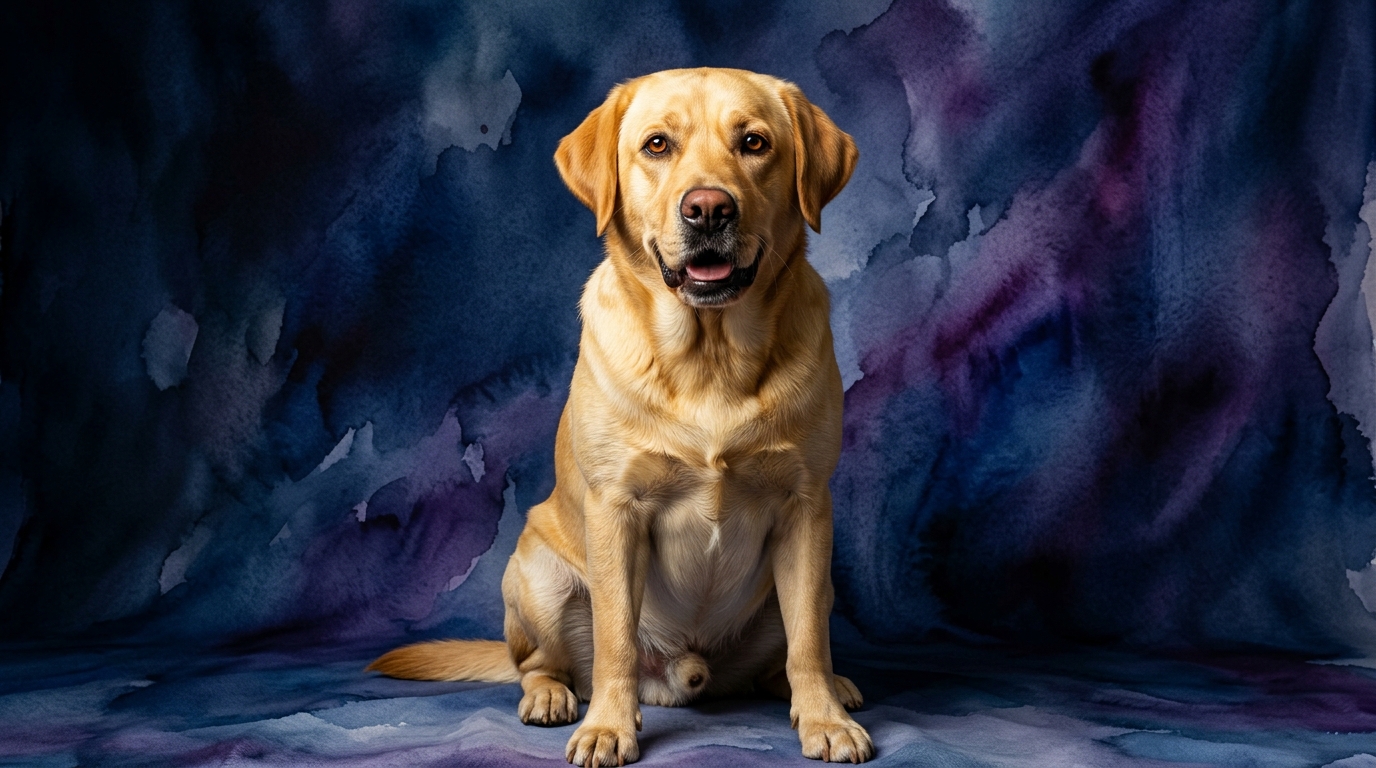
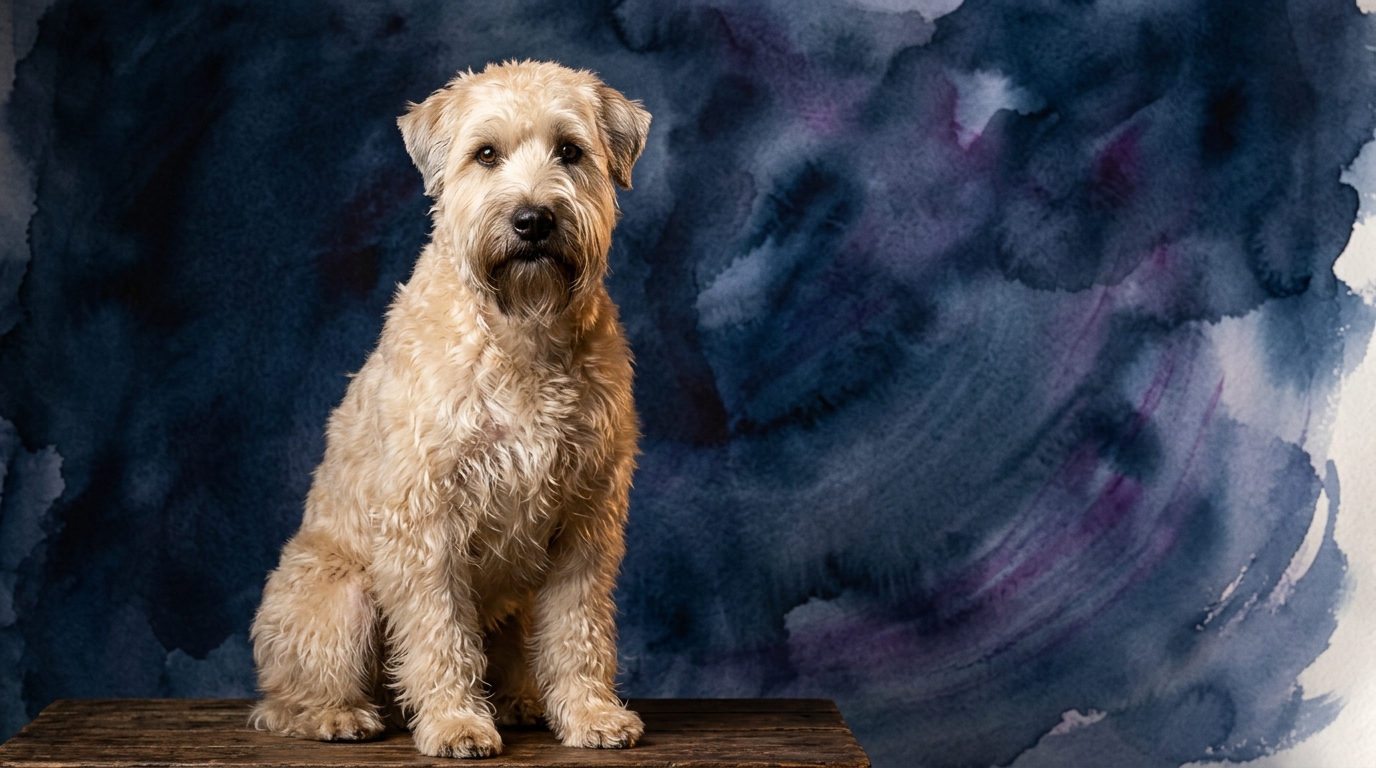
Side-by-Side Cognitive Profiles: Labrador Retriever vs. Soft Coated Wheaten Terrier
The Cosmic Pet Pet IQ Lab employs a multi-dimensional framework to assess canine intelligence, moving beyond simple obedience to encompass problem-solving, social understanding, and intrinsic drives. When we apply this lens to the Labrador Retriever and the Soft Coated Wheaten Terrier, their distinct cognitive blueprints emerge, shaped by centuries of selective breeding for specific roles. The Labrador, a member of the Sporting Group, holds a notable Coren rank of #7, indicating a high capacity for working obedience and adaptive intelligence. In contrast, the Soft Coated Wheaten Terrier, from the Terrier Group, is not listed in Coren's top ranks, suggesting a different, though equally valid, expression of canine intellect.
For the Labrador Retriever, our IQ assessment highlights exceptional abilities across the board. Their problem-solving scores a robust 4/5, reflecting a capacity to navigate complex scenarios and learn from experience effectively. Training speed is an impressive 5/5, indicating an almost unparalleled aptitude for quickly grasping and executing new commands. Social intelligence also reaches the maximum 5/5, showcasing their profound ability to interpret human cues, intentions, and emotional states. Their instinctive drive, rated 4/5, speaks to a powerful inherent motivation for retrieving and cooperative work, while memory, at 4/5, ensures they retain learned skills and associations with impressive fidelity.
The Soft Coated Wheaten Terrier presents a different, yet equally compelling, cognitive profile. Their problem-solving ability scores 3/5, indicating they are capable of figuring things out but might employ more tenacious, trial-and-error approaches compared to the Lab's analytical style. Training speed is rated 3/5, meaning they learn at a moderate pace, often requiring more repetition and creative engagement to solidify new behaviors. Social intelligence, also 3/5, suggests they connect well with their immediate family but might display more independence or reserve in broader social contexts. Their instinctive drive, at 3/5, reflects typical terrier tenacity and prey drive, less geared towards cooperative retrieval than the Labrador. Memory, scoring 3/5, is adequate for daily life but may necessitate regular refreshers for less frequently used skills.
Where the Labrador Retriever Excels Cognitively
The Labrador Retriever's cognitive strengths are particularly evident in their rapid acquisition of complex tasks and their profound attunement to human communication. Their 5/5 training speed is not merely about quick obedience; it reflects a mental agility that allows them to process new information, associate it with specific actions, and execute it efficiently. This makes them exceptionally well-suited for roles requiring intricate sequences, such as guide work, search and rescue operations, or competitive obedience, where precision and speed of learning are paramount.
Furthermore, the Labrador's stellar 5/5 social intelligence gives them a unique edge. They possess an innate ability to read subtle shifts in human body language, vocal tone, and even emotional states, enabling them to anticipate needs and respond appropriately. This deep empathetic connection fosters a highly cooperative partnership, where they actively seek to understand and comply with human directives. Their strong memory (4/5) reinforces this, allowing them to consistently recall past interactions, learned routines, and the emotional context of various situations, building a robust foundation for reliable behavior and strong bonds.
The Unique Cognitive Strengths of the Soft Coated Wheaten Terrier
While the Wheaten Terrier's cognitive scores might appear lower in comparison, they reflect a distinct set of strengths rooted in their terrier heritage. Their 3/5 problem-solving isn't about a lack of intellect, but rather a preference for a different cognitive approach. Wheatens often tackle challenges with a spirited independence and persistent ingenuity, sometimes devising their own creative, albeit not always conventional, solutions. This mental tenacity, born from their historical role as versatile farm dogs, allows them to adapt resourcefully to changing environments and unexpected obstacles.
The Wheaten's instinctive drive, rated 3/5, also represents a specific cognitive advantage in certain contexts. This drive manifests as a keen curiosity and a tenacious pursuit of novel stimuli, crucial for a breed historically tasked with vermin control and general farm duties. Their independence, while sometimes challenging in training, means they are capable of making decisions and acting without constant human direction, a self-reliant cognitive trait that distinguishes them from more cooperative breeds. This blend of persistence and independent thought makes them adept at tasks requiring self-motivation and a touch of clever resourcefulness.
Trainability: A Tale of Two Temperaments
When it comes to ease of training, the Labrador Retriever and Soft Coated Wheaten Terrier present a stark contrast, largely due to their differing social intelligence and training speed. Labrador Retrievers, with their 5/5 training speed and 5/5 social intelligence, are often described as exceptionally biddable. They possess an inherent eagerness to please their human companions and a remarkable capacity to understand and internalize commands quickly. Their cooperative nature means they thrive on positive reinforcement and structured learning, readily forming strong associations between actions and rewards, making them a joy to guide through new skills and behaviors.
The Soft Coated Wheaten Terrier, conversely, demands a more nuanced approach. Their 3/5 training speed and 3/5 social intelligence, coupled with their inherent terrier independence and spirited nature, mean training requires patience, consistency, and an engaging methodology. Wheatens can be charmingly stubborn; they might “question” a command or prefer to pursue an interesting scent over immediate compliance. Successful training with a Wheaten often involves making learning a fun, rewarding game, utilizing their problem-solving abilities to keep them engaged, and understanding that their strong instinctive drive can occasionally present a delightful distraction from the lesson at hand.
Matching Canine Cognition to Lifestyle: Active vs. Relaxed Owners
Deciding between a Labrador Retriever and a Soft Coated Wheaten Terrier also involves aligning their cognitive and physical needs with an owner's lifestyle. Labrador Retrievers, despite their cooperative nature, are far from sedentary. Their 4/5 instinctive drive and 4/5 problem-solving capacity mean they require substantial mental and physical engagement. They excel in environments where they can channel their energy into retrieving games, long hikes, swimming, or dog sports like agility and dock diving. Owners who can provide structured activities that challenge both their body and their keen mind will find a deeply fulfilled and responsive companion.
Soft Coated Wheaten Terriers, while not typically as demanding in terms of sheer output as a working Lab, still require an active and engaged owner. Their 3/5 instinctive drive and problem-solving suggest they need regular outlets for their curiosity and terrier spirit. Daily varied walks, engaging play sessions, and opportunities for mental puzzles or scent work are crucial to prevent boredom-driven behaviors. A truly “relaxed” owner who prefers minimal interaction might find the Wheaten's spirited independence and need for mental stimulation a challenge, as their active minds thrive on interaction and novel experiences, even if they aren't always focused on cooperative tasks.
The Verdict
For individuals seeking a profoundly cooperative, eager-to-please companion capable of rapidly mastering complex tasks and thriving in structured environments, the Labrador Retriever's cognitive profile makes them an outstanding match.
If you appreciate a spirited, independent thinker with a charmingly tenacious approach to life and are prepared to engage with a dog that values resourcefulness and fun, the Soft Coated Wheaten Terrier offers a uniquely rewarding partnership.
🧠 Find Your Pet's IQ Score
Our Pet IQ Lab assessment covers 25+ tests across 5 cognitive dimensions — personalized to your breed.
Take the Full IQ Test →Frequently Asked Questions
Are Soft Coated Wheaten Terriers difficult to train?
While not inherently "difficult," Wheatens require more patience, consistency, and creative methods than some more biddable breeds. Their independent nature and moderate training speed mean owners must make learning fun and engaging to maintain their focus and enthusiasm.
Do Labrador Retrievers need a lot of mental stimulation?
Absolutely. With high scores in problem-solving and instinctive drive, Labradors thrive on mental challenges and purposeful activities. Without adequate stimulation, their intelligence can lead to boredom-driven behaviors, emphasizing the need for engaging tasks and training.
What's the main cognitive difference between these breeds?
The primary difference lies in their approach to cooperation and problem-solving; Labs are highly cooperative, quick learners attuned to human cues, while Wheatens are more independent, tenacious problem-solvers who might favor their own inventive methods. This impacts their trainability and how they interact with their environment.