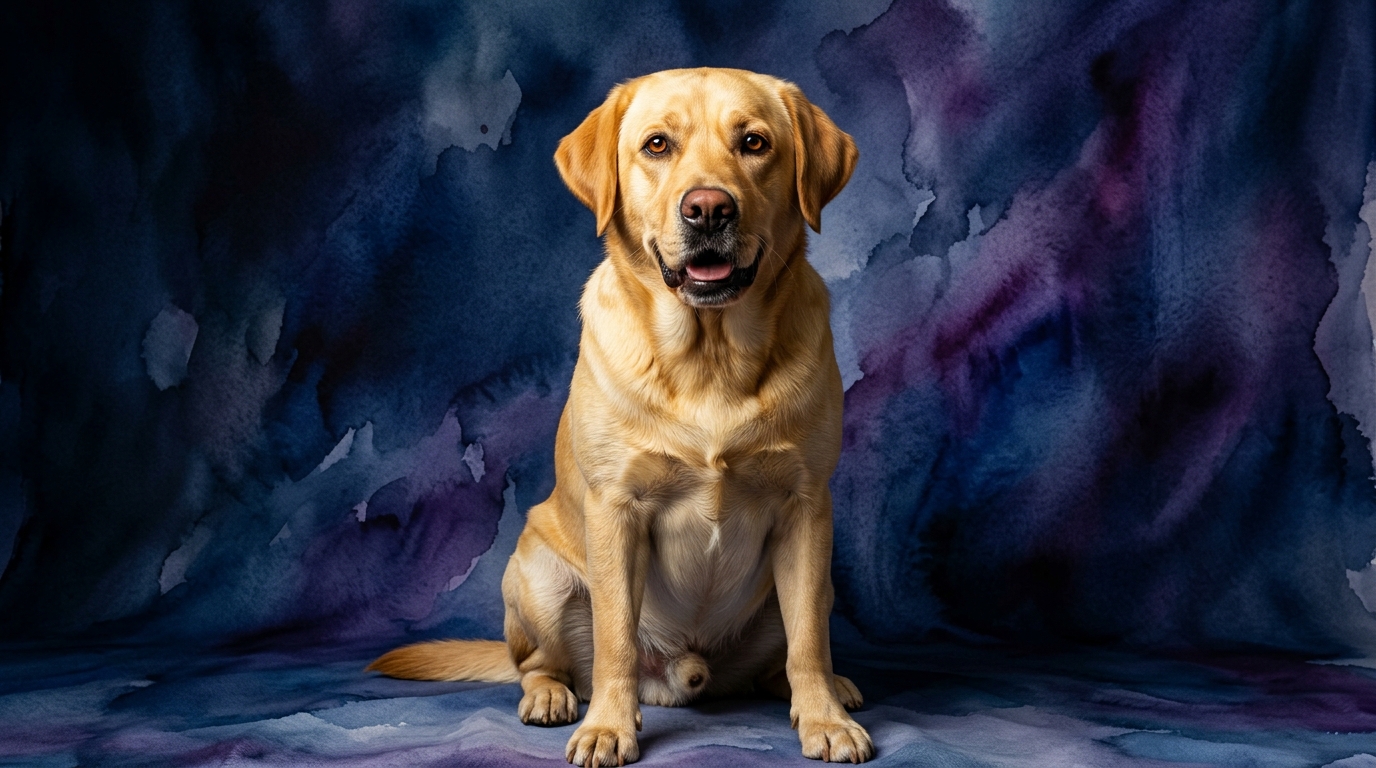
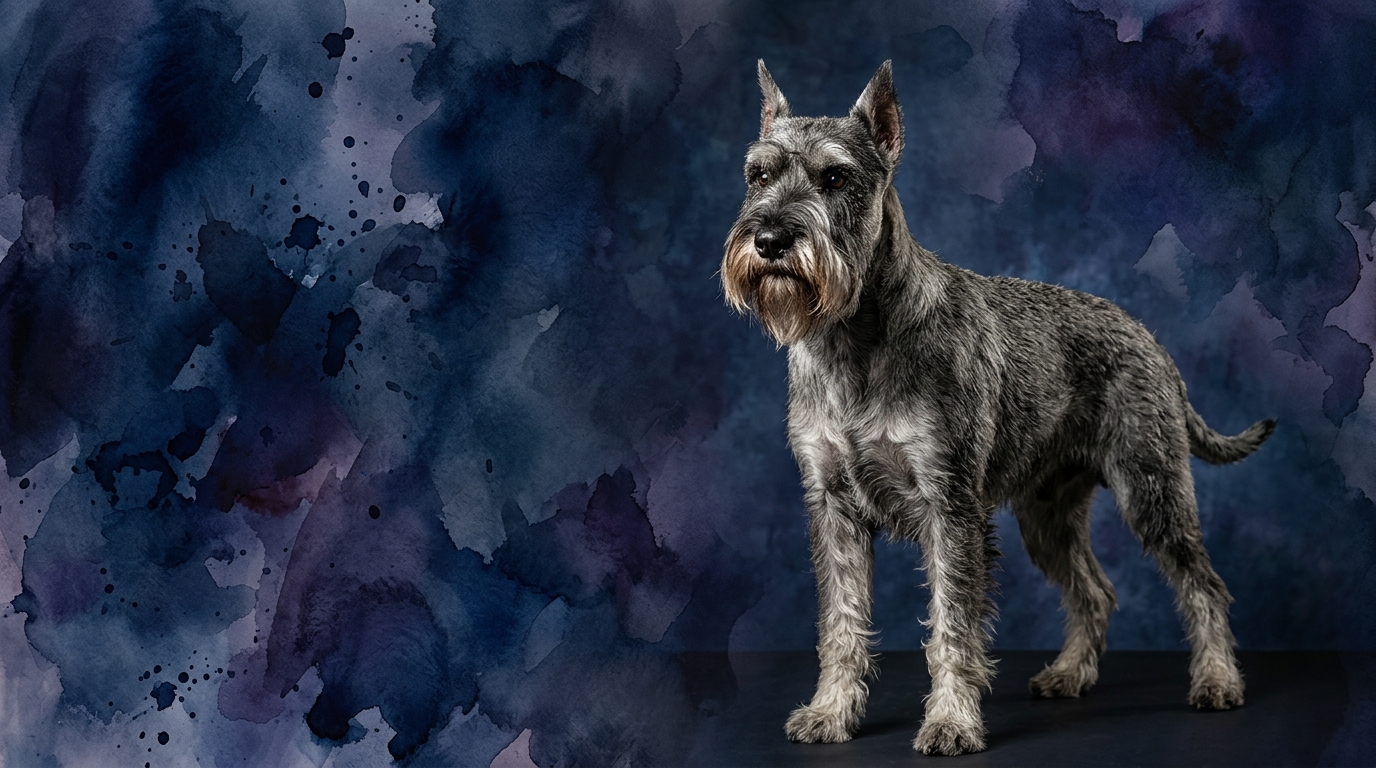
Side-by-Side IQ Profile: Labrador Retriever vs. Standard Schnauzer
The Cosmic Pet Pet IQ Lab provides a detailed breakdown of canine cognitive dimensions, offering a framework to understand each breed's unique mental architecture. For the Labrador Retriever, ranked #7 by Coren for working and obedience intelligence, their profile highlights a highly cooperative and responsive mind. They score 4/5 in Problem Solving, demonstrating resourcefulness in navigating tasks, often with an eye towards human collaboration. Their Training Speed is an exceptional 5/5, reflecting an eagerness to learn and retain commands with remarkable efficiency. Social Intelligence is also a perfect 5/5, indicating an outstanding ability to read and respond to human cues, fostering deep bonds. An Instinctive Drive of 4/5 points to their strong inherent impulses for retrieving and companionship, which are readily channeled into productive activities. Finally, their Memory at 4/5 ensures robust retention of learned behaviors and routines.
In contrast, the Standard Schnauzer, holding a Coren rank of #22, presents a profile of independent thought and determined focus. Their Problem Solving is rated at 4/5, showcasing a capacity for independent assessment and strategy formulation when facing challenges. Training Speed stands at 4/5, meaning they are capable learners but might require more repetition or motivation compared to more compliant breeds due to their self-reliant nature. Social Intelligence is 3/5, suggesting a more discerning and sometimes reserved approach to interactions, taking time to assess new people or situations. Their Instinctive Drive is 3/5, often manifesting as vigilance, a protective instinct, and a moderate drive for specific tasks rather than boundless energy. Memory is strong at 4/5, indicating a solid ability to recall past experiences and established training, contributing to their reliability once a behavior is cemented.
Where the Labrador Retriever Excels Cognitively
The Labrador Retriever’s cognitive strengths are most pronounced in its social intelligence and rapid training acquisition. Their perfect 5/5 score in social intelligence isn't merely about friendliness; it signifies an innate ability to attune to human emotions, intentions, and subtle cues. This profound understanding allows them to be exceptionally cooperative partners, often anticipating an owner's needs or moods, which fosters an almost intuitive bond. This cooperative spirit is a significant cognitive asset, making them highly adaptable to various roles, from therapy work to complex assistance tasks.
Furthermore, their 5/5 training speed is a testament to their cognitive efficiency in learning. This isn't just about quick comprehension but also a deep desire to engage and please, coupled with a low threshold for frustration during instruction. They absorb new commands and routines with fewer repetitions and greater enthusiasm, making the training process highly rewarding. Their problem-solving (4/5) often manifests in a cooperative context, where they apply their intelligence to tasks that involve working alongside humans, such as intricate retrieving scenarios or navigating obstacles under direction. This combination of social acumen and quick learning makes them exceptionally versatile and responsive companions.
Where the Standard Schnauzer Displays Unique Cognitive Strengths
The Standard Schnauzer’s cognitive profile reveals distinct strengths rooted in independence and discerning judgment. Their 4/5 rating in problem-solving often translates into a self-reliant approach to challenges. Unlike the Labrador who might seek human guidance, a Schnauzer is more inclined to critically assess a situation and devise its own solution, drawing upon its observations and past experiences. This independent thought is a hallmark of their working breed heritage, where self-sufficiency was crucial for tasks like guarding or pest control.
Coupled with their solid 4/5 memory, this breed can retain complex problem-solving strategies and apply them consistently, even in novel situations. While their instinctive drive (3/5) is not as overtly exuberant as the Labrador's, it is often channeled into vigilance and a keen awareness of their surroundings, reflecting a cognitive process focused on assessment and protection. This self-possession, though sometimes misconstrued as stubbornness, is a valuable cognitive trait for tasks requiring a dog to act decisively and independently without constant human oversight. Their cognitive strengths lie in their ability to think for themselves and remain steadfast in their purpose, even when external motivators are not immediately apparent.
Trainability: Labrador Retriever vs. Standard Schnauzer
When it comes to ease of training, the Labrador Retriever generally holds an advantage due to its exceptional training speed (5/5) and high social intelligence (5/5). Labradors possess an inherent eagerness to please and a strong desire to cooperate, making them highly receptive to instruction. They quickly form associations between commands and actions, thriving on positive reinforcement and human interaction. Their high social intelligence means they are adept at reading body language and vocal cues, which streamlines the communication process during training. Real behavioral differences include the Labrador's tendency to maintain focus on the trainer, their willingness to repeat tasks even when distracted, and their joyful enthusiasm for learning, all driven by their strong bond and desire for positive engagement.
In contrast, the Standard Schnauzer, with a training speed of 4/5 and social intelligence of 3/5, can present a different training experience. While capable of learning and retaining information, their independent nature and discerning social approach mean they may question commands or require more compelling motivation. They might take longer to decide if a task is worth their effort or if the trainer's request aligns with their own perceived interests. Behavioral differences often manifest as a need for the trainer to prove the value of the exercise; a Schnauzer might exhibit a 'what's in it for me?' attitude. Their self-reliant problem-solving, while an asset in some contexts, can translate into a dog that prefers to figure things out on its own rather than passively accepting instruction, requiring a trainer who is patient, consistent, and creative in their motivational techniques to build trust and compliance. They respond best to fair, consistent leadership and clear expectations.
Matching Breeds to Owner Lifestyles
For active owners, both breeds offer engagement, but with different nuances in their activity preferences. The Labrador Retriever, with its robust instinctive drive (4/5) for activity, water, and retrieving, thrives with owners who can provide consistent opportunities for physical exertion and mental challenges. Their cooperative nature makes them excellent partners for hiking, running, swimming, and various dog sports. They require significant daily activity to prevent boredom and channel their energy productively, making them ideal for individuals or families who enjoy an outdoor, active lifestyle and want a dog to share in every adventure. Their high social intelligence also means they generally enjoy participating in all family activities and being at the center of the action.
The Standard Schnauzer, while also requiring regular exercise, might appeal to active owners who appreciate a dog with a more independent spirit and a discerning approach to activity. Their instinctive drive (3/5) is less about boundless, constant energy and more about purpose-driven engagement. They excel in activities that engage their problem-solving skills and vigilance, such as agility, obedience, or even tracking, where their focus and determination can shine. They are often content with structured walks, play sessions, and mental puzzles, rather than constant, high-octane activity. They appreciate having a job or a clear purpose for their energy.
For more relaxed owners, neither breed is a truly low-energy, 'couch potato' choice, as both possess working dog backgrounds and require consistent engagement. However, the Labrador Retriever, with its high social intelligence and desire to be involved, might be a more natural fit for a family that enjoys relaxed companionship at home, provided their significant exercise needs are met through dedicated outings. They are generally more adaptable to varying energy levels within a household, as long as their core requirements for activity and interaction are fulfilled, often content to settle once their energy has been expended.
The Standard Schnauzer, with its lower social intelligence score (3/5) and more reserved nature, might be less inclined to be a constant shadow or seek endless affection, which could suit a more relaxed owner who appreciates a dog with a bit more personal space. However, their need for mental stimulation and structured activity remains. A relaxed owner considering a Schnauzer must be prepared to provide consistent, engaging training and activities that appeal to their problem-solving and guarding instincts, even if the physical demands are slightly less intense than a Labrador's. They need clear boundaries and consistent mental engagement to prevent boredom and undesirable behaviors.
The Verdict
Opt for a Labrador Retriever if you seek a highly cooperative, eager-to-please companion who integrates seamlessly into family life and thrives on shared activities. Their exceptional trainability and social connection make them ideal for active households desiring a partner for adventures and dedicated training.
Select a Standard Schnauzer if you value an independent, discerning companion who offers a unique blend of loyalty and self-reliance. They suit owners who appreciate a dog with a strong sense of purpose, are prepared for consistent, engaging training, and enjoy a companion with a distinct personality.
🧠 Find Your Pet's IQ Score
Our Pet IQ Lab assessment covers 25+ tests across 5 cognitive dimensions — personalized to your breed.
Take the Full IQ Test →Frequently Asked Questions
Is the Labrador Retriever 'smarter' than the Standard Schnauzer?
Both breeds demonstrate strong cognitive abilities, but in different areas. Labradors excel in cooperative intelligence and training speed, while Standard Schnauzers show distinct strengths in independent problem-solving and self-reliance. It's more about different types of intelligence and how they apply their minds, rather than one being universally 'smarter'.
Do Standard Schnauzers require more mental stimulation than Labradors?
Both breeds require significant mental stimulation, but the *type* differs. Labradors thrive on tasks involving collaboration and retrieving, often enjoying complex obedience or scent work with their owner. Schnauzers benefit from puzzles, scent work, and activities that engage their independent problem-solving and discerning nature, sometimes preferring tasks they can figure out on their own.
How do their social intelligence scores impact their suitability as family pets?
A Labrador's 5/5 social intelligence typically means they are highly adaptable, affectionate, and easily integrate with family members and guests, often seeking interaction and being the center of attention. A Standard Schnauzer's 3/5 social intelligence suggests they might be more reserved or discerning with strangers, potentially taking longer to warm up, but form strong, loyal bonds with their immediate family, offering a more independent companionship.