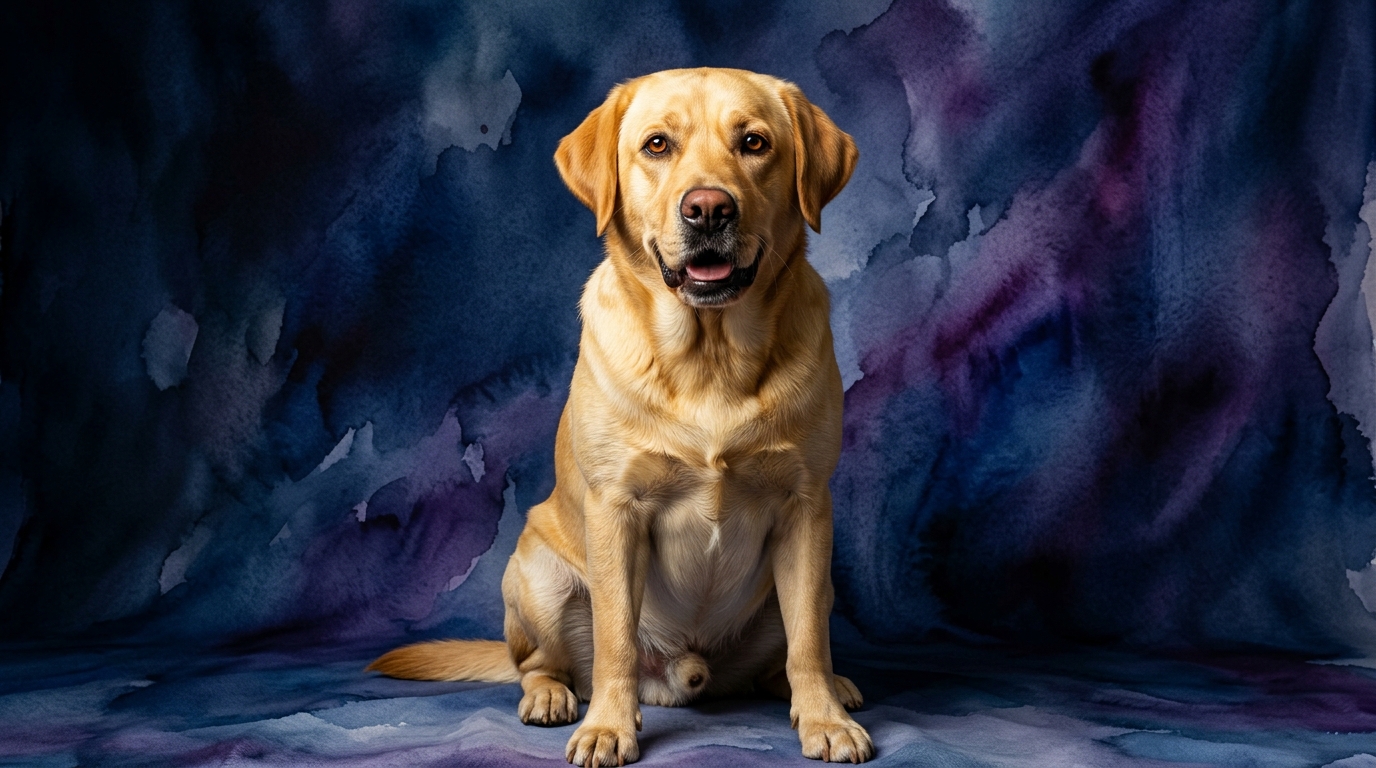
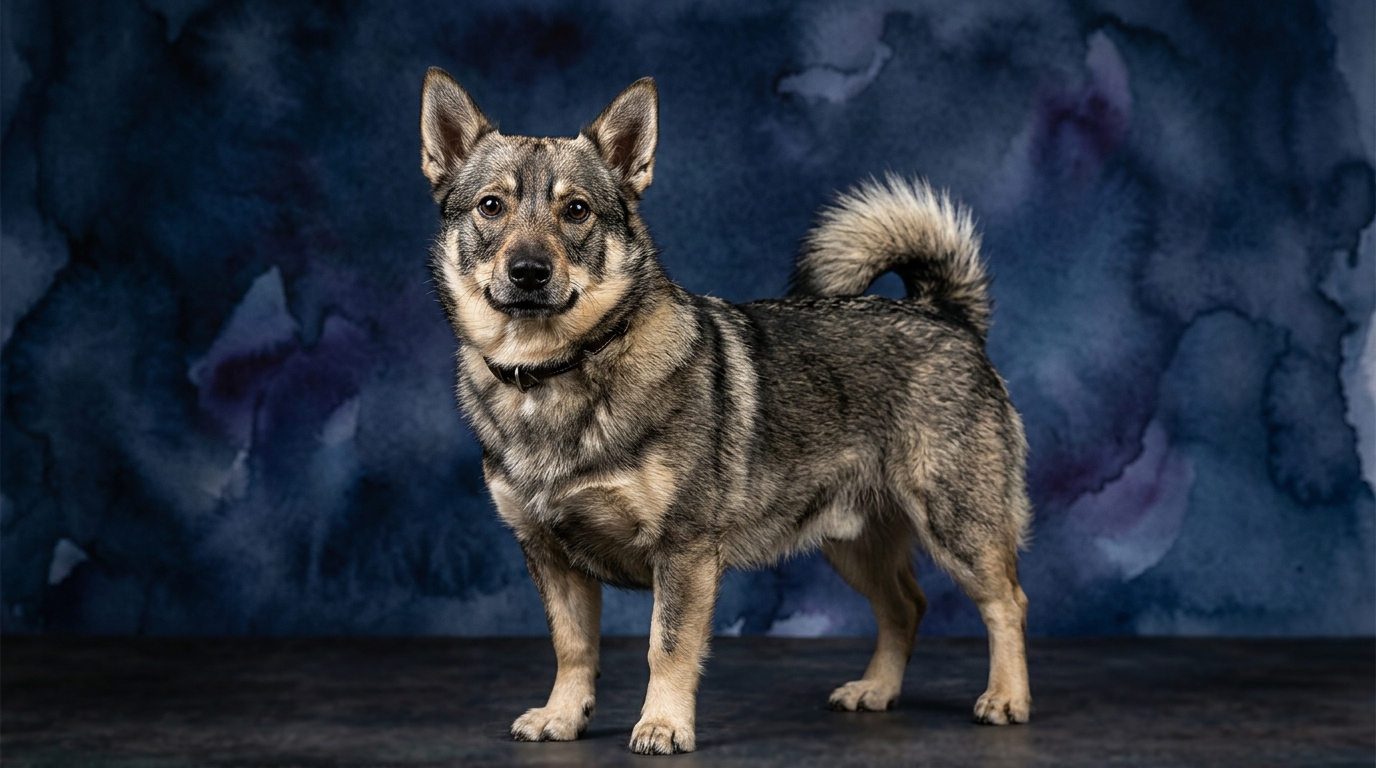
Side-by-Side Cognitive Profiles: Lab vs. Vallhund
The Cosmic Pet Pet IQ Lab assesses canine intelligence across five key dimensions, providing a nuanced view of each breed's mental makeup. The Labrador Retriever, a Sporting Group stalwart, consistently demonstrates robust cognitive capabilities, scoring 4/5 in Problem Solving, an impressive 5/5 in Training Speed, 5/5 in Social Intelligence, 4/5 in Instinctive Drive, and 4/5 in Memory. These scores paint a picture of a highly adaptable, eager-to-please companion with a strong innate drive for partnership and retrieval tasks.
In contrast, the Swedish Vallhund, a Herding Group member with a rich history, presents a more uniform, albeit lower, cognitive profile. It scores 3/5 across all five dimensions: Problem Solving, Training Speed, Social Intelligence, Instinctive Drive, and Memory. This consistent scoring suggests a breed whose intelligence is finely tuned for its specific historical role – herding and guarding – with a balanced set of cognitive tools rather than extreme specialization in any one area, as seen in the Labrador.
Where the Labrador Retriever Excels Cognitively
The Labrador Retriever's cognitive strengths are particularly evident in its remarkable Training Speed (5/5) and Social Intelligence (5/5). This combination means Labs are exceptionally quick to grasp new commands and routines, often showing an eagerness to cooperate that makes them highly receptive to instruction. Their profound social intelligence allows them to keenly interpret human cues, intentions, and emotional states, fostering a deep, empathetic bond and making them intuitive partners in various activities, from assistance work to family companionship.
Beyond social interaction, the Labrador's Problem Solving (4/5) and Memory (4/5) are considerable assets. They are adept at navigating complex environments to achieve goals, such as finding a hidden toy or retrieving specific items. Their strong memory ensures that once a task is learned, it is retained efficiently, allowing for complex sequential tasks to be mastered. The Labrador's Instinctive Drive (4/5), predominantly geared towards retrieving, further fuels their engagement in tasks that involve fetching, carrying, and working alongside humans, making them highly motivated participants in activities that align with their natural predispositions.
Distinct Cognitive Strengths of the Swedish Vallhund
While the Swedish Vallhund's scores of 3/5 across the board might seem modest compared to the Labrador's higher marks, these scores reflect a distinct and highly functional form of intelligence, particularly within its ancestral herding context. Its Problem Solving at 3/5, for example, is less about retrieving a specific item and more about strategic thinking in dynamic situations, such as maneuvering livestock or assessing environmental changes. This breed's intelligence is often characterized by a resourceful independence, a necessity for a dog historically tasked with managing herds with minimal human intervention.
The Vallhund's Instinctive Drive (3/5) is powerfully channeled into herding behaviors, including nipping at heels and maintaining control over movement. This drive, combined with its Memory (3/5), allows it to learn and execute complex herding patterns and remember the layout of its territory or the routines of its charges. Its Training Speed (3/5) and Social Intelligence (3/5) suggest a dog that learns steadily and forms strong, albeit perhaps more selective, bonds. They possess a keen awareness of their surroundings and a sturdy, self-reliant nature, making them exceptionally capable in roles requiring vigilance and autonomy, rather than constant human direction.
Training Dynamics: Ease and Engagement
When it comes to ease of training, the Labrador Retriever (Training Speed 5/5, Social Intelligence 5/5) holds a significant advantage. Their inherent desire to please, coupled with their exceptional ability to understand and respond to human communication, makes them highly tractable. Labs often pick up new commands after only a few repetitions and are highly motivated by positive reinforcement, thriving on the interaction and praise from their owners. Their strong memory reinforces learned behaviors quickly, leading to reliable responses in various situations. This cognitive makeup translates to a dog that is generally a joy to train, capable of excelling in obedience, agility, and specialized working roles.
The Swedish Vallhund (Training Speed 3/5, Social Intelligence 3/5), while certainly trainable, presents a different set of dynamics. Their training speed is moderate, meaning they might require more repetitions and a consistent, patient approach to master new skills. Their social intelligence, while present, is less about eager-to-please compliance and more about a thoughtful assessment of the situation, sometimes leading to an independent streak. Vallhunds can be clever and learn quickly when motivated, but their herding instincts mean they might be more prone to independent decision-making or focusing on environmental stimuli, requiring an owner who can channel their natural drives effectively and maintain engagement through varied, stimulating methods.
Lifestyle Suitability: Active vs. Adaptable Companions
For owners seeking an adaptable and highly engaged companion for a wide range of activities, the Labrador Retriever is an excellent match. Their high instinctive drive (4/5) for retrieving and their exceptional social intelligence (5/5) mean they thrive on being an integral part of family life, whether it's hiking, swimming, playing fetch, or simply accompanying their owners on errands. While active, their cognitive flexibility and desire for companionship allow them to adapt well to varied routines, provided their fundamental needs for exercise and mental stimulation are met. They are generally content participating in whatever their human family is doing, making them suitable for active owners who want a versatile partner.
The Swedish Vallhund, with its herding background and consistent 3/5 scores, also requires an active owner, but with a specific focus. Their energy is often channeled into purposeful movement and vigilance, characteristic of a herding breed. They excel in dog sports like agility, herding trials, and obedience, where their problem-solving skills and instinctive drive can be put to good use. While they enjoy family time, their independence and historical role mean they may require more structured outlets for their mental and physical energy. An owner who understands and appreciates a dog with a strong working drive and a tendency towards independent thought will find the Vallhund a rewarding, albeit demanding, companion. They are less suited for truly 'relaxed' owners who cannot commit to consistent engagement and mental challenges.
The Verdict
Choose the Labrador Retriever if you desire a highly adaptable, exceptionally social, and eager-to-please companion who excels in diverse activities and forms deep, empathetic bonds with minimal training effort.
Opt for the Swedish Vallhund if you appreciate an independent, resourceful, and vigilant companion with a strong working drive, ideally suited for structured dog sports and owners who can provide consistent mental and physical challenges tailored to a herding breed.
🧠 Find Your Pet's IQ Score
Our Pet IQ Lab assessment covers 25+ tests across 5 cognitive dimensions — personalized to your breed.
Take the Full IQ Test →Frequently Asked Questions
Are Labrador Retrievers good for first-time dog owners?
Yes, Labrador Retrievers are often recommended for first-time dog owners due to their high social intelligence and training speed. Their eagerness to please and adaptability make them relatively straightforward to train and integrate into a family, provided their significant exercise and mental stimulation needs are consistently met.
Do Swedish Vallhunds require a lot of exercise?
Swedish Vallhunds do require a substantial amount of exercise and mental stimulation. As a herding breed, they possess a strong instinctive drive and need regular opportunities to engage their bodies and minds, often thriving in structured activities like agility, herding, or advanced obedience to prevent boredom and destructive behaviors.
Which breed is better with children?
Both breeds can be good with children, but the Labrador Retriever's high social intelligence and generally more laid-back temperament often make them a more naturally patient and forgiving companion for families. Swedish Vallhunds, while devoted, can exhibit herding behaviors like nipping at heels, which might require careful management around very young or boisterous children.