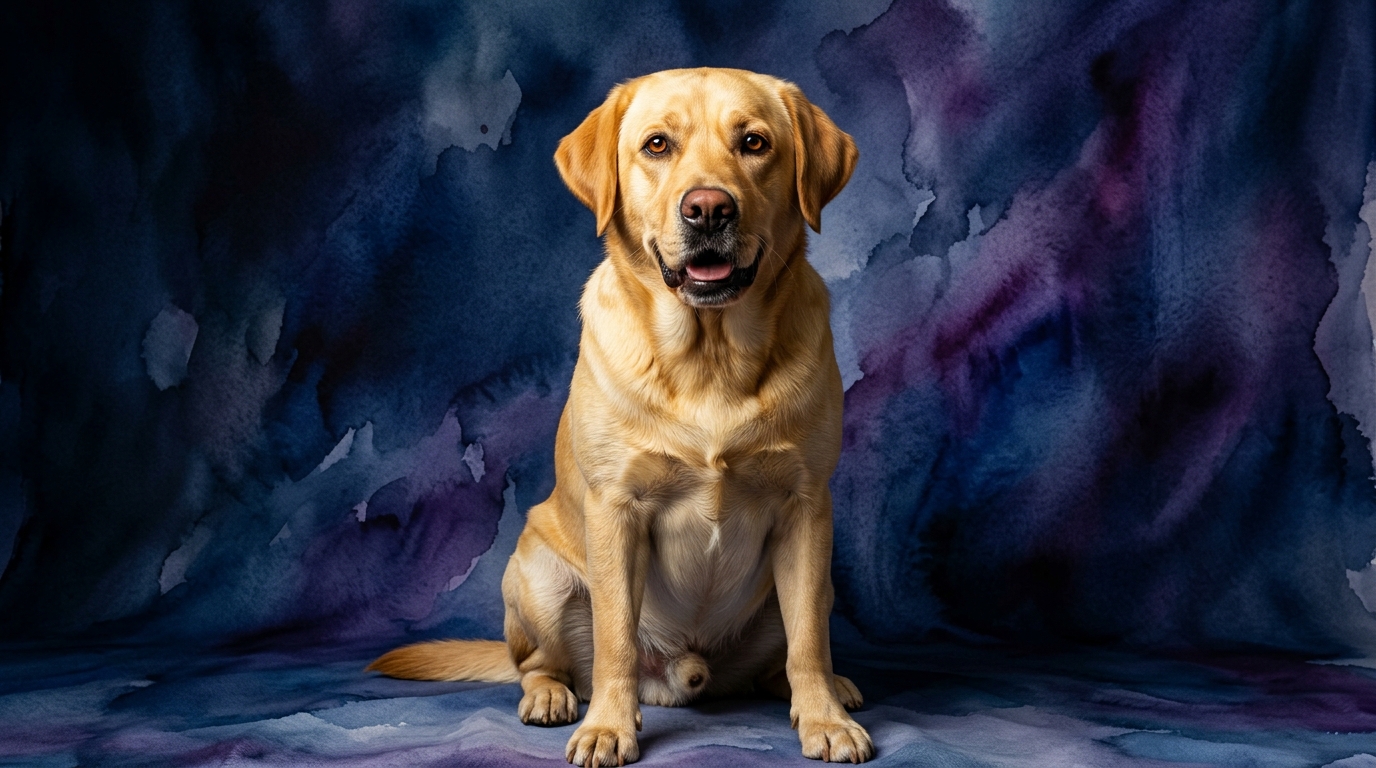
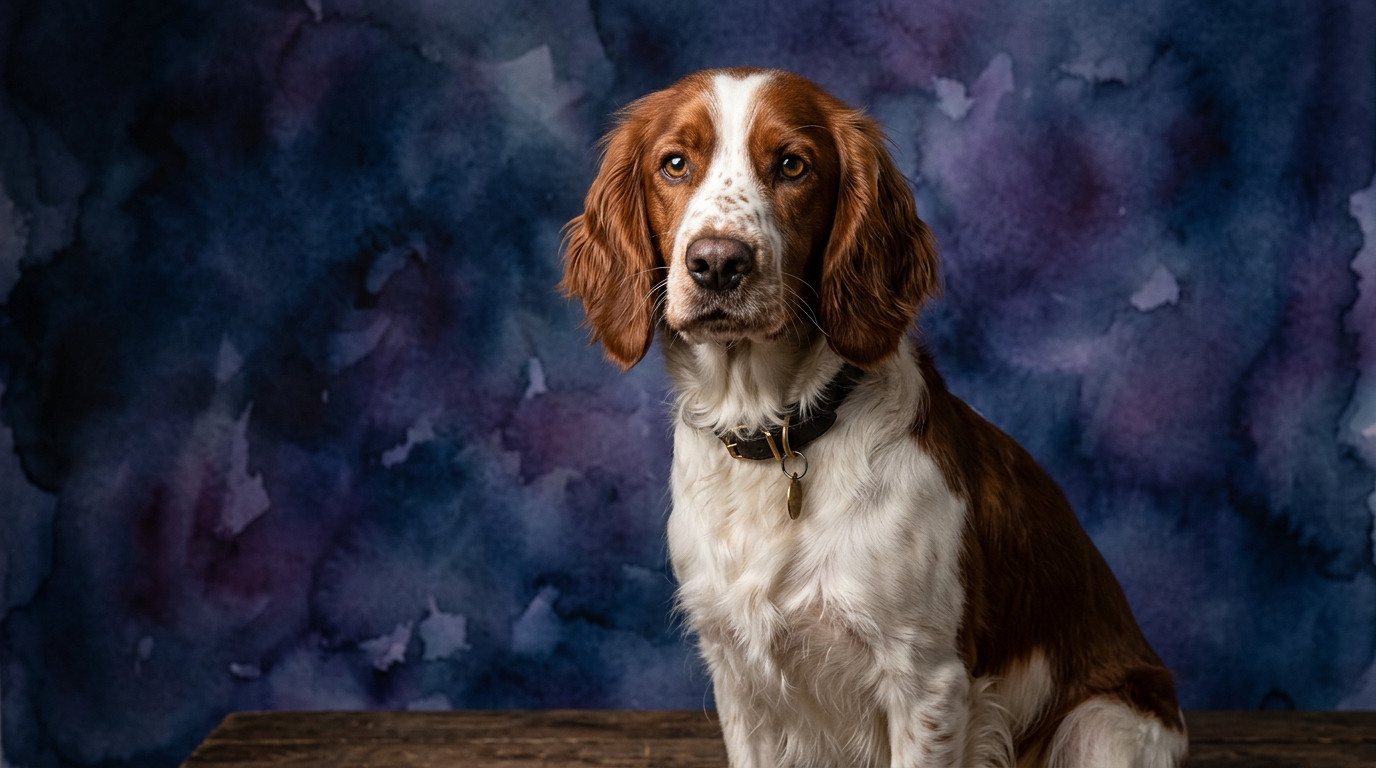
Side-by-Side IQ Profile: A Closer Look
The Cosmic Pet Pet IQ Lab evaluates canine cognition across five distinct dimensions, offering a detailed perspective on how breeds process information and interact with their world. For the Labrador Retriever, ranked #7 by Coren, and the Welsh Springer Spaniel, ranked #31, these dimensions paint a clear picture of their cognitive strengths and approaches.
Both breeds demonstrate a Problem Solving capacity rated at 4/5. This indicates a strong aptitude for navigating novel situations, figuring out puzzles, or understanding cause-and-effect relationships in their environment. Whether it's finding a hidden toy or bypassing an obstacle, both breeds possess a robust capacity to strategize and adapt.
Training Speed reveals a notable difference: the Labrador Retriever scores 5/5, while the Welsh Springer Spaniel earns a 4/5. A 5/5 suggests an exceptionally quick grasp of new commands and routines, often requiring minimal repetition. A 4/5 still signifies a rapid learner, but one that might benefit from slightly more consistency or focused engagement during initial training phases.
Social Intelligence highlights a significant distinction. The Labrador Retriever boasts a 5/5, indicating an exceptional ability to read human cues, understand intentions, and form strong, cooperative bonds. This makes them highly responsive to human direction and eager to interact. The Welsh Springer Spaniel, with a 3/5, is more independent, potentially less attuned to subtle human signals, and may prioritize its own interests or instincts over constant human connection.
Instinctive Drive also shows variation. The Labrador Retriever scores 4/5, reflecting a strong inherent urge to retrieve, work alongside humans, and engage in tasks that utilize their physical and mental energy. The Welsh Springer Spaniel's 3/5 points to a solid hunting and flushing instinct, but perhaps with a slightly lower intensity or a greater inclination towards independent pursuit rather than partnership in the field. Both breeds possess inherent drives rooted in their sporting heritage, but their expression differs.
Finally, Memory is an area of parity, with both breeds scoring 4/5. This suggests an excellent capacity to recall past experiences, learned commands, and familiar routes or individuals. A strong memory supports both problem-solving and training, allowing them to build upon previous learning efficiently.
Where the Labrador Retriever Excels Cognitively
The Labrador Retriever's cognitive profile positions it as an exceptional partner for cooperative tasks and consistent learning. Its perfect 5/5 score in Training Speed means these dogs typically absorb new commands and routines with remarkable efficiency, making complex obedience or specialized training highly achievable. This rapid learning curve is a significant advantage for owners who enjoy progressing quickly through training stages or engaging in competitive dog sports.
Furthermore, the Labrador's outstanding 5/5 in Social Intelligence is a cornerstone of its cognitive prowess. This breed demonstrates a profound ability to interpret human body language, vocal tones, and intentions, fostering a deep, almost intuitive understanding with their handlers. This attunement translates into an eagerness to please and a strong desire to work collaboratively, making them highly responsive and adaptable in various human-centric environments, from family life to assistance roles.
Where the Welsh Springer Spaniel Shines Cognitively
While the Labrador excels in cooperative learning, the Welsh Springer Spaniel holds its own with distinct cognitive strengths, particularly in areas that value independence and focused application of problem-solving. Their 4/5 score in Problem Solving, mirroring the Labrador, indicates a capable mind that can independently navigate challenges, perhaps with a touch more self-reliance than their Labrador counterparts. This capacity allows them to excel in situations requiring individual decision-making, such as flushing game in varied terrain.
The Welsh Springer Spaniel's 4/5 Memory score also matches the Labrador, ensuring they retain learned information and past experiences effectively. This strong recall supports their ability to master routines and commands over time, even if their initial Training Speed is slightly lower. Their 3/5 Instinctive Drive, while not as intense as some, is purpose-built for their role as a flushing spaniel, guiding them to explore and react to scents and movements with focused determination, a cognitive application of their heritage that is uniquely theirs.
Training Dynamics: Labrador vs. Welsh Springer Spaniel
When considering ease of training, the Labrador Retriever generally presents a more straightforward path for most owners. Their 5/5 Training Speed and 5/5 Social Intelligence create a powerful combination: they not only learn new commands quickly but also actively seek to understand and comply with their handler's wishes. This eager-to-please nature means they are highly motivated by positive reinforcement and handler attention, often maintaining focus and engagement during training sessions with ease. Real behavioral differences include a Labrador's tendency to offer behaviors and look to their human for guidance, making complex sequences or rapid transitions in training more fluid.
The Welsh Springer Spaniel, with a 4/5 Training Speed and 3/5 Social Intelligence, requires a slightly different approach. While they are certainly capable learners, their training might demand more patience, consistency, and creative motivation. Their lower social intelligence suggests they may be less inherently focused on the handler, potentially becoming distracted by environmental stimuli or following their own instincts more readily. This means owners might need to work harder to maintain their attention and reinforce the value of working collaboratively, making early socialization and consistent, positive training crucial to harness their cognitive potential effectively.
Matching Breeds to Lifestyles: Active vs. Relaxed Owners
Both the Labrador Retriever and Welsh Springer Spaniel are sporting breeds, meaning neither is suited for a truly 'relaxed' owner in terms of minimal activity. However, their cognitive profiles suggest different styles of engagement. The Labrador, with its high Social Intelligence and Instinctive Drive, thrives with active owners who enjoy direct participation in their dog's activities. They are excellent partners for activities like retrieving games, dock diving, advanced obedience, or long, interactive hikes where they can work collaboratively and receive ample human interaction. Their strong desire to please makes them incredibly rewarding for owners who want a canine companion deeply integrated into their active lifestyle, whether it's daily runs or weekend adventures.
The Welsh Springer Spaniel, while equally active, might appeal to owners who appreciate a dog with a bit more independent spirit during exercise. Their instinctive drive for flushing and exploring, combined with a slightly lower social intelligence, means they might enjoy long walks or hikes where they can follow scents and investigate their surroundings with less constant human direction, though still requiring supervision. They are robust companions for outdoor enthusiasts, but their engagement might be more about the joy of the hunt or exploration than continuous human partnership. Owners who enjoy field work, tracking, or simply long, varied walks where their dog can indulge its natural instincts will find a fulfilling partner in the Welsh Springer Spaniel, provided their exercise needs are met.
The Verdict
Choose the Labrador Retriever if you desire a highly cooperative companion eager to learn and deeply integrated into your family's dynamic, excelling in rapid training and social responsiveness.
Opt for the Welsh Springer Spaniel if you appreciate an active, independent spirit that enjoys exploring and problem-solving on its own terms, thriving with consistent training and outdoor adventures.
🧠 Find Your Pet's IQ Score
Our Pet IQ Lab assessment covers 25+ tests across 5 cognitive dimensions — personalized to your breed.
Take the Full IQ Test →Frequently Asked Questions
Are Welsh Springer Spaniels difficult to train due to their social intelligence score?
No, Welsh Springer Spaniels are not difficult to train; their 4/5 Training Speed indicates they learn quickly. However, their 3/5 Social Intelligence means they might be less inherently focused on the handler, requiring more consistent, engaging, and positive reinforcement-based training methods to maintain their attention and motivation.
Which breed is better for a first-time dog owner?
For a first-time dog owner seeking a generally more straightforward training experience and a highly people-oriented companion, the Labrador Retriever's high Training Speed and Social Intelligence might be a slightly easier fit. The Welsh Springer Spaniel, while a wonderful companion, may require a bit more experience with motivational training to manage its independent streak effectively.
Do both breeds require a lot of exercise, given their Sporting Group classification?
Yes, both Labrador Retrievers and Welsh Springer Spaniels are sporting breeds with significant energy levels and inherent drives. They require substantial daily exercise, mental stimulation, and opportunities to engage their natural instincts to remain happy and well-adjusted, preventing boredom and potential behavioral issues.