
A Side-by-Side Look at Their Cognitive Profiles
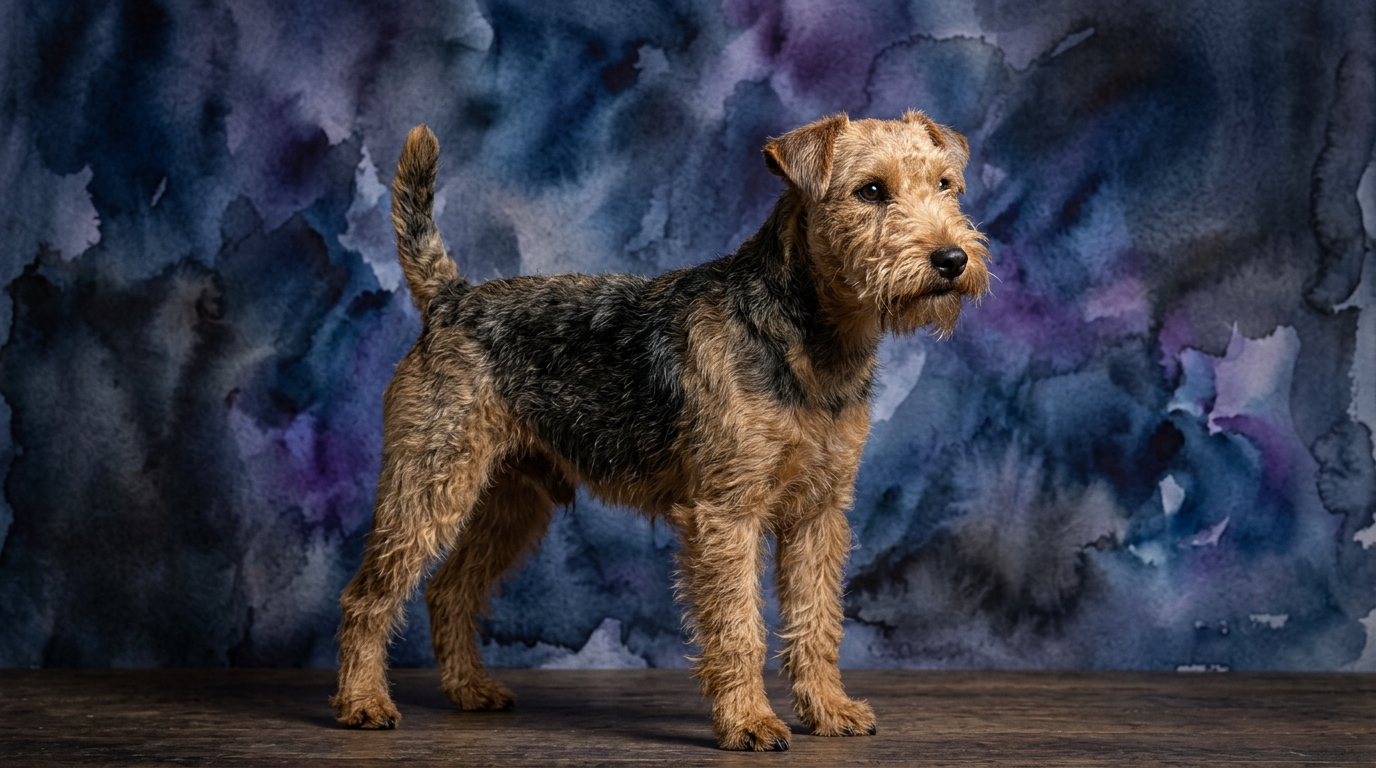
The Lakeland Terrier, a breed hailing from England's Lake District, demonstrates a robust 3/5 in Problem Solving. This manifests as a resourceful approach to navigating varied terrains or figuring out how to outwit small prey, reflecting their working heritage. Their Training Speed also sits at a moderate 3/5; while capable of learning, their independent terrier spirit means they often require engaging methods and clear motivation to fully commit. Social Intelligence, rated 3/5, indicates a breed that forms strong, discerning bonds with their human family but can be reserved or even assertive with strangers, reflecting a self-assured nature. Their Instinctive Drive, also 3/5, points to a moderate but present prey drive, a propensity for digging, and an alert barking tendency, all remnants of their original purpose. Finally, their Memory, at 3/5, suggests they retain commands and routines effectively, though their independent streak might sometimes lead to selective recall when a more appealing distraction arises.
In contrast, the Affenpinscher, a delightful "monkey dog" from Germany, also registers a 3/5 in Problem Solving. For this toy breed, this often translates into clever strategies for manipulating their indoor environment, such as figuring out how to access a coveted treat or garnering maximum human attention. Their Training Speed, a 3/5, means they can learn, but their mischievous nature or occasional stubbornness requires patient, positive reinforcement and a lighthearted approach. Social Intelligence, also 3/5, highlights a breed deeply attuned to their owner's moods and household dynamics, often exhibiting a keen understanding of social cues, though they can be quite particular about who they extend their full trust to. Their Instinctive Drive, at 3/5, is less about prey and more about alertness, a strong desire for companionship, and a confident, sometimes bold, demeanor that belies their small size. Their Memory, similarly 3/5, allows them to recall household rules and social interactions, although their playful intelligence might sometimes prompt them to "forget" a command if a more amusing alternative presents itself.
Where the Lakeland Terrier Shows Its Cognitive Edge
While both breeds share identical 3/5 scores across the board, the Lakeland Terrier's inherent breed characteristics lend them a particular strength in practical, environmental problem-solving. Their Problem Solving score, when viewed through the lens of their terrier lineage, suggests a distinct aptitude for navigating complex outdoor scenarios. A Lakeland might demonstrate superior persistence in figuring out how to traverse a challenging obstacle course or locate a hidden scent, tasks that tap into their historical role as vermin hunters. Their 3/5 Instinctive Drive, while moderate, is geared towards active engagement with their surroundings, fostering a resilience and tenacity that proves invaluable when faced with real-world, dynamic puzzles. This drive translates into a willingness to push through discomfort or minor setbacks to achieve a goal, a trait that can give them an edge in tasks requiring sustained effort and independence.
Furthermore, the Lakeland's Social Intelligence, also 3/5, often manifests as a discerning self-reliance rather than an overt eagerness to please. This doesn't mean they are unsocial; rather, they possess a confident independence that allows them to make decisions and act autonomously even without constant human direction. This cognitive trait, coupled with their moderate memory, means they can retain strategies for independent action, recalling past successes in similar situations. For owners who value a dog capable of making sensible decisions in varied environments, the Lakeland's particular blend of cognitive attributes shines brightly, particularly when engaged in activities that mimic their working heritage.
The Affenpinscher's Unique Cognitive Strengths
The Affenpinscher, despite sharing the same 3/5 cognitive scores, truly excels in the realm of domestic social dynamics and clever manipulation within a home environment. Their 3/5 Problem Solving isn't about tracking prey; it's about mastering the intricacies of human-canine interaction. An Affenpinscher might display a remarkable ability to "read the room," understanding subtle shifts in human mood or routine to achieve a desired outcome, whether that's extra cuddles or a forbidden treat. This application of their problem-solving skills makes them exceptionally adept at navigating the social landscape of a busy household, often finding ingenious ways to be at the center of attention. Their Memory (3/5) is particularly sharp in recalling which behaviors elicit specific human responses, allowing them to refine their persuasive tactics over time.
Their Social Intelligence, also 3/5, is a cornerstone of their charm. Affenpinschers are often described as having an almost human-like understanding of emotions, exhibiting empathy and a strong desire for connection with their primary caregivers. This high degree of social attunement means they can often anticipate their owner's needs or desires, offering comfort or initiating play at just the right moment. Their Instinctive Drive (3/5) channels into being an alert, protective, and highly engaging companion, rather than a hunter. This translates into a keen awareness of their immediate surroundings and a strong bond with their human family, making them masters of companion-based cognitive tasks and interactions. For owners who cherish a dog with a profound social connection and a knack for domestic cleverness, the Affenpinscher's cognitive makeup is particularly rewarding.
Training Dynamics: Lakeland Terrier vs. Affenpinscher
When it comes to Training Speed, both breeds are rated 3/5, suggesting a moderate pace of learning. However, the *nature* of their training challenges differs significantly, stemming from their core behavioral traits. The Lakeland Terrier's training journey is often characterized by their independent spirit and innate terrier tenacity. They can be incredibly focused when motivated, especially if the task appeals to their natural drives, but they can also be stubborn and easily distracted by environmental stimuli, such as a scurrying squirrel or an interesting scent. Successful training with a Lakeland typically requires consistency, firm but fair guidance, and engaging methods that make learning feel like a collaborative problem-solving exercise rather than a rigid command structure. Their 3/5 memory ensures they retain what they learn, but their 3/5 problem-solving often means they'll test boundaries to see what they can get away with.
The Affenpinscher, while also possessing a 3/5 training speed, presents a different set of considerations. Their mischievousness and shorter attention span can make training a playful but sometimes frustrating endeavor. They might learn quickly when engaged, but their cleverness can also be used to avoid tasks they deem boring or repetitive. Positive reinforcement, high-value treats, and keeping sessions short and fun are crucial. Their 3/5 social intelligence means they are highly sensitive to their owner's tone and body language, responding best to encouragement rather than harsh corrections. They thrive on praise and connection, and their moderate memory helps them recall desired behaviors, especially when those behaviors lead to positive social outcomes or rewards. Neither breed is inherently "easier" to train; rather, they demand different approaches and an understanding of their unique motivations and distractions.
Ideal Lifestyles: Active Explorers vs. Domestic Companions
The cognitive and behavioral nuances of these two breeds naturally align them with distinct owner lifestyles. The Lakeland Terrier, with its 3/5 instinctive drive and robust problem-solving capabilities, thrives with active owners who enjoy outdoor adventures and can provide ample mental and physical stimulation. Their stamina allows for longer walks, hikes, or engaging in dog sports like agility or earthdog trials, which tap into their natural terrier instincts. They need consistent outlets for their moderate prey drive and energy, making them excellent companions for those who lead an active, outdoor-oriented life. A Lakeland truly benefits from an environment where their independent decision-making and resourcefulness can be constructively channeled, ensuring a well-adjusted and happy companion.
In contrast, the Affenpinscher, while certainly enjoying walks and playtime, is generally better suited for owners who prefer a more relaxed, home-centric lifestyle. Their 3/5 social intelligence and strong desire for companionship make them exceptional housemates who thrive on close interaction with their human family. They are perfectly content with indoor games, short walks, and ample cuddle time. Their problem-solving (3/5) is often geared towards navigating the domestic sphere, making them adept at cozy home living. They are alert and make good watchdogs for their size, but their energy requirements are more modest than a Lakeland's. Owners who appreciate a charming, attentive, and sometimes comical companion who excels in the comfort of home will find the Affenpinscher a delightful match.
The Verdict
Choose the Lakeland Terrier if you seek a spirited, resilient companion for outdoor activities, demanding mental engagement, and a dog that thrives on independent problem-solving in varied environments.
Opt for the Affenpinscher if you desire a charming, attentive housemate who excels in social dynamics within the home, relishes close companionship, and enjoys clever indoor interactions.
🧠 Find Your Pet's IQ Score
Our Pet IQ Lab assessment covers 25+ tests across 5 cognitive dimensions — personalized to your breed.
Take the Full IQ Test →Frequently Asked Questions
Do Lakeland Terriers or Affenpinschers learn tricks faster?
Both breeds exhibit a moderate training speed of 3/5, meaning they learn at a similar pace. However, the Lakeland Terrier might be more motivated by outdoor exploration or puzzle toys, while the Affenpinscher often responds well to positive reinforcement tied to social interaction and treats, making the *approach* to training the differentiating factor.
How do their problem-solving abilities differ in practical terms?
While both score 3/5 in problem-solving, a Lakeland Terrier might apply this to figuring out how to bypass a fence or retrieve a buried item, demonstrating environmental resourcefulness. An Affenpinscher is more likely to use their ingenuity to open a treat jar or cleverly gain their owner's attention, showcasing their skills in a domestic and social context.
Which breed is more adaptable to different living situations?
The Affenpinscher, being a toy breed, generally adapts well to apartment living due to their smaller size and preference for indoor activities, provided they receive sufficient mental and physical engagement. Lakeland Terriers, with their more robust build and higher energy, typically thrive in homes with secure yards and owners who can commit to regular, engaging outdoor exercise.