
Side-by-Side IQ Profile
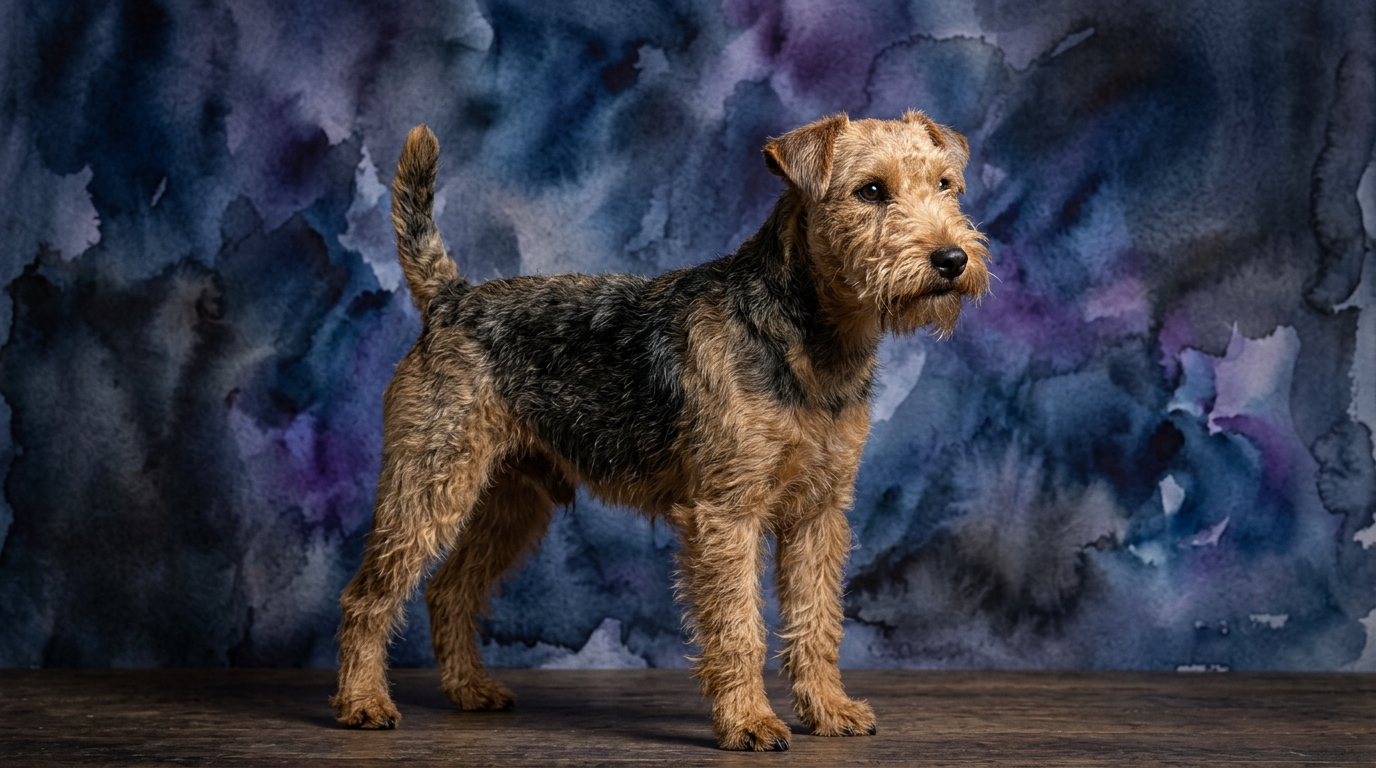
Despite their divergent appearances and temperaments, both the Lakeland Terrier and the Basset Hound are rated 3/5 across all five of our core intelligence dimensions: problem solving, training speed, social intelligence, instinctive drive, and memory. This numerical parity, however, belies the unique ways each breed applies these cognitive strengths, shaped by centuries of selective breeding and distinct working purposes.
For the Lakeland Terrier, a 3/5 in problem-solving means they are adept at practical, immediate challenges, particularly those involving navigating tight spaces, outsmarting small vermin, or finding ways to access desired objects. Their solutions are often direct and physical, reflecting their vermin-hunting heritage in the Lake District. A 3/5 training speed suggests they grasp new commands at a moderate pace, but their independent terrier spirit means 'grasping' doesn't always translate to immediate, eager compliance; they learn but often weigh the perceived value of obedience. Their 3/5 social intelligence allows them to form strong bonds with family and understand household dynamics, though they can be discerning and wary of strangers. A robust 3/5 instinctive drive underscores their strong prey drive, expressed through persistent digging, chasing, and investigating, a core part of their cognitive makeup. Finally, their 3/5 memory enables them to retain training and recall significant events or routines, contributing to consistent behavioral patterns.
The Basset Hound's 3/5 in problem-solving typically manifests in their methodical approach to scent work. Their cognitive efforts are largely dedicated to deciphering intricate scent trails, requiring sustained focus and the ability to ignore distractions, rather than quick, agile maneuvering. A 3/5 training speed for Bassets means they can learn, but their progress is often influenced by their powerful olfactory focus and a tendency towards thoughtful deliberation rather than rapid reaction; consistency and high-value rewards are crucial. Their 3/5 social intelligence often highlights their amiable, pack-oriented nature, making them tolerant and good-natured with family members and other pets, often seeking companionship. A dominant 3/5 in instinctive drive points directly to their unparalleled scenting ability, dictating much of their behavior as they follow their nose with unwavering determination. Their 3/5 memory is particularly strong for scent-related information, allowing them to recall specific trails or locations over extended periods, alongside routines and the people who provide comfort.
Where Lakeland Terrier Wins Cognitively
Despite sharing identical numerical scores, the Lakeland Terrier's cognitive strengths often shine in areas demanding dynamic adaptability and quick physical application. Their 3/5 problem-solving, rooted in their terrier heritage, translates to quicker assessment of rapidly changing situations and more immediate, physical solutions to environmental challenges. This might include deftly navigating an obstacle course, figuring out how to retrieve a toy from a complex hiding spot, or reacting swiftly to unexpected stimuli in their surroundings, where a Basset Hound might exhibit a more deliberate response.
The Lakeland's independent streak, while sometimes a training challenge, fosters a type of self-directed problem-solving that can be a cognitive advantage. A Lakeland might independently devise a strategy to open a cabinet or access a treat dispenser, driven by individual motivation and a curious intellect. This contrasts with a Basset's 3/5 problem-solving, which is more frequently guided by its nose or directed by a human in structured tasks. Their combination of 3/5 social intelligence and instinctive drive also makes Lakelands more acutely vigilant and alert to novel stimuli. They process changes quickly and are more likely to react to unfamiliar sounds or sights, making them effective, albeit sometimes vocal, watchdogs compared to the generally more placid Basset.
Where Basset Hound Wins Cognitively
The Basset Hound's cognitive strengths, while numerically equivalent to the Lakeland's, are profoundly specialized, particularly in the realm of olfactory processing. Their 3/5 instinctive drive is almost singularly dedicated to scent, allowing for an extraordinary, sustained cognitive focus on tracking a trail. This level of singular dedication and methodical persistence in deciphering complex scent information is a cognitive feat that the more multi-faceted Lakeland Terrier, despite its own 3/5 drive, typically cannot match.
While their training speed is 3/5, a Basset's cognitive strength lies in their patient, methodical persistence once engaged in a scent task. Their memory (3/5) for the trail and their inherent drive allow them to work systematically for extended periods, enduring distractions better than a Lakeland might when deeply committed to a scent. This unwavering dedication to a primary sensory input allows them to solve complex olfactory puzzles with an endurance that few other breeds possess. Furthermore, the Basset's 3/5 social intelligence often manifests as a more consistently tolerant and agreeable disposition within a family or established 'pack' environment. They are less prone to the territorial or assertive displays that a Lakeland, with its different expression of 3/5 social intelligence, might exhibit towards other animals or new people, making them exceptionally stable in group dynamics.
Which is Easier to Train and Why
Both breeds are rated 3/5 for training speed, indicating they learn at a moderate pace, but the practical ease of training differs significantly due to their other cognitive dimensions and behavioral predispositions. For the Lakeland Terrier, their 3/5 training speed is often influenced by their independent problem-solving and strong instinctive drive. They certainly learn commands, but their terrier nature means they often choose whether to comply based on their own assessment of the situation or the perceived reward, making consistency and creative motivation essential. They can pick up tricks relatively quickly if motivated, but reliably recalling them in distracting environments presents a consistent challenge.
The Basset Hound's 3/5 training speed is challenged by their overwhelming 3/5 instinctive drive for scent and their sometimes deliberate pace. While not inherently disobedient, their nose can simply override all other stimuli, making it difficult to gain their attention when a compelling scent is present. Training a Basset requires immense patience, consistent positive reinforcement, and often incorporating scent work to leverage their natural inclinations rather than fighting against them. They might take longer to grasp a concept but can be very reliable once they understand and are adequately motivated, especially with high-value food rewards or praise. Their social intelligence (3/5) can make them eager to please their loved ones, but their memory (3/5) for past positive experiences and routines is crucial for solidifying learned behaviors over time.
Which Suits Active Owners vs. Relaxed Owners
When considering ownership, the practical application of their identical IQ scores helps delineate which breed suits different lifestyles. The Lakeland Terrier is best suited for active owners who relish consistent engagement and mental stimulation. Their 3/5 instinctive drive means they need regular outlets for chasing and investigating, while their 3/5 problem-solving requires challenges beyond simple walks. Owners should be prepared for varied exercise, including structured play, puzzle toys, and potentially dog sports like agility or earthdog trials, to channel their energy and cognitive abilities constructively. A truly relaxed, hands-off owner might find their independent spirit and need for engagement overwhelming, leading to boredom-induced behaviors.
The Basset Hound, while often perceived as a 'relaxed' dog, still requires specific types of engagement. They can suit owners who appreciate a more deliberate pace, but this doesn't equate to a sedentary lifestyle. Their profound 3/5 instinctive drive for scent mandates daily opportunities for sniffing and exploring. Long, leisurely walks where they can methodically follow scents are crucial for their mental well-being, satisfying their 3/5 problem-solving through olfactory exploration. A relaxed owner who enjoys these types of focused, scent-based walks, and doesn't mind a dog with a deliberate pace and a strong nose, will find a compatible companion. Owners must understand that 'relaxed' for a Basset still means providing ample, stimulating scent-based exercise to fulfill their deep-seated cognitive needs.
The Verdict
Opt for the Lakeland Terrier if you seek an active, independent companion who thrives on mental challenges, varied activities, and a partner in exploring the world with curious vigilance and quick reactions.
Select the Basset Hound if you appreciate a patient, amiable companion who finds profound satisfaction in methodical scent exploration and enjoys a calmer home life punctuated by deliberate, enriching outdoor adventures.
🧠 Find Your Pet's IQ Score
Our Pet IQ Lab assessment covers 25+ tests across 5 cognitive dimensions — personalized to your breed.
Take the Full IQ Test →Frequently Asked Questions
Do Lakeland Terriers and Basset Hounds have similar learning capabilities?
Both breeds score 3/5 in training speed, meaning they learn at a moderate pace. However, the Lakeland Terrier's independence and the Basset Hound's strong scent drive mean their training approaches and challenges differ significantly in practice, requiring tailored methods for success.
Which breed is better at problem-solving?
Both are rated 3/5 for problem-solving, but they apply it differently. Lakeland Terriers excel at quick, physical solutions in their immediate environment, while Basset Hounds demonstrate problem-solving through sustained, methodical scent tracking, each suited to their historical roles.
Is a Basset Hound truly stubborn or just driven by scent?
While sometimes perceived as stubborn due to their 3/5 training speed, the Basset Hound's strong 3/5 instinctive drive for scent is often the primary factor. Their nose can overpower other stimuli, making consistent, positive reinforcement training crucial to align their natural drives with desired behaviors rather than viewing them as simply uncooperative.