The Pet IQ Lab Profile: A Side-by-Side Look
The Cosmic Pet Pet IQ Lab employs a multi-dimensional framework to assess canine intelligence, moving beyond single-score rankings to provide a granular view of cognitive strengths. For both the Lakeland Terrier and the Chow Chow, our analysis reveals a consistent score of 3 out of 5 across all five key dimensions: Problem Solving, Training Speed, Social Intelligence, Instinctive Drive, and Memory. This parity in scores does not, however, suggest identical minds; rather, it highlights a similar *capacity* that manifests through vastly different temperaments and historical roles.
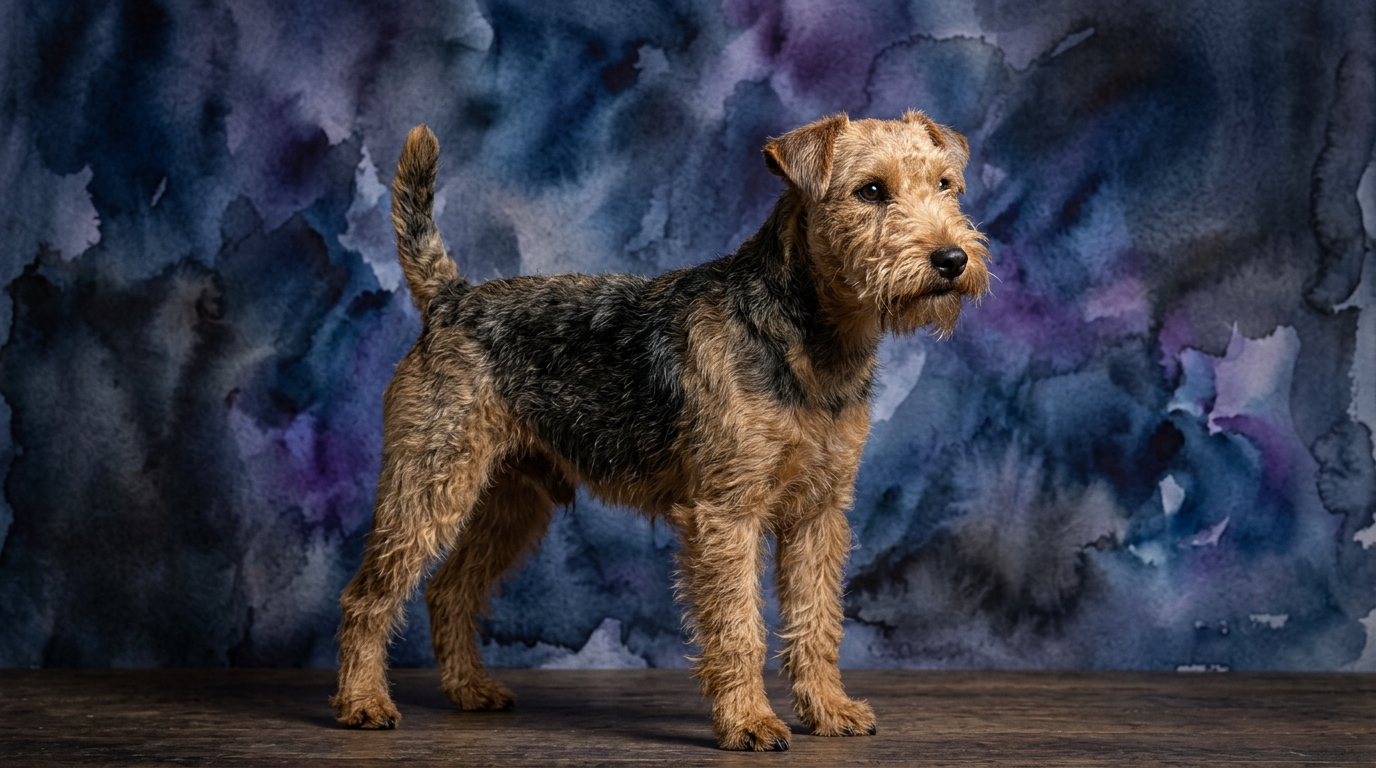
The Lakeland Terrier, a tenacious member of the Terrier group, exhibits a Problem Solving score of 3/5, often applied to navigating complex terrains or outwitting small prey. Their Training Speed, also 3/5, reflects an ability to grasp concepts quickly, tempered by a typical terrier independence. Social Intelligence at 3/5 means they are capable of forming strong bonds and understanding family dynamics, but may also possess a selective sociability. An Instinctive Drive of 3/5 points to their inherent zest for exploration and pursuit, while their Memory, also 3/5, supports learning and recall of relevant experiences, particularly those related to their active lifestyle.
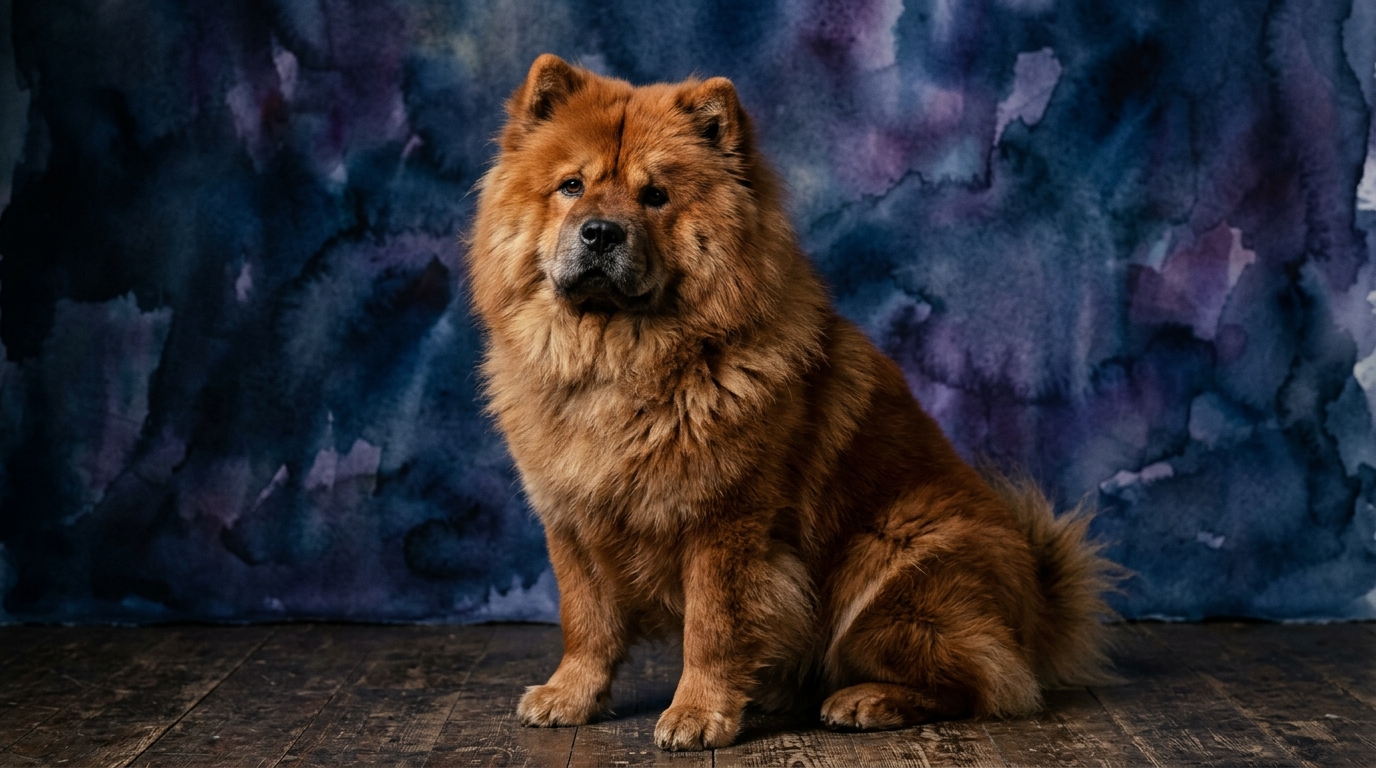
The Chow Chow, a distinctive member of the Non-Sporting group, also registers a Problem Solving score of 3/5, which in their case often translates to understanding household routines, managing their personal space, or assessing unfamiliar situations with a watchful eye. Their Training Speed of 3/5 indicates they can learn effectively, though their unique motivation profile often requires a different approach. A Social Intelligence score of 3/5 means they are deeply attuned to their inner circle, forming profound loyalties, but are famously reserved with strangers. Their Instinctive Drive, 3/5, often manifests as a strong guarding propensity and territorial awareness, rooted in their ancient roles. Finally, their Memory, also 3/5, allows them to retain commands, boundaries, and social hierarchies within their trusted environment.
Where the Lakeland Terrier's Cognition Shines
Despite sharing identical numerical scores, the Lakeland Terrier's cognitive strengths often manifest in their proactive engagement with the world and their adaptable problem-solving. Their 3/5 Problem Solving capability, coupled with their terrier spirit, frequently translates into ingenious ways of overcoming physical obstacles or figuring out how to access enticing scents during walks. This isn't just about raw brainpower; it's about the *application* of that power with a keen, persistent drive. A Lakeland will often try multiple approaches to a puzzle, demonstrating a flexible and experimental mindset, especially when a reward or a 'game' is involved.
Their 3/5 Social Intelligence, while not always outwardly effusive, is often characterized by a quick perception of their handler's mood and intentions, allowing for nuanced communication within their family unit. They can quickly learn what behaviors elicit a desired response from their humans, using their memory and social understanding to navigate daily interactions effectively. This breed’s independent yet cooperative nature means their cognitive efforts are often directed towards engaging with their environment and their people in a dynamic, sometimes challenging, but always spirited way, making them adept at various dog sports and activities that require quick thinking and agility.
Where the Chow Chow's Cognition Excels
The Chow Chow's cognitive advantages, with their consistent 3/5 scores, lie in their discerning observation, quiet self-sufficiency, and profound sense of territory. Their Problem Solving at 3/5 is often expressed not through active exploration, but through a thoughtful assessment of situations. A Chow Chow might not rush to solve a puzzle, but will observe, process, and then act with deliberate purpose, especially when it concerns their comfort or security. This reflective approach to problem-solving allows them to be highly effective guardians, understanding threats and boundaries with a calm, watchful intellect.
Their 3/5 Social Intelligence, while leading to their often-misunderstood aloofness, is actually a strength in its specificity. They are not broadly social, but deeply loyal to their chosen few. This means their cognitive resources are intensely focused on understanding the dynamics and needs of their inner circle, remembering specific interactions and preferences with remarkable clarity (Memory 3/5). They often possess an innate ability to 'read' their trusted humans, anticipating routines and emotional states without needing constant overt interaction. Their cognitive process is often internal and self-directed, leading to a profound, unwavering bond with their family that is built on mutual respect and a quiet understanding.
Training Dynamics: Independence vs. Engagement
While both breeds share a Training Speed score of 3/5, the *ease* of training them differs significantly due to their distinct temperaments and motivational structures. The Lakeland Terrier, despite its occasional stubbornness, generally possesses a spirited eagerness to engage with its handler. Their 3/5 Instinctive Drive fuels a desire for activity and interaction, making them receptive to training methods that involve play, variety, and the channeling of their natural instincts. They learn commands at a moderate pace, but their enthusiasm and desire for a 'job' often make the training process feel more collaborative and rewarding, provided the handler keeps it interesting and firm.
The Chow Chow, conversely, presents a unique training challenge rooted in its profound independence and discerning nature. Their 3/5 Training Speed means they *can* learn at a moderate pace, but their willingness to *perform* is often conditional. The Chow Chow operates on a 'what's in it for me?' principle, and their 3/5 Social Intelligence is geared towards loyalty within their terms, not unquestioning obedience. Training a Chow Chow requires immense patience, consistency, and a deep understanding of their motivations. Forceful methods are counterproductive; instead, positive reinforcement, clear communication, and respecting their autonomous spirit are crucial. They might learn a command quickly but choose not to execute it if they don't see the purpose, making them often perceived as 'difficult' to train despite their cognitive capacity.
Lifestyle Suitability: Active Pursuits vs. Calm Companionship
The cognitive profiles and inherent drives of these two breeds naturally align with different owner lifestyles. The Lakeland Terrier, with its 3/5 Instinctive Drive and energetic disposition, thrives with active owners who enjoy outdoor adventures, dog sports, or simply consistent, engaging play sessions. Their problem-solving skills are best honed through activities that challenge their intellect and physical prowess, such as agility, earthdog trials, or intricate scent work. An owner who can provide varied mental and physical stimulation will find a Lakeland to be a joyous, interactive companion, eager to participate in daily activities and explore the world with gusto. They need an outlet for their curiosity and tenacity to prevent boredom-driven behaviors.
The Chow Chow, on the other hand, with its more reserved demeanor and independent spirit, is often a better fit for relaxed owners who appreciate a dignified, self-contained companion. While they still require regular, moderate exercise to maintain physical health, their cognitive needs are often met through structured routines, opportunities for observation, and quiet companionship. Their 3/5 Instinctive Drive manifests more as guarding and territoriality than as a constant need for high-octane activity. Owners who understand and respect the Chow Chow's introspective nature, providing a secure and predictable environment, will find a deeply loyal and affectionate, albeit discerning, friend. They are not typically a breed for constant interaction or demanding performance, preferring to share space and affection on their own terms.
The Verdict: Choosing Your Canine Companion
The Pet IQ Lab's consistent 3/5 scores for both Lakeland Terriers and Chow Chows underscore that intelligence is multifaceted, manifesting uniquely in each breed. The choice between these two breeds hinges not on which is 'smarter,' but on which breed's application of its cognitive abilities, coupled with its temperament, best suits your lifestyle and expectations. Both offer distinct companionship experiences, each requiring a specific kind of understanding and engagement from their human counterparts.
The Verdict
Choose the Lakeland Terrier if you seek an active, engaging companion eager to participate in varied activities and thrive on dynamic interaction, appreciating their spirited independence and problem-solving zest.
Opt for the Chow Chow if you prefer a dignified, self-reliant companion who offers profound loyalty and quiet companionship, understanding their reserved nature and respecting their discerning approach to life and training.
🧠 Find Your Pet's IQ Score
Our Pet IQ Lab assessment covers 25+ tests across 5 cognitive dimensions — personalized to your breed.
Take the Full IQ Test →Frequently Asked Questions
Do identical IQ scores mean these breeds are equally easy to live with?
Not at all. While both breeds score 3/5 across cognitive dimensions, their temperaments and drives are vastly different. The Lakeland Terrier is generally more active and outwardly engaging, while the Chow Chow is renowned for its independent and reserved nature, leading to distinct daily interactions and care requirements.
How does 'Training Speed 3/5' translate differently for each breed?
For the Lakeland Terrier, a 3/5 Training Speed means they can learn commands moderately quickly, often with enthusiasm if training is engaging and consistent. For the Chow Chow, also 3/5, it signifies they possess the cognitive capacity to learn, but their independent motivation means they might learn at the same pace but choose to comply only if they see a clear benefit or respect the handler's request.
Are Lakeland Terriers or Chow Chows better for first-time dog owners?
Neither breed is typically recommended for novice owners without significant research and commitment. Lakeland Terriers require consistent training and ample outlets for their energy and terrier instincts. Chow Chows demand an owner who understands and respects their independent, often aloof nature, and who can provide patient, consistent training without force, making them challenging for those new to dog ownership.