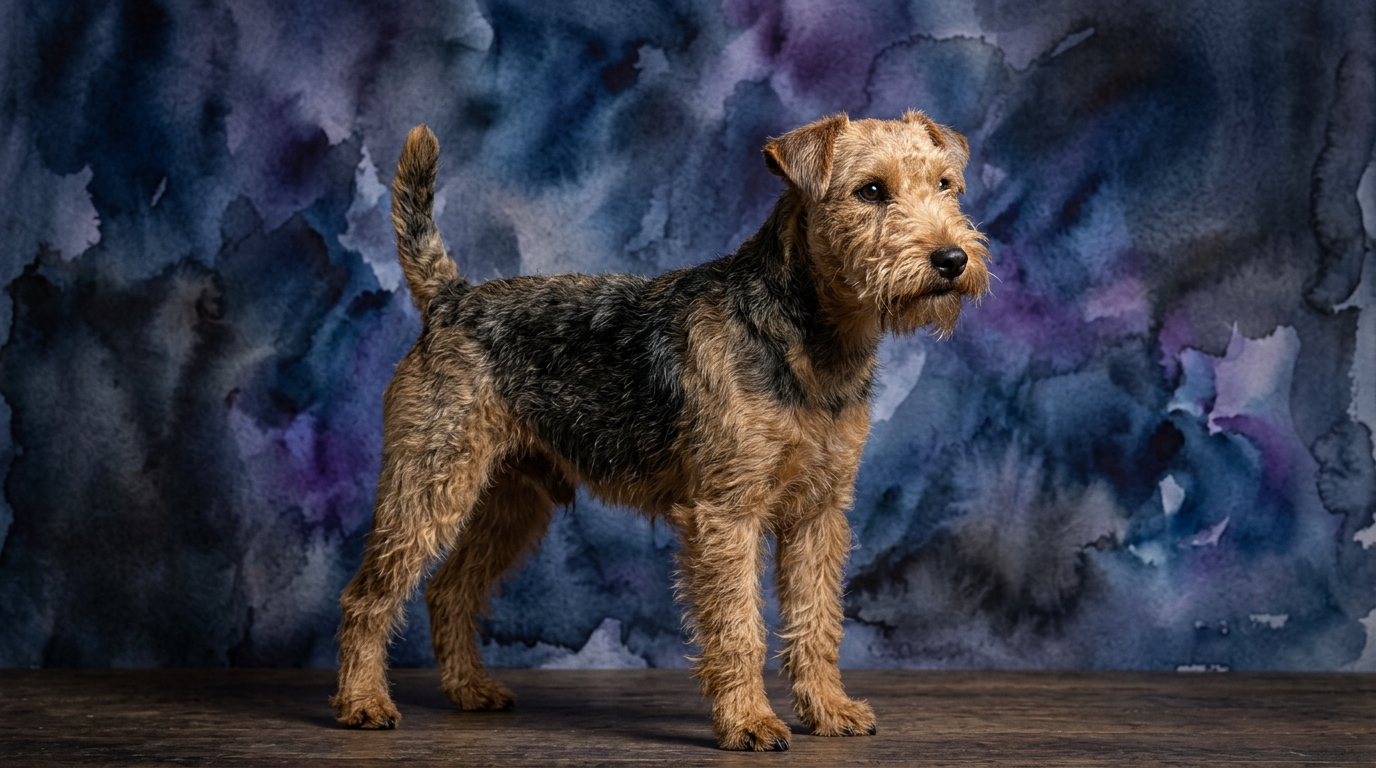

Side-by-Side IQ Profile: Unpacking Terrier Minds
At first glance, the cognitive profiles of the Lakeland Terrier and the Dandie Dinmont Terrier appear remarkably similar, with both breeds registering a consistent 3 out of 5 across all five evaluated dimensions: Problem Solving, Training Speed, Social Intelligence, Instinctive Drive, and Memory. This baseline indicates a competent, capable canine mind, typical of the Terrier group, suggesting neither is a prodigy nor particularly challenged in these areas. However, these identical scores don't tell the whole story; the *manifestation* of these cognitive strengths often differs significantly between the two.
For the Lakeland Terrier, a 3/5 in Problem Solving typically translates into a resourceful, often boisterous approach to challenges. They tend to be quick-thinking and tenacious, willing to try various solutions until they achieve their goal, sometimes with a touch of independent stubbornness. Their Training Speed at 3/5 means they grasp concepts readily, but their strong will can sometimes make compliance a choice rather than an automatic response. Social Intelligence, also 3/5, suggests they can read human cues and inter-dog dynamics but often prioritize their own agenda. Their Instinctive Drive, a robust 3/5, is geared towards active hunting and exploration, manifesting as a keen interest in scents and movement. Finally, a 3/5 in Memory ensures they retain learned commands and experiences effectively, for better or worse.
The Dandie Dinmont Terrier, while sharing the same 3/5 ratings, often expresses these cognitive traits with a distinct character. Their Problem Solving at 3/5 is typically more methodical and deliberate. They might take a moment longer to assess a situation but often arrive at a solution through thoughtful consideration rather than impulsive action. A 3/5 in Training Speed indicates they learn at a steady pace, often responding particularly well to patient, positive reinforcement, and consistency. Their Social Intelligence, also 3/5, is often characterized by a more reserved and observant nature; they are deeply attuned to their family's moods and routines, processing social cues with a sensitive understanding. The 3/5 Instinctive Drive in a Dandie Dinmont typically focuses on traditional vermin hunting, often with a quiet determination. Their Memory, a solid 3/5, contributes to their reliability once a routine or command is established, showing strong retention of positive associations and household expectations.
Where the Lakeland Terrier's Cognition Shines
Despite identical scores, the Lakeland Terrier often exhibits a distinctive edge in certain cognitive applications. Their 3/5 Problem Solving, for instance, frequently manifests as a more proactive and physically engaged approach to overcoming obstacles. If a Lakeland wants something, whether it's a forgotten toy under the sofa or access to a stimulating scent, they will typically employ a range of physical maneuvers and persistent effort to achieve it. This isn't just about figuring out *how* to do something, but the sheer drive and physical ingenuity to *make it happen*.
Furthermore, their 3/5 Instinctive Drive, while shared by the Dandie Dinmont, often has a broader, more adventurous scope in the Lakeland. Bred for rugged terrain and diverse quarry, their drive fuels a boundless curiosity and eagerness to explore new environments. This translates into a cognitive benefit in settings that demand adaptability and a willingness to engage with novel stimuli. A Lakeland's cognitive strengths lie in their robust, energetic application of their intellect, making them particularly adept at tasks requiring sustained physical and mental engagement, often with an independent flair that allows them to thrive in dynamic situations.
Where the Dandie Dinmont Terrier's Cognition Excels
The Dandie Dinmont Terrier, with its equally competent 3/5 scores, demonstrates cognitive strengths that lean towards a more refined and emotionally intelligent application. Their 3/5 Social Intelligence, for example, often presents as a deep, nuanced understanding of their human family's emotional landscape. They are remarkably observant of household dynamics and individual moods, often adapting their behavior with a subtle empathy that belies their terrier heritage. This makes them profoundly attuned companions, capable of sensing and responding to the emotional states of their closest humans.
Additionally, the Dandie Dinmont's 3/5 Training Speed and 3/5 Memory often combine to create a highly reliable and consistent learner, once a concept is thoroughly understood and accepted. While they may not be the fastest to pick up a new trick, their methodical processing ensures that once a command is ingrained, it is remembered with remarkable fidelity. Their learning is often characterized by a quiet determination and a desire to please their primary caregiver, fostering a deep-seated obedience that, while not always immediate, is exceptionally enduring and trustworthy. Their cognitive strengths are rooted in their sensitivity, consistency, and thoughtful processing.
Training Dynamics: Navigating the Terrier Mindset
When it comes to trainability, the identical 3/5 scores for Training Speed for both breeds mask distinct behavioral nuances. Neither the Lakeland nor the Dandie Dinmont Terrier can be described as inherently 'easy' to train in the way some retriever or herding breeds might be, primarily due to their strong terrier independence. However, the approach and expected outcomes differ.
The Lakeland Terrier, with its direct problem-solving and vigorous instinctive drive, often requires a trainer to be equally engaging and assertive. While they learn quickly, their independence means they might weigh the 'value' of complying versus pursuing their own exciting agenda. Training a Lakeland effectively means making lessons fun, varied, and highly rewarding, often leveraging their physical prowess and curiosity. Consistency is paramount, as is a sense of humor, to navigate their spirited challenges to authority. Their 3/5 memory means they remember what they've learned, but also what they've gotten away with, making early and consistent boundaries crucial.
The Dandie Dinmont Terrier, conversely, often responds best to a more gentle, patient, and routine-oriented training approach. Their methodical processing and sensitive social intelligence mean they can be more easily discouraged by harsh methods. While they may take a bit longer to fully grasp a new command (still a 3/5, indicating competence), once they understand it and the bond with their trainer is established, their 3/5 memory and desire for consistency make them remarkably reliable. They thrive on positive reinforcement, clear expectations, and a calm, predictable environment. Their willingness to cooperate, once convinced, often stems from their deep attachment to their family, rather than an inherent eagerness to please all humans.
Lifestyle Match: Active Engagement vs. Thoughtful Companionship
The cognitive profiles of these two breeds, even with identical scores, offer clear guidance for matching them with suitable owner lifestyles. The Lakeland Terrier, with its robust energy, direct problem-solving, and expansive instinctive drive, is an excellent fit for active owners who relish outdoor adventures and engaging their dog in varied activities. They thrive on vigorous daily exercise, whether it's long hikes, agility training, or exploring new trails. Their cognitive makeup demands consistent mental and physical stimulation; without sufficient outlets, their ingenuity and drive can manifest in less desirable behaviors, like digging or excessive barking. An owner who can channel their spirited intelligence into productive tasks will find a truly rewarding companion.
The Dandie Dinmont Terrier, while still requiring regular exercise, is generally better suited for owners who appreciate a slightly more relaxed pace but still value intellectual engagement. Their methodical processing, sensitive social intelligence, and consistent memory make them superb indoor companions who enjoy being central to family life. They thrive on a predictable routine and benefit from moderate daily walks, opportunities for sniffing exploration, and mental puzzles. They are not content to be mere 'lapdogs' but do not demand the same intensity of physical output as a Lakeland. An owner who can provide a stable, loving home environment with thoughtful engagement and consistent interaction will find a deeply devoted and perceptive companion in a Dandie Dinmont.
The Verdict
Choose the Lakeland Terrier if you are an active, adventurous owner seeking a spirited, tenacious companion who thrives on dynamic challenges and direct engagement.
Opt for the Dandie Dinmont Terrier if you prefer a more subtle, sensitive, and profoundly loyal companion who excels in a consistent home environment with thoughtful, patient interaction.
🧠 Find Your Pet's IQ Score
Our Pet IQ Lab assessment covers 25+ tests across 5 cognitive dimensions — personalized to your breed.
Take the Full IQ Test →Frequently Asked Questions
Are Lakeland Terriers and Dandie Dinmont Terriers difficult to train?
Neither breed is inherently 'difficult' in terms of grasping concepts, as both have a 3/5 training speed. However, their terrier independence means training requires consistency, patience, and understanding their unique motivations. They are not typically 'eager to please' breeds, but competent learners.
Do these breeds excel at specific types of problem-solving?
Yes, their 3/5 problem-solving manifests differently. Lakeland Terriers tend towards direct, physical, and persistent trial-and-error, while Dandie Dinmont Terriers often employ a more methodical, thoughtful, and observant approach to challenges. Both can solve problems, but their methods diverge.
How does their social intelligence impact living with other pets?
Both breeds have a 3/5 social intelligence, meaning they can read cues but often have their own strong opinions. Lakeland Terriers might be more boisterous and assertive, while Dandie Dinmont Terriers tend to be more reserved and selective in their interactions. Early socialization is crucial for harmonious multi-pet households with either breed.