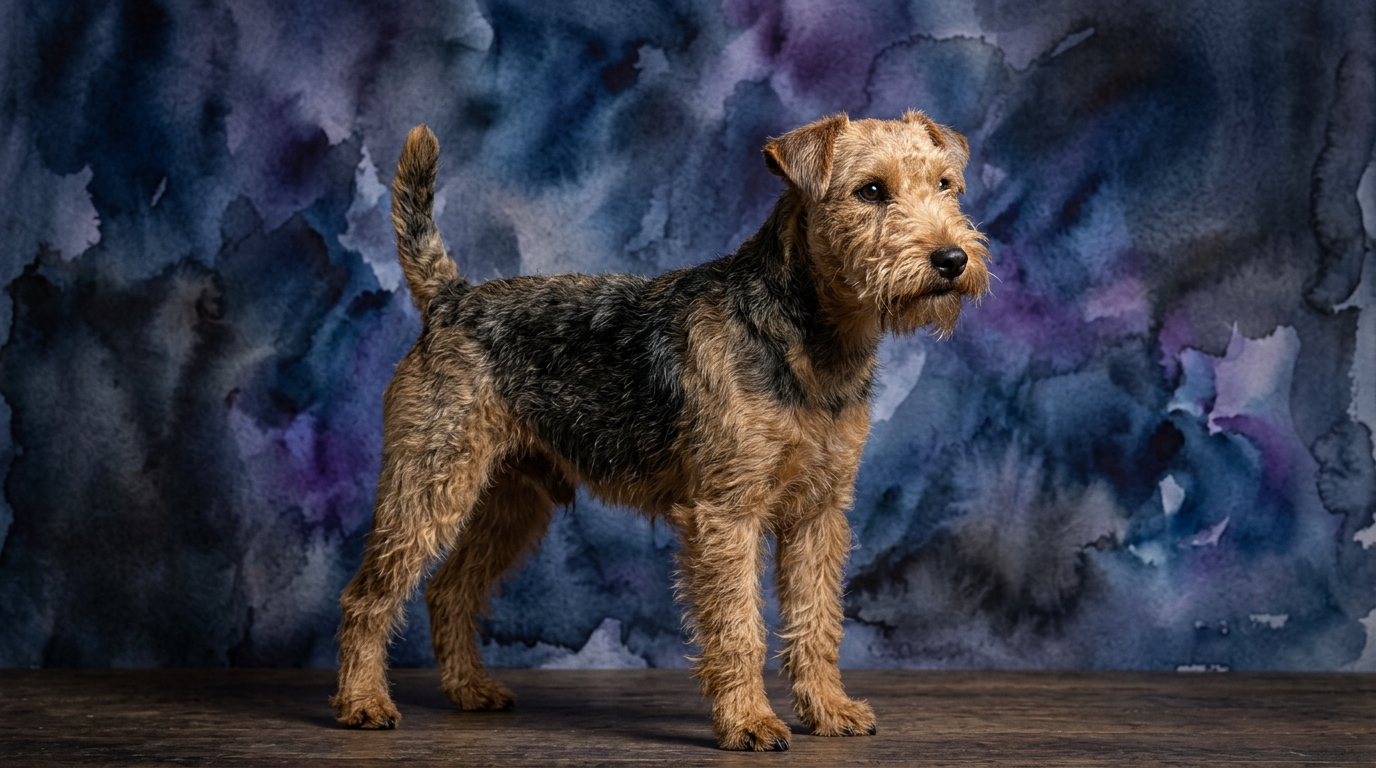

Side-by-Side IQ Profile: Interpreting the Threes
The Cosmic Pet Pet IQ Lab assigns both the Lakeland Terrier and the German Pinscher a consistent 3/5 across all five measured cognitive dimensions: Problem Solving, Training Speed, Social Intelligence, Instinctive Drive, and Memory. This uniform scoring might initially suggest identical cognitive makeup, but understanding the context of their breed origins and typical temperaments allows for a more specific interpretation of what a '3' signifies for each.
For the **Lakeland Terrier**, a 3/5 in Problem Solving often translates to an independent, tenacious approach to overcoming obstacles, particularly those related to their ancestral role of hunting vermin in challenging terrain. Their Training Speed at 3/5 indicates they are capable learners, but their terrier stubbornness might mean they require engaging methods and consistent reinforcement to maintain focus. A Social Intelligence score of 3/5 suggests they are perceptive within their core family unit but can be reserved or assertive with strangers and other dogs, relying on clear communication signals. Their Instinctive Drive at 3/5 is robust, manifesting as a strong prey drive, a desire to dig, and a territorial alertness. Finally, a Memory score of 3/5 means they retain information well, remembering routines, past experiences, and effective strategies for achieving their goals, whether it’s finding a hidden treat or navigating a familiar park.
In contrast, for the **German Pinscher**, a 3/5 in Problem Solving likely speaks to a more analytical and watchful approach, often geared towards assessing situations for potential threats or figuring out how to achieve a desired outcome within a structured environment. Their Training Speed at 3/5 indicates a moderate pace of learning, often excelling with clear, consistent commands and a sense of purpose in the task. Social Intelligence at 3/5 suggests they are acutely aware of their human companions' moods and intentions, often forming strong bonds and acting as vigilant protectors, though they can be wary of unfamiliar individuals. Their Instinctive Drive, also at 3/5, is expressed through strong guarding instincts, a keen prey drive for small vermin, and a natural territoriality. A Memory score of 3/5 for the German Pinscher implies a good recall for commands, learned behaviors, and an ability to remember specific individuals or situations, which aids in their protective duties and daily routines.
Where the Lakeland Terrier Cognitively Excels
Despite identical scores, the Lakeland Terrier's cognitive strengths often lie in their self-directed problem-solving and unyielding persistence. Their 3/5 in Problem Solving is less about following a human's instruction to solve a puzzle and more about independently devising ways to get what they want, such as tunneling under a fence to explore or persistently 'working' a toy until it yields a treat. This tenacity, born from generations of hunting small game, means they don't easily give up on a mental challenge they've set for themselves.
Their Instinctive Drive at 3/5 is a powerful cognitive engine for exploration and engagement with the world. This drive fuels their curiosity and provides a robust motivation for learning through discovery. While it can present training challenges, it also means they are constantly processing environmental stimuli, assessing scents, sounds, and potential 'prey' opportunities, making them exceptionally alert and aware of their surroundings in a uniquely terrier fashion. Their memory, at 3/5, supports this by allowing them to recall successful hunting routes or effective strategies for outwitting small critters, translating into a cleverness in daily life.
Where the German Pinscher Cognitively Excels
The German Pinscher's cognitive prowess often shines in areas requiring keen observation, assessment, and a more structured application of their abilities. Their 3/5 in Social Intelligence, combined with their 3/5 Instinctive Drive for guarding, means they excel at reading situations and human intentions. They are adept at discerning friend from stranger, often processing subtle cues in body language and tone to determine potential threats or welcome guests, making them excellent evaluators of social dynamics within their home environment.
Their Problem Solving at 3/5 is frequently applied to practical, goal-oriented tasks, often in service of their family. This might involve figuring out how to alert their owner to an approaching visitor, navigating a complex environment to check on family members, or quickly understanding the rules of a new game. Their memory (3/5) supports this by allowing them to quickly commit commands and routines to long-term retention, facilitating their role as a vigilant and reliable companion. They learn and remember what is expected of them and how to fulfill those expectations efficiently.
Training: Navigating Independence vs. Purpose
When considering which breed might be 'easier' to train, the nuance lies in their inherent motivations and behavioral tendencies, even with identical 3/5 Training Speed scores. The Lakeland Terrier, with its strong independent streak and self-directed Problem Solving, often approaches training as a negotiation. Their 3/5 Instinctive Drive means they might prioritize an interesting scent or a perceived 'hunt' over a human command. Training a Lakeland requires creativity, making lessons feel like a game, and demonstrating why cooperation benefits them. Consistency is paramount, as is understanding that their 'stubbornness' is often just strong self-will.
The German Pinscher, conversely, often thrives on structure and purpose, making their 3/5 Training Speed feel more responsive in many contexts. Their working breed heritage means they often seek a 'job' and appreciate clear guidance. While they possess a strong will and a 3/5 Instinctive Drive, it's often channeled into loyalty and protecting their family, which can make them eager to please and learn commands that reinforce their role. Early socialization and consistent, positive reinforcement are crucial for both, but the German Pinscher's inclination towards partnership can sometimes make the training journey feel more straightforward for an owner seeking a highly compliant companion.
Matching Lifestyles: Active Explorers vs. Vigilant Companions
Both breeds demand active engagement, yet the nature of that activity differs significantly, reflecting their cognitive profiles. The Lakeland Terrier, with its robust 3/5 Instinctive Drive and independent Problem Solving, is an ideal fit for owners who enjoy adventurous outdoor activities like hiking, earthdog trials, or long walks in varied terrain. They thrive when given opportunities to explore, dig (in designated areas!), and engage their senses, requiring mental stimulation that taps into their terrier instincts. A relaxed owner who prefers minimal engagement might find their independent nature and energy levels challenging.
The German Pinscher, while equally energetic with a 3/5 Instinctive Drive, often channels its activity into more structured pursuits and companionship. They are excellent partners for activities like obedience, agility, or even protection sports, where their 3/5 Social Intelligence and Memory can be put to good use in a team setting. Their vigilance makes them suitable for owners who appreciate a watchful companion and are prepared to provide consistent mental and physical exercise within a well-defined routine. While they enjoy active outings, their preference often leans towards activities shared with their human, rather than purely independent exploration.
The Verdict: When to Choose Each Breed
The Verdict
Choose the Lakeland Terrier if you appreciate a spirited, independent companion who thrives on self-directed exploration and challenges, and you are prepared for a clever, tenacious problem-solver with a strong will. They are best for owners who enjoy engaging with a dog's inherent terrier nature and can provide creative outlets for their cognitive and physical energy.
Opt for the German Pinscher if you seek a vigilant, devoted companion who excels in structured activities and partnership, and you value a dog with a keen social intelligence and a desire to protect its family. They are ideal for owners who can provide consistent training, clear leadership, and purposeful activities that harness their working breed instincts.
🧠 Find Your Pet's IQ Score
Our Pet IQ Lab assessment covers 25+ tests across 5 cognitive dimensions — personalized to your breed.
Take the Full IQ Test →Frequently Asked Questions
Do identical IQ scores mean these breeds are equally 'smart'?
Identical scores of 3/5 suggest a moderate capability across the measured dimensions for both breeds, but the *manifestation* of that intelligence differs significantly based on their breed group and historical roles. It means they have similar *potential* but express it through distinct cognitive styles and motivations.
Which breed is better for first-time dog owners?
Neither breed is typically recommended for first-time owners without prior research and commitment to training. Both possess strong wills and high energy. However, the German Pinscher's inclination towards structured learning and partnership might make them slightly more manageable for a dedicated novice who is prepared to invest heavily in training and socialization, compared to the independent spirit of the Lakeland Terrier.
How can I best stimulate these breeds mentally?
For the Lakeland Terrier, mental stimulation involves scent work, puzzle toys that require tenacious problem-solving, and earthdog activities. For the German Pinscher, focus on obedience training, agility, advanced trick training, and roles that allow them to 'guard' or 'watch' their home effectively.