
Side-by-Side IQ Profile: Unpacking Identical Scores
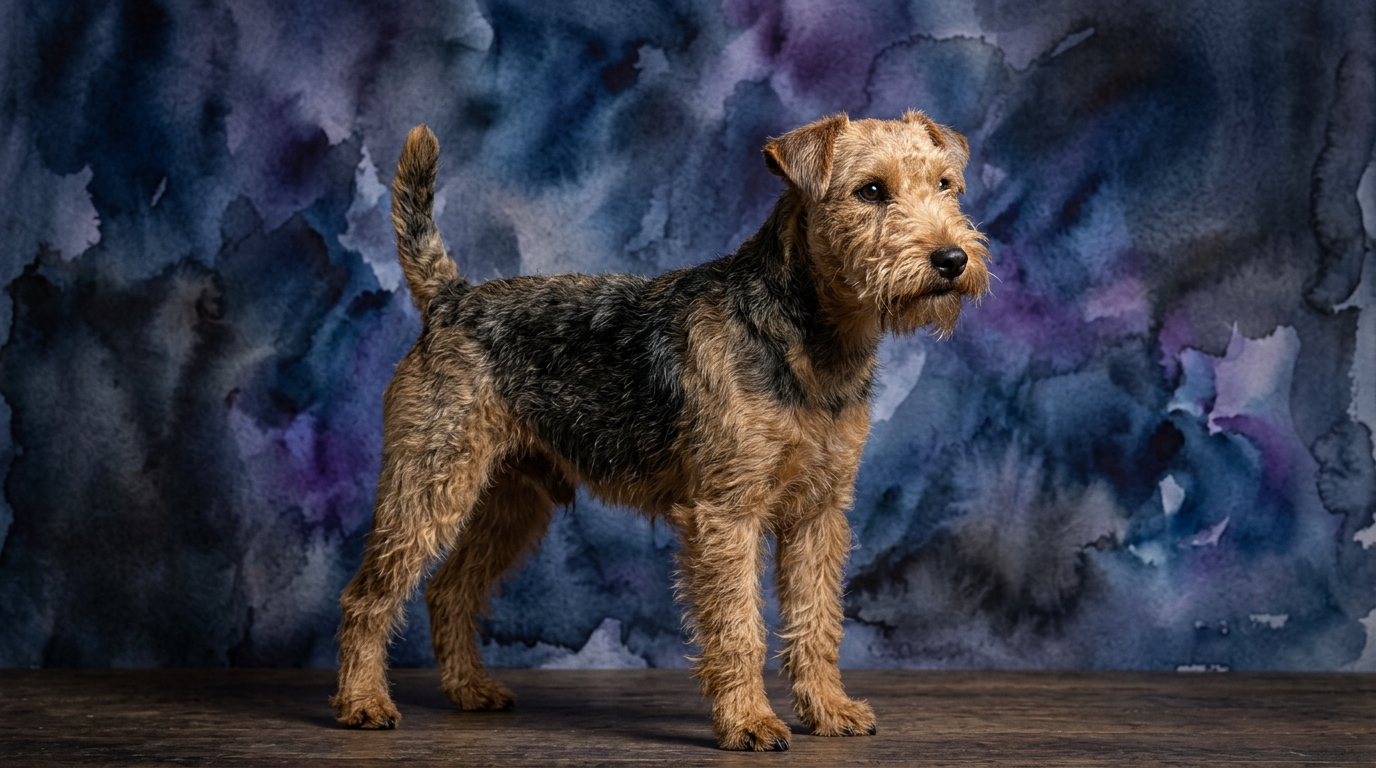
At first glance, the IQ profiles for the Lakeland Terrier and the Lhasa Apso appear strikingly similar, each scoring 3 out of 5 in problem solving, training speed, social intelligence, instinctive drive, and memory. However, a deeper dive into their breed-specific manifestations reveals fascinating distinctions rooted in their ancestral purposes. For the Lakeland Terrier, a breed hailing from England's Lake District, problem-solving (3/5) typically involves practical ingenuity and tenacious persistence in navigating challenging environments or pursuing a goal, often with a physical component. Their training speed (3/5) reflects a moderate ability to grasp new commands, though their independent terrier spirit means compliance is often a matter of choice, requiring engaging and consistent methods. Social intelligence (3/5) for a Lakeland means keenly observing family dynamics and emotional states, yet they may choose to act on their own terms rather than conforming. Instinctive drive (3/5) is robust, centered on hunting, digging, and barking, representing a strong, focused engagement with their environment. Their memory (3/5) is reliable for routines, routes, and past interactions, contributing to their confident navigation of their world.
The Lhasa Apso, originating from the high Himalayas as a sentinel in Tibetan monasteries, interprets these same scores through a different lens. Their problem-solving (3/5) often manifests as keen observation and strategic maneuvering within a domestic setting, adept at figuring out how to secure a preferred spot or gain attention through subtle communication. Training speed (3/5) indicates a moderate learning capacity, but their independent and somewhat regal disposition means they need to be convinced of a command's value, requiring patience and positive reinforcement to foster willing participation. Social intelligence (3/5) is highly refined within their trusted circle, making them exceptional observers of human emotions and household dynamics, though they remain reserved with strangers. Their instinctive drive (3/5) is primarily expressed as a vigilant sentinel role, leading to alert barking and territorial awareness as a living alarm system. Memory (3/5) is strong for people, places, and established routines, underpinning their discerning nature and enduring attachments.
Where the Lakeland Terrier Excels Cognitively
The Lakeland Terrier truly shines in cognitive scenarios demanding practical, dynamic problem-solving and swift decision-making. Their historical role of hunting vermin in rugged terrain instilled a tenacity and resourcefulness that translates into a persistent, hands-on approach to challenges. A Lakeland will often demonstrate superior ability in tasks requiring independent thought to overcome physical obstacles, such as figuring out how to open a gate, navigate complex outdoor environments, or retrieve a hidden toy through sheer determination. Their cognitive strength lies in their capacity for focused, goal-oriented persistence, rarely giving up once they set their mind to a task, even if it requires repeated attempts or creative detours. This makes them particularly adept at activities where self-directed action and resilience are paramount, allowing them to adapt quickly to unpredictable situations and pursue objectives with unwavering resolve.
Where the Lhasa Apso Excels Cognitively
The Lhasa Apso's cognitive strengths lean towards nuanced social observation and a discerning understanding of their immediate environment. As ancient monastery sentinels, they developed an exceptional ability to perceive subtle shifts in their surroundings and within their human family. A Lhasa Apso often excels at reading a room, understanding complex household dynamics, and predicting human behavior, not through physical intervention but through keen observation and subtle communication. Their problem-solving in this context is less about physical challenges and more about social maneuvering—figuring out how to get their way or secure a comfortable spot through charm or strategic positioning. This makes them highly effective at their sentinel role, alerting to unusual occurrences with a precise understanding of what constitutes a deviation from the norm. Their ability to form deep, perceptive bonds with their chosen family highlights their advanced social intelligence and memory for interactions.
Training Dynamics: Independence vs. Discretion
Despite both breeds scoring 3/5 in training speed, the 'ease' of training them differs significantly due to their underlying temperaments and motivations. The Lakeland Terrier, with its strong independent streak and inherent prey drive, can be challenging because their focus is often self-directed. They grasp commands moderately well but might choose to prioritize a captivating scent or the thrill of the chase over immediate obedience. Training a Lakeland requires consistent, engaging methods that channel their natural drives, offering them a 'job' that satisfies their terrier instincts, rather than attempting to suppress them entirely. Success often hinges on making training a high-energy, rewarding game that appeals to their desire for engagement and mental stimulation, managing their potential for stubbornness.
The Lhasa Apso presents a different training challenge. Their independence stems from a discerning and somewhat self-important nature; they need to be convinced that obeying a command is worthwhile or beneficial to them. While they learn at a moderate pace, their willingness to perform is tied to their perception of the command's value and the respect they feel for their handler. They are not typically driven by a strong desire to please in the conventional sense but respond exceptionally well to positive reinforcement, patience, and a strong, respectful bond. Training a Lhasa requires a gentle yet firm hand, focusing on building trust and making sessions enjoyable to overcome their potential for stubbornness or selective hearing. Neither breed is inherently 'easy' to train, but the specific behavioral nuances that require attention are distinct: one needs channeling of drive, the other needs motivation through respect and perceived benefit.
Lifestyle Match: Active Engagement vs. Discerning Companionship
For owners seeking an active, engaged companion, the Lakeland Terrier often proves to be an ideal match. Their cognitive profile, marked by practical problem-solving and strong instinctive drives, thrives with owners who enjoy outdoor adventures, dog sports, or simply providing ample mental and physical stimulation. They are best suited for individuals or families who can channel their terrier tenacity into productive outlets, like agility, earthdog trials, or long, varied walks that engage their scenting and hunting instincts. An active owner who appreciates a dog's independent spirit and can provide consistent training and boundaries will find a rewarding partnership with a Lakeland, fostering their cognitive strengths through shared exploration and challenges.
Conversely, the Lhasa Apso is better suited for owners who appreciate a discerning, observant companion rather than a constant activity partner. While they enjoy regular walks, their activity needs are moderate, and their cognitive strengths shine in a home where they can fulfill their sentinel role and engage in subtle social interactions. They thrive with owners who understand and respect their independent and somewhat reserved nature, providing a stable, loving environment where their perceptive social intelligence and strong memory can be fully appreciated. A Lhasa Apso is an excellent choice for individuals or families seeking a loyal, watchful companion who offers companionship without demanding constant physical exertion, preferring to be a central, observed member of the household, attuned to its rhythms and moods.
The Verdict
Choose the Lakeland Terrier if you are an active owner who can channel a dog's tenacious, independent problem-solving and strong drives into engaging activities and consistent training.
Opt for the Lhasa Apso if you value a perceptive, discerning companion who excels at subtle social observation and thrives in a stable home where their watchful nature is appreciated.
🧠 Find Your Pet's IQ Score
Our Pet IQ Lab assessment covers 25+ tests across 5 cognitive dimensions — personalized to your breed.
Take the Full IQ Test →Frequently Asked Questions
Are Lakeland Terriers good family dogs?
Yes, Lakeland Terriers can be excellent family dogs, especially with active families who understand their independent nature and can provide consistent training. Their social intelligence allows them to bond deeply, though they may be selective in their affections and require early socialization with children and other pets.
Do Lhasa Apsos bark a lot?
Lhasa Apsos are known for their vigilant nature and strong instinctive drive as sentinels, which often translates to alert barking at perceived threats or new arrivals. While this makes them excellent watchdogs, consistent training from a young age can help manage excessive barking and teach them appropriate times to vocalize.
How much exercise do these breeds need?
Lakeland Terriers require a moderate to high amount of exercise, including vigorous play and walks, to satisfy their energetic terrier nature and strong drives. Lhasa Apsos have more moderate exercise needs, enjoying daily walks and indoor play, but are generally content with less intense physical activity compared to the Lakeland Terrier.