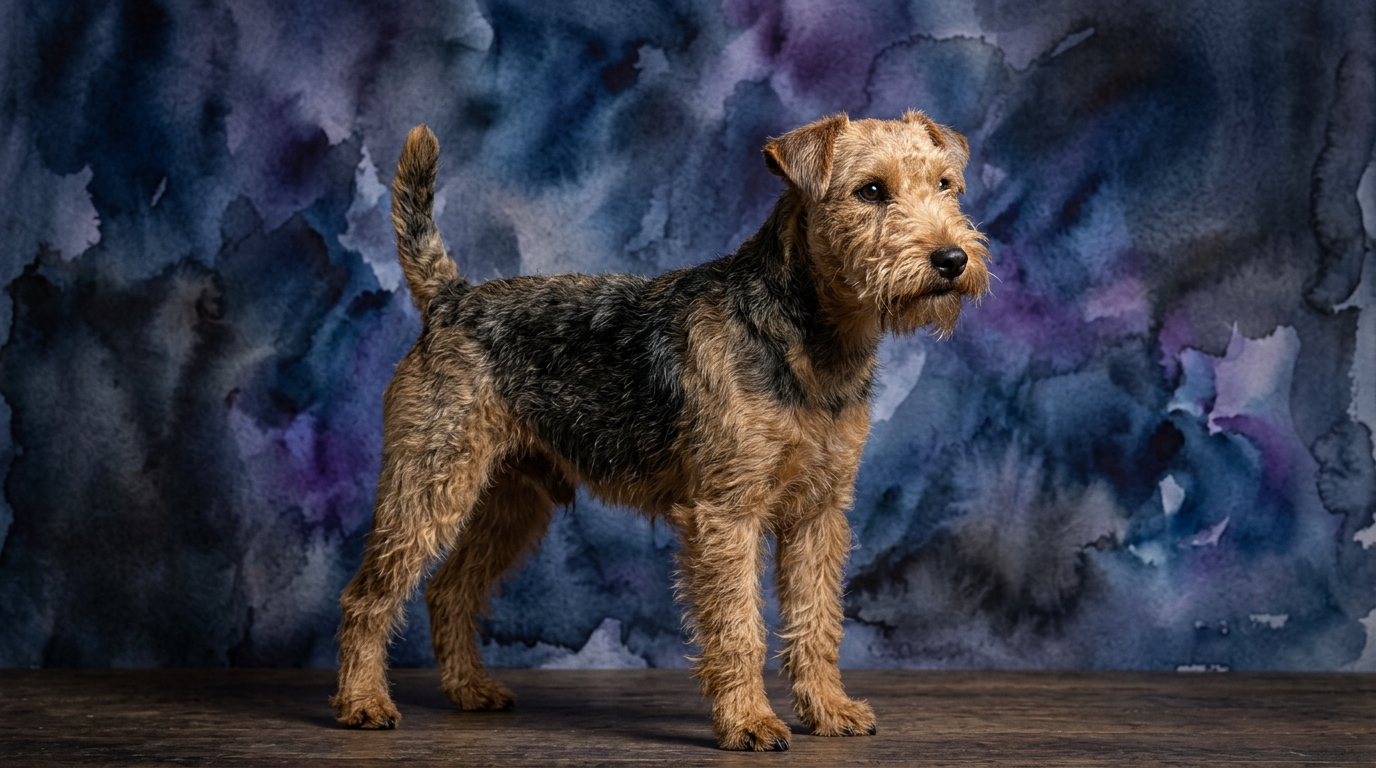
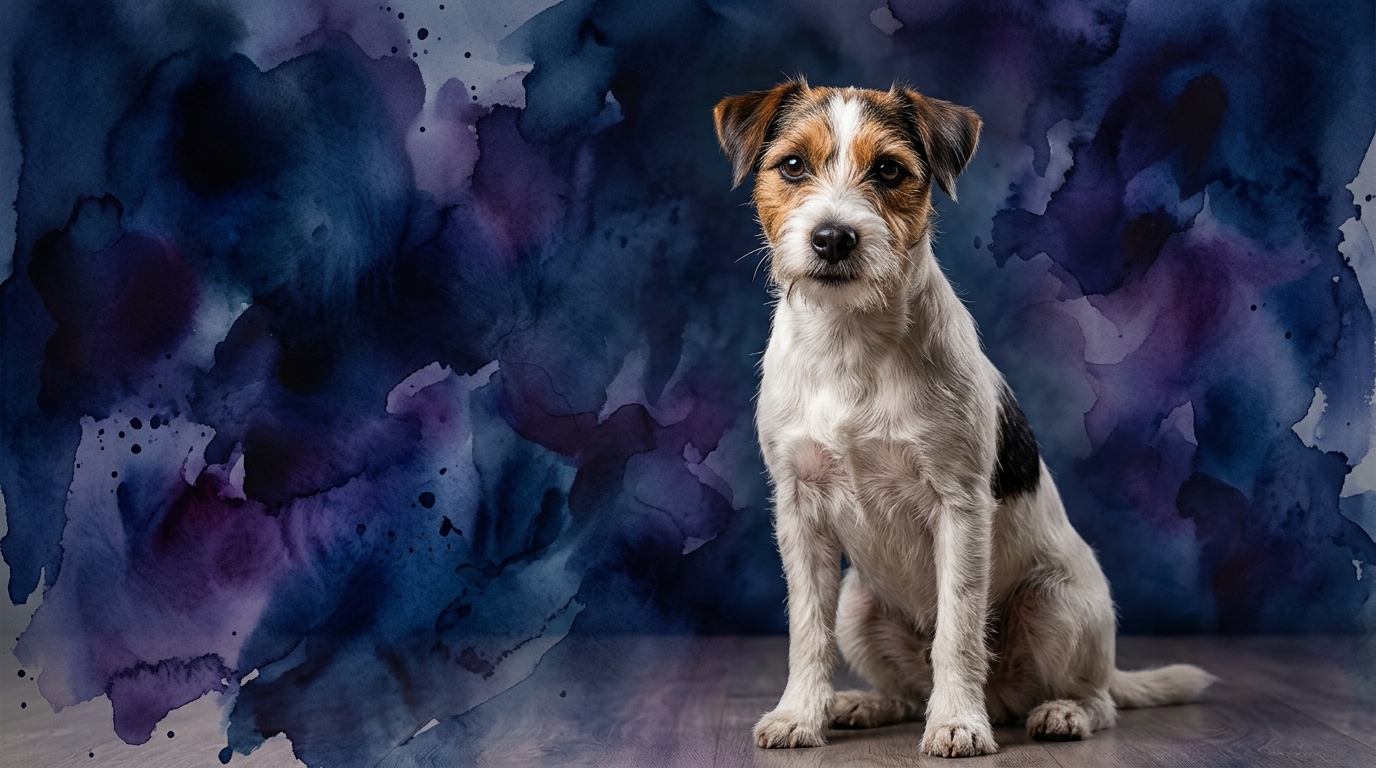
Side-by-side IQ profile
The Cosmic Pet Pet IQ Lab employs a five-dimensional framework to assess canine intelligence, providing a nuanced perspective beyond simple obedience. For both the Lakeland Terrier and the Parson Russell Terrier, each dimension registers a robust 3 out of 5, suggesting a solid baseline of cognitive function. However, the *expression* of these scores is where their individual personalities emerge, shaped by their distinct histories and breed purposes.
Problem Solving (3/5): Both breeds demonstrate practical intelligence, capable of figuring out solutions to environmental challenges. A Lakeland Terrier might apply this to navigating a varied hiking trail, remembering shortcuts, or strategizing how to reach a high-value toy. Their problem-solving often carries a hint of deliberation, assessing a situation before committing to a course of action. The Parson Russell Terrier, conversely, channels its problem-solving into more direct, often high-energy pursuits. This breed excels at breaking down obstacles to reach a perceived goal, such as finding the weak point in a fence or devising a way to retrieve a ball from under furniture, showcasing a persistent, trial-and-error approach driven by intense focus.
Training Speed (3/5): Both terriers possess a moderate learning pace, indicating they can grasp new commands and routines with consistent instruction. The Lakeland Terrier, while capable, might require a trainer to be particularly engaging, as their independent streak means they respond best when they feel an activity is worthwhile and rewarding. Once a lesson is learned, it tends to stick firmly in their memory. The Parson Russell Terrier, equally rated, often learns rapidly in high-motivation environments, especially when tasks involve movement or a clear "job." Their eagerness to participate can make them appear quick, but their boundless energy and potential for distraction mean that consistency and precise redirection are paramount for solidifying training.
Social Intelligence (3/5): Both breeds are adept at understanding human cues and navigating social situations within their family unit. The Lakeland Terrier often displays a keen observational ability, quietly absorbing the dynamics of a household and responding to subtle shifts in mood or routine. They form deep, loyal bonds, demonstrating an intuitive grasp of their human companions' needs, often being attuned to emotional nuances. The Parson Russell Terrier's social intelligence manifests more overtly; they are quick to engage, eager to interact, and adept at eliciting attention. They readily pick up on social cues, often using their charm and lively personality to direct interactions, sometimes testing boundaries to see what they can get away with.
Instinctive Drive (3/5): As true terriers, both breeds exhibit a strong, inherent drive for hunting, digging, and exploration. The Lakeland Terrier's drive is powerful but often manifests with a slightly more contained intensity. They possess a robust prey drive, an urge to investigate scents, and a love for digging, yet they can often be redirected with engaging activities. Their historical role as fell hunters means they are adaptable to diverse terrains and challenges. The Parson Russell Terrier, however, often displays an almost relentless intensity in its instinctive pursuits. Their prey drive is pronounced, often leading to persistent digging, chasing small animals, and an unwavering focus when engaged in a "hunt." This drive is a core part of their being, demanding outlets for healthy expression.
Memory (3/5): Both the Lakeland and Parson Russell Terriers possess a good capacity for memory, retaining information about their environment, routines, and past experiences. A Lakeland Terrier will remember familiar faces, the layout of their home and regular walking routes, and the specific commands they have mastered. Their memory contributes to their consistent behavior once habits are established. The Parson Russell Terrier also demonstrates excellent recall, particularly for activities and people associated with positive reinforcement or exciting experiences. They remember training cues, but also where the best digging spots are, or the last place a squirrel was spotted, showcasing a memory tied closely to their active, exploratory nature.
Where Lakeland Terrier wins cognitively
The Lakeland Terrier, with its balanced 3/5 scores and often more reserved, thoughtful demeanor, exhibits a cognitive advantage in adaptability and nuanced social observation. While tenacious, their problem-solving can lean towards a more considered approach, allowing them to assess new situations or puzzles with a degree of deliberation before launching into action. This trait makes them particularly good at adjusting to changes in routine or environment, processing new information with a subtle grace. Their social intelligence often translates into a deeper attunement to household dynamics, making them perceptive companions who seem to understand unspoken cues, offering comfort or companionship precisely when needed without requiring overt direction. This emotional intelligence, while not a separate score, influences how their 3/5 social intelligence is expressed, favoring a more empathetic engagement.
Where Parson Russell Terrier wins cognitively
The Parson Russell Terrier's identical 3/5 scores, when combined with their characteristic exuberance and focused drive, grant them a cognitive edge in tasks demanding intense, sustained engagement and physical problem-solving. Their problem-solving prowess truly shines when faced with a clear objective that requires tenacity and physical exertion, such as navigating complex agility courses or tirelessly working to unearth a hidden toy. Their instinctive drive, while rated 3/5, manifests with an almost unwavering focus, allowing them to maintain concentration on a "job" for extended periods. This makes their training speed, also 3/5, exceptionally effective in high-motivation scenarios where their natural drive aligns with the desired outcome, leading to rapid acquisition of active commands and complex sequences. They are masters of applying their intellect to vigorous, purpose-driven activities.
Which is easier to train and why
Both the Lakeland Terrier and the Parson Russell Terrier register a 3/5 for training speed, indicating they are capable of learning at a moderate pace. However, the *process* of training differs due to their inherent temperaments and how their social intelligence and instinctive drives manifest. The Lakeland Terrier, often possessing an independent streak, might require a trainer to be particularly patient, consistent, and creative, using positive reinforcement to make lessons highly rewarding. Their social intelligence means they understand commands, but their motivation might stem from a desire for companionship and mental engagement rather than an overt eagerness to please.
The Parson Russell Terrier, with its boundless energy and intense prey drive, can appear to learn very quickly, especially in high-energy activities. Their challenge lies in managing their powerful instinctive drive and channeling their focus. While quick to grasp concepts, they can also be easily distracted or decide their own "solutions" if not precisely guided. Their social intelligence helps them connect with their trainer, but their exuberance means training often involves more redirection and impulse control exercises. For both, early socialization and consistent, engaging training are crucial, but the PRT often demands more active management of its inherent intensity to ensure lessons stick.
Which suits active owners vs relaxed owners
Considering their 3/5 instinctive drive and problem-solving abilities, neither the Lakeland Terrier nor the Parson Russell Terrier is genuinely suited for a "relaxed" owner seeking a low-maintenance companion. Both breeds thrive on activity and mental stimulation.
The Parson Russell Terrier is an excellent match for highly active owners who embrace a dynamic lifestyle. Their relentless energy, focused problem-solving, and intense instinctive drive make them ideal partners for demanding sports like agility, flyball, or long, vigorous trail runs. They excel when given a clear "job" to do, finding immense satisfaction in purposeful activity that taps into their energetic cognitive strengths.
The Lakeland Terrier, while still requiring substantial daily engagement, might suit an active owner who appreciates consistent daily walks, moderate hikes, and engaging play, perhaps with a slightly less frenetic pace than a PRT demands. Their social intelligence ensures they enjoy companionship, and their problem-solving can be satisfied with varied obedience work, puzzle toys, and exploration, rather than requiring constant high-impact physical challenges. They are active companions but might offer a more composed presence in quieter moments.
The Verdict
Select a Lakeland Terrier if you appreciate a tenacious, clever companion who offers a balance of independent spirit and devoted affection, thriving on consistent mental engagement and varied activities without requiring the relentless, high-octane output of some terriers.
Opt for a Parson Russell Terrier if you lead a highly active lifestyle and seek an energetic, driven partner eager for demanding tasks, agility, and extensive outdoor adventures, where their focused problem-solving and boundless enthusiasm can truly shine.
🧠 Find Your Pet's IQ Score
Our Pet IQ Lab assessment covers 25+ tests across 5 cognitive dimensions — personalized to your breed.
Take the Full IQ Test →Frequently Asked Questions
Do Lakeland Terriers or Parson Russell Terriers bark a lot?
Both breeds, being terriers with a 3/5 instinctive drive, can be prone to barking, especially if bored, left alone, or detecting "intruders" like squirrels or mail carriers. Their social intelligence means they communicate effectively, and barking is a natural terrier expression that requires consistent training to manage effectively.
Are these breeds good with children?
Both breeds can be good with older, respectful children, given their 3/5 social intelligence and moderate memory. They thrive in homes where boundaries are clear and interactions are positive and supervised. Early socialization and teaching children how to properly interact with dogs are crucial for fostering harmonious relationships.
How much exercise do Lakeland and Parson Russell Terriers need daily?
Given their 3/5 instinctive drive and energetic nature, both breeds require significant daily exercise and mental stimulation. This typically means at least 60-90 minutes of vigorous activity, including walks, play, and engaging training sessions, to keep their problem-solving minds and active bodies content and prevent boredom.