A Side-by-Side Look at Cognitive Profiles
The Cosmic Pet Pet IQ Lab employs a five-dimensional framework to assess canine intelligence, providing a granular view beyond simple rankings. For both the Lakeland Terrier and the Pekingese, our analysis reveals a consistent 3/5 rating across all five cognitive dimensions, indicating a balanced but distinct set of mental capabilities for each breed.
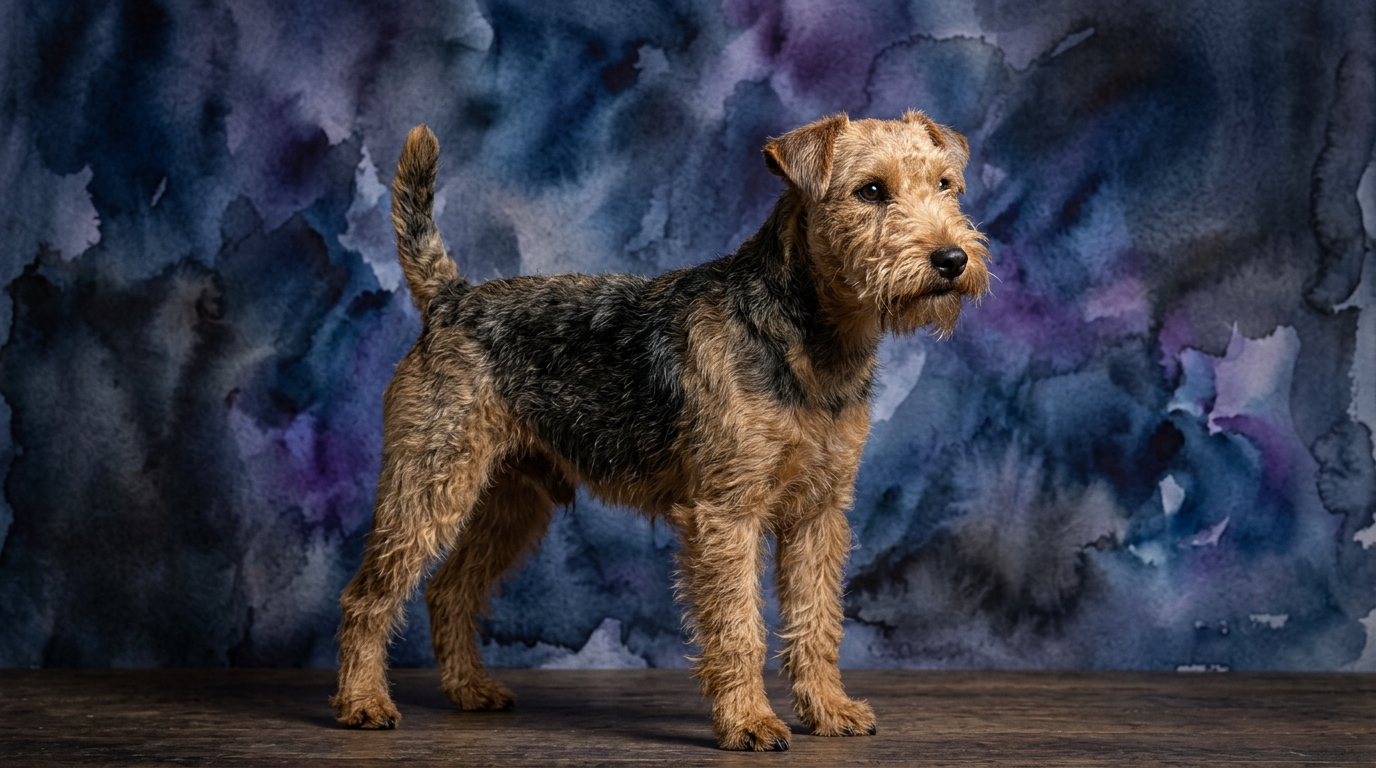
The Lakeland Terrier, though not Coren-ranked, demonstrates a practical and driven intelligence. For Problem Solving (3/5), they are resourceful, independently devising solutions to obstacles, especially if it involves digging or pursuit. Their Training Speed (3/5) shows efficient learning, yet their independent spirit demands engaging, varied methods for sustained focus. Social Intelligence (3/5) involves keen observation of their human family, forming strong bonds while often prioritizing their own agenda. Their Instinctive Drive (3/5) is pronounced, characterized by a strong prey drive, sharp senses, and a natural inclination to explore and hunt, shaping spontaneous behaviors. Finally, their Memory (3/5) allows them to retain learned behaviors and routines effectively, recalling specific locations or experiences linked to excitement.
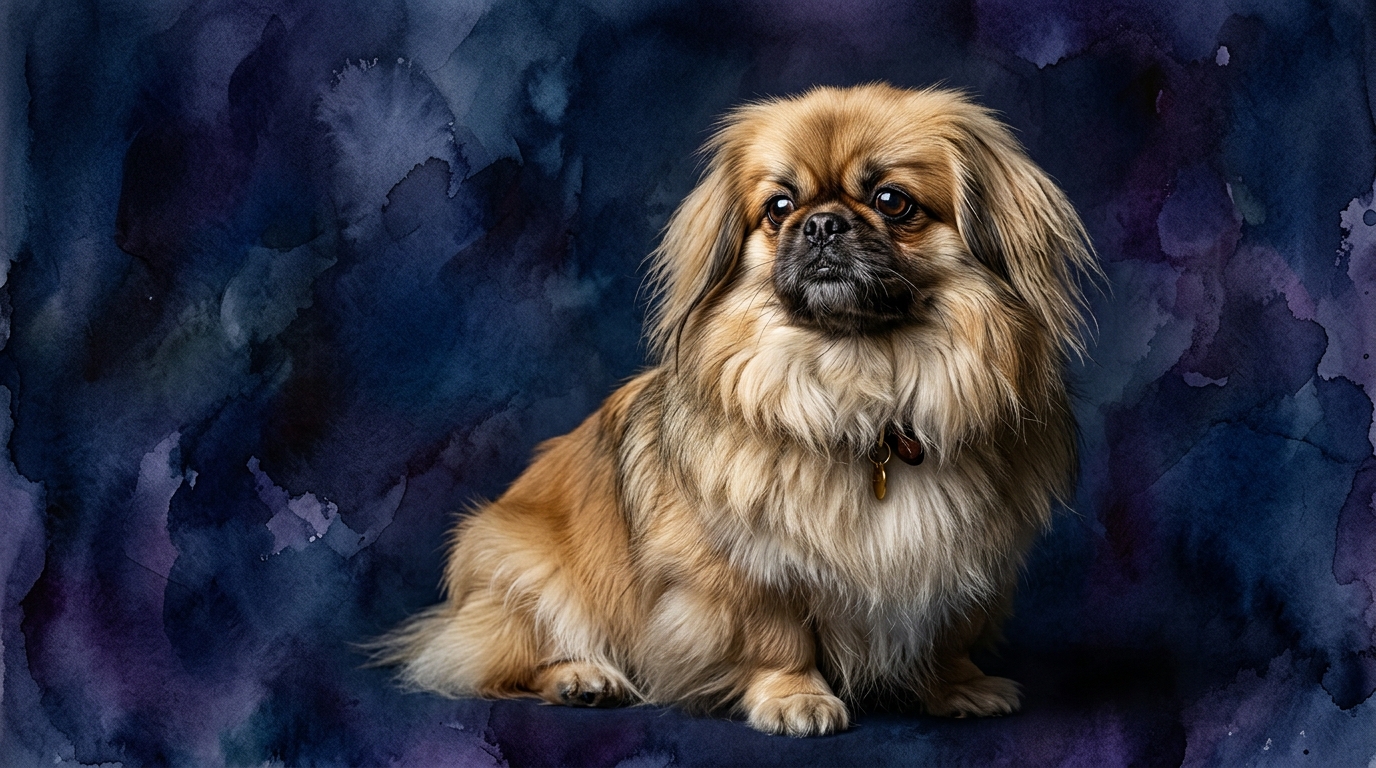
The Pekingese, holding a Coren rank of #77, approaches cognitive tasks with a different emphasis. Their Problem Solving (3/5) is frequently expressed through subtle manipulation, using their distinct personality to achieve desired outcomes from humans within their domestic sphere. Regarding Training Speed (3/5), Pekingese are capable learners, but their strong will demands patience and consistent positive reinforcement, learning best when they perceive a clear personal benefit. Their Social Intelligence (3/5) is highly developed towards their human family, demonstrating profound attunement to owner's moods and routines, communicating needs with specific behaviors. The Instinctive Drive (3/5) in a Pekingese manifests as strong territorial awareness and a devoted, protective streak towards their chosen humans and home. Their Memory (3/5) is robust, enabling them to recall people, places, and established routines, often remembering past interactions or the precise location of beloved items.
Where the Lakeland Terrier’s Cognition Shines
The Lakeland Terrier's cognitive strengths are most evident in dynamic, explorative contexts, reflecting their heritage as a working terrier. Their problem-solving at a 3/5 rating is particularly effective when faced with tangible, environmental challenges. For instance, a Lakeland might excel at figuring out how to navigate a complex outdoor obstacle course or how to unearth a buried toy, demonstrating a practical, hands-on application of their mental faculties. This breed’s instinctive drive, also at 3/5, fuels a persistent curiosity and a determination to follow scents or investigate unusual sounds, making them adept at tasks requiring focused attention on external stimuli. Their memory is finely tuned to retain spatial information and successful hunting strategies, allowing them to recall the best routes through a park or where they last spotted a squirrel. This combination of independent problem-solving and keen instinctive application makes them particularly effective in scenarios demanding self-reliance and environmental engagement.
Where the Pekingese’s Cognition Excels
In contrast, the Pekingese, with its 3/5 ratings across the board, showcases cognitive strengths that are more finely tuned to the nuances of domestic life and human interaction. Their problem-solving, while rated equally, often involves a more sophisticated understanding of social dynamics. A Pekingese might cleverly "solve" the problem of wanting attention by employing specific vocalizations or body language that their owner has learned to respond to, or by strategically placing themselves in an owner's path. Their social intelligence, at 3/5, is a standout, allowing them to read subtle shifts in human mood or routine with remarkable accuracy, fostering exceptionally deep and responsive bonds. This sensitivity enables them to anticipate needs or desires, often reacting before a verbal command is given. Their memory is excellent for personal routines and the specific preferences of their human companions, remembering precisely which lap is most comfortable or which person is most likely to share a treat. The Pekingese's cognitive profile emphasizes emotional attunement and a subtle command of their immediate social environment.
Training Dynamics: Will vs. Wanderlust
When it comes to ease of training, both the Lakeland Terrier and the Pekingese receive a 3/5 rating for training speed, but the underlying behavioral differences present distinct challenges. The Lakeland Terrier, with its robust instinctive drive, can be highly distractible. A sudden scent or movement outdoors can instantly override a training command, requiring owners to maintain a high level of engagement and consistency. Their problem-solving skills, while valuable, can also lead them to 'outthink' their trainer, finding ways around commands if they perceive a more interesting alternative. Training a Lakeland means making the desired behavior more rewarding and engaging than any potential distraction.
The Pekingese, on the other hand, presents a different kind of training challenge due to its strong will and independent nature. While equally capable of learning, they are not inherently driven by a desire to please in the same way some other breeds might be. Their 3/5 social intelligence means they understand commands, but their problem-solving often involves assessing whether compliance truly benefits them. Training a Pekingese requires immense patience, positive reinforcement, and a clear demonstration of how obeying a command aligns with their own comfort or desires. Neither breed is inherently 'easy' to train, but the Lakeland demands consistent redirection from external stimuli, while the Pekingese requires a firm yet gentle persuasion to overcome internal resistance.
Matching Breeds to Lifestyles: Active Explorers vs. Regal Companions
Considering their distinct cognitive profiles, the Lakeland Terrier is an ideal match for active owners who relish outdoor adventures and enjoy engaging their dog in various activities. An owner who appreciates a dog that can problem-solve independently on a hike, participate enthusiastically in agility courses, or enjoy extended play sessions will find the Lakeland’s energetic and curious mind a perfect fit. Their instinctive drive and memory for routes make them excellent companions for exploring new environments, and their social intelligence allows them to bond closely with an engaged family. This breed thrives when given opportunities to exercise both body and mind in stimulating, varied ways.
The Pekingese, by contrast, is better suited for more relaxed owners who appreciate a devoted, discerning companion content with a comfortable indoor life. Owners who value a deep emotional connection and a dog that is highly attuned to their personal routines will find the Pekingese's sophisticated social intelligence and problem-solving through subtle cues incredibly rewarding. This breed thrives in an environment where their comfort is prioritized and their subtle communications are understood. While they enjoy short, gentle walks, their primary need for mental engagement revolves around their human family, observing and interacting within their familiar home territory. Their memory for routines and preferences makes them predictable and comforting companions for those seeking a loyal presence.
The Verdict
Choose the Lakeland Terrier if you seek an active, independent companion eager to tackle outdoor adventures and mental challenges, thriving on exploration and hands-on problem-solving.
Opt for the Pekingese if you desire a loyal, discerning housemate who excels in social attunement and subtle communication, content with a comfortable, predictable indoor life and a deep, personal bond.
🧠 Find Your Pet's IQ Score
Our Pet IQ Lab assessment covers 25+ tests across 5 cognitive dimensions — personalized to your breed.
Take the Full IQ Test →Frequently Asked Questions
Are Lakeland Terriers stubborn during training?
Lakeland Terriers can appear stubborn due to their strong independent streak and pronounced instinctive drive. While they learn quickly, their focus can easily shift to external stimuli, requiring consistent, engaging, and varied training methods to hold their attention effectively.
Do Pekingese require a lot of mental stimulation?
Pekingese require mental stimulation, though it often manifests differently than in more active breeds. Their stimulation comes primarily from interacting with their human family, observing household dynamics, and engaging in subtle communication, rather than complex tasks or strenuous physical activities. Providing comfort and consistent routines is key.
How do their instinctive drives manifest differently?
The Lakeland Terrier's instinctive drive is outwardly focused, manifesting as a strong prey drive, curiosity for exploration, and a desire to dig or pursue. The Pekingese's instinctive drive is more inwardly focused, centering on territorial awareness within their home and a protective, devoted attachment to their human companions, expressing itself through vigilance and loyalty.