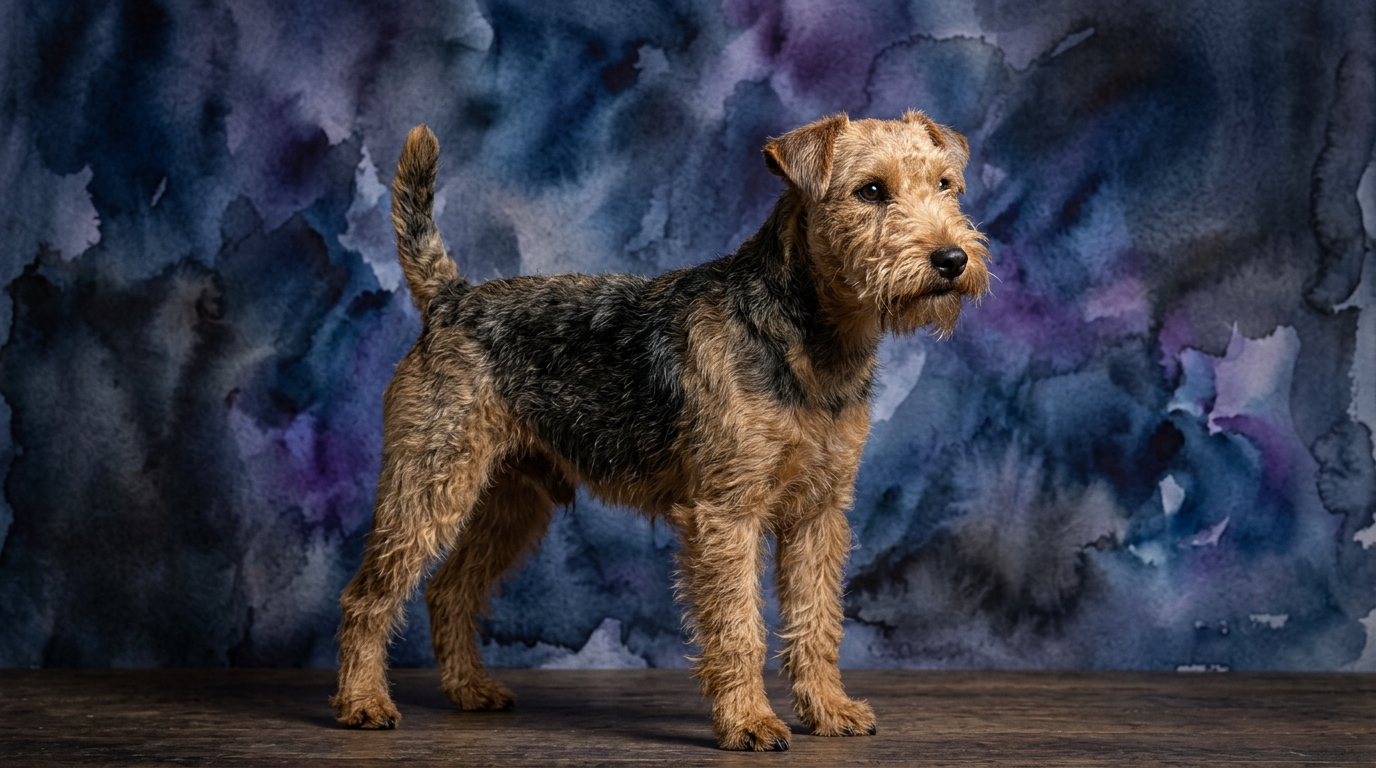
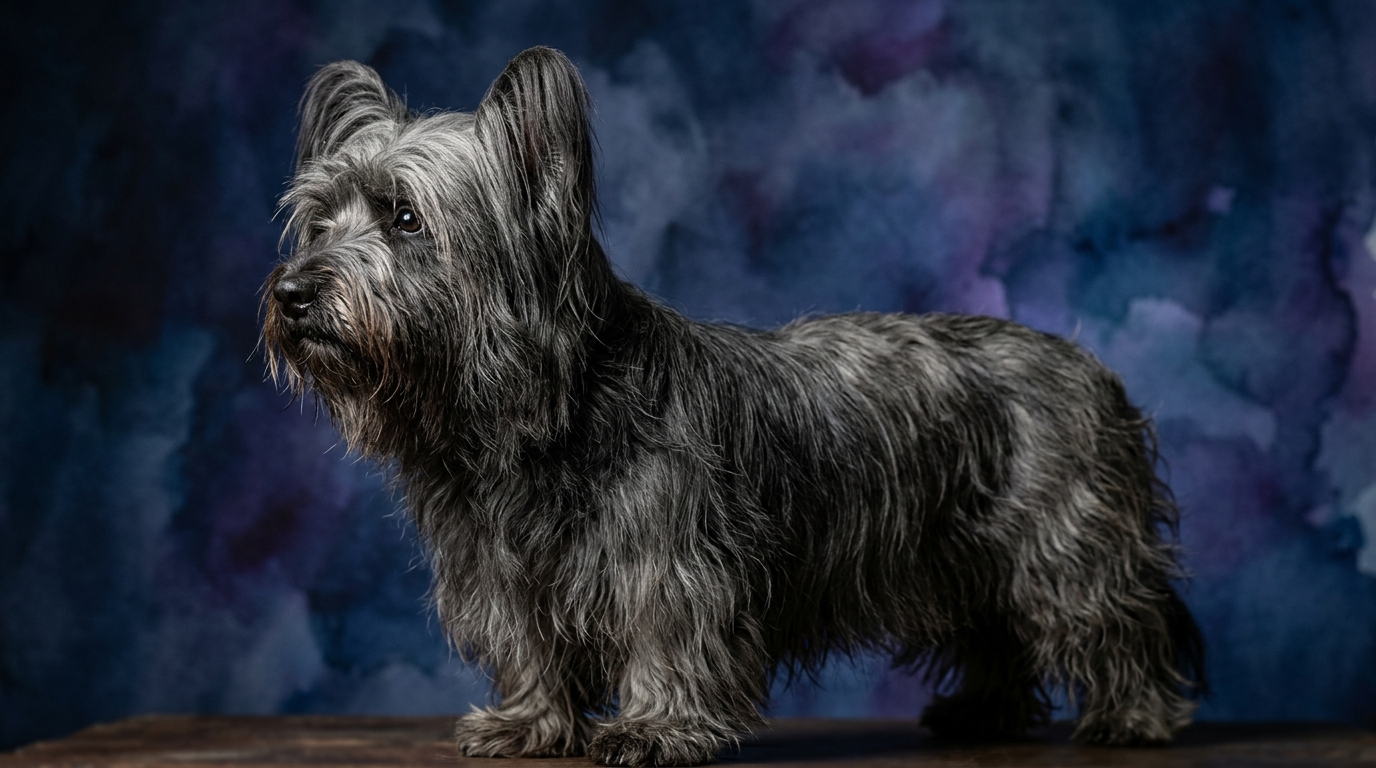
Side-by-Side IQ Profile: Unpacking Identical Scores
While both the Lakeland and Skye Terriers score a consistent 3/5 across all our Pet IQ Lab dimensions, this numerical parity masks fascinating differences in how their cognitive abilities manifest. A 3/5 indicates a capable, adaptable intelligence, characteristic of many terrier breeds who are often independent thinkers rather than eager-to-please followers. Understanding their historical roles and temperaments helps illuminate these subtle distinctions.
For Problem Solving (3/5), the Lakeland Terrier's score often translates into quick, agile thinking, suitable for navigating varied terrain to flush out quarry. They might quickly assess a situation, trying various physical approaches to overcome obstacles, showcasing a practical, hands-on intelligence. In contrast, a Skye Terrier's 3/5 in problem-solving is characterized by a more persistent, often solitary approach. Bred for digging into dens, their intelligence here involves sustained focus and methodical effort to achieve a goal, rather than rapid, varied attempts. They might analyze a situation with a deep, deliberate concentration.
Regarding Training Speed (3/5), the Lakeland's score reflects their capacity to learn new commands and routines at a moderate pace. While not always inherently biddable, their confident and sometimes boisterous nature means they can be engaged with consistent, positive reinforcement, showing good retention once a concept clicks. The Skye's 3/5 in training speed indicates they learn effectively, but often on their own terms. Their discerning and sometimes reserved temperament means they require patient, understanding methods, and their learning might be slower to generalize to new contexts without careful guidance.
In Social Intelligence (3/5), the Lakeland's score suggests they are generally aware of human emotions and social cues, often expressing their needs or desires clearly. They can form strong bonds and engage readily with their chosen family, though they retain a typical terrier independence in social interactions. A Skye’s 3/5 in social intelligence means they are perceptive to their human companions, often reading subtle cues. However, their dignified and sometimes aloof nature means their social expression can be more nuanced, forming deep, loyal bonds with a select few rather than being broadly gregarious.
Their Instinctive Drive (3/5) for the Lakeland highlights a robust natural drive, particularly for chasing and digging, stemming from their heritage as vermin hunters. Their instincts are strong, making them alert and reactive to small movements or sounds, often with an irrepressible zest for the hunt. The Skye's 3/5 in instinctive drive is profoundly tied to their badger and otter hunting past, manifesting as a deep-seated persistence and courage. Their drive is less about immediate chase and more about sustained, determined pursuit, often with incredible stamina for a task.
Finally, for Memory (3/5), the Lakeland's score ensures they retain training and recall past experiences well. They remember routines, people, and places with good accuracy, which aids in their adaptability and consistent performance of learned behaviors. A Skye’s 3/5 memory means they have excellent recall for their experiences and training. This allows them to build complex mental maps of their environment and remember interactions, contributing to their discerning nature and long-term loyalty to their family.
Where the Lakeland Terrier Excels Cognitively
Despite sharing identical numerical scores, the Lakeland Terrier often exhibits a more outwardly expressive and quicker cognitive engagement. Their 3/5 in problem-solving frequently translates to a more experimental and adaptable approach. When faced with a novel challenge, a Lakeland might try more diverse solutions faster than a Skye, leveraging their natural agility and zest for exploration. This makes them particularly adept at dynamic, multi-faceted cognitive tasks such as navigating complex agility courses or mastering interactive puzzle toys that require varied physical manipulation.
The Lakeland's social intelligence, while also rated 3/5, often manifests as a more immediate connection with a wider range of people. They tend to be quicker to adapt to new social settings or visitors, making them seem more broadly receptive. Their memory further assists in rapidly associating new commands with rewards, leading to a faster initial acquisition of a broad repertoire of tricks or tasks. This combination of adaptability, quick engagement, and practical problem-solving gives the Lakeland a slight edge in scenarios demanding rapid learning and social versatility.
Where the Skye Terrier Shows Unique Cognitive Strengths
The Skye Terrier's identical 3/5 scores reveal distinct cognitive strengths rooted in their heritage. Their problem-solving ability, for instance, leans towards deep, sustained focus and independent decision-making, particularly when a task requires unwavering persistence. This makes them exceptionally good at figuring out difficult puzzle toys that demand multiple, sequential steps, demonstrating a methodical intelligence rather than a rapid, trial-and-error approach.
The Skye's social intelligence, while appearing more reserved, means they are exceptionally perceptive to the nuances of their primary owner's mood and intentions. They can form an incredibly deep, almost intuitive bond, often picking up on subtle non-verbal cues that a more boisterous breed might overlook. Their instinctive drive, though rated identically to the Lakeland's, translates into a remarkable tenacity and fearlessness when faced with perceived challenges, a cognitive strength in situations demanding unwavering resolve. Coupled with their excellent memory, this discerning nature means they rarely forget an experience, good or bad, contributing to their thoughtful and sometimes cautious approach to new situations and profound loyalty.
Training Dynamics: Nuances Behind the Shared Score
Despite both breeds scoring 3/5 for training speed, practical experience reveals differences in their ease of training. The Lakeland Terrier is generally considered slightly more amenable to training, especially for novice owners. Their confident, sometimes playful nature means they respond well to engaging, varied training sessions. They are often more eager to please, and their relatively higher energy levels mean they benefit significantly from structured activities. Consistency is paramount, but their natural curiosity and desire for interaction can be effectively harnessed to build a strong working relationship.
The Skye Terrier, conversely, requires a more patient, experienced hand. Their independent and dignified nature means they won't blindly follow commands; they need to understand the 'why' behind an action. Their 3/5 training speed is coupled with a strong will, making them less forgiving of inconsistent training or harsh methods. Building a deeply trusting relationship is paramount, as their loyalty, once earned, makes them dedicated learners, albeit at their own considered pace. A Skye learns *what* they are taught but may often choose *when* and *if* to perform it, embodying a thoughtful independence that requires understanding and respect from their trainer.
Lifestyle Match: Active Engagement vs. Thoughtful Companionship
Considering their cognitive profiles, the Lakeland Terrier generally suits active owners best. Their robust instinctive drive and practical problem-solving skills thrive with varied physical and mental challenges. They enjoy activities like hiking, agility, earthdog trials, or simply active family play that taps into their energetic and inquisitive nature. An owner who doesn't provide enough outlets for their substantial energy and mental curiosity will likely find a bored, potentially destructive Lakeland. Their social intelligence also makes them adaptable to various social outings, enjoying new experiences and meeting new people.
The Skye Terrier, while not a couch potato, suits owners who appreciate a more discerning companion but are still prepared for regular, moderate activity. While they don't demand the high-octane exercise of some terriers, Skyes require consistent daily walks and mental enrichment, such as puzzle toys or scent work, to prevent boredom. Their social intelligence means they are often content with their inner circle, making them good for a relaxed home life, but their strong instinctive drive still needs channeling through secure off-leash exploration or engaging tasks. They are not endurance athletes but are also not sedentary; they thrive with thoughtful, consistent engagement that respects their independent spirit.
The Verdict
Opt for a Lakeland Terrier if you seek an agile, spirited companion eager to engage in diverse activities and readily adapt to social settings, offering a direct and enthusiastic partnership.
Select a Skye Terrier if you value a discerning, deeply loyal companion who thrives on a profound bond and appreciates thoughtful, patient engagement, offering subtle intelligence and unwavering devotion.
🧠 Find Your Pet's IQ Score
Our Pet IQ Lab assessment covers 25+ tests across 5 cognitive dimensions — personalized to your breed.
Take the Full IQ Test →Frequently Asked Questions
Are Lakeland Terriers good with children?
Lakeland Terriers can be excellent family dogs, often playful and robust enough for children. Early socialization and teaching children respectful interaction are crucial for a harmonious household, as their terrier spunk requires clear boundaries and consistent guidance.
Do Skye Terriers shed a lot?
Skye Terriers do shed, but typically less than many other breeds. Their long double coat requires regular grooming, usually weekly brushing, to prevent mats and manage shedding, keeping their distinctive appearance pristine and healthy.
What kind of mental stimulation do these terriers need?
Both breeds benefit from puzzle toys, scent work, and consistent training to engage their problem-solving and memory skills. Lakelands enjoy agility and interactive games, while Skyes might prefer more methodical tasks or exploring new environments to satisfy their discerning minds.