Side-by-Side IQ Profile: Lakeland Terrier vs. Xoloitzcuintli
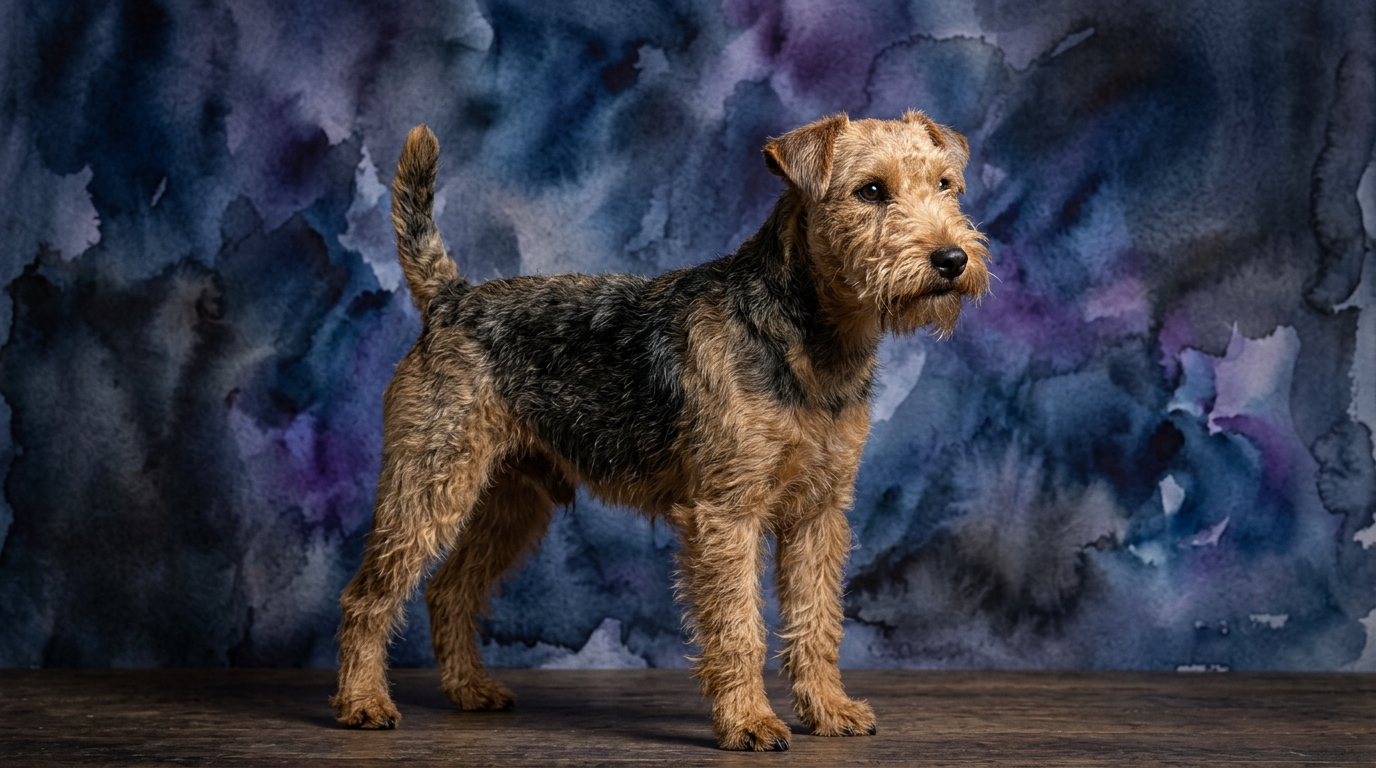
The Lakeland Terrier, originating from England's Lake District, was specifically bred for tenacious vermin control, a demanding role that profoundly shaped its cognitive makeup. Its Problem Solving score of 3/5 reflects a practical ingenuity, often seen in navigating complex environments or persistent efforts to achieve a goal, like finding a hidden toy or figuring out a puzzle feeder, showcasing an earth-level resourcefulness rather than abstract thought. Their Training Speed, also at 3/5, indicates they can grasp new commands with consistent application, though their independent spirit means they aren't always quick to obey without strong motivation. Social Intelligence at 3/5 suggests they are adept at reading human cues within their established family unit, but may exhibit a more reserved or assertive approach with strangers, characteristic of many terrier breeds. Their Instinctive Drive of 3/5 is strongly rooted in their hunting heritage, manifesting as a keen desire to chase small animals or explore scents, demanding outlets for this innate curiosity. Finally, their Memory, also 3/5, allows them to retain training and recall past experiences, particularly those linked to positive reinforcement or significant events, ensuring they remember routines and boundaries.
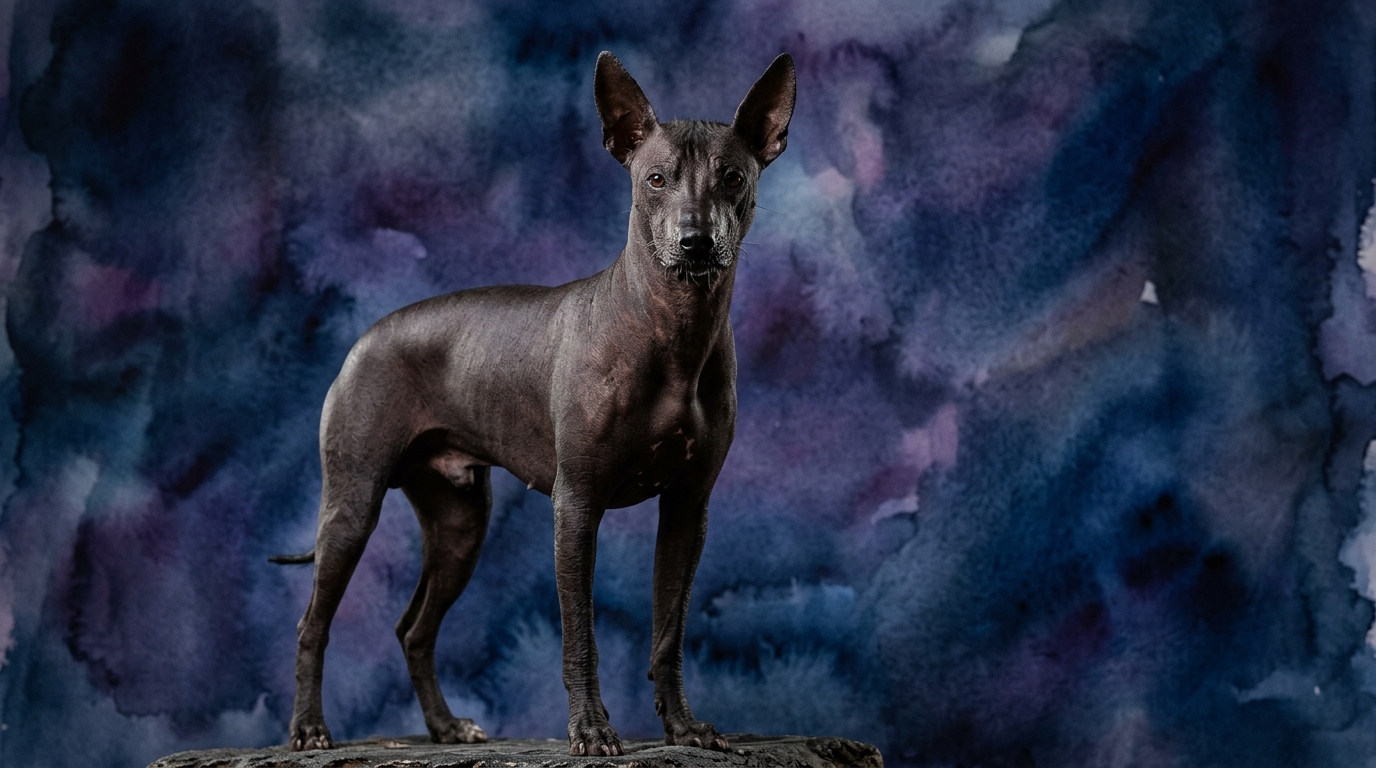
The Xoloitzcuintli, an ancient and revered breed from Mexico, carries a legacy as a companion and guardian, influencing a different flavor of cognitive abilities. Their Problem Solving at 3/5 often manifests as a quiet observation and strategic approach to challenges, perhaps figuring out how to get comfortable in a new space or understanding household dynamics rather than brute-force solutions, involving a thoughtful assessment of their surroundings. Their Training Speed, also 3/5, suggests they learn effectively with patience and positive reinforcement, though their sensitive nature means harsh methods are counterproductive and can lead to resistance; they respond best to a calm, consistent approach. Social Intelligence, also 3/5, is particularly pronounced within their family circle, where they often display deep emotional bonds and an uncanny ability to sense the moods of their human companions, making them wonderfully empathetic, though they tend to be quite reserved with outsiders. Their Instinctive Drive of 3/5, while present, is less about relentless pursuit and more about vigilance and a natural inclination to protect their home and family, sometimes showing a moderate prey drive but often expressed as alertness. Memory, also 3/5, enables them to recall routines, people, and past experiences with considerable accuracy, often forming lasting impressions of positive and negative interactions.
Where the Lakeland Terrier Wins Cognitively
Despite identical raw scores, the Lakeland Terrier's cognitive strengths shine in areas requiring sustained determination and practical, task-oriented problem-solving. Their terrier tenacity means that when faced with an obstacle, they are less likely to give up, often employing physical solutions like digging under or persistent nudging. This manifests as a particular brand of 'grit' in their problem-solving, a cognitive resilience that allows them to stick with a task even when it's challenging or repetitive, especially if it taps into their hunting instincts. Their instinctive drive, while numerically similar, is channeled into a more direct, action-oriented engagement with their environment, making them exceptionally focused on tasks that involve exploration, scent work, or manipulating objects. This cognitive edge isn't about superior intellect, but rather a specialized application of their mental faculties towards achieving tangible, often physical, results.
Where the Xoloitzcuintli Wins Cognitively
The Xoloitzcuintli, with its ancient lineage as a companion, demonstrates cognitive strengths in areas requiring nuanced social understanding and emotional attunement. While their social intelligence score is 3/5, it manifests as a deep empathy and sensitivity to human emotions, allowing them to often anticipate their owner's needs or moods with remarkable accuracy. This isn't just about reading cues; it's about processing those cues into a response that reflects their strong bond. Their problem-solving, though also 3/5, tends to be more observational and strategic, focusing on understanding the social dynamics of their household rather than physical manipulation of objects. They might 'win' in situations requiring quiet assessment of social situations, deciding when to approach for comfort or when to maintain a respectful distance, demonstrating a sophisticated form of social navigation. Their memory is particularly strong for personal interactions and routines, allowing them to form deeply ingrained associations with people and places, which can contribute to their steadfast loyalty.
Which is Easier to Train and Why
When considering ease of training, the Xoloitzcuintli often presents a smoother path for owners who prioritize gentle, consistent methods, primarily due to their sensitive nature and strong desire to please their primary caregivers. While both breeds score 3/5 in Training Speed, the Xolo's potential for aloofness with strangers and deep bonding with their family means they are highly motivated by positive reinforcement from those they trust, and less likely to challenge authority once a bond is established. Their sensitivity, while requiring a soft touch, also means they are highly attuned to feedback and eager to avoid displeasing their beloved humans. In contrast, the Lakeland Terrier, true to its terrier heritage, possesses a robust independence and a strong will. While they are certainly capable of learning new commands at a similar pace, their inherent drive to make their own decisions and their ingrained instinct to pursue can make training a more persistent negotiation. Owners need to be exceptionally consistent, creative, and patient to channel the Lakeland's spirited energy, often finding that training is less about teaching a command and more about convincing the terrier that their way is the most rewarding. Therefore, while both learn, the Xolo's cooperative spirit often makes the process feel easier for many owners.
Which Suits Active Owners vs. Relaxed Owners
For active owners seeking a dynamic partner, the Lakeland Terrier is often the more fitting choice. Their instinctive drive and spirited nature mean they thrive on regular exercise, engaging playtime, and mental challenges that tap into their problem-solving acumen. They excel in activities like agility, earthdog trials, or long, exploratory hikes, where their energy and curiosity can be fully expressed. An active owner can provide the consistent engagement needed to keep a Lakeland mentally stimulated and physically satisfied, preventing boredom-induced behaviors. Conversely, the Xoloitzcuintli, while appreciating regular walks and play, generally suits a more relaxed owner or one seeking a deeply bonded companion who enjoys quiet companionship as much as activity. Their moderate instinctive drive and thoughtful problem-solving mean they are content with a comfortable routine, often preferring to be close to their family members. While they aren't couch potatoes, their exercise needs are typically met with daily walks and indoor play, making them an excellent fit for individuals or families who value a calm home environment and a dog that is a constant, comforting presence without requiring constant high-octane stimulation.
The Verdict
Choose the Lakeland Terrier if you are an active, experienced owner ready to channel a spirited, independent intellect into engaging activities and appreciate a dog with tenacious problem-solving skills.
Opt for the Xoloitzcuintli if you seek a deeply empathetic, sensitive companion who thrives on close family bonds and offers a thoughtful, quiet presence, suited to a more relaxed home environment.
🧠 Find Your Pet's IQ Score
Our Pet IQ Lab assessment covers 25+ tests across 5 cognitive dimensions — personalized to your breed.
Take the Full IQ Test →Frequently Asked Questions
Do Lakeland Terriers and Xoloitzcuintli get along with other pets?
Lakeland Terriers, due to their strong prey drive, require careful socialization and supervision with smaller pets, though they can coexist with other dogs if introduced properly. Xoloitzcuintli are generally more tolerant, especially if raised with other animals, but their reserved nature means they might prefer their own space.
Are Lakeland Terriers or Xoloitzcuintli good with children?
Lakeland Terriers can be good with respectful, older children who understand how to interact with an independent and playful dog, but their spirited nature may be too much for very young children. Xoloitzcuintli, with their deep family bonds and sensitive nature, are often very gentle and patient with children they know, making them excellent family companions in a calm household.
What kind of mental stimulation do these breeds need?
Lakeland Terriers thrive on puzzle toys, scent games, and training that challenges their problem-solving and fulfills their instinctive drive, requiring consistent engagement. Xoloitzcuintli benefit from gentle puzzle games, consistent training, and opportunities for social interaction within their trusted circle, finding comfort in routine and quality time with their owners.