Side-by-Side Cognitive Profiles
At first glance, the Cosmic Pet Pet IQ Lab data presents both the Leonberger and the American Eskimo Dog with an identical score of 3/5 across all five measured cognitive dimensions. This intriguing parity invites a deeper exploration into how these scores manifest uniquely within each breed, shaped by their distinct evolutionary paths and functional roles.
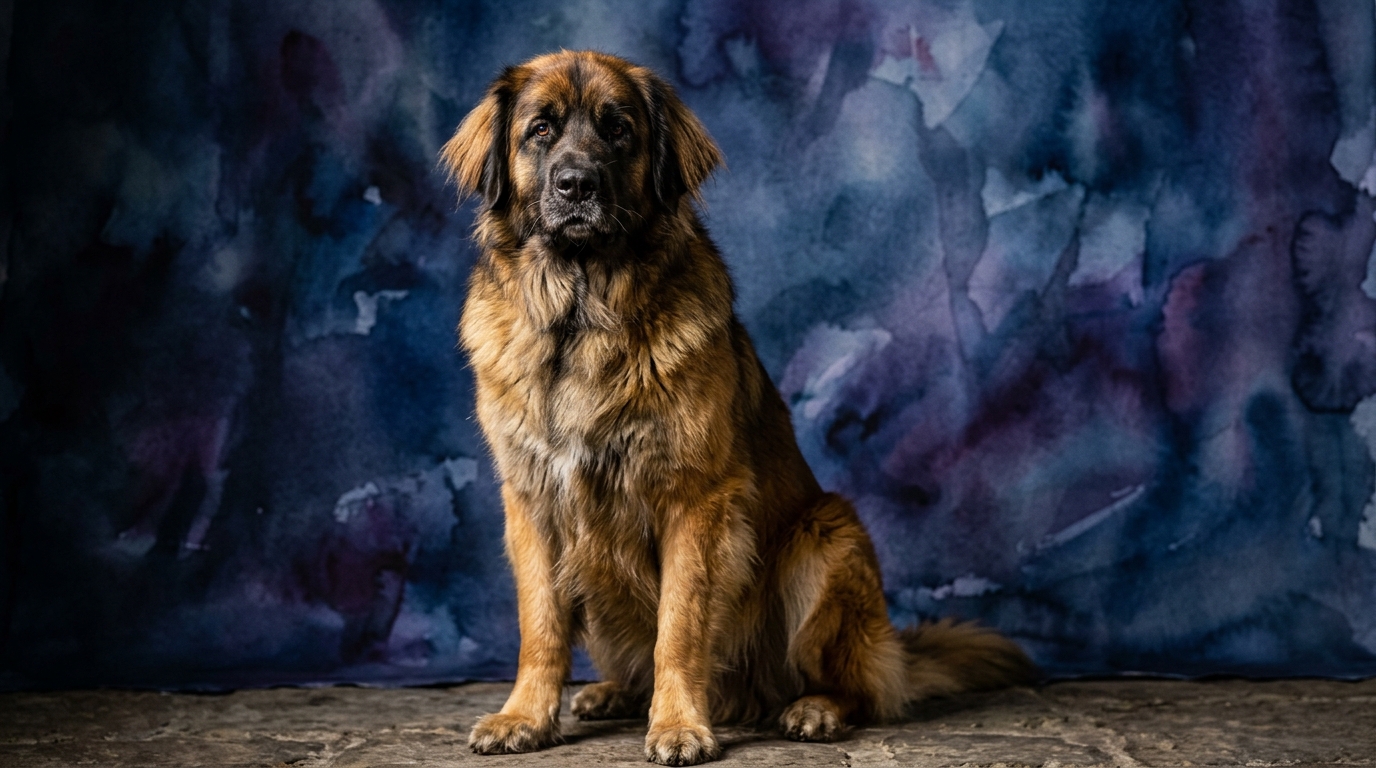
For the **Leonberger**, a member of the Working group, its 3/5 in **Problem Solving** often translates into a thoughtful, deliberate approach to challenges. These gentle giants tend to assess situations with calm observation, rather than impulsive action, perhaps figuring out how to gently navigate a crowded space or patiently encourage a family member. Their **Training Speed** at 3/5 suggests they learn reliably with consistent, positive reinforcement, often preferring to grasp the purpose behind a command for lasting retention. In **Social Intelligence** (3/5), Leonbergers display a nuanced understanding of their human family's emotions, offering comfort or standing guard with quiet discernment, typically reserved but polite with strangers. Their **Instinctive Drive** (3/5) is rooted in their protective and companionate heritage, expressing a deep desire to be an integral, watchful part of their human pack. Finally, their **Memory** (3/5) is solid, enabling them to retain commands, routines, and social cues with clarity, contributing to their reputation as dependable companions.
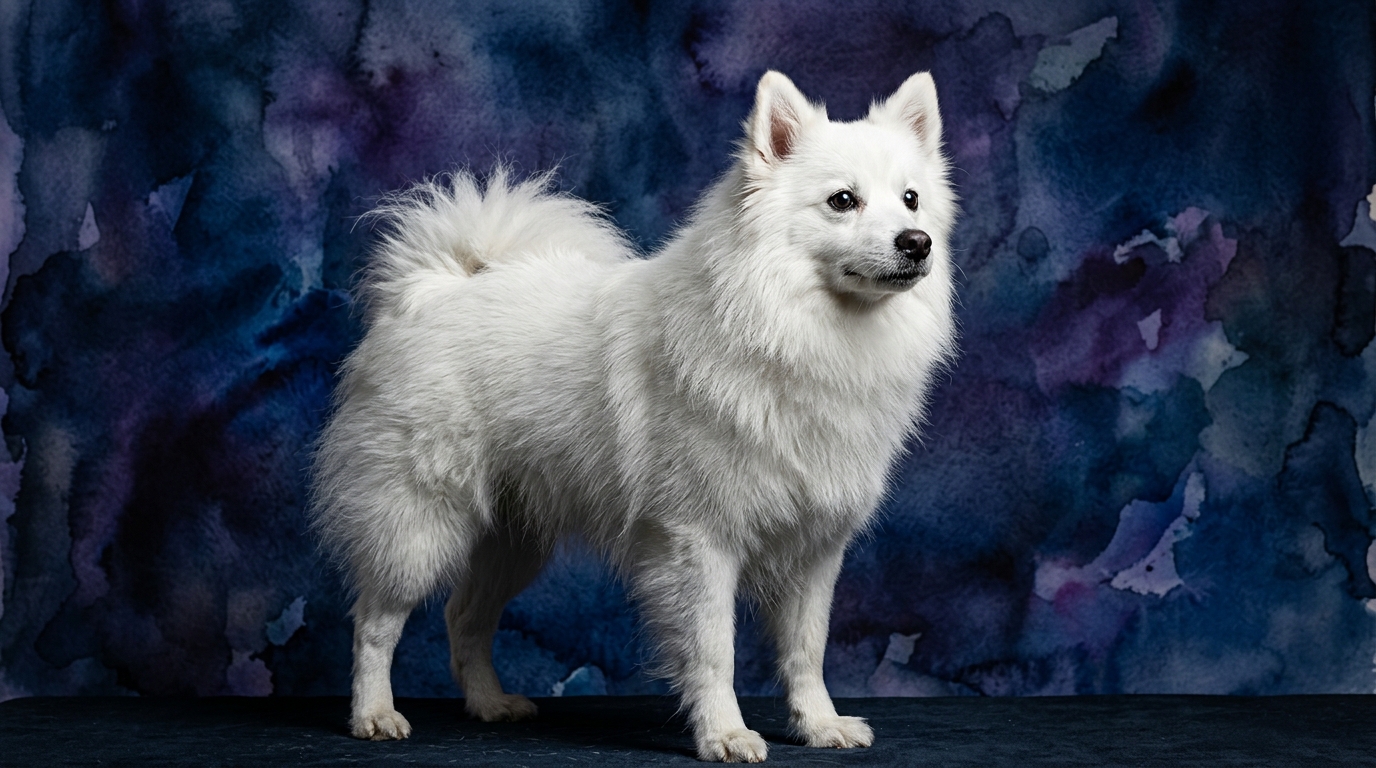
The **American Eskimo Dog**, from the Non-Sporting group, also scores 3/5 in each category, yet their cognitive expression is notably different. Their **Problem Solving** (3/5) often manifests as a lively, sometimes cunning, inventiveness, such as strategizing how to access a treat or gain attention. They are adept at navigating their environment to their advantage, showcasing a quick-witted approach. Regarding **Training Speed** (3/5), Eskies are generally quick to grasp new commands and tricks, enjoying the mental stimulation, though their independent streak means training requires creativity and variety to maintain engagement. Their **Social Intelligence** (3/5) involves a high degree of attunement to their family's moods, often acting as sensitive barometers of the household atmosphere and communicating their feelings vocally. The Eskie’s **Instinctive Drive** (3/5) stems from their heritage as alert watchdogs and performers, leading to a keen awareness of surroundings and a desire for consistent mental and physical engagement. Their **Memory** (3/5) is robust, allowing them to recall learned behaviors and complex trick sequences, underscoring the importance of early and consistent training.
Where the Leonberger Wins Cognitively
While both breeds score identically, the Leonberger demonstrates a distinct cognitive strength in its **calm deliberation during problem-solving**. Their approach to challenges is often characterized by a measured, less impulsive process. Given their substantial size, they tend to approach novel situations with an observational stance, carefully evaluating circumstances before acting. This thoughtful cognitive process is particularly advantageous in environments requiring patience and a lack of reactivity, such as navigating a bustling household with small children or assessing potential threats with quiet vigilance, prioritizing safety and stability through steady interpretation.
Another area where the Leonberger’s 3/5 in social intelligence shines is its **subtle acuity for family dynamics**. These dogs possess a profound, quiet attunement to their human family. They excel at sensing nuanced shifts in human mood or detecting potential anxieties, often responding with a comforting presence or a watchful, protective stance without needing overt fuss. This deep, intuitive understanding of their human pack’s emotional landscape, combined with their inherent gentleness, makes them particularly adept at being intuitive companions, often anticipating needs or offering quiet, reassuring support.
Where the American Eskimo Dog Wins Cognitively
The American Eskimo Dog, despite the same 3/5 problem-solving score, often displays a superior **agile adaptability in problem-solving**. Their cognitive strength lies in a quicker, more inventive approach to immediate challenges, particularly those involving access to resources or opportunities for interaction. This might involve creatively manipulating latches or strategically orchestrating situations to gain attention, showcasing a nimble cognitive flexibility that thrives on novelty and mental engagement. They are often quick to learn how to achieve their desires through clever means.
Furthermore, the Eskie's 3/5 social intelligence often translates into highly **expressive communication and alertness**. They are remarkably quick to vocalize their observations and feelings, effectively acting as an alert system for their household. This cognitive advantage is evident in their rapid processing of environmental stimuli and their prompt, often vocal, responses, making them excellent watchdogs and engaging 'conversationalists' (in a canine sense). Their ability to quickly interpret and react to their surroundings with distinct communication patterns sets them apart, indicating a keen awareness of their environment.
Training Ease: Leonberger vs. American Eskimo Dog
Despite both breeds receiving a 3/5 in Training Speed, their inherent temperaments dictate different experiences for owners. The Leonberger, with its eager-to-please disposition and strong desire for companionship, is generally considered more straightforward for foundational obedience and household manners. They respond exceptionally well to positive reinforcement and consistency, often seeking to cooperate with their human. Their methodical learning style means they might not grasp new tricks instantly, but once a command is learned, it is typically deeply ingrained, and their lower propensity for independent mischief makes them less likely to 'forget' training when unsupervised.
The American Eskimo Dog, while quick to absorb new information, presents a unique training dynamic due to its independent spirit and high cognitive engagement needs. Eskies can exhibit 'selective hearing' if they find something more stimulating or if training becomes repetitive. Their problem-solving abilities can sometimes be applied to outsmarting their owners, turning training into a game of wits. Training an Eskie demands more creativity, variety, and unwavering consistency to keep them engaged and prevent boredom-induced misbehavior. While they master tricks rapidly, maintaining consistent obedience often requires a more active and vigilant approach from the owner. Therefore, for general reliability and a less demanding training journey, the Leonberger might be perceived as 'easier' for many owners, while the Eskie thrives with an owner prepared for a dynamic and mentally stimulating training partnership.
Lifestyle Match: Active vs. Relaxed Owners
The Leonberger, despite its imposing size, often integrates well with owners seeking a balanced approach to activity. While they require regular exercise to maintain their physical health and mental well-being—including daily walks, playtime, and social opportunities—they are generally not hyperactive indoors. Their calm and composed demeanor within the home means they can comfortably settle down with their family, making them suitable for owners who enjoy a moderate level of outdoor activity but also appreciate a relaxed and peaceful home environment. They are not suited for entirely sedentary lifestyles, but neither do they demand constant, high-intensity engagement.
Conversely, the American Eskimo Dog aligns better with active owners who can meet their significant needs for both physical and mental stimulation. Their heritage as agile performers and alert farm dogs has instilled in them a vibrant energy that thrives on regular, vigorous exercise like brisk walks, runs, agility training, or interactive games. Their sharp minds also demand consistent mental challenges, such as learning new tricks, engaging with puzzle toys, or participating in dog sports. An owner unable to provide ample outlets for their energy and intellect might find an Eskie prone to boredom, which can manifest as undesirable behaviors like excessive barking, digging, or destructive chewing. They are an ideal match for individuals or families who embrace an active lifestyle and are eager to involve their dog in daily adventures and continuous learning.
The Verdict
When contemplating a Leonberger, envision a steadfast, thoughtful companion who excels in nuanced family interactions and offers a calm, protective presence, ideal for those seeking a gentle giant with a steady temperament and a desire for cooperative partnership.
Conversely, choose an American Eskimo Dog if you desire a vibrant, quick-witted partner eager for mental games and physical pursuits, suited for active individuals who appreciate an expressive and consistently engaging canine companion that thrives on interaction and challenge.
🧠 Find Your Pet's IQ Score
Our Pet IQ Lab assessment covers 25+ tests across 5 cognitive dimensions — personalized to your breed.
Take the Full IQ Test →Frequently Asked Questions
Do Leonbergers and American Eskimo Dogs get along with children?
Leonbergers are often renowned for their gentle and patient nature with children, making them excellent family dogs, though their large size always necessitates supervision. American Eskimo Dogs can also be wonderful with children, especially if raised with them and socialized early, but their spirited energy might require more management with very young kids.
Which breed is more vocal?
The American Eskimo Dog is significantly more vocal, often using barks, howls, and 'woos' to communicate and alert to perceived novelties or changes. Leonbergers are generally much quieter, typically barking only when they perceive a genuine threat or something truly unusual, making them less prone to nuisance barking.
Are there significant health differences between these two breeds?
Yes, due to their vast size differences. Leonbergers are prone to large breed specific issues like hip and elbow dysplasia, bloat, and certain cancers, often having a shorter lifespan. American Eskimo Dogs generally have fewer size-related health concerns, though they can be susceptible to hip dysplasia, luxating patellas, and progressive retinal atrophy, typically enjoying a longer lifespan.