Side-by-Side Cognitive Profiles: Decoding the '3/5' Scores
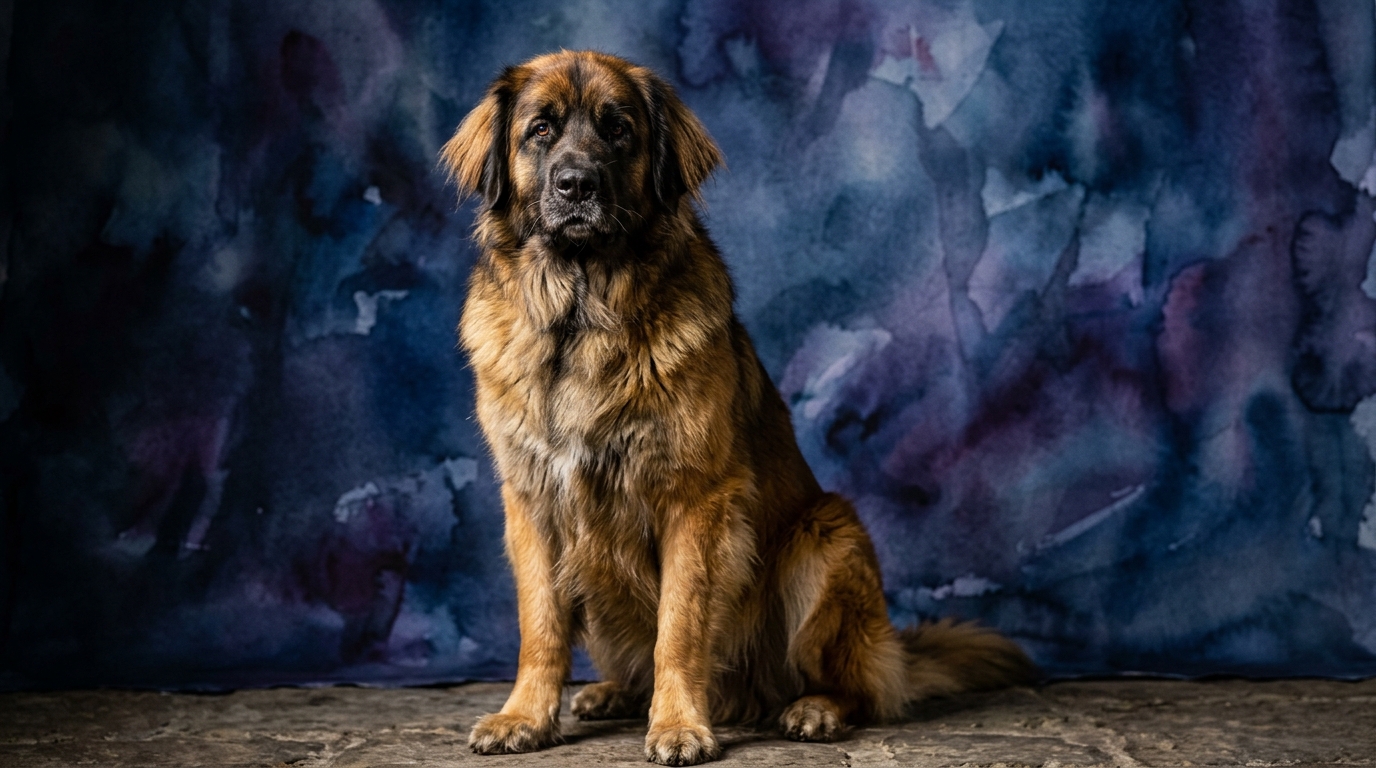
Despite sharing the same numerical ratings, the expression of these cognitive dimensions is profoundly shaped by each breed's historical purpose and inherent temperament. For the majestic Leonberger, originating from Germany as a farm, draft, and companion dog, a '3/5' across the board speaks to a steady, thoughtful intelligence. Their problem-solving (3/5) is often deliberate, reflecting an ability to calmly assess situations requiring protective judgment or navigating complex environments while performing tasks like carting. Training speed (3/5) indicates they are responsive and generally eager to please, though their independent streak means consistency is key. Social intelligence (3/5) in a Leonberger means a deep attunement to family dynamics, patience with children, and a watchful, discerning nature with strangers. Their instinctive drive (3/5) centers on guardianship, companionship, and a desire to 'work' alongside their human family in a supportive capacity, rather than high-octane pursuit. Memory (3/5) contributes to their reliability, allowing them to retain routines, commands, and social cues with impressive consistency.
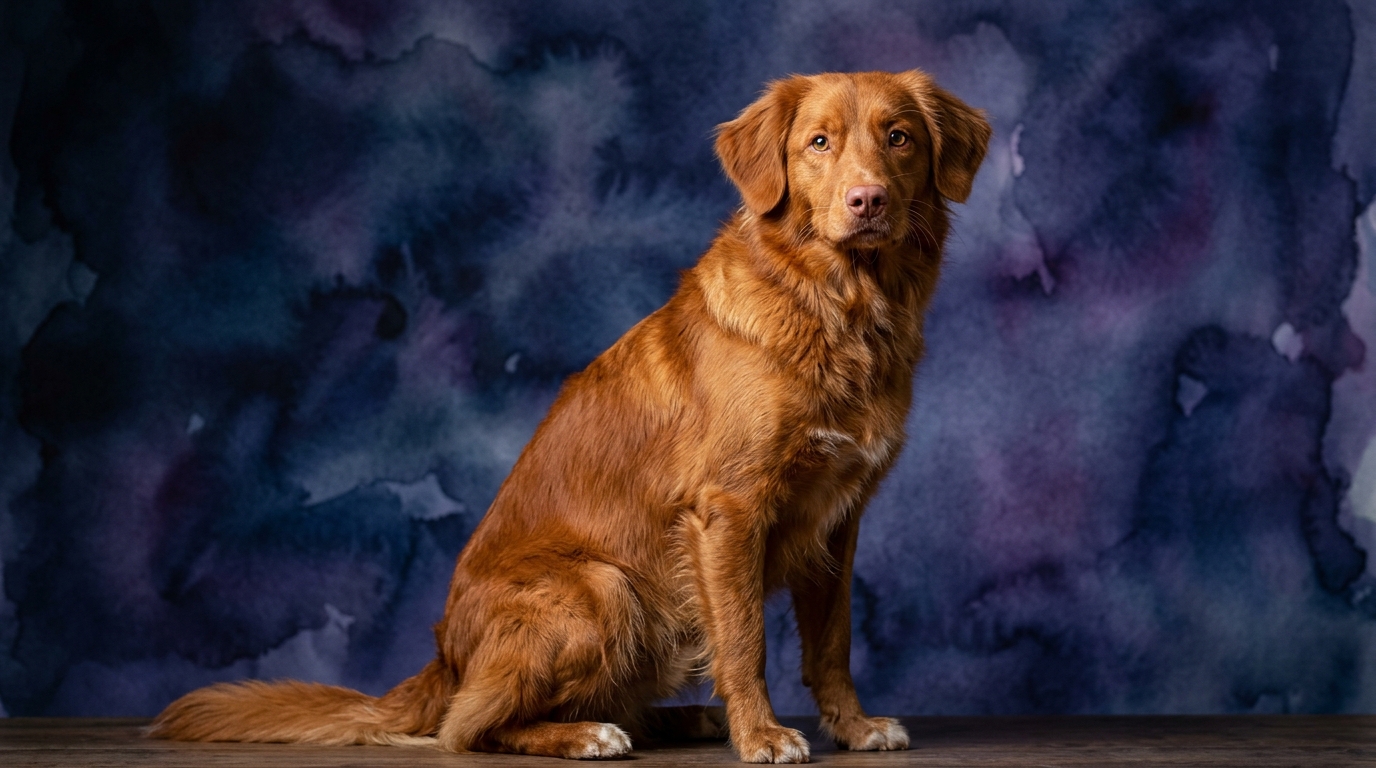
Conversely, the Nova Scotia Duck Tolling Retriever, a Canadian breed developed to 'toll' (lure) and retrieve waterfowl, expresses its '3/5' scores with a different kind of intensity and agility. Their problem-solving (3/5) is characterized by quick thinking and adaptability, particularly in dynamic, goal-oriented scenarios like strategizing to retrieve a complex mark. Training speed (3/5) reflects their eagerness and rapid acquisition of new skills, though their high energy and environmental awareness can sometimes lead to distractions. Social intelligence (3/5) for a Toller involves keen observation of human cues, especially in interactive play and training, and while affectionate with their family, they can be more reserved with unfamiliar individuals. Their instinctive drive (3/5) is profoundly rooted in their retrieving and luring heritage, manifesting as an intense desire for work involving movement, scent, and water. Memory (3/5) is essential for their role, enabling them to recall multiple retrieve locations, complex sequences of commands, and subtle environmental details with precision.
Where the Leonberger Excels Cognitively
The Leonberger's cognitive strengths, while numerically matched with the Toller, shine in areas demanding a calm, deliberative presence and thoughtful judgment. Their 3/5 in problem-solving and social intelligence manifests as a remarkable capacity for empathy and composed decision-making in complex social situations. For instance, a Leonberger might instinctively position itself between a child and a perceived threat, not with aggressive speed, but with a deliberate, reassuring presence that leverages its imposing size. This breed often excels in roles requiring a steady temperament, such as therapy work, where their cognitive aptitude supports patient, consistent interaction and an ability to read and respond to subtle human emotional cues over extended periods. Their memory and training speed (both 3/5) contribute to a profound reliability in performing multi-step tasks that require sustained focus in relatively low-stimulus environments, such as guiding, carting, or calmly supervising a household.
Where the Nova Scotia Duck Tolling Retriever Excels Cognitively
The Nova Scotia Duck Tolling Retriever's identical 3/5 scores manifest as a different kind of cognitive brilliance, particularly in dynamic, high-drive scenarios. Their problem-solving (3/5) and instinctive drive (3/5) combine to create a dog exceptionally adept at strategic engagement in rapidly changing environments. This is evident in their natural 'tolling' behavior, where they employ a sequence of playful, fox-like movements along the shoreline to lure curious waterfowl within a hunter's range – a complex cognitive act requiring environmental awareness, sequential planning, and an understanding of cause and effect. Furthermore, their memory and training speed (both 3/5) enable them to quickly process and execute intricate retrieving patterns, remember multiple 'marks' (fallen birds), and adapt their approach based on variables like wind, water currents, and cover, all while maintaining a high level of excitement and focus. They thrive on challenges that require quick assessment and adaptive action, demonstrating a nuanced understanding of their environment and tasks.
Training Dynamics: Leonberger vs. Toller
While both breeds score 3/5 in training speed, the practical experience of training them can differ significantly due to their inherent behavioral predispositions. The Leonberger, often described as a 'gentle giant,' typically responds well to positive reinforcement and clear, consistent guidance. Their desire to please their family, combined with their calm disposition, makes them generally biddable. However, their physical size necessitates early and thorough training to ensure they are manageable adults, and they can exhibit an independent streak, requiring patience and understanding from their handler. They might not learn a new trick in a single session, but once a command is ingrained, it tends to be very reliable and performed with a steady demeanor.
The Nova Scotia Duck Tolling Retriever, on the other hand, is renowned for its quick learning ability and enthusiastic response to training. Their high energy, intense focus on tasks, and strong drive mean they can pick up new commands and behaviors with impressive speed. However, their inherent excitement and strong prey drive can also make them prone to environmental distractions, demanding a trainer who can maintain engagement and channel their enthusiasm effectively. They require highly stimulating and varied training sessions to prevent boredom and maintain focus. While a Toller might master a complex agility sequence faster, a Leonberger, once trained, might offer a more reliably calm and composed response in a crowded public setting, reflecting their distinct applications of their shared cognitive aptitude.
Suitability for Active vs. Relaxed Owners
The differing manifestations of their cognitive and physical attributes naturally align them with distinct owner lifestyles. The Nova Scotia Duck Tolling Retriever is unequivocally suited for active owners. This breed possesses an inherent drive for vigorous physical activity and consistent mental engagement. They thrive in environments where they can participate in dog sports like agility, dock diving, or obedience, engage in long, challenging hikes, or enjoy extensive retrieving sessions. Owners who can dedicate significant time daily to exercise, training, and interactive play will find a Toller to be an incredibly rewarding and engaged partner. Their cognitive abilities are best utilized and developed through an active, stimulating lifestyle.
The Leonberger, while needing regular exercise, especially during their boisterous puppy and adolescent phases, matures into a more composed companion. Adult Leonbergers are generally content with moderate daily activity, such as long walks, leisurely hikes, or supervised yard play. They are more suited for owners who appreciate a steadfast, calm presence and prioritize companionship over constant, intense activity. While they benefit from mental stimulation through training and puzzle toys, their cognitive strengths are geared more towards thoughtful interaction and steady guardianship than the dynamic, high-octane pursuits favored by the Toller. They are ideal for families who can offer consistent companionship and a relaxed, yet attentive, environment.
The Verdict
Choose the Leonberger if you seek a steadfast, gentle companion who offers thoughtful guardianship and a calm, reassuring presence, thriving in a home that values deliberation, patience, and a steady temperament.
Opt for the Nova Scotia Duck Tolling Retriever if you desire an energetic, quick-witted partner eager for adventure and mentally stimulating activities, ideal for owners who embrace an active, engaging lifestyle and dog sports.
🧠 Find Your Pet's IQ Score
Our Pet IQ Lab assessment covers 25+ tests across 5 cognitive dimensions — personalized to your breed.
Take the Full IQ Test →Frequently Asked Questions
Do Leonbergers make good therapy dogs?
Yes, their calm disposition, gentle nature, and strong social intelligence (3/5) make them highly suitable for therapy work. With proper training and socialization, they excel at providing comfort and companionship in various settings.
Are Nova Scotia Duck Tolling Retrievers good for first-time owners?
While their eagerness to please and training speed (3/5) are assets, their high energy, strong drive, and need for consistent mental and physical stimulation can be challenging for novice owners. They thrive with dedicated, active individuals willing to invest time in their development.
How do their '3/5' scores manifest differently in daily life?
A Leonberger applies its cognition with calm deliberation, often seen in patient guardianship or thoughtful interaction, while a Toller exhibits quick, dynamic problem-solving and high drive, excelling in activities requiring speed and strategic engagement like retrieving games.