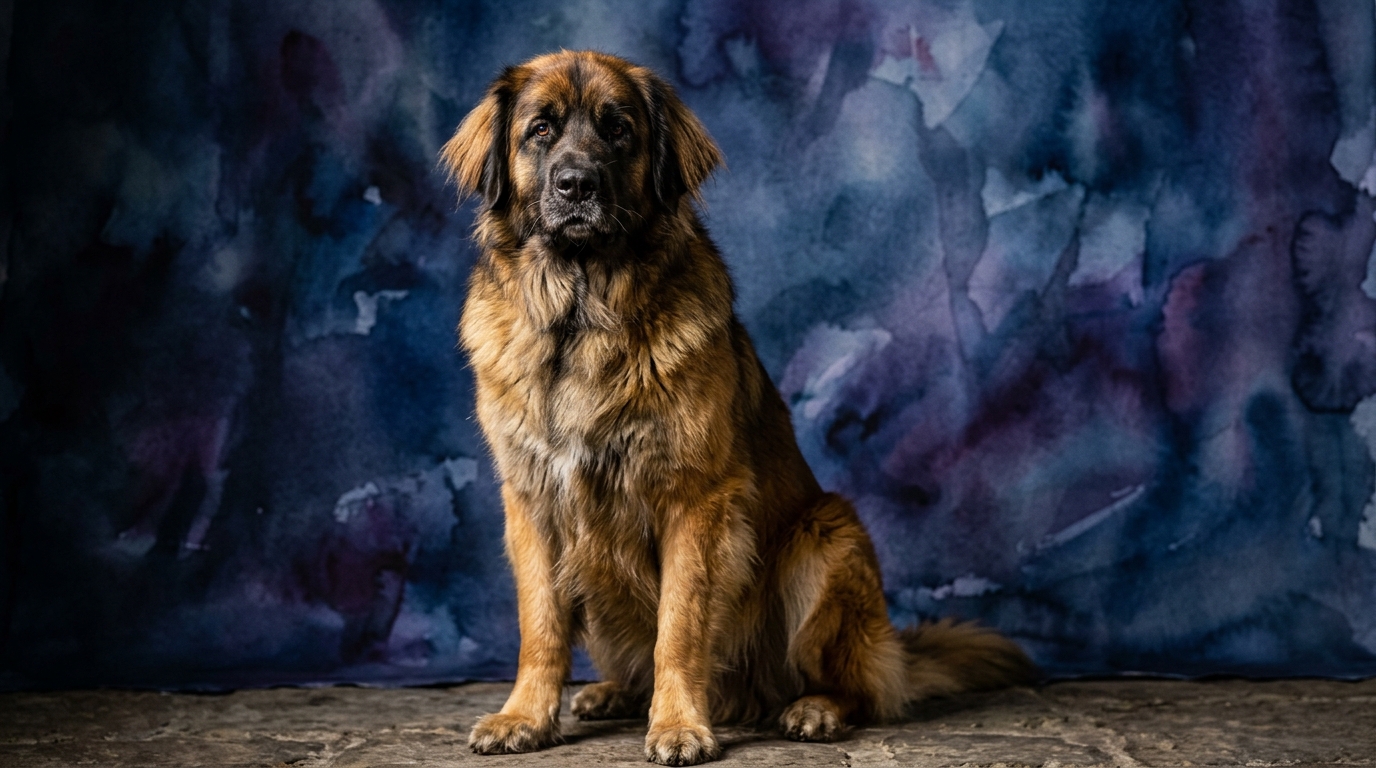
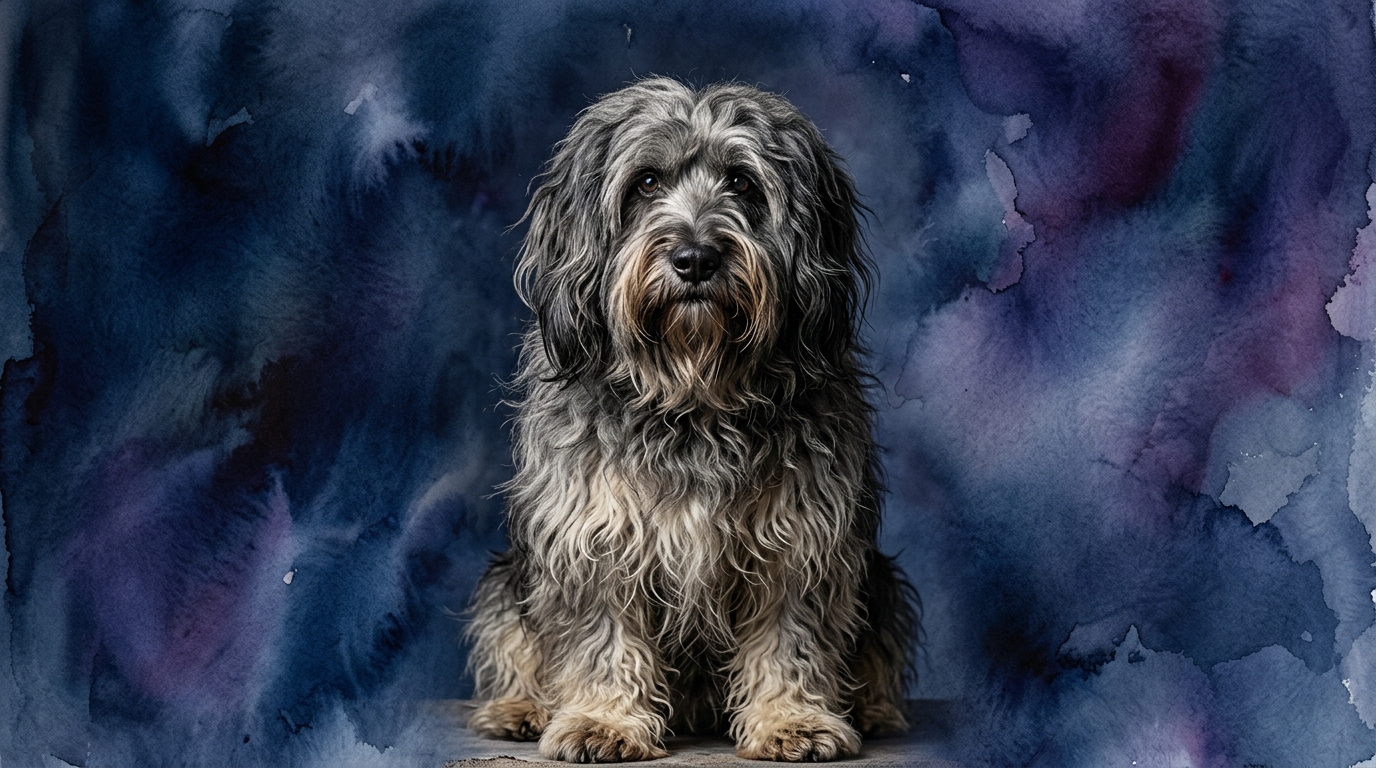
Side-by-Side IQ Profile: Interpreting Identical Scores
At first glance, the Cosmic Pet Pet IQ Lab scores for both the Leonberger and the Polish Lowland Sheepdog appear identical, each clocking in at 3/5 across all five cognitive dimensions: Problem Solving, Training Speed, Social Intelligence, Instinctive Drive, and Memory. However, these raw numbers are merely starting points; understanding what a '3/5' means for each breed requires a deeper dive into their historical roles and inherent temperaments. For the Leonberger, a majestic dog from the Working group, a 3/5 in Problem Solving often manifests as a thoughtful, deliberate approach to assessing situations, particularly when it comes to family protection or navigating complex social dynamics within their household. Their training Speed, also 3/5, reflects a capacity to learn consistently, though perhaps with a need for clear motivation and a perceived 'reason' for the task, rather than a lightning-fast reaction to every command. Social Intelligence at 3/5 highlights their deep attunement to human emotions and family cohesion, often displaying a discerning watchfulness towards strangers while being incredibly gentle and understanding with their loved ones. Their Instinctive Drive, a 3/5, leans heavily into companionship and guardianship, a gentle yet firm protective presence without the intense prey drive seen in some other breeds. Finally, their Memory, also 3/5, ensures they retain routines, past experiences, and learned behaviors effectively, fostering reliable companionship.
The Polish Lowland Sheepdog, a lively member of the Herding group, interprets these same 3/5 scores through a very different lens. Their Problem Solving at 3/5 is less about deliberate contemplation and more about dynamic, on-the-spot decision-making in a fluid environment, such as managing livestock or navigating varied terrain. This involves quick adjustments and independent thinking to achieve a goal. Their 3/5 Training Speed means they are eager to engage and learn, often picking up new commands with enthusiasm, but their strong herding instincts can sometimes lead to distraction or a need for varied, engaging training to maintain focus. Social Intelligence, at 3/5, centers on their ability to bond intensely with their 'flock' (their human family) and understand subtle cues, while often being reserved or wary of outsiders – a trait valuable in a working dog guarding its charges. The 3/5 Instinctive Drive in the Polish Lowland Sheepdog is undeniably rooted in their herding heritage, manifesting as a strong urge to gather, control movement, and sometimes 'manage' their human family members, which requires consistent guidance. Their Memory, also 3/5, is excellent for retaining complex sequences, routes, and commands vital for their working tasks, making them reliable partners once a concept is grasped.
Where the Leonberger Wins Cognitively
Despite identical scores, the Leonberger edges out the Polish Lowland Sheepdog in areas requiring calm, measured judgment and profound emotional resonance. Their Problem Solving at 3/5, while not about rapid-fire decisions, excels in assessing nuanced social situations; a Leonberger is more likely to weigh the emotional state of a child or the intent of a stranger before reacting, demonstrating a thoughtful rather than impulsive response. This deliberate assessment is a hallmark of their guardian role. Furthermore, their Social Intelligence, also 3/5, allows them to integrate seamlessly into a family unit, often acting as a sensitive barometer for household dynamics. They possess an innate ability to offer comfort or companionship precisely when needed, showcasing a deep understanding of human emotional states that goes beyond simple obedience. This nuanced empathy and capacity for discerning social evaluation gives them a distinct advantage in roles requiring a gentle, watchful presence and a profound connection with their human companions, making them exceptional family members who 'understand' more than just commands.
Where the Polish Lowland Sheepdog Wins Cognitively
The Polish Lowland Sheepdog, with its identical 3/5 scores, demonstrates cognitive strengths in areas demanding agility of mind and body, particularly in dynamic, independent work. Their Problem Solving at 3/5 shines in scenarios requiring quick, adaptable responses to changing circumstances, such as navigating a complex agility course or figuring out how to retrieve a toy from an awkward spot. This isn't about deep contemplation but rather efficient, real-time tactical thinking. Their Instinctive Drive, a 3/5, is intensely focused and provides a powerful motivation for tasks involving movement, control, and engagement. While this can manifest as herding family members, it also translates into a tenacious drive to complete tasks and overcome obstacles. This breed's specific expression of memory and training speed, both 3/5, often allows for the rapid acquisition and retention of complex sequences of commands, especially when those commands are part of an engaging, active task. They are often more adept at stringing together multiple cues and responding with precision in fast-paced environments, making them particularly suited for dog sports or detailed work where their physical and mental agility can truly flourish.
Which Is Easier to Train and Why
Evaluating ease of training between these two breeds, both rated 3/5 for Training Speed, comes down to understanding their primary motivations and inherent behavioral tendencies. The Leonberger, as a Working breed, often responds best to positive reinforcement and a clear, gentle approach that establishes trust. Their training speed, while not breakneck, means they learn consistently and retain information well, provided they see the value or purpose in the task. They tend to be more deliberate and less prone to impulsive decisions, which can make training foundational behaviors a steady, predictable process. However, their independent nature means they might occasionally question a command if it doesn't align with their internal logic, requiring patience and consistent, fair leadership.
The Polish Lowland Sheepdog, from the Herding group, often approaches training with an eager enthusiasm to engage, but their strong instinctive drive (3/5) can present unique challenges. Their natural inclination to 'herd' everything – from children to other pets – means that early and consistent redirection of this impulse is crucial. While they can learn commands quickly due to their eagerness, their training can be more demanding in terms of keeping their focus and managing their inherent energy and potential for stubbornness. They thrive on variety and mental stimulation to prevent boredom and channel their drive productively. Therefore, while both learn well, the Polish Lowland Sheepdog generally requires a more active, creative, and consistent trainer who can channel their intense herding instincts effectively, making them perhaps more 'challenging' in terms of managing their innate behaviors, even if their learning capacity is comparable.
Which Suits Active Owners vs. Relaxed Owners
The choice between a Leonberger and a Polish Lowland Sheepdog significantly hinges on an owner's lifestyle and activity level. The Leonberger, despite its immense size, often aligns better with relaxed owners, or at least those who appreciate a calmer, more deliberate pace. While they require regular exercise – daily walks and opportunities for supervised outdoor play – their energy levels are generally moderate once past puppyhood. They are content to be a watchful, gentle presence within the home, thriving on companionship and feeling integrated into family life. They do not demand constant activity but do need space and mental engagement through interaction and gentle training. For an owner seeking a thoughtful, devoted companion who enjoys quiet evenings as much as a leisurely stroll, the Leonberger is an excellent fit.
In contrast, the Polish Lowland Sheepdog is unequivocally suited for active owners. This Herding breed possesses a robust energy level and a keen mind that demands consistent engagement and a 'job' to do. Daily vigorous exercise, such as long walks, runs, or engaging in dog sports like agility, flyball, or herding trials, is essential to their well-being. Without sufficient physical and mental stimulation, a Polish Lowland Sheepdog can become bored, potentially leading to destructive behaviors or excessive 'herding' of family members. They thrive with owners who are committed to training, provide ample opportunities for activity, and enjoy an energetic, interactive canine companion. An owner who leads an active lifestyle and is prepared to dedicate significant time to their dog's exercise and mental enrichment will find a rewarding partnership with a Polish Lowland Sheepdog.
The Verdict
Choose the Leonberger if you seek a calm, deeply empathetic, and watchful companion who integrates seamlessly into family life with a gentle, protective presence, and you appreciate a more deliberate pace. This breed thrives with owners who can provide consistent, kind guidance and sufficient space, valuing thoughtful companionship over high-octane activity.
Opt for the Polish Lowland Sheepdog if you lead an active lifestyle, are prepared to engage in consistent training and provide ample physical and mental stimulation, and you desire an energetic, quick-witted partner for dog sports or an active outdoor life. This breed excels with owners who can channel their strong herding instincts into productive, engaging activities.
🧠 Find Your Pet's IQ Score
Our Pet IQ Lab assessment covers 25+ tests across 5 cognitive dimensions — personalized to your breed.
Take the Full IQ Test →Frequently Asked Questions
Do Leonbergers make good family dogs?
Yes, Leonbergers are often exceptional family dogs due to their gentle nature, patience, and strong bond with their human companions. Their social intelligence allows them to be highly attuned to family dynamics, making them watchful yet calm protectors, especially good with children when properly socialized.
Are Polish Lowland Sheepdogs good for first-time dog owners?
Polish Lowland Sheepdogs can be challenging for first-time dog owners due to their high energy levels, strong herding instincts, and need for consistent training and mental stimulation. They thrive with experienced owners who understand their working breed needs and can provide dedicated engagement.
What kind of grooming do these breeds require?
Both breeds have substantial coats that require regular grooming. The Leonberger's thick double coat needs weekly brushing to prevent mats and reduce shedding, with more frequent brushing during shedding seasons. The Polish Lowland Sheepdog has a shaggy, dense double coat that also requires regular brushing, typically 2-3 times a week, to prevent matting and keep it clean, often needing professional grooming for trims.