Side-by-Side IQ Profile
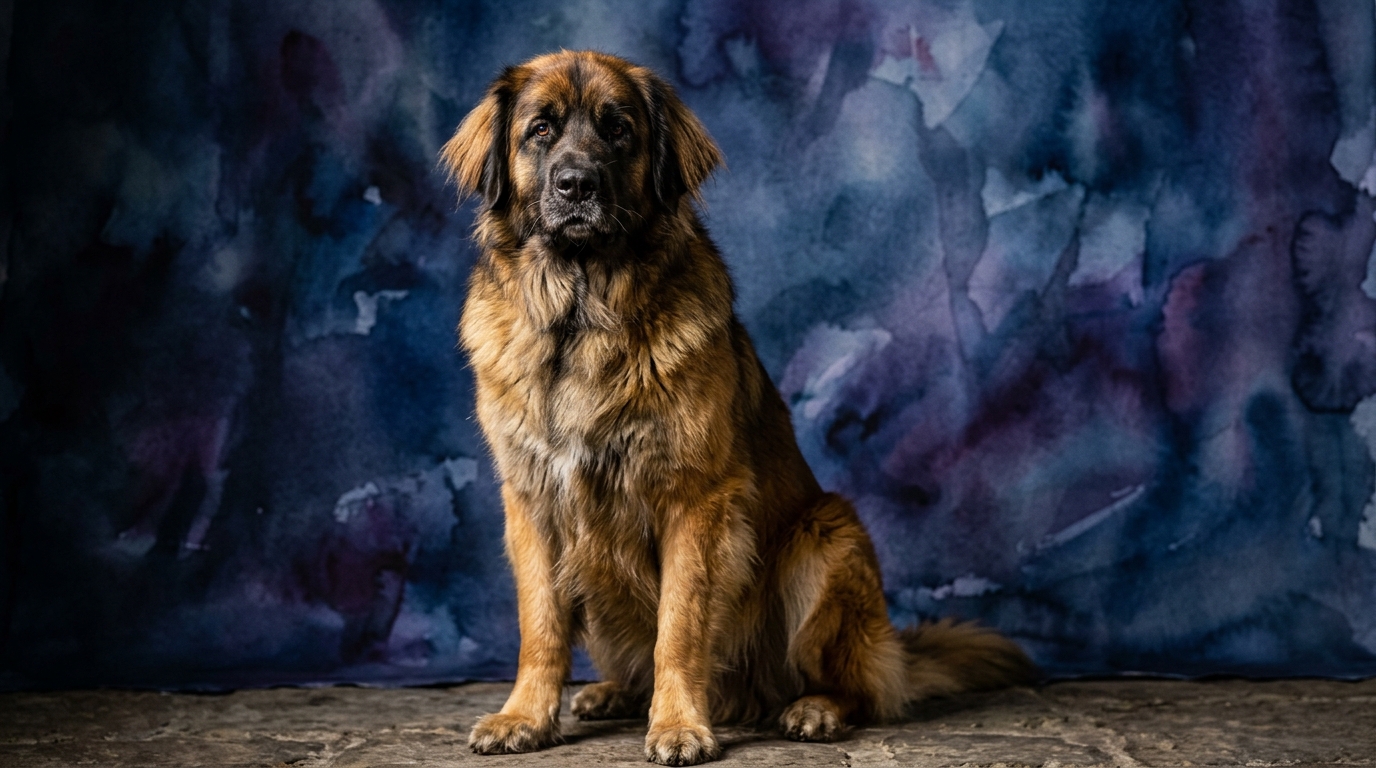
The Leonberger, a majestic working breed, exhibits a remarkably balanced cognitive structure. Its Problem Solving is rated 3/5, indicating a capacity for learning and adapting to new situations, though perhaps not with lightning speed. Training Speed is also 3/5, suggesting a steady, consistent approach yields the best results. Social Intelligence stands at 3/5, meaning they can read human and canine cues adequately but might require guidance in complex social scenarios. Instinctive Drive is a solid 3/5, reflecting their heritage in tasks like guarding and drafting, while Memory is 3/5, allowing them to retain learned behaviors and experiences over time.
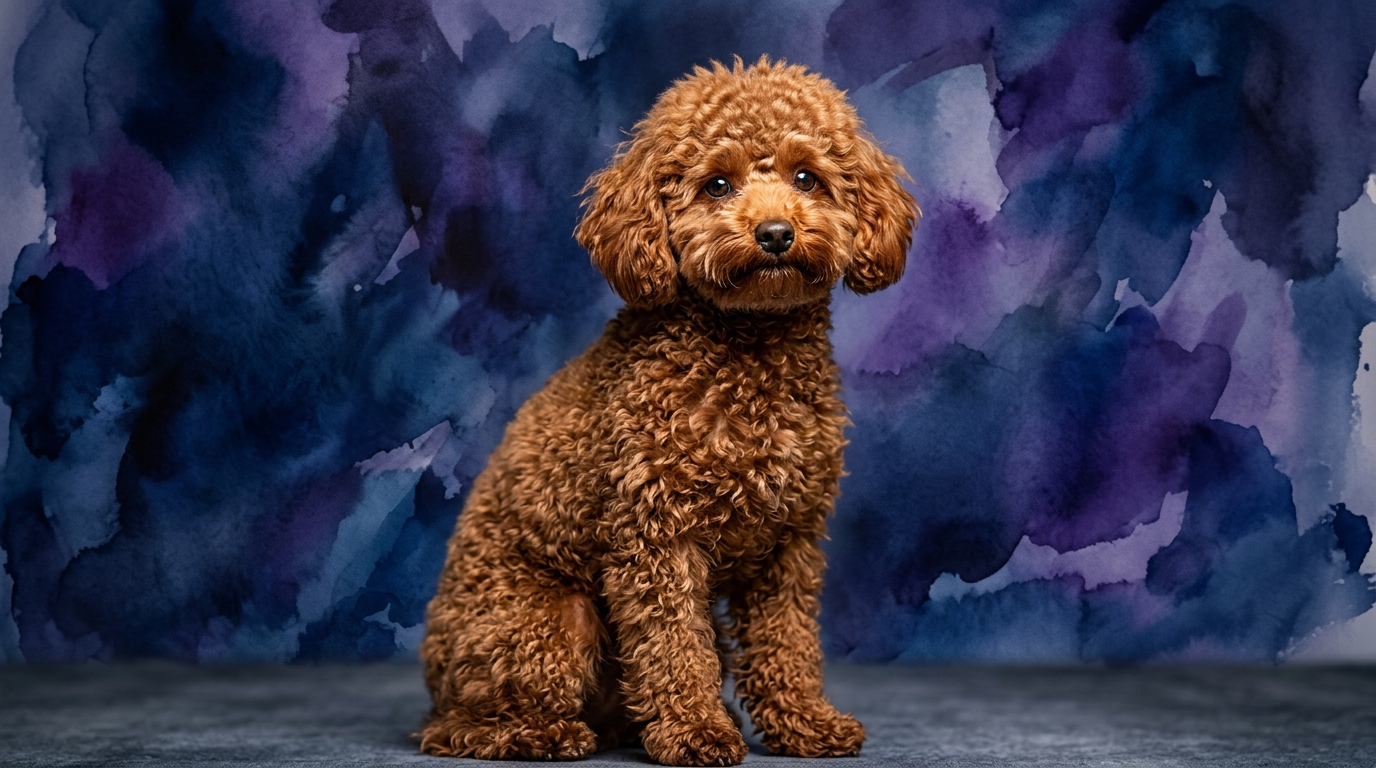
In contrast, the Toy Poodle, a charming companion from the Toy group, presents a sharper cognitive edge in specific areas. Its Problem Solving is an impressive 5/5, indicating a strong aptitude for figuring things out independently and creatively. Training Speed mirrors this at 5/5, suggesting they grasp new commands and routines with remarkable swiftness. Social Intelligence is 3/5, on par with the Leonberger, meaning they are generally attuned to their environment but not exceptionally so. Instinctive Drive is also 3/5, reflecting their background in retrieving and performance, while Memory shines at 5/5, enabling them to recall vast amounts of information and experiences with precision.
Where Leonberger Wins Cognitively
While the Toy Poodle excels in raw processing speed and abstract problem-solving, the Leonberger's cognitive strengths lie in its balanced, robust application across multiple domains, particularly where sheer physical presence and a steady temperament are assets. Their 3/5 Instinctive Drive, while not the highest, is inherently tied to their working heritage, manifesting as a reliable, protective instinct. This isn't about solving a puzzle quickly, but about making sound, measured judgments in real-world scenarios, like discerning a threat or patiently watching over their family.
The Leonberger's consistent scores across the board—3/5 in every category—suggest a breed that is predictably capable and less prone to overthinking or impulsivity. This cognitive steadiness translates into a dog that is reliably calm and unflappable, especially in environments demanding composure rather than quick-witted responses. For tasks requiring sustained focus, physical endurance, and a gentle, watchful nature, the Leonberger's cognitive makeup provides a reliable foundation, allowing them to excel in roles where their presence itself is a significant contribution.
Where Toy Poodle Wins Cognitively
The Toy Poodle's cognitive superiority is most evident in its Problem Solving (5/5), Training Speed (5/5), and Memory (5/5). This combination makes them exceptionally adept at learning new tasks, understanding complex sequences, and retaining that knowledge over extended periods. They demonstrate a remarkable ability to process information rapidly and apply past experiences to novel situations, often surprising owners with their cleverness in navigating household challenges or mastering intricate tricks.
Their swift Training Speed means they can pick up new commands with minimal repetition, making them a joy for owners interested in advanced obedience, agility, or canine sports. The high Problem Solving score suggests they don't just follow commands but can independently strategize to achieve a goal, whether it's figuring out how to open a cabinet or devising a new game. Paired with their excellent Memory, this means once a Toy Poodle learns something, it tends to stick, allowing for a vast repertoire of learned behaviors and a deep understanding of household routines.
Which Is Easier to Train and Why
Based on their respective IQ profiles, the Toy Poodle (Training Speed 5/5) is unequivocally easier to train than the Leonberger (Training Speed 3/5) in terms of the pace at which they acquire new commands and behaviors. Toy Poodles grasp concepts quickly, often requiring fewer repetitions and responding well to positive reinforcement methods due to their eagerness to engage and their sharp recall. Their high problem-solving ability also means they can generalize learned behaviors to new contexts more readily.
The Leonberger, while trainable, requires a more patient and consistent approach. Their 3/5 Training Speed suggests they absorb information at a moderate pace, making repetition and clear, calm instruction essential. They are not as prone to "got it in one" moments, but once a behavior is learned, it is typically performed reliably. Owners of Leonbergers should be prepared for a longer training journey, focusing on building a strong foundation through positive reinforcement and making training a consistent part of their routine, rather than expecting instant mastery.
Which Suits Active Owners vs. Relaxed Owners
For active owners who relish intellectual challenges and enjoy engaging their dog in complex activities, the Toy Poodle is an exceptional match. Their high Problem Solving and Training Speed mean they thrive on mental stimulation, excelling in dog sports like agility, obedience, or even scent work. They require consistent mental engagement to prevent boredom and channel their cognitive energy constructively, making them ideal for individuals who want an active partner in learning and exploration, beyond just physical exercise.
The Leonberger, with its balanced cognitive profile and steady temperament, is better suited for owners who appreciate a more relaxed, yet engaged, companionship. While they certainly benefit from regular exercise and mental stimulation, their cognitive strengths lean towards a calm, watchful presence rather than constant intellectual gymnastics. They flourish in environments where their role is more about being a gentle, protective family member, requiring owners who understand and value their deliberate approach to learning and their strong, quiet bond.
The Verdict
Choose the Leonberger if you seek a consistently calm, steady companion whose cognitive strength lies in reliable judgment and a gentle, protective presence, thriving on a patient training approach and a stable home environment.
Opt for the Toy Poodle if you desire a swift learner, eager to tackle complex mental challenges and excel in dog sports, benefiting from an owner who provides constant intellectual engagement and rapid-fire training sessions.
🧠 Find Your Pet's IQ Score
Our Pet IQ Lab assessment covers 25+ tests across 5 cognitive dimensions — personalized to your breed.
Take the Full IQ Test →Frequently Asked Questions
Does a high Coren rank automatically mean a dog is "smarter" in all aspects?
Not necessarily. The Coren rank primarily assesses "working and obedience intelligence," focusing on how quickly a dog learns new commands and its obedience rate. As seen with the Toy Poodle, a high rank correlates with excellent training speed and memory, but other cognitive dimensions like social intelligence or instinctive drive might not be equally elevated.
How does "Instinctive Drive" differ between these two breeds?
Both breeds share a 3/5 Instinctive Drive, indicating a moderate level. For the Leonberger, this often manifests as a natural inclination towards guardianship and family protection, rooted in its working heritage. For the Toy Poodle, it can translate into a keen desire for retrieving or performing, reflecting their historical roles in hunting and entertainment, rather than raw protective instincts.
Can a Leonberger learn complex tasks despite a lower Training Speed score?
Absolutely. A 3/5 Training Speed means the Leonberger learns at a moderate pace, not that they are incapable of complex tasks. They simply require more patience, consistent repetition, and positive reinforcement over a longer period. Once learned, their strong memory ensures the knowledge is retained, making them reliable performers.