
Side-by-Side Cognitive Profiles: Decoding the 3/5 Score
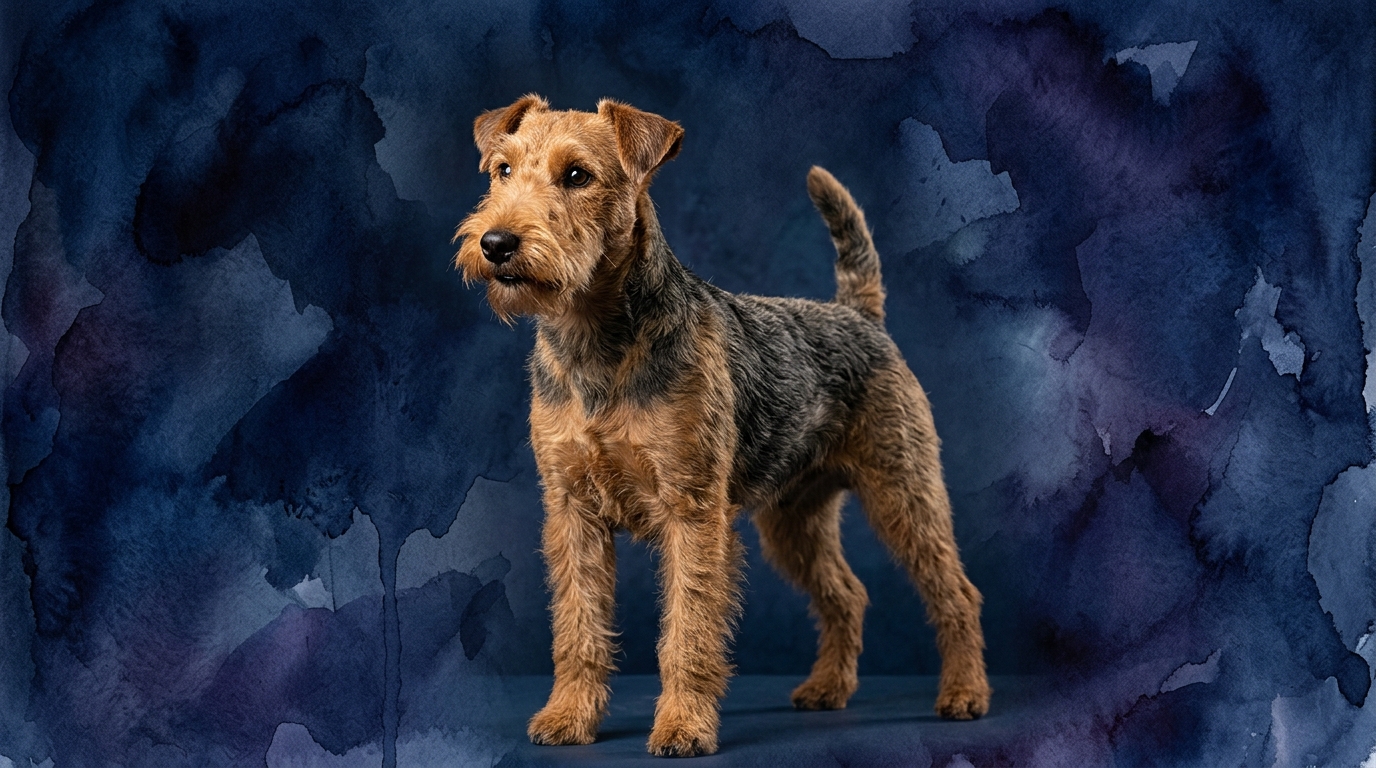
Both the majestic Leonberger and the spirited Welsh Terrier register a balanced 3 out of 5 across all five Pet IQ Lab dimensions: Problem Solving, Training Speed, Social Intelligence, Instinctive Drive, and Memory. While the numerical score is identical, the *expression* of these cognitive traits is deeply colored by their breed histories and physical forms, offering a fascinating look into canine cognition.
A 3/5 in **Problem Solving** for a Leonberger often involves assessing complex social situations, understanding human needs in a rescue context, or navigating their large bodies through varied environments with deliberate grace. Their problem-solving might lean towards discerning threats or comforting a distressed family member, reflecting their working and companion heritage. For the Welsh Terrier, a 3/5 in Problem Solving typically manifests as independent strategy in flushing prey, figuring out how to bypass obstacles to reach a desired object, or outsmarting a fence line. Their solutions are often swift, tenacious, and driven by a strong, focused intent, characteristic of their terrier ingenuity.
**Training Speed** at 3/5 suggests both breeds possess a moderate ability to grasp new commands and routines. For the Leonberger, this often translates to a willingness to cooperate, fueled by a desire to please their human companions and participate in family activities. They might take a few repetitions but generally retain lessons well, especially when training is positive and consistent. The Welsh Terrier's 3/5 Training Speed indicates they can learn quickly, but their independent spirit might mean they choose *when* to demonstrate that learning. They might master a command swiftly but require compelling motivation to execute it reliably, often testing boundaries with a mischievous streak common to the terrier group.
**Social Intelligence** at 3/5 for a Leonberger means they are typically attuned to human emotions and social cues, often displaying a calm, empathetic presence that makes them excellent family companions and therapy prospects. They can navigate household dynamics with a gentle understanding, often acting as a reassuring presence. The Welsh Terrier's 3/5 Social Intelligence, while present, is often expressed through more direct and sometimes boisterous interactions. They understand social hierarchies within their pack (human and canine) but might challenge them playfully or assertively. Their social interactions are often energetic and engaging, reflecting their bold and confident demeanor.
An **Instinctive Drive** score of 3/5 for the Leonberger is rooted in their heritage as farm dogs, guardians, and water rescuers. This drive manifests as a protective instinct for their family, a natural inclination to be watchful, and sometimes a desire to 'herd' or keep their loved ones close. Their drives are often purposeful and steady. For the Welsh Terrier, a 3/5 Instinctive Drive is predominantly a strong prey drive, stemming from their history as vermin hunters. This translates into a keen interest in chasing small animals, digging, and exploring with intense focus. Their drives are often quick to ignite and highly persistent.
Finally, a **Memory** score of 3/5 for both breeds indicates a solid ability to recall past experiences, learned commands, and social interactions. Leonbergers tend to remember routines, people, and places with a quiet steadfastness, often forming deep, lasting bonds and recognizing familiar faces even after long absences. Welsh Terriers also possess a good memory, particularly for things that have proven rewarding or challenging. They recall training cues, preferred routes for walks, and where they last buried a favorite toy with a tenacious accuracy, sometimes using their memory to anticipate events or opportunities for mischief.
Where the Leonberger Wins Cognitively
Despite identical scores, the Leonberger’s cognitive strengths often shine in areas requiring calm discernment and empathetic understanding. Their large size and working background predispose them to a more deliberate and observational approach to their environment. They excel at processing complex social dynamics, often acting as gentle mediators within a family, sensing distress or tension and responding with a comforting presence. This ability to 'read the room' and react with measured responses, rather than immediate instinct, gives them an edge in roles requiring emotional support and thoughtful guardianship. Their problem-solving, though a 3/5, is particularly effective when it involves assessing safety or providing comfort, making them exceptional family protectors who prioritize welfare over raw action.
Where the Welsh Terrier Wins Cognitively
The Welsh Terrier's cognitive advantages, also within the 3/5 framework, are distinctively terrier-like: quick, independent, and persistent. Their problem-solving often involves rapid assessment and tenacious execution, particularly when pursuing a goal or navigating a challenging physical space. They possess a cunning resourcefulness, often finding unconventional ways to achieve what they want, whether it's retrieving a hidden toy or escaping a perceived confinement. This breed's instinctive drive, while rated 3/5, is channeled into highly focused, strategic hunting behaviors, making them masters of independent thought and determined pursuit. They are adept at learning through trial and error, quickly adapting their tactics to overcome obstacles with unwavering resolve.
Training Dynamics: Leonberger vs. Welsh Terrier
Both breeds register a 3/5 in Training Speed, but the *experience* of training them can differ significantly due to their inherent temperaments. The Leonberger, with its desire to please and bond closely with its family, often approaches training with an eager, cooperative spirit. Their biddability and relatively lower prey drive mean they are generally receptive to consistent, positive reinforcement methods, making them appear 'easier' to train for foundational obedience. Their substantial size also necessitates early and consistent training to ensure they are well-mannered and manageable.
In contrast, the Welsh Terrier's 3/5 Training Speed is often balanced by a strong independent streak and a formidable terrier stubbornness. While they are capable of learning commands quickly, they might not always choose to obey, especially if a more engaging distraction (like a squirrel) presents itself. Training a Welsh Terrier requires immense patience, creativity, and a high-value reward system to maintain their focus. Their innate drive to explore and hunt means they need compelling reasons to engage with training, often making the process more a battle of wits than a straightforward lesson. Owners must understand that 'learning' doesn't always equate to 'compliance' with this tenacious breed.
Matching Lifestyles: Active vs. Relaxed Owners
The Leonberger, despite its imposing size, can be surprisingly calm indoors, often enjoying lounging near its family. However, this breed requires regular, moderate exercise to maintain physical health and mental well-being, including daily walks, playtime, and opportunities for mental stimulation. They are well-suited for owners who enjoy consistent outdoor activity but also appreciate a relaxed home life. Their social intelligence and desire for companionship mean they thrive in environments where they are integrated into family activities, rather than left alone for extended periods.
The Welsh Terrier, by contrast, is a dynamo of energy packed into a compact frame. This breed demands a highly active lifestyle, requiring vigorous daily exercise, engaging playtime, and consistent mental challenges to prevent boredom and destructive behaviors. They are an ideal match for owners who are genuinely active – hikers, runners, or those who enjoy participating in dog sports like agility. A Welsh Terrier is not a breed for a relaxed, sedentary owner; their high instinctive drive and need for engagement mean they thrive when given a 'job' and plenty of opportunities to burn off their boundless energy.
The Verdict
Choose a Leonberger if you seek a gentle, empathetic giant capable of thoughtful companionship and protective instincts, thriving in a family environment with moderate activity.
Opt for a Welsh Terrier if you are an active, experienced owner ready for an independent, tenacious, and energetic companion who thrives on adventure and consistent mental engagement.
🧠 Find Your Pet's IQ Score
Our Pet IQ Lab assessment covers 25+ tests across 5 cognitive dimensions — personalized to your breed.
Take the Full IQ Test →Frequently Asked Questions
Do Leonbergers make good family pets?
Yes, Leonbergers are often excellent family pets due to their calm demeanor, high social intelligence, and protective yet gentle nature. They bond deeply with their families and are typically patient with children, provided they receive early socialization and consistent training.
Are Welsh Terriers easy to live with for first-time dog owners?
Welsh Terriers can be challenging for first-time dog owners due to their independent nature, strong prey drive, and need for consistent, firm training. While they are affectionate, their energy levels and potential for stubbornness require an owner who understands terrier traits and is committed to active management.
How much exercise do these breeds need daily?
Leonbergers require at least 60-90 minutes of moderate exercise daily, including walks and playtime, to keep them healthy and content. Welsh Terriers, being more energetic, need 90-120 minutes of vigorous activity, such as running, fast-paced walks, or engaging dog sports, to satisfy their high drive.