
Side-by-Side IQ Profile
The Cosmic Pet Pet IQ Lab employs a five-dimensional framework to assess canine intelligence, offering a comprehensive view beyond simple obedience. For both the Lhasa Apso and the Xoloitzcuintli, each dimension registers a score of 3 out of 5, indicating a solid, functional intellect, but the *application* of these scores differs significantly based on their breed-specific traits and histories.
For the **Lhasa Apso**, their Problem Solving (3/5) often reflects an independent capacity to assess situations and devise solutions, particularly related to their protective instincts, such as figuring out optimal vantage points or alerting their family to perceived threats. Their Training Speed (3/5) indicates they can learn, but their independent nature often requires patient, consistent methods, as their motivation frequently stems from their own perceived benefit rather than an inherent eagerness to please. Social Intelligence (3/5) for a Lhasa means forming deep, loyal bonds within their primary family, while often remaining reserved or aloof with strangers, a trait refined by centuries of guarding. Their Instinctive Drive (3/5) is strongly oriented towards being a sentinel, possessing a keen awareness of surroundings and a natural tendency to bark at perceived intruders. Memory (3/5) in Lhasas is solid for routines, learned commands, and crucially, for people and experiences, contributing to their selective social nature and consistent protective behavior.
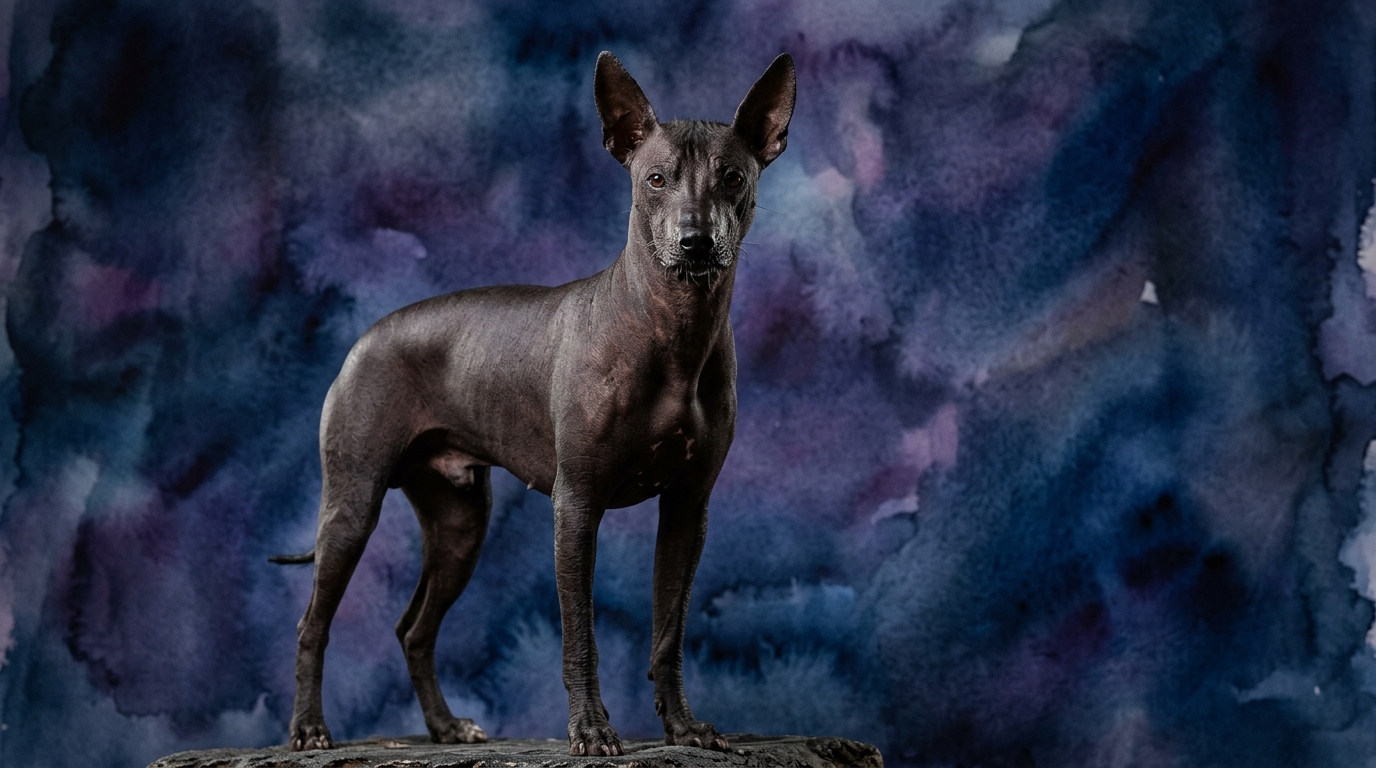
The **Xoloitzcuintli** also scores 3/5 across the board, but their cognitive expression varies. Their Problem Solving (3/5) is often demonstrated through adaptability and resourcefulness, particularly in navigating their environment for comfort or communicating their desires within their family structure. Training Speed (3/5) for Xolos is tied to their sensitivity; they learn quickly with positive, gentle, and engaging methods, often shutting down if training is harsh or inconsistent. Social Intelligence (3/5) is a hallmark of the Xolo, manifesting as profound devotion to their families, exceptional empathy, and attunement to human emotions, though they remain reserved and watchful around strangers. Their Instinctive Drive (3/5) encompasses both companion and guardian roles, with a natural inclination to watch over their family alongside a strong desire for physical closeness. Memory (3/5) for Xolos is excellent for routines, beloved people, and past experiences, reinforcing their consistent behavior and deep, lasting bonds.
Where Lhasa Apso Wins Cognitively
Despite identical numerical scores, the Lhasa Apso's cognitive strengths distinctly lean towards independent assessment and territorial vigilance. Their Problem Solving (3/5) is particularly adept at evaluating their surroundings for potential threats, making them proficient at identifying novel changes or unusual sounds that demand attention—a skill honed through centuries of guarding Tibetan monasteries. This manifests as a sharp discernment for what is 'out of place' in their environment, enabling them to act as vigilant, self-appointed watchdogs. Their Instinctive Drive (3/5) is singularly focused on this protective role, translating into persistent alertness and a readiness to alert their family, even if it means employing a degree of stubbornness to ensure their warning is heeded. This independence, while sometimes posing training challenges, is a cognitive asset when a dog needs to make judgments without constant human direction. Their memory (3/5) for specific 'intruder' profiles or suspicious activities can be quite pronounced, reinforcing their consistent guarding behavior and making them reliable sentinels for their home.
Where Xoloitzcuintli Wins Cognitively
The Xoloitzcuintli's cognitive advantages are profoundly rooted in their deep social connection and emotional sensitivity. Their Social Intelligence (3/5) shines through their exceptional empathy and attunement to human moods, often anticipating their owner's needs or offering comfort without direct prompting. This isn't merely about bonding; it's a sophisticated understanding of subtle human cues and emotional states, allowing them to integrate seamlessly into a family's emotional landscape. Their Problem Solving (3/5) frequently manifests in adapting to various family dynamics and finding optimal ways to provide companionship, whether through quiet presence or seeking physical closeness. Their Instinctive Drive (3/5) is balanced between watchful guardianship and a profound desire for close physical connection, making them intuitive comforters. This blend of protective instinct with a strong affiliative drive creates a dog that is not only aware of its environment but also deeply connected to the emotional well-being of its human companions. Their memory (3/5) for positive interactions and family routines reinforces these strong bonds and their consistent, comforting presence.
Which is Easier to Train and Why
When considering ease of training, the Xoloitzcuintli generally presents a smoother path due to their inherent sensitivity and strong desire for connection. Their Training Speed (3/5), coupled with their high Social Intelligence (3/5), means they are often motivated by pleasing their beloved human and respond exceptionally well to positive reinforcement, gentle correction, and clear communication. They form deep attachments and thrive on interaction, which can make them eager participants in training sessions, provided the methods are kind and consistent, avoiding any harshness that might cause them to withdraw. Conversely, the Lhasa Apso, while possessing the same 3/5 Training Speed, couples this with a more independent and sometimes stubborn streak, often rooted in their protective Instinctive Drive (3/5). They are capable learners but may require more patience, creativity, and a stronger incentive to comply, as their motivation is frequently internal rather than purely external validation. A Lhasa might question a command if they don't perceive its immediate purpose, making training a more collaborative, negotiation-like process rather than straightforward instruction. Their selective social intelligence means they respond best to those they trust implicitly, requiring a deeper bond to be built before consistent obedience is achieved.
Which Suits Active Owners vs Relaxed Owners
For owners seeking a more relaxed, contemplative companion, the Xoloitzcuintli might be the more fitting choice. While they appreciate regular walks and playtime, their energetic bursts are often balanced with a calm demeanor indoors, and their primary need is for close human companionship and emotional connection. They are content to lounge nearby, often seeking warmth and physical contact, making them excellent companions for those who enjoy quiet evenings at home. Their sensitivity means they thrive in stable, predictable environments, and their mental stimulation often comes from interacting with their family rather than intense physical activity. The Lhasa Apso, on the other hand, while not requiring marathon runs, possesses a more independent and vigilant energy that might better suit owners who appreciate a dog with a purpose. Their internal drive to observe and protect means they benefit from mental stimulation that engages their problem-solving skills and satisfies their guarding instincts, such as puzzle toys, designated lookout spots, or structured 'watch' duties. They are generally adaptable to apartment living but require consistent engagement to prevent boredom and excessive barking. An 'active owner' for a Lhasa might not mean physical activity, but rather an active approach to their mental and social environment, providing consistent structure and opportunities for their unique cognitive strengths to flourish, ensuring their keen senses are appropriately channeled.
The Verdict
Opt for a Lhasa Apso if you appreciate a dog with a distinct independent streak, a vigilant nature, and a keen sense of territory, valuing a loyal guardian who forms deep, selective bonds.
Select a Xoloitzcuintli if you desire a deeply empathetic, emotionally attuned companion dog that thrives on close physical and emotional connection, offering quiet devotion and an ancient, sensitive spirit.
🧠 Find Your Pet's IQ Score
Our Pet IQ Lab assessment covers 25+ tests across 5 cognitive dimensions — personalized to your breed.
Take the Full IQ Test →Frequently Asked Questions
Do Lhasa Apsos bark a lot due to their intelligence?
Lhasa Apsos are indeed known for their vocal tendencies, which stem from their historical role as alert watchdogs. Their 3/5 instinctive drive and problem-solving skills are often channeled into assessing their environment and alerting their family to anything unusual, making barking a key part of their communication.
Are Xoloitzcuintlis good with children given their social intelligence?
Xoloitzcuintlis can be wonderful family dogs, especially with older, respectful children, thanks to their strong social intelligence and deep family bonds. Their sensitive nature means they thrive in calm environments and prefer gentle interactions, so supervision is always recommended to ensure mutual respect.
How do these breeds handle new people or situations with their 3/5 social intelligence?
Both breeds, despite a 3/5 social intelligence score, tend to be reserved with strangers, a trait rooted in their historical roles. Early, positive socialization is crucial for both to help them develop confidence and appropriate responses in new social settings, allowing them to assess new people calmly.