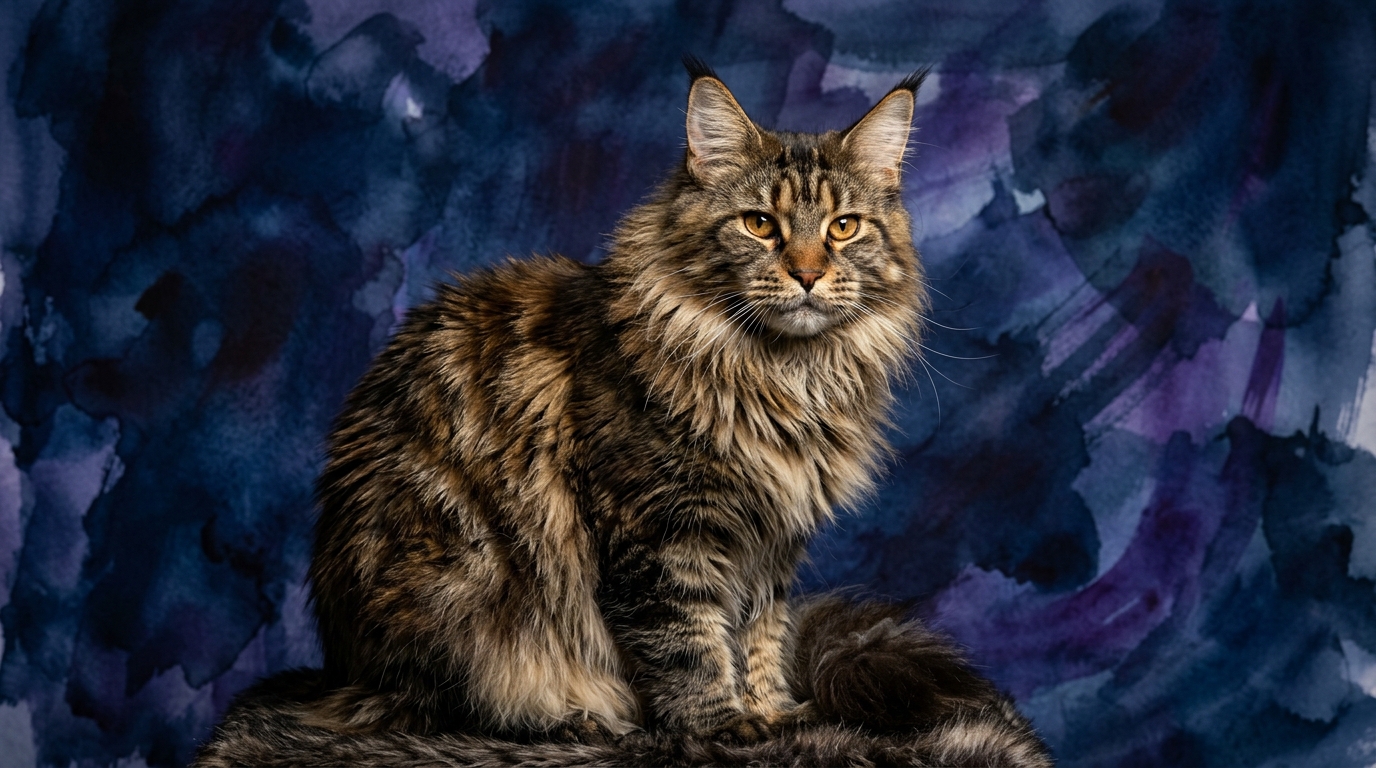
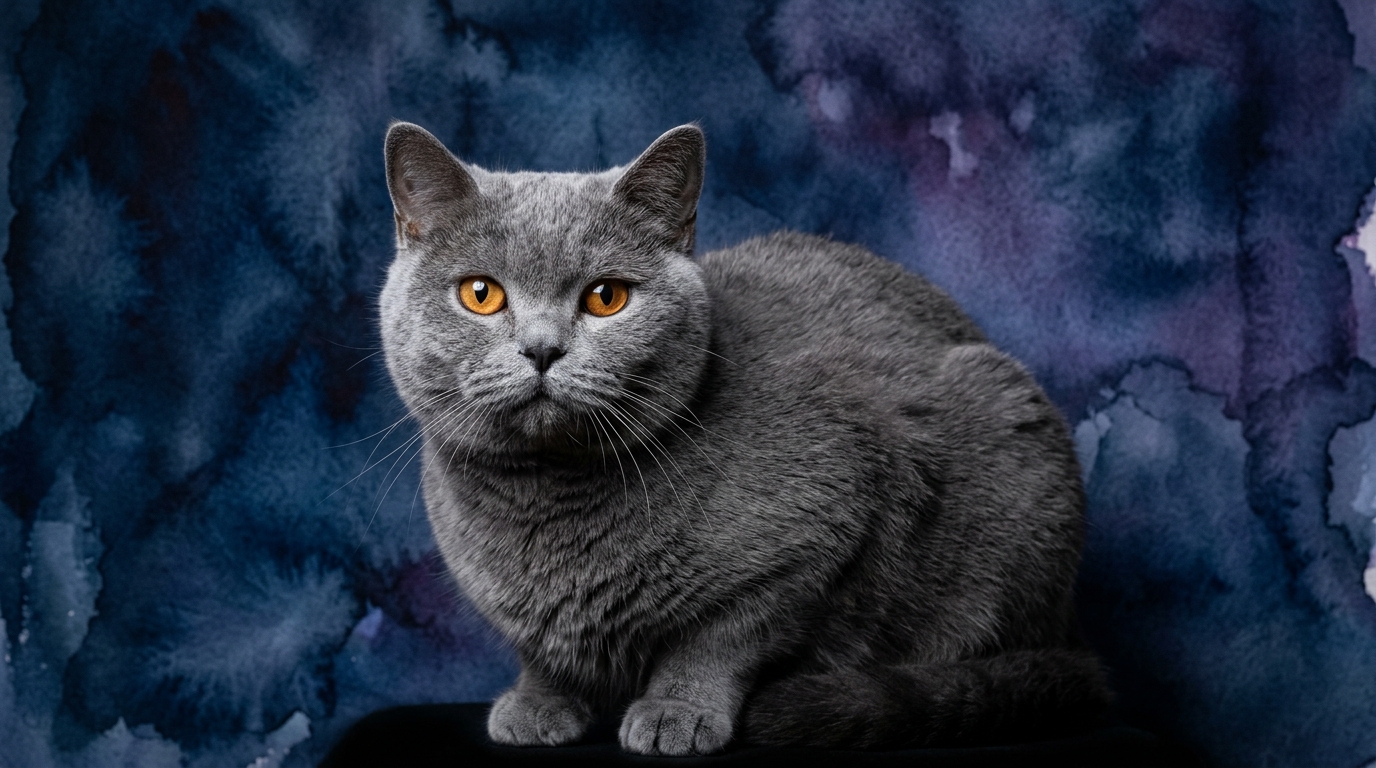
Side-by-Side Cognitive Profiles
The Cosmic Pet Pet IQ Lab provides a detailed framework for understanding feline cognition across five key dimensions. For the Maine Coon, we observe a robust profile: Problem Solving 4/5, Training Speed 4/5, Social Intelligence 5/5, Instinctive Drive 4/5, and Memory 4/5. This suggests a cat that is highly engaged with its environment and its human companions, possessing a strong capacity for learning and interaction.
In contrast, the British Shorthair presents a more uniform, moderate cognitive profile, scoring 3/5 across all five dimensions: Problem Solving 3/5, Training Speed 3/5, Social Intelligence 3/5, Instinctive Drive 3/5, and Memory 3/5. This indicates a feline companion that is capable and competent in its cognitive abilities, yet typically operates with a less intense drive for complex engagement compared to the Maine Coon.
Breaking down these scores, a Maine Coon’s 4/5 in Problem Solving points to an animal adept at navigating complex situations, perhaps figuring out how to open cabinets or engage with intricate puzzle toys. Their 5/5 in Social Intelligence highlights an exceptional attunement to human moods and social cues, fostering deep, responsive bonds. A 4/5 in Training Speed means they typically pick up new routines and commands relatively quickly, while their 4/5 Instinctive Drive fuels playful antics and a natural curiosity. Finally, a 4/5 Memory suggests they retain learned information and recall experiences with notable precision.
For the British Shorthair, a 3/5 in Problem Solving indicates they can solve moderate challenges but might prefer simpler, more predictable tasks. Their 3/5 Social Intelligence means they appreciate companionship but in a more reserved, less demanding manner, valuing presence over constant interaction. A 3/5 Training Speed suggests they learn at a steady pace, benefiting from consistent, gentle reinforcement. Their 3/5 Instinctive Drive translates to a present but often gentler expression of natural behaviors, preferring calm play. Lastly, a 3/5 Memory ensures they remember routines and familiar faces, contributing to their sense of security and comfort in their environment.
Where the Maine Coon Excels Cognitively
The Maine Coon's cognitive strengths distinctly shine in areas requiring active engagement and nuanced understanding. Its 4/5 Problem Solving score means it often demonstrates a remarkable capacity for strategic thinking, whether it’s figuring out how to access a coveted treat or navigating a new, unfamiliar space with calculated curiosity. This breed is more likely to independently devise solutions to environmental challenges, showcasing a proactive intellectual approach.
Furthermore, the Maine Coon's exceptional 5/5 Social Intelligence is a defining cognitive advantage. This isn't merely about being friendly; it reflects an advanced ability to interpret human emotions, body language, and vocal tones. They often anticipate their owner's needs or moods, responding with appropriate social gestures, making them remarkably empathetic and communicative companions. This high social acumen allows for intricate human-feline interactions, fostering a deeper, more reciprocal bond that is less common in other breeds. Their strong memory (4/5) further enhances this by helping them recall specific interactions and preferences, building a rich history of shared experiences.
Where the British Shorthair's Profile 'Wins' for Specific Lifestyles
While the British Shorthair’s cognitive scores are consistently moderate at 3/5, this profile presents distinct advantages for certain owners and living situations. Their balanced Problem Solving (3/5) means they are generally content with established routines and less inclined to create their own complex challenges, such as opening child-proofed cabinets or disassembling household items. This can be a 'win' for owners seeking a predictable and less mischievous companion who respects boundaries without constant supervision.
The British Shorthair’s moderate Social Intelligence (3/5) is also a significant benefit for those who appreciate a feline presence that is affectionate yet independent. They offer companionship without the intense demand for constant interaction or elaborate social games that a Maine Coon might exhibit. This breed provides a comforting, serene presence, understanding and appreciating human company on its own terms, making them perfect for quiet households or individuals who prefer a more self-sufficient pet. Their consistent 3/5 Memory ensures they reliably remember their routines and people, providing a steadfast and comforting familiarity in their daily lives.
Training Aptitude: Maine Coon vs. British Shorthair
When it comes to training, the Maine Coon generally holds an advantage due to its higher scores in Training Speed (4/5) and Problem Solving (4/5). These cats often display an eagerness to learn and a quick grasp of new concepts, making them receptive to various forms of training, from basic commands like 'sit' or 'stay' to more complex tricks or even leash walking. Their strong Social Intelligence (5/5) also plays a crucial role, as they often enjoy the cooperative aspect of training and the positive reinforcement from their human companions. They thrive on mental stimulation, seeing training sessions as an engaging activity rather than a chore, and can quickly adapt to new routines or environmental changes.
The British Shorthair, with a Training Speed of 3/5, is certainly trainable, but typically requires a more patient and consistent approach. Their learning pace is steady rather than rapid, meaning owners should be prepared for more repetition and a gradual progression in training complexity. Their moderate Problem Solving and Social Intelligence scores suggest they might not be as inherently motivated by the challenge of learning new things or the desire to please in the same demonstrative way as a Maine Coon. Training a British Shorthair is most effective with gentle, positive reinforcement methods, focusing on consistency and making the process enjoyable, rather than demanding, to suit their calm and sometimes independent demeanor. They may take longer to master a command but once learned, their 3/5 Memory ensures good retention.
Lifestyle Suitability: Active Owners vs. Relaxed Owners
For active owners seeking a feline companion to share in their dynamic lifestyle, the Maine Coon is an exceptional match. Their high Social Intelligence (5/5) means they genuinely enjoy being involved in family activities, often following their owners from room to room or participating in interactive play sessions. Their robust Instinctive Drive (4/5) and Problem Solving (4/5) make them ideal candidates for puzzle toys, agility courses, and even supervised outdoor adventures on a leash. They thrive on mental and physical stimulation, often initiating games and seeking out opportunities for engagement. Owners who appreciate a cat that is highly responsive, communicative, and always ready for interaction will find a deep connection with a Maine Coon.
Conversely, the British Shorthair is perfectly suited for relaxed owners who appreciate a calm, dignified, and relatively independent feline presence. Their moderate scores across all cognitive dimensions mean they are content with a serene home environment and predictable routines. While they certainly appreciate affection and gentle play, their Social Intelligence (3/5) ensures they are not overly demanding of attention, making them ideal for individuals who work from home or prefer a less boisterous pet. They are not prone to excessive mischief or destructive behaviors stemming from boredom, offering a comforting and steadfast companionship that complements a quiet, stable household. Their cognitive profile supports a life of contented observation and peaceful coexistence.
The Verdict
For owners seeking an interactive, highly responsive companion that thrives on mental engagement and social bonding, a Maine Coon offers a deeply rewarding experience.
For those who appreciate a calm, independent feline presence that offers gentle companionship and a predictable routine, the British Shorthair is an excellent fit.
🧠 Find Your Pet's IQ Score
Our Pet IQ Lab assessment covers 25+ tests across 5 cognitive dimensions — personalized to your breed.
Take the Full IQ Test →Frequently Asked Questions
Are Maine Coons good at learning tricks?
Yes, Maine Coons excel at learning tricks due to their 4/5 Training Speed and 4/5 Problem Solving abilities. They often enjoy the mental engagement and social interaction involved in mastering new commands and puzzle toys.
Do British Shorthairs enjoy interactive games?
British Shorthairs enjoy interactive games, but their 3/5 Instinctive Drive suggests they prefer gentler, less intense play sessions. They appreciate consistent, calm engagement rather than highly demanding or complex activities.
Which breed is more likely to 'talk' to their owners?
Maine Coons are more likely to 'talk' to their owners, demonstrating their 5/5 Social Intelligence through a wide range of chirps, trills, and meows. British Shorthairs, with 3/5 Social Intelligence, are typically quieter and more reserved in their vocalizations.