A Side-by-Side Look at Feline Cognition
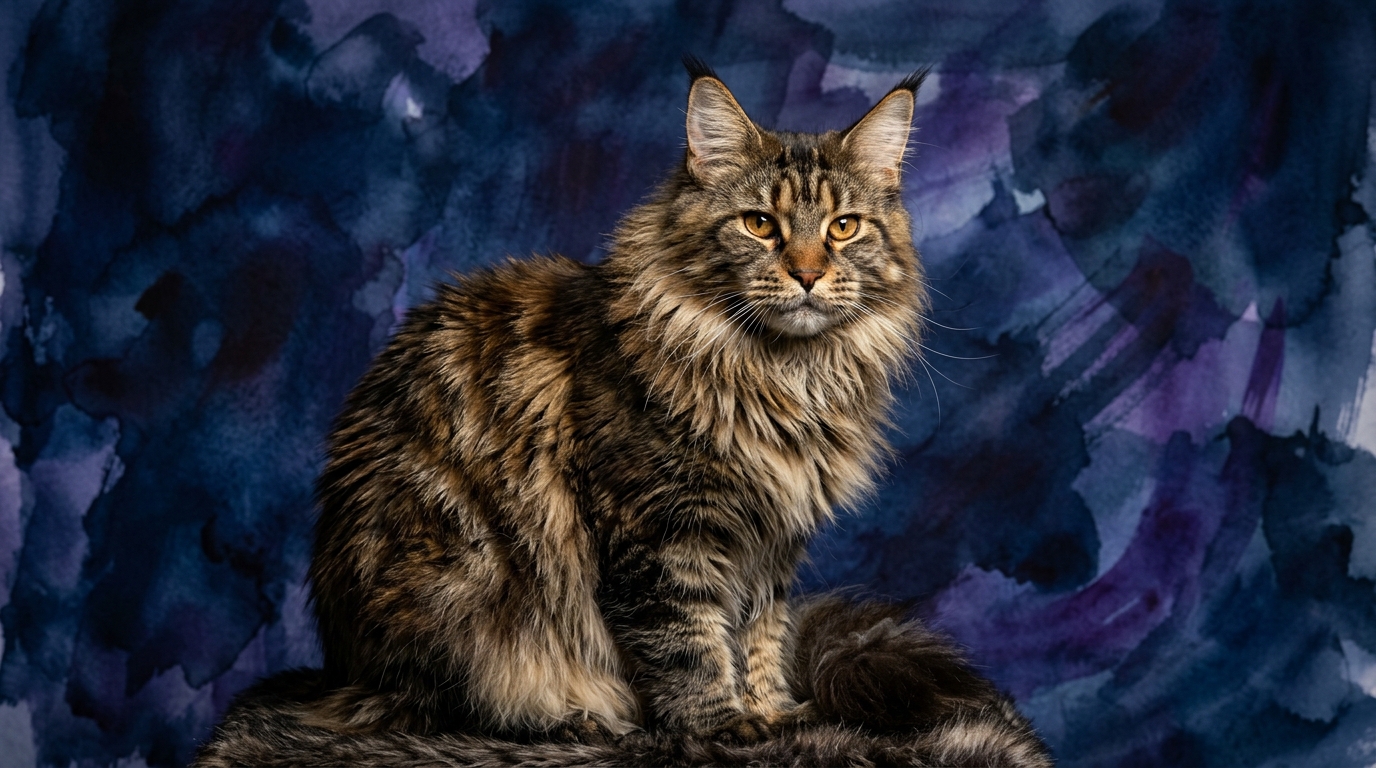
The Maine Coon, a breed celebrated for its impressive stature and flowing coat, reveals a robust cognitive makeup according to The Cosmic Pet Pet IQ Lab. They demonstrate a strong Problem Solving ability at 4/5, meaning they are adept at navigating complex environments or figuring out novel challenges. Their Training Speed also scores 4/5, indicating a quick grasp of new commands and routines. Social Intelligence is a standout at 5/5, reflecting their deep understanding of human cues and their capacity for complex interactions. An Instinctive Drive of 4/5 suggests a keen interest in hunting-like play and exploration, while their Memory, also 4/5, allows for excellent recall of people, places, and established routines.
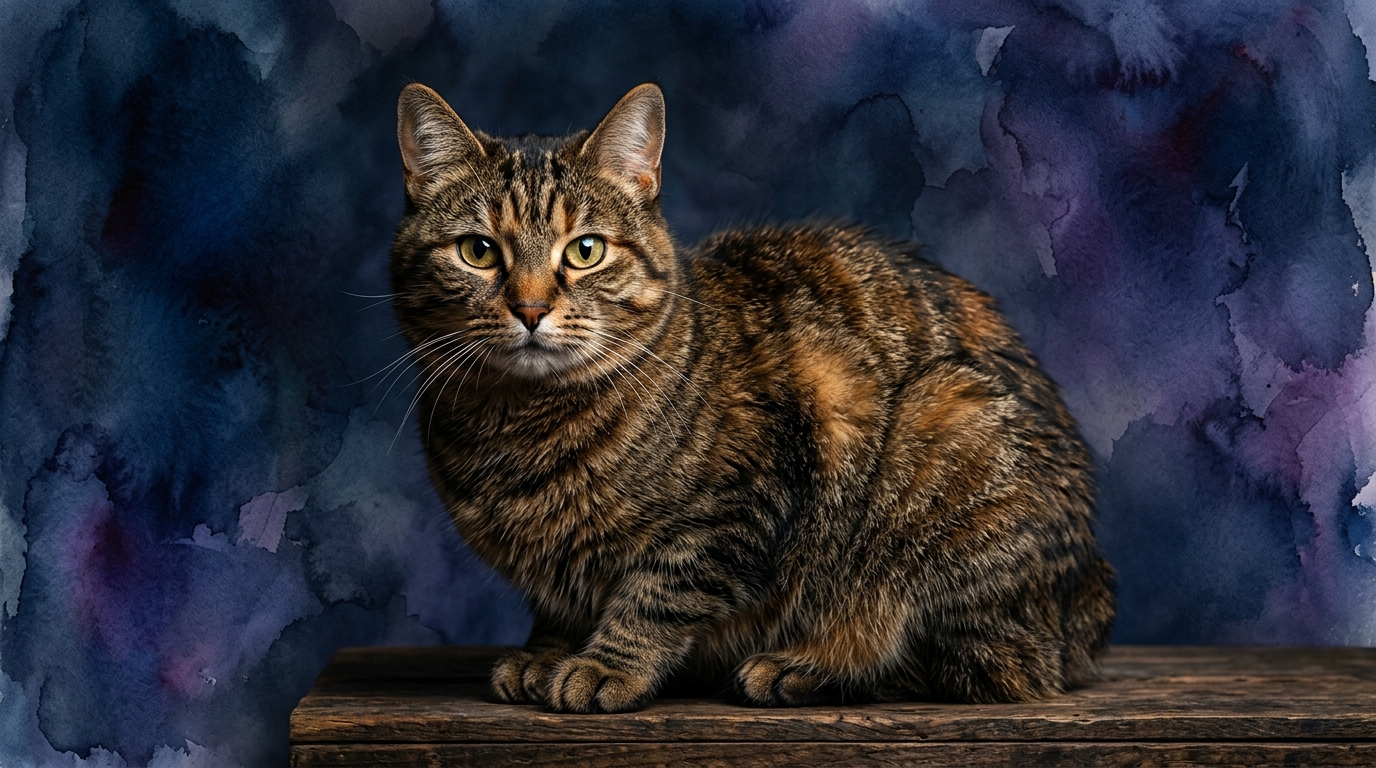
In contrast, the Manx cat, renowned for its distinctive lack of a tail and playful demeanor, presents a more moderate, yet highly functional, cognitive profile. Their Problem Solving score of 3/5 means they are capable of tackling moderate puzzles and adapting to changes within their familiar territory. Training Speed is rated 3/5, signifying that they learn effectively with consistent effort and positive reinforcement. Social Intelligence stands at 3/5, showing they are friendly and form affectionate bonds, though perhaps with less nuanced social understanding than some breeds. An Instinctive Drive of 3/5 points to a healthy prey drive and enjoyment of play, while their Memory, also 3/5, supports their ability to retain daily patterns and recognize familiar faces.
Where the Maine Coon's Mind Shines Brightest
The Maine Coon’s cognitive strengths truly come to the fore in areas of social engagement and adaptive learning. Their unparalleled Social Intelligence (5/5) means they don’t just coexist with their human families; they actively participate, often following household members from room to room, observing activities, and even 'conversing' with a range of chirps and trills. This depth of social understanding allows them to pick up on subtle emotional cues, offering comfort or seeking attention with impressive timing. Their Problem Solving (4/5) manifests in their ability to manipulate objects, such as opening doors or figuring out how to access treats from complex feeders, often through observation and trial-and-error. This cognitive flexibility, combined with their 4/5 Training Speed, allows them to grasp multi-step commands and even learn sequences of actions, making them candidates for advanced trick training or even leash walking. Their Memory (4/5) ensures these learned behaviors and social understandings are retained over time, contributing to a consistently responsive and engaged companion.
The Unique Cognitive Strengths of the Manx
While the Manx cat’s scores are generally a point lower across the board compared to the Maine Coon, this doesn't diminish their practical and effective cognitive abilities. Their Problem Solving (3/5) is particularly evident in their resourcefulness within their home environment; they are adept at finding comfortable napping spots, navigating complex furniture arrangements, or figuring out how to reach a favorite toy. This isn't about grand feats of engineering, but rather efficient and adaptive problem-solving for daily life. The Manx’s Instinctive Drive (3/5) means they are engaging hunters and players, enjoying interactive games that simulate prey, and maintaining a healthy curiosity about their surroundings. Their Social Intelligence (3/5) allows them to form genuinely affectionate bonds with their chosen people, often expressed through quiet companionship, purring, and gentle headbutts. While they may not be as overtly 'chatty' or demonstrative as a Maine Coon, their affection is deep and consistent. Their Memory (3/5) ensures they reliably remember their routines, their favorite people, and the layout of their home, providing a sense of security and predictability in their lives.
Training Potential: Maine Coon vs. Manx
When it comes to training, the Maine Coon generally offers a more accelerated learning curve. With a Training Speed of 4/5 and strong Social Intelligence (5/5), they are often eager to please and respond well to positive reinforcement. Their capacity for Problem Solving (4/5) allows them to understand the 'why' behind a command, making them excellent candidates for learning complex tricks, leash training, or even agility courses. They thrive on mental stimulation and the interactive process of learning with their human companions, and their 4/5 Memory ensures lessons stick. This combination of cognitive traits makes them highly receptive to consistent, engaging training methods.
The Manx, with a Training Speed of 3/5, is certainly trainable, but requires a more patient and consistent approach. They respond best to short, positive training sessions focused on clear, simple commands. Their Problem Solving (3/5) means they can grasp basic commands like 'sit' or 'come,' and can be litter trained or leash trained with dedicated effort. While they may not pick up multi-step commands as quickly as a Maine Coon, their affectionate nature and 3/5 Social Intelligence mean they are motivated by praise and treats from their beloved owners. Success with a Manx often lies in making training a fun, low-pressure experience, leveraging their natural curiosity and desire for connection rather than expecting rapid mastery of complex tasks.
Matching Cognitive Profiles to Lifestyles
For active owners who thrive on interaction and mental engagement, the Maine Coon is often an ideal fit. Their 4/5 Problem Solving and 5/5 Social Intelligence mean they relish puzzle toys, interactive games, and learning new tricks. They are companions who will actively seek out engagement, follow you around, and participate in household activities, thriving on a stimulating environment. Owners who enjoy 'conversing' with their pets and appreciate a feline presence that is deeply integrated into daily life will find the Maine Coon's cognitive profile rewarding. Their 4/5 Instinctive Drive means they appreciate regular, vigorous play sessions that challenge both their bodies and minds.
Conversely, owners who prefer a more relaxed, independent companion might find the Manx a better match. While they enjoy play and affection, their 3/5 Social Intelligence means they are less demanding of constant interaction, content to observe or cuddle on their own terms. Their 3/5 Problem Solving and Instinctive Drive mean they appreciate simpler games and a predictable routine, without requiring constant mental challenges. They are affectionate without being overwhelming, offering a comforting presence that respects personal space. For those seeking a loyal, self-sufficient cat that provides gentle companionship and appreciates a calm home environment, the Manx's cognitive disposition aligns well with a more laid-back lifestyle.
The Verdict: When to Choose Each Feline Companion
The Verdict
Choose a Maine Coon if you desire a highly interactive, socially nuanced feline companion eager to learn and engage in complex play and deep family integration.
Opt for a Manx if you prefer a self-sufficient, affectionate cat that enjoys routine and forms strong, albeit less demonstrative, bonds with its family while appreciating independence.
🧠 Find Your Pet's IQ Score
Our Pet IQ Lab assessment covers 25+ tests across 5 cognitive dimensions — personalized to your breed.
Take the Full IQ Test →Frequently Asked Questions
Are Maine Coons good at learning tricks?
Yes, with a Training Speed of 4/5 and Problem Solving of 4/5, Maine Coons are quite adept at learning various tricks and commands. Their strong social intelligence also makes them keen to please their human companions and engage in interactive learning.
Do Manx cats enjoy interactive games?
Manx cats do enjoy interactive games, though perhaps less intensely or for shorter durations than Maine Coons. Their Instinctive Drive of 3/5 means they appreciate chasing and pouncing, but may not be as driven by complex puzzle toys or extended, highly structured play sessions.
How do the social needs of these two breeds compare?
Maine Coons, with a Social Intelligence of 5/5, thrive on deep interaction and companionship, often following their owners around and participating in family activities. Manx cats, at 3/5, are affectionate but tend to be more independent, enjoying closeness on their own terms rather than constant, demanding engagement.