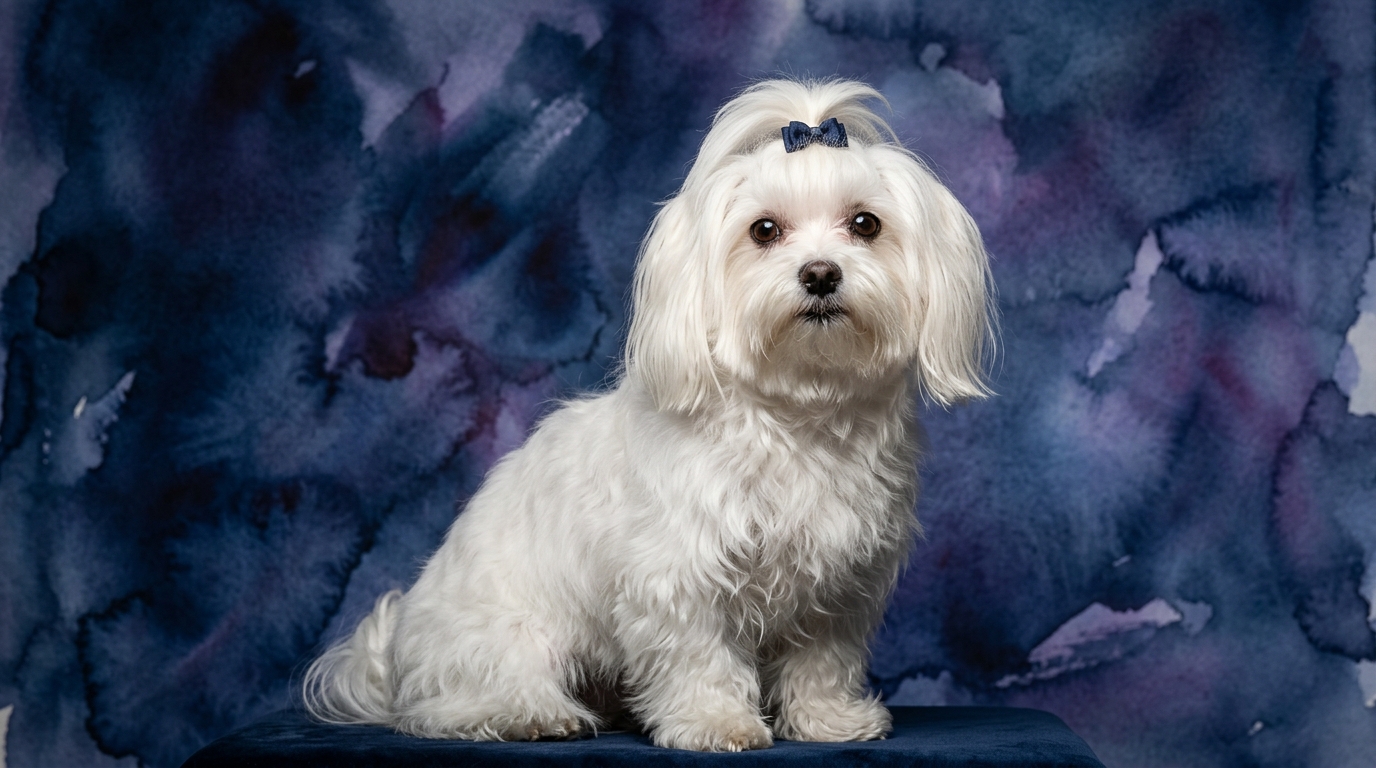
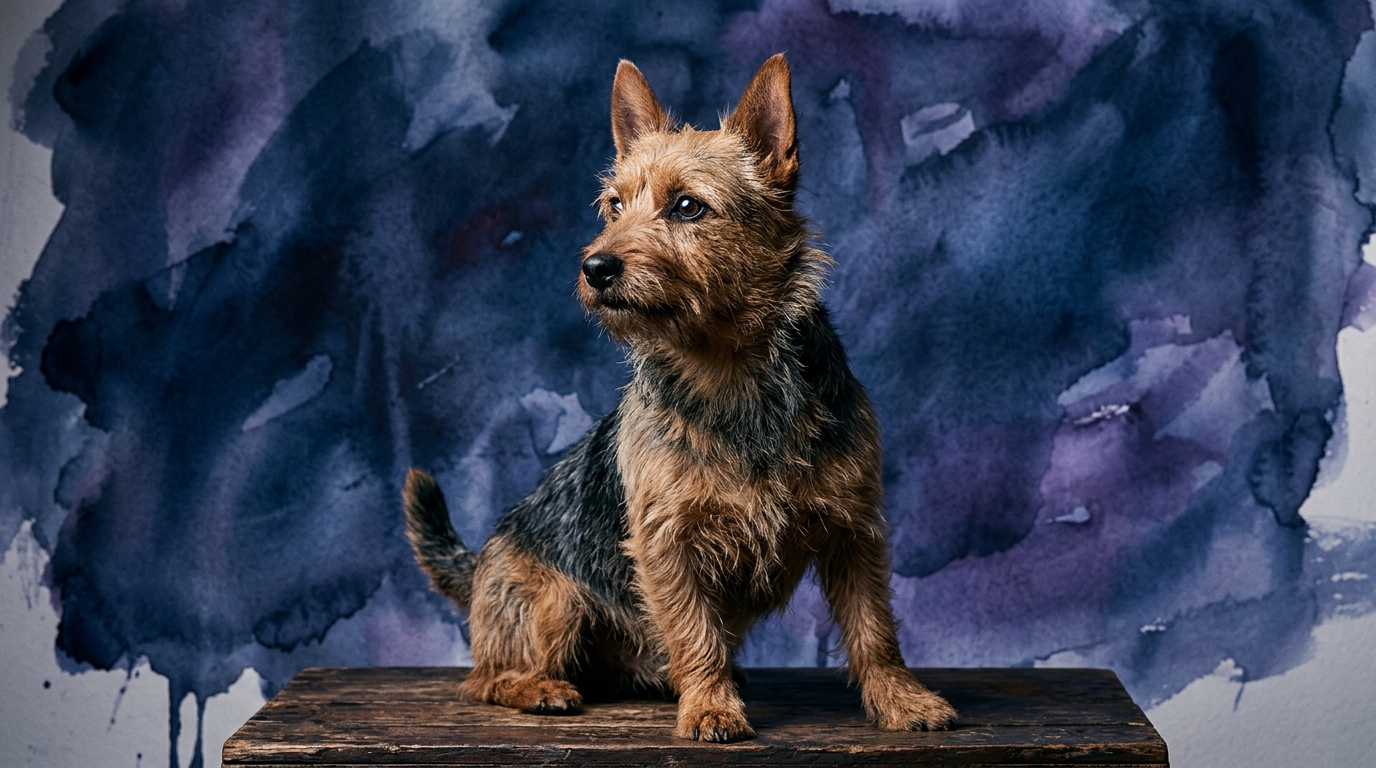
Side-by-Side Cognitive Profiles: Maltese vs. Australian Terrier
The Cosmic Pet Pet IQ Lab employs five key dimensions to evaluate canine intelligence, offering a nuanced understanding beyond simple obedience. Let's delve into how the Maltese and Australian Terrier measure up.
**Maltese Cognitive Profile:** This charming companion breed, with a Coren rank of #59, positions itself in the average working/obedience intelligence tier. This placement suggests they are capable learners, though perhaps not the quickest to grasp complex, multi-step tasks without consistent guidance. Their Problem Solving score is 3/5, indicating a moderate ability to navigate straightforward challenges or figure out simple puzzles, often leveraging their keen observation of human behavior. Training Speed for the Maltese is also 3/5; they typically require a moderate number of repetitions, usually between 25-40, to reliably learn new commands. Their motivation often stems from positive reinforcement and the desire for social connection. A standout feature is their Social Intelligence, rated at an exceptional 5/5. They possess a profound capacity to read and respond to human emotions, intentions, and subtle cues, fostering an almost intuitive bond. Instinctive Drive for the Maltese is low at 2/5, meaning their cognitive focus is rarely on traditional working dog tasks like hunting or herding. Their Memory is rated at 3/5, allowing them to retain learned routines and commands, especially those reinforced through positive social interaction.
**Australian Terrier Cognitive Profile:** This robust terrier, while not Coren-ranked, showcases intelligence that often manifests through independence and tenacity, typical of its working heritage. Their Problem Solving ability is 3/5. Australian Terriers exhibit a moderate capacity for figuring out challenges, particularly those that involve investigating their surroundings or retrieving hidden objects, demonstrating a persistent, hands-on approach. Their Training Speed is 3/5, similar to the Maltese, meaning they generally require 25-40 repetitions for new command acquisition. However, their independent streak can sometimes necessitate more creative motivational strategies to maintain focus. The Australian Terrier’s Social Intelligence is 3/5. They form strong bonds with their primary caregivers and understand social cues, but they may not display the same profound empathy or anticipatory social responsiveness as the Maltese. Their interactions are often more direct. Instinctive Drive is a moderate 3/5, reflecting their terrier roots with tendencies towards digging, chasing, and patrolling. This drive significantly influences their cognitive engagement with their environment. Their Memory is 3/5, enabling them to recall commands, established routines, and the layout of their territory, particularly details relevant to their instinctive pursuits.
Where the Maltese Wins Cognitively
The Maltese's cognitive strengths are profoundly rooted in their exceptional social intelligence (5/5), a dimension where they significantly outperform the Australian Terrier's 3/5. This elevated social cognition means a Maltese is extraordinarily adept at interpreting subtle human cues—a slight shift in tone, a glance, or a change in body language. They don't merely react to commands; they often anticipate needs and emotional states, offering comfort or initiating play based on their deep understanding of their owner’s feelings. This ability fosters an almost intuitive bond, making them remarkably responsive to positive reinforcement and praise. Their cognitive processing is heavily geared towards maintaining social harmony and closeness, allowing them to excel in roles where emotional support and companionship are paramount. For instance, a Maltese might instinctively bring a toy to a sad owner or gently nudge a hand for attention when sensing loneliness, showcasing a sophisticated emotional literacy that is a cornerstone of their mental makeup and a true cognitive advantage.
Where the Australian Terrier Wins Cognitively
While not scoring higher in any single dimension, the Australian Terrier's cognitive profile benefits from a slightly elevated instinctive drive (3/5) compared to the Maltese's 2/5, coupled with a balanced score across the board. This moderate instinctive drive, typical of their terrier lineage, translates into a curious, tenacious, and often independent approach to navigating and problem-solving within their environment. They are more likely to engage with and investigate their surroundings, driven by an innate desire to explore, dig, or chase. This isn't necessarily about speed of learning, but rather a persistent cognitive engagement with the physical world, fueled by their foundational instincts. For example, an Australian Terrier might spend considerable time figuring out how to retrieve a toy stuck under furniture, employing various strategies beyond just barking, due to their inherent drive to 'get to the bottom of things.' Their cognitive strengths lie in their robust, self-directed engagement with tasks that align with their terrier instincts, making them resilient and resourceful in real-world scenarios that demand practical application of their wits.
Which is Easier to Train and Why
When considering ease of training, the Maltese often presents a more straightforward experience for the average owner, primarily due to their superior social intelligence (5/5) and lower instinctive drive (2/5). Their deep desire to please and their exceptional ability to read human cues mean they are highly motivated by positive social interaction and praise from their owners. They are less likely to be distracted by environmental stimuli that might activate strong hunting or digging instincts. While their training speed is a moderate 3/5, their willingness to engage and their focus on their human companion make the training process feel more collaborative and less like a battle of wills. For example, a Maltese will typically maintain eye contact and readily respond to verbal encouragement, seeing the training session as a bonding opportunity, and their lower instinctive drive means they are less prone to chasing after a squirrel mid-command.
In contrast, the Australian Terrier, also with a training speed of 3/5, can be more challenging due to their moderate instinctive drive (3/5) and slightly lower social intelligence (3/5). Their independent terrier spirit means they might question the necessity of a command or become more easily sidetracked by an interesting scent or a perceived 'prey' item. While capable learners, their motivation often needs to be more tangible—a high-value treat or a stimulating game—rather than solely relying on social praise. Their inherent drive to explore and investigate means an owner needs to be more creative and persistent in capturing and maintaining their focus during training sessions. An Australian Terrier might understand a command but choose to ignore it if something more captivating catches their attention, requiring an owner to be firm, consistent, and highly engaging to overcome their natural independence and harness their curious energy towards structured learning.
Suitability for Active vs. Relaxed Owners
The choice between a Maltese and an Australian Terrier often hinges significantly on an owner's lifestyle regarding activity levels and how they prefer to engage with their companion. The Maltese, with its low instinctive drive (2/5) and primary focus on social companionship, is generally better suited for more relaxed owners. While they enjoy short walks and playtime, their need for intense physical exertion is modest. Their cognitive engagement is largely fulfilled through close interaction, cuddle sessions, and gentle indoor games. A relaxed owner who enjoys quiet evenings, is content with leisurely strolls, and doesn't require a dog for strenuous outdoor adventures will find the Maltese an ideal match, as their mental and physical needs align with a calmer, more sedentary home environment. They thrive on consistent, affectionate attention rather than demanding rigorous activity, making them excellent companions for those seeking a tranquil presence.
Conversely, the Australian Terrier, with its moderate instinctive drive (3/5) and innate curiosity, is a better fit for active owners. This breed possesses a robust energy level and a keen interest in exploring and engaging with its surroundings. They benefit from regular, stimulating exercise, such as brisk walks, hiking, or even participation in dog sports like agility or earthdog trials that tap into their natural terrier instincts. Their cognitive faculties are best engaged when given tasks to do, places to investigate, and energy to burn, making them less suitable for purely sedentary lifestyles. An active owner who enjoys outdoor activities, can provide consistent opportunities for both physical and mental stimulation, and appreciates a dog with a spirited, investigative nature will find the Australian Terrier a rewarding companion. Their resilience and eagerness to explore make them great partners for adventures, requiring an owner who can match their zest for life.
The Verdict
When making a choice, consider the Maltese for a family seeking a deeply empathetic, highly socially intelligent companion who thrives on close human connection and offers intuitive emotional support.
Opt for the Australian Terrier if you're an active individual or family seeking a tenacious, curious, and resilient companion who enjoys exploring, engaging in moderate physical activity, and applying their practical intelligence to real-world investigations.
🧠 Find Your Pet's IQ Score
Our Pet IQ Lab assessment covers 25+ tests across 5 cognitive dimensions — personalized to your breed.
Take the Full IQ Test →Frequently Asked Questions
Are Maltese difficult to house train?
Maltese are not inherently difficult to house train, but their small bladder size means more frequent potty breaks are necessary. Consistency, positive reinforcement, and a regular schedule are key to successful house training, just like with any breed, ensuring they learn quickly.
Do Australian Terriers bark a lot?
Australian Terriers can be vocal, especially when alerting their owners to perceived intruders or interesting sounds, a trait stemming from their terrier instincts. While they make excellent watchdogs, early and consistent training can help manage and reduce excessive barking, teaching them appropriate times to vocalize.
Which breed is better with children?
The Maltese, with its high social intelligence and gentle nature, can be excellent with respectful children, often forming strong, affectionate bonds. Australian Terriers can also be good family dogs, but their terrier tenacity means they might be less tolerant of very rough play and often thrive better with slightly older, more considerate children who understand how to interact appropriately.