
The Cosmic Pet Pet IQ Lab: Side-by-Side Cognitive Profiles
At The Cosmic Pet Pet IQ Lab, we delve beyond superficial observations to uncover the nuanced cognitive landscapes of our beloved canine companions. The Maltese, a breed often celebrated for its elegant appearance, and the Basset Hound, recognized for its distinctive features and tracking prowess, present fascinating contrasts when their intelligence dimensions are examined.
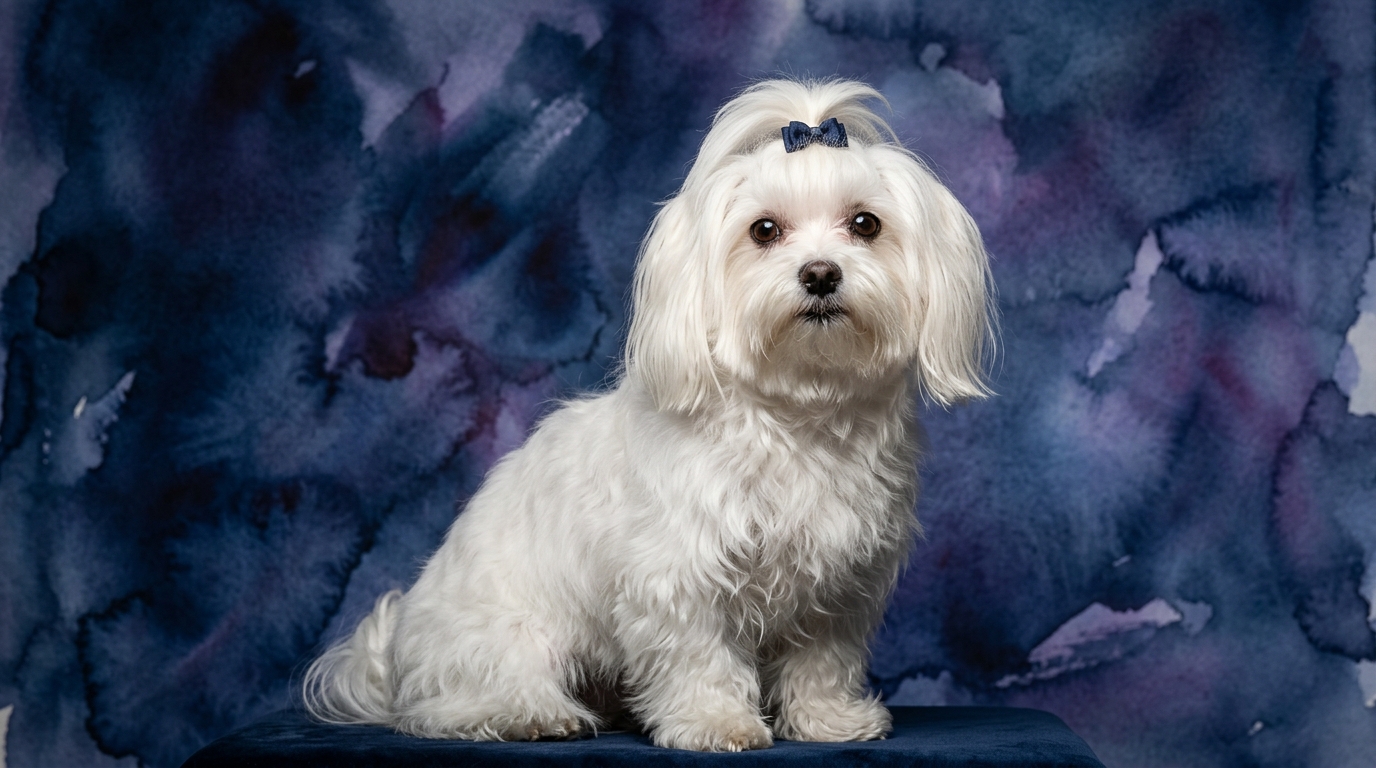
The Maltese, ranking #59 on the Coren intelligence scale, exhibits a cognitive profile tailored for close human companionship. Their Problem Solving is rated at 3/5, indicating an ability to navigate everyday challenges and often find clever ways to achieve their social goals. Training Speed also sits at a moderate 3/5, suggesting they can learn commands with consistency and appropriate motivation. Where the Maltese truly shines is in Social Intelligence, scoring an impressive 5/5; they are exceptionally attuned to human emotions and social dynamics. Their Instinctive Drive is low at 2/5, meaning they possess minimal independent hunting or working instincts, while their Memory is a solid 3/5 for retaining routines and learned behaviors.
In contrast, the Basset Hound, with a Coren rank of #71, displays a cognitive makeup optimized for its historical role as a scent tracker. Their Problem Solving is rated 3/5, often manifesting in their ability to meticulously follow complex scent trails. Training Speed, like the Maltese, is 3/5, but often requires a different motivational approach due to their independent nature. Their Social Intelligence is a moderate 3/5; while amiable, they are less intensely focused on human social cues than the Maltese. The Basset Hound's Instinctive Drive is a notable 3/5, primarily centered around their powerful sense of smell and desire to track. Their Memory, like the Maltese, is 3/5, particularly strong for scent-related information and familiar routes.
Where the Maltese’s Cognition Shines Brightest
The Maltese's undeniable cognitive advantage lies in its exceptional Social Intelligence. Scoring a perfect 5/5 in this dimension, these dogs are masters of reading human emotions, anticipating needs, and forming incredibly deep, responsive bonds with their caregivers. They possess an innate ability to interpret subtle cues, understand tone of voice, and even offer comfort or solicit attention with remarkable precision. This heightened social awareness translates into a companion animal that feels profoundly connected to its human family, often acting as a sensitive emotional barometer within the home.
Furthermore, their problem-solving, while rated 3/5, is often deployed within a social context. A Maltese might not excel at complex puzzle toys designed for foraging, but they are adept at figuring out how to get onto a lap, how to elicit a favorite game, or how to subtly demand attention. Their low instinctive drive (2/5) means their focus is rarely diverted by external stimuli like prey, allowing their social intellect to remain consistently engaged with their primary companions. This focused social engagement makes them incredibly responsive to human interaction and emotionally sophisticated pets.
Where the Basset Hound’s Intellect Takes the Lead
The Basset Hound's cognitive strengths are deeply rooted in its ancient purpose: scent tracking. Their instinctive drive (3/5) is powerfully oriented towards olfactory exploration, making them unparalleled in their ability to process and follow complex scent trails. This isn't just about 'a good nose'; it's a sophisticated form of problem-solving (3/5) where they meticulously analyze environmental cues, differentiate scents, and persist in pursuit of a target, often over challenging terrain. While a Maltese might be busy charming its owner, a Basset Hound is methodically dissecting the world through its nose, a truly remarkable cognitive feat.
Their memory (3/5), while generally rated the same as the Maltese, often manifests differently. A Basset Hound will remember scent trails, the location of interesting smells, and the routes taken during past explorations with impressive accuracy. This specialized memory, combined with their strong drive, allows them to navigate and understand their environment in a way fundamentally different from a companion breed. Their independence, a byproduct of their scenting work, also gives them a unique cognitive resilience, less swayed by immediate social feedback when engrossed in a task.
Training Dynamics: Which Breed is More Amenable?
Both the Maltese and Basset Hound share a Training Speed rating of 3/5, yet the practical experience of training each breed can differ significantly due to their other cognitive dimensions. The Maltese, with its exceptional social intelligence, is often eager to please and highly motivated by human attention and praise. This strong desire for connection means they respond well to positive reinforcement and consistent, gentle methods. Their low instinctive drive means fewer distractions from ingrained hunting behaviors, making them generally more focused on the handler during training sessions. However, their sensitivity means harsh corrections are counterproductive, and they can develop stubbornness if not properly motivated or if they perceive inconsistency.
The Basset Hound, while also capable of learning, presents a different training challenge due to its strong instinctive drive for scent. Once their nose is engaged, their singular focus on a trail can make them appear 'stubborn' or 'disinterested' in commands. Training a Basset Hound requires immense patience, consistency, and often high-value food rewards to compete with the allure of an interesting smell. Their relatively lower social intelligence compared to the Maltese means they aren't always as intrinsically motivated by pure handler praise; they often need a more tangible reason to comply. While they are amiable, their independence means training must be made worth their while, often through games that incorporate their love of scent work, rather than expecting immediate, unwavering obedience.
Lifestyle Match: Active vs. Relaxed Owners
When considering which breed best suits an owner's lifestyle, their cognitive profiles offer clear guidance. The Maltese, despite their lively spirit, are generally well-suited for more relaxed owners or those living in smaller spaces. Their exercise needs are moderate, consisting of short walks and indoor play, and they thrive on constant companionship. Their high social intelligence means they genuinely enjoy being a constant presence by their owner's side, participating in quiet activities, and offering emotional support. They are ideal for individuals or families who desire an intensely interactive and affectionate indoor companion who doesn't demand extensive outdoor adventures.
The Basset Hound, while appearing laid-back, requires owners who appreciate a different kind of activity. They are not built for high-impact sports, but they absolutely need regular, leisurely walks where they can indulge their powerful scenting instinct. For a Basset, a walk is a 'sniffari' – a cognitive exploration of the world through their nose. Owners must be patient with their tendency to follow a compelling scent trail, which can mean a slower pace. They are excellent for owners who enjoy exploring local parks, nature trails, or even just their neighborhood at a relaxed pace, allowing their Basset to fully engage its primary cognitive strength. Indoors, they are calm and amiable, fitting well with a relaxed home environment, provided their outdoor sniffing needs are met.
The Verdict
Choose a Maltese if you seek an intensely social, responsive companion who thrives on close human interaction and indoor living, offering profound emotional connection and a lively presence.
Opt for a Basset Hound if you appreciate an independent, good-natured dog with a keen sense of smell, willing to engage in leisurely, scent-driven outdoor explorations and enjoy a calm, amiable presence indoors.
🧠 Find Your Pet's IQ Score
Our Pet IQ Lab assessment covers 25+ tests across 5 cognitive dimensions — personalized to your breed.
Take the Full IQ Test →Frequently Asked Questions
Are Maltese dogs good with children?
Maltese dogs can be excellent with older, respectful children who understand how to interact gently with a small dog. Their high social intelligence means they bond well with family members, but their delicate size makes supervision essential with very young children to prevent accidental injury.
Do Basset Hounds require a lot of grooming?
Basset Hounds have a short, smooth coat that is relatively easy to care for, requiring weekly brushing to minimize shedding. However, their long, pendulous ears need regular cleaning to prevent infections, and their facial wrinkles should also be kept clean and dry to avoid skin issues.
Are Maltese dogs prone to barking?
Maltese dogs can be prone to barking, especially if left alone for extended periods or if they are not properly socialized. Their high social intelligence means they thrive on companionship, and excessive barking often signals boredom, anxiety, or a desire for attention. Consistent training and addressing their social needs can help manage this behavior.