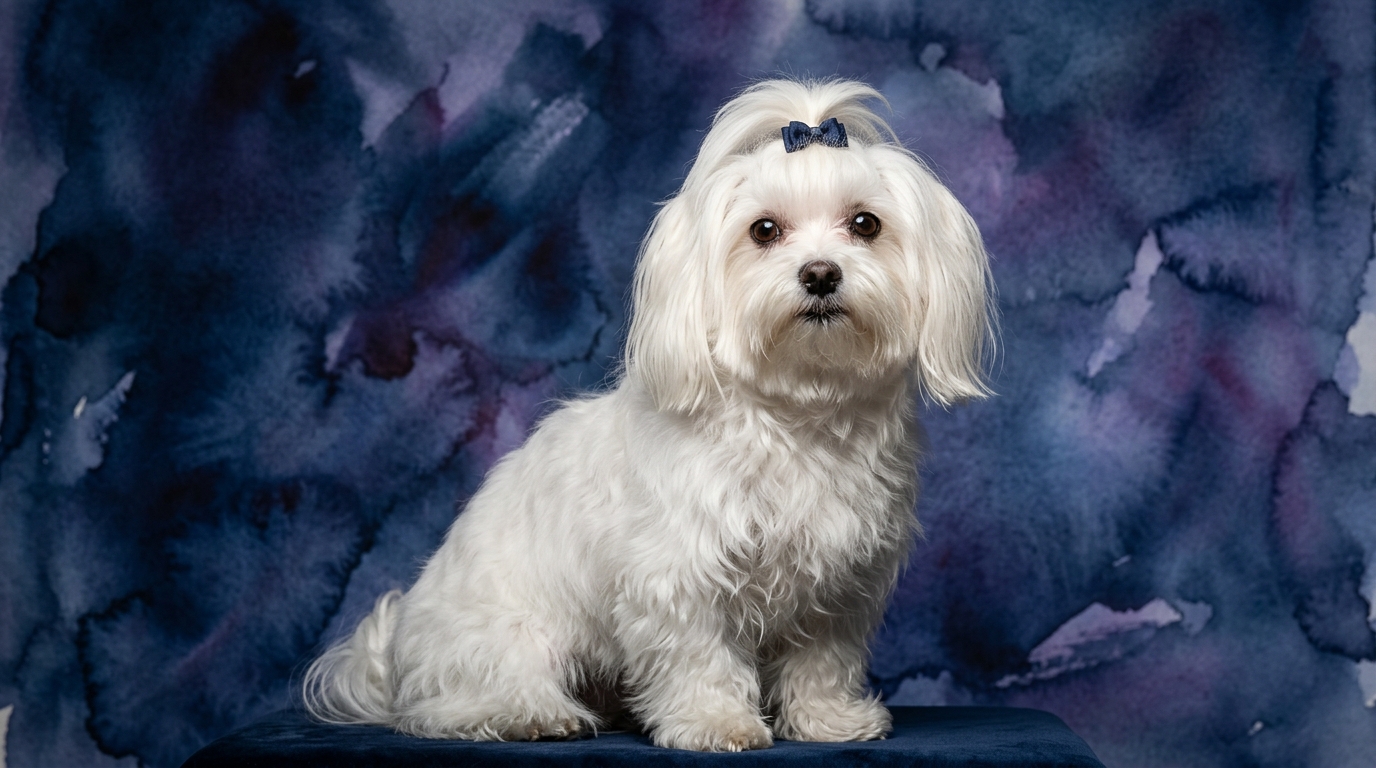
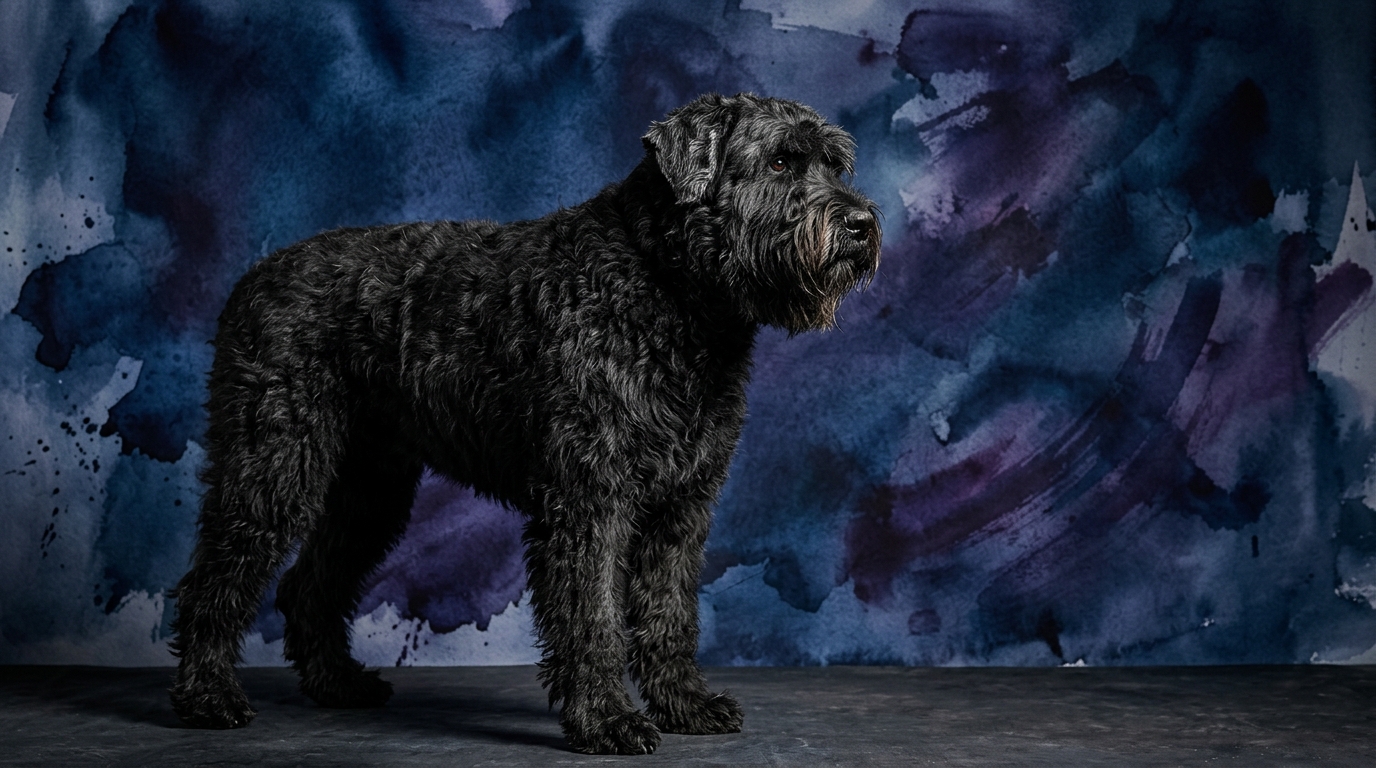
Side-by-Side IQ Profile: Maltese vs. Bouvier des Flandres
The Cosmic Pet Pet IQ Lab evaluates canine cognition across five key dimensions, offering a nuanced understanding of each breed's mental landscape. For the Maltese, a Toy group member Coren-ranked #59, its cognitive strengths are distinctly geared towards social engagement. Its Problem Solving score of 3/5 indicates an aptitude for navigating its immediate environment, often to secure comfort or attention, rather than complex, multi-step tasks. Training Speed also sits at 3/5; while capable of learning routines and commands, a Maltese's motivation is frequently tied to social reward, meaning consistency is key. Where the Maltese truly shines is in Social Intelligence, earning a perfect 5/5. This reflects an exceptional capacity to read human cues, adapt to family dynamics, and form deep, communicative bonds. Its Instinctive Drive is low at 2/5, indicating minimal innate drives for hunting, herding, or guarding, allowing its social focus to dominate. Memory, at 3/5, supports its ability to recall routines, preferred people, and past interactions.
In contrast, the Bouvier des Flandres, a Herding group dog not Coren-ranked, presents a profile rooted in purpose and independence. Its Problem Solving score of 3/5 suggests an ability to assess situations and make decisions, particularly in a working context where it might need to manage livestock or protect property. Training Speed, also 3/5, points to a breed that learns effectively but requires clear, consistent, and often task-oriented instruction; they are not always quick to generalize or perform without purpose. Social Intelligence for the Bouvier is 3/5, reflecting loyalty and strong bonds within its immediate family, but often a reserved or watchful demeanor towards strangers, prioritizing observation over immediate engagement. Its Instinctive Drive is a solid 3/5, encompassing strong herding and protective tendencies that are integral to its cognitive makeup. Memory, like the Maltese, is 3/5, enabling the Bouvier to retain commands, learned behaviors, and significant experiences, which can contribute to its protective instincts and working reliability.
Where the Maltese Wins Cognitively
The Maltese’s unparalleled strength lies in its social intelligence, rated at a maximum 5/5. This isn't merely about being friendly; it signifies a profound ability to interpret human emotions, body language, and vocal tones with exceptional accuracy. A Maltese can quickly discern its owner's mood, often adjusting its behavior to offer comfort or solicit attention. This cognitive dimension allows them to seamlessly integrate into family life, becoming deeply attuned companions who thrive on interactive communication. Their low instinctive drive (2/5) further supports this advantage, meaning their cognitive resources are primarily directed towards social bonding rather than external stimuli like prey or territory. This makes them remarkably responsive to subtle social cues, fostering a highly communicative and emotionally reciprocal relationship with their human family.
Where the Bouvier des Flandres Wins Cognitively
The Bouvier des Flandres demonstrates distinct cognitive advantages rooted in its working heritage, particularly in its instinctive drive (3/5) and associated problem-solving applications. While its problem-solving score is 3/5, this manifests differently than in a Maltese; the Bouvier applies its cognitive abilities to tasks requiring independent judgment, such as managing a flock or assessing a potential threat. Their inherent herding and protective instincts mean they are capable of making decisions in dynamic situations, often without direct command, based on learned principles and their innate drives. This breed excels in scenarios demanding resilience, vigilance, and a self-assured approach to challenges. Their social intelligence, while 3/5, is geared towards loyalty and protection within their trusted 'pack,' making them discerning guardians who use their cognitive skills to observe and react to their environment with purpose.
Which is Easier to Train and Why
Assessing which breed is 'easier' to train requires understanding their motivations and cognitive styles. Both the Maltese and the Bouvier des Flandres share a 3/5 rating for Training Speed, yet their training journeys diverge significantly due to their distinct social intelligence and instinctive drives. The Maltese, with its 5/5 social intelligence, often appears eager to please and highly motivated by human attention and affection. This social drive can make initial command learning seem quick, as they readily seek to engage with their owner. However, their lower instinctive drive means they might lack the inherent 'purpose' for certain tasks, and consistency is crucial to overcome potential distractions from their desire for comfort or social interaction. House training, for instance, can sometimes be protracted due to their small bladders and a potential for marking, requiring diligent management.
The Bouvier des Flandres, by contrast, presents a different training challenge. Their 3/5 social intelligence means they are loyal but often more reserved; they aren't always driven by effusive praise alone. Instead, they thrive on clear, consistent, and purposeful instruction. Their 3/5 instinctive drive, encompassing strong herding and protective tendencies, means training must channel these natural inclinations into acceptable behaviors rather than suppressing them. A Bouvier can be stubborn due to its independent thinking and protective nature, requiring a handler who can establish firm, fair leadership. While they may not learn a trick as quickly for a simple treat, once a Bouvier understands a command's purpose and its place within the hierarchy, their reliability in task execution can be profound. Therefore, the Maltese might be perceived as 'easier' for basic obedience due to its social compliance, but the Bouvier, with the right dedicated approach, can achieve a higher level of functional reliability for complex tasks.
Which Suits Active Owners vs. Relaxed Owners
The cognitive profiles of the Maltese and Bouvier des Flandres align them with very different owner lifestyles. The Maltese, with its high social intelligence and low instinctive drive, is an ideal companion for more relaxed owners. They flourish in environments where they receive consistent human interaction, cuddle time, and gentle play. Their cognitive needs are largely met through companionship, social games, and being an integral part of daily family life. While they enjoy short walks and mental stimulation from puzzle toys, their primary cognitive fulfillment comes from their bond with people. Owners who appreciate a dog that is deeply attuned to their emotions and content to be a constant, affectionate presence will find the Maltese a perfect fit.
Conversely, the Bouvier des Flandres is best suited for active and experienced owners who can provide substantial mental and physical engagement. Their 3/5 instinctive drive and problem-solving capacity demand a lifestyle that offers purpose and structure. These dogs thrive on activities like advanced obedience, agility, herding trials, or protection work, where their cognitive abilities for independent thought and task execution are challenged. A Bouvier needs a 'job' to feel fulfilled; without it, their protective instincts and independent nature can lead to behavioral issues. Owners who enjoy consistent training, outdoor adventures, and have the confidence to manage a large, powerful dog with a strong will and discerning social tendencies will find the Bouvier a rewarding partner.
The Verdict
If your priority is an emotionally resonant companion that excels in social interaction, thrives on affection, and offers profound sensitivity to family dynamics, the Maltese is an excellent choice.
If you are an active, experienced owner seeking a purposeful, protective partner capable of independent thought and dedicated work, and you can commit to consistent training and mental challenges, the Bouvier des Flandres will be a fulfilling match.
🧠 Find Your Pet's IQ Score
Our Pet IQ Lab assessment covers 25+ tests across 5 cognitive dimensions — personalized to your breed.
Take the Full IQ Test →Frequently Asked Questions
Do Maltese dogs need a lot of mental stimulation?
Maltese dogs primarily benefit from social interaction and companionship for mental stimulation. While they enjoy gentle play and learning new tricks, their deepest cognitive fulfillment comes from being an integrated part of their family's daily life and receiving consistent affection.
Are Bouvier des Flandres dogs good for first-time dog owners?
Bouvier des Flandres dogs are generally not recommended for first-time dog owners due to their strong working instincts, independent nature, and protective tendencies. They require experienced handlers who can provide consistent, firm leadership and extensive socialization to channel their cognitive strengths appropriately.
How do their problem-solving abilities differ in daily life?
A Maltese might use its problem-solving (3/5) to figure out how to get onto a favorite lap or retrieve a dropped toy for attention, demonstrating resourcefulness in social contexts. A Bouvier des Flandres, also 3/5, would apply its problem-solving to tasks like navigating a challenging agility course, assessing a new person entering the home, or managing a herd, showcasing practical, independent judgment.