Side-by-Side Cognitive Profiles: Maltese vs. Boykin Spaniel
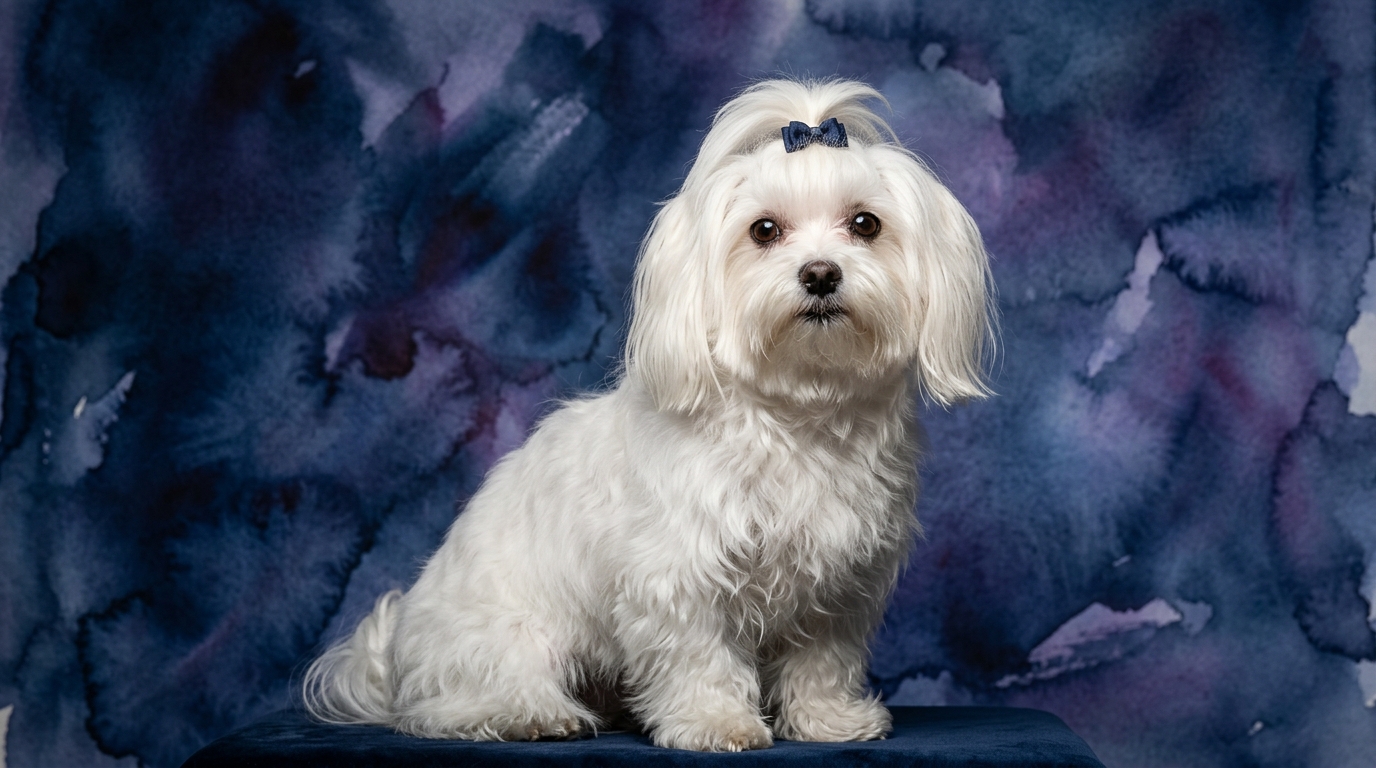
At The Cosmic Pet Pet IQ Lab, we evaluate canine intelligence across five key dimensions, providing a nuanced understanding of each breed's mental architecture. For the Maltese, a Toy breed with a Coren rank of #59, its profile paints a picture of a socially adept companion. They score 3 out of 5 for Problem Solving, indicating a moderate capacity to navigate moderately complex tasks, often relying on learned sequences or familiar patterns rather than abstract reasoning. Their Training Speed also stands at 3 out of 5, suggesting they acquire new commands at an average pace, responsive to consistent, positive reinforcement. Where the Maltese truly excels is in Social Intelligence, earning a perfect 5 out of 5, demonstrating an exceptional ability to perceive and interpret human emotions and social cues. In contrast, their Instinctive Drive is lower at 2 out of 5, meaning they possess minimal innate urges for traditional working tasks. Finally, their Memory is solid at 3 out of 5, allowing them to recall past experiences and routines effectively.
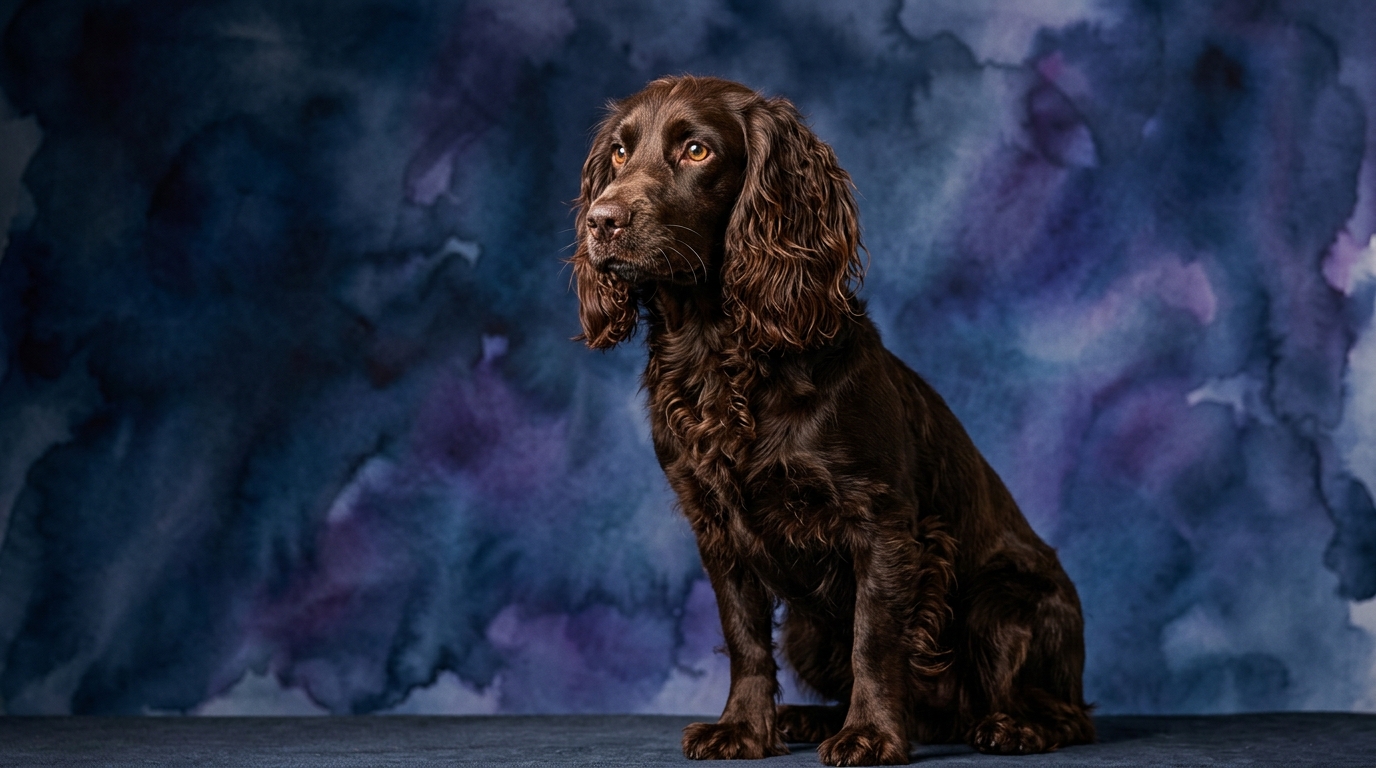
The Boykin Spaniel, a Sporting breed not typically featured in Coren's rankings, presents a distinct cognitive blueprint. Their Problem Solving ability matches the Maltese at 3 out of 5, indicating they can navigate practical challenges in their environment, often through trial and error combined with learned experience, particularly in task-oriented scenarios. Their Training Speed also aligns at 3 out of 5, responding well to clear instructions and positive reinforcement, especially when tasks are engaging and align with their natural drives. The Boykin's Social Intelligence is moderate at 3 out of 5; while capable of understanding basic human commands and interacting appropriately within a family, their focus may sometimes be drawn more strongly to environmental stimuli or task-oriented interactions than subtle emotional nuances. A defining characteristic is their Instinctive Drive, scoring 3 out of 5, showcasing a natural inclination for scent work, retrieving, and focused activity inherent to their sporting heritage. Their Memory, like the Maltese, is rated at 3 out of 5, providing a reliable capacity for recalling learned tasks and routines, particularly those associated with their working roles.
Where the Maltese Wins Cognitively: The Social Maestro
The Maltese's undeniable cognitive victory lies in its exceptional Social Intelligence, scoring a remarkable 5 out of 5. This isn't merely about being affectionate; it represents a profound cognitive ability to read and respond to human emotions, intentions, and subtle social cues with unparalleled accuracy. A Maltese can often anticipate a change in mood, offer comfort, or solicit interaction based on nuanced observations of their human companions, demonstrating a sophisticated understanding of the social dynamics within their household. Their mental energy is heavily invested in understanding and navigating the human-canine bond, making them incredibly intuitive and responsive companions. This cognitive strength allows them to integrate seamlessly into family life, often becoming the emotional barometer of the home. Their problem-solving skills, while moderate, are frequently applied to social contexts, such as figuring out how to gain attention or elicit a specific response from their human, showcasing a unique application of their mental faculties.
Where the Boykin Spaniel Wins Cognitively: The Driven Task-Oriented Mind
The Boykin Spaniel's cognitive edge is most evident in its Instinctive Drive, earning a 3 out of 5 compared to the Maltese's 2. This score highlights a robust inherent inclination for purposeful engagement, deeply rooted in their sporting background. While their problem-solving score is similar to the Maltese, the Boykin applies its cognitive abilities with a distinct bias towards practical, environmental challenges. Their mental processes are geared towards processing external stimuli with a goal in mind, whether it's tracking a scent, efficiently retrieving an object, or executing a complex sequence of field commands. This innate drive translates into a mental tenacity and focus for sustained activity that fulfills their working heritage. It's a cognitive architecture designed for action and purpose, making them naturally adept at tasks requiring sustained attention and a clear objective. This drive fuels their ability to learn and perform specialized tasks, making them highly effective in roles that leverage their natural aptitudes.
Trainability: Nuances Beyond Speed
While both the Maltese and Boykin Spaniel share a Training Speed score of 3 out of 5, indicating a moderate learning curve for new commands, the *nature* of their trainability differs significantly due to their distinct cognitive profiles. The Maltese, with its exceptional social intelligence and strong desire for human connection, often appears highly compliant in companion-focused training. They are profoundly motivated by positive reinforcement in the form of praise, affection, and social interaction, quickly grasping commands that strengthen their bond with their owner. Their eagerness to please and sensitivity to human cues can make them responsive to obedience and trick training, often learning quickly when the reward is social approval. However, their lower instinctive drive means they might lack the intrinsic motivation for repetitive, purely functional tasks that don't directly involve social engagement or personal comfort.
The Boykin Spaniel, conversely, leverages its strong instinctive drive in training. They excel when tasks align with their natural inclinations for scent work, retrieving, or focused activity. Their training success often hinges on channeling this drive into purposeful activities, making them highly responsive to field commands, agility courses, or complex retrieving drills where their cognitive engagement is tied to a clear objective. While they may not possess the same level of social sensitivity as the Maltese, their willingness to work and focused attention on a task can make them appear equally trainable, albeit in different domains. For instance, a Maltese might quickly learn to 'stay' because it means remaining close to their beloved human, while a Boykin might learn 'fetch' with profound zeal because it satisfies a deep-seated retrieving instinct. A Maltese might struggle to ignore a new person at the door, as their social intelligence pulls them to engage, whereas a Boykin might struggle to ignore a squirrel in the yard, where their instinctive drive takes over.
Lifestyle Match: Active Engagement vs. Relaxed Companionship
For owners seeking a relaxed, companion-focused lifestyle, the Maltese presents a more harmonious cognitive match. Their high social intelligence and lower instinctive drive mean their primary cognitive engagement revolves around human interaction, gentle play, and quiet companionship. They thrive in environments where their mental stimulation comes from social bonding, observing household activities, and consistent, affectionate interaction rather than strenuous physical or complex mental tasks. Their cognitive needs are largely met through a predictable, calm routine and deep emotional connection, making them ideal for individuals or families who value a constant, emotionally attuned presence and can offer ample social interaction.
Conversely, the Boykin Spaniel's cognitive makeup aligns perfectly with active owners who enjoy engaging their dogs in purposeful, outdoor activities. Their significant instinctive drive and moderate problem-solving skills mean they require regular mental and physical challenges to feel fulfilled. They excel in homes where they can participate in activities like hunting, dock diving, agility, or extensive hikes, using their cognitive abilities to track, retrieve, and navigate complex environments. Owners who can consistently provide outlets for their natural drives and offer opportunities for task-oriented engagement will find the Boykin Spaniel a highly engaged, satisfied, and mentally stimulated partner, thriving on shared adventures and purposeful work.
The Verdict
Select the Maltese if your lifestyle prioritizes an emotionally attuned companion who thrives on deep social connection and gentle interaction, offering cognitive engagement primarily through companionship and affection.
Opt for the Boykin Spaniel if you're an active individual seeking a task-oriented partner eager to engage in outdoor adventures and mentally stimulating activities that tap into their natural sporting drives and purpose-driven focus.
🧠 Find Your Pet's IQ Score
Our Pet IQ Lab assessment covers 25+ tests across 5 cognitive dimensions — personalized to your breed.
Take the Full IQ Test →Frequently Asked Questions
Is the Maltese a good dog for first-time owners?
Yes, their high social intelligence and desire to please often make them adaptable and responsive to basic training, though their strong attachment means they thrive on consistent interaction and can be prone to separation anxiety if not managed.
Do Boykin Spaniels need a lot of exercise?
Absolutely, their strong instinctive drive and sporting background mean they require significant daily physical activity and mental stimulation to prevent boredom and channel their energy constructively, making them ideal for active families.
How do Maltese and Boykin Spaniels differ in their approach to new people?
A Maltese typically approaches new people with curiosity and a desire for social interaction due to their high social intelligence, often seeking attention; a Boykin Spaniel might initially be more reserved or focused on environmental stimuli, but will generally warm up readily, especially if an activity is involved.