Side-by-Side Cognitive Profiles
To truly understand the mental landscapes of the Maltese and Bullmastiff, we must dissect their cognitive dimensions. While both breeds achieve a Coren ranking, #59 for the Maltese and #69 for the Bullmastiff, these aggregate scores hint at underlying variations in specific aptitudes. Let’s examine their individual IQ dimensions as measured by The Cosmic Pet Pet IQ Lab.
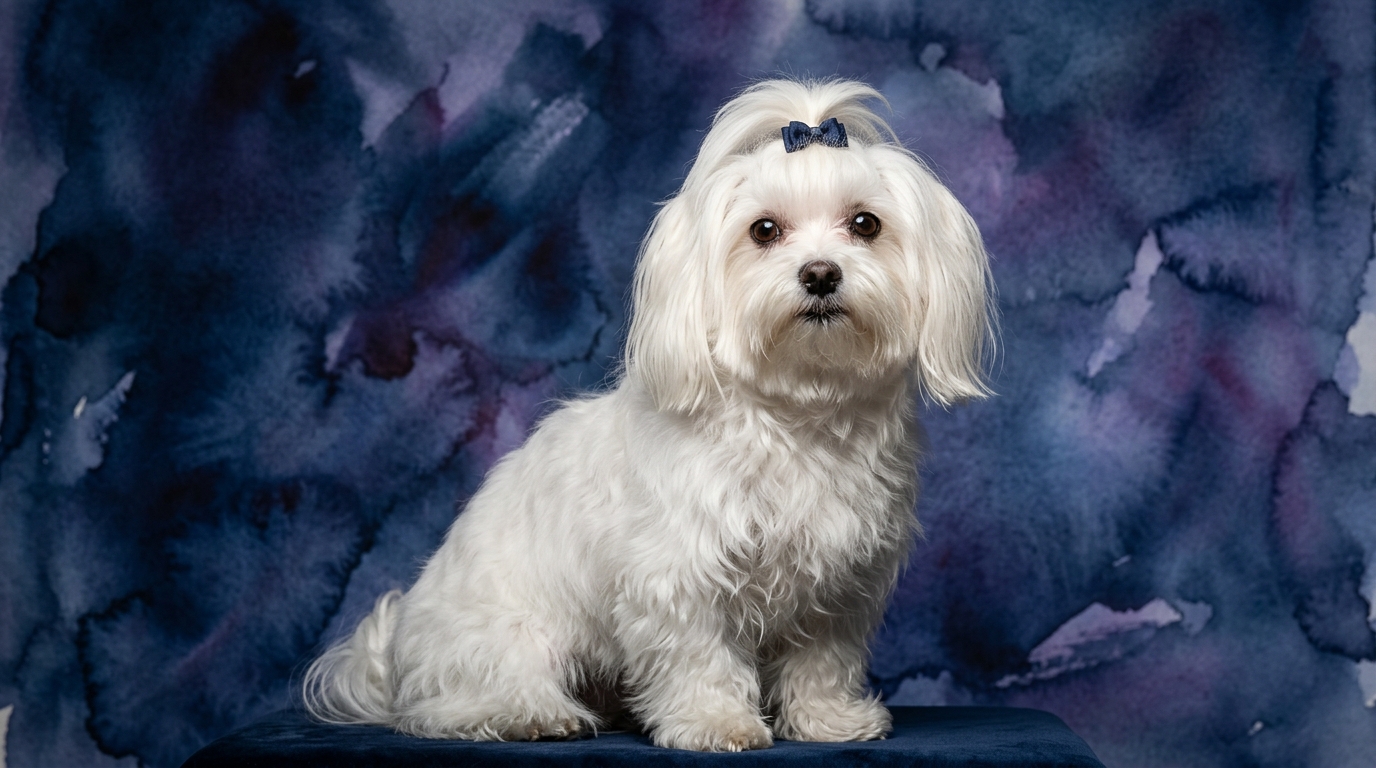
The Maltese, a breed belonging to the Toy group, presents a profile emphasizing relational acumen. Their problem-solving ability registers at 3 out of 5, indicating they can navigate moderate cognitive challenges and figure out practical solutions within their environment without necessarily being master strategists. Training speed is also rated 3 out of 5, suggesting they acquire new commands at a consistent, steady pace, benefiting from clear, positive reinforcement. Where the Maltese truly shines is in social intelligence, scoring an exceptional 5 out of 5. This signifies an extraordinary capacity to read human cues, interpret emotional states, and form deeply reciprocal bonds. Their instinctive drive is notably low at 2 out of 5, meaning minimal inherent urges for activities like hunting or guarding, focusing their energy primarily on companionship. Memory for the Maltese sits at 3 out of 5, allowing them to retain learned behaviors and associations reliably over time.
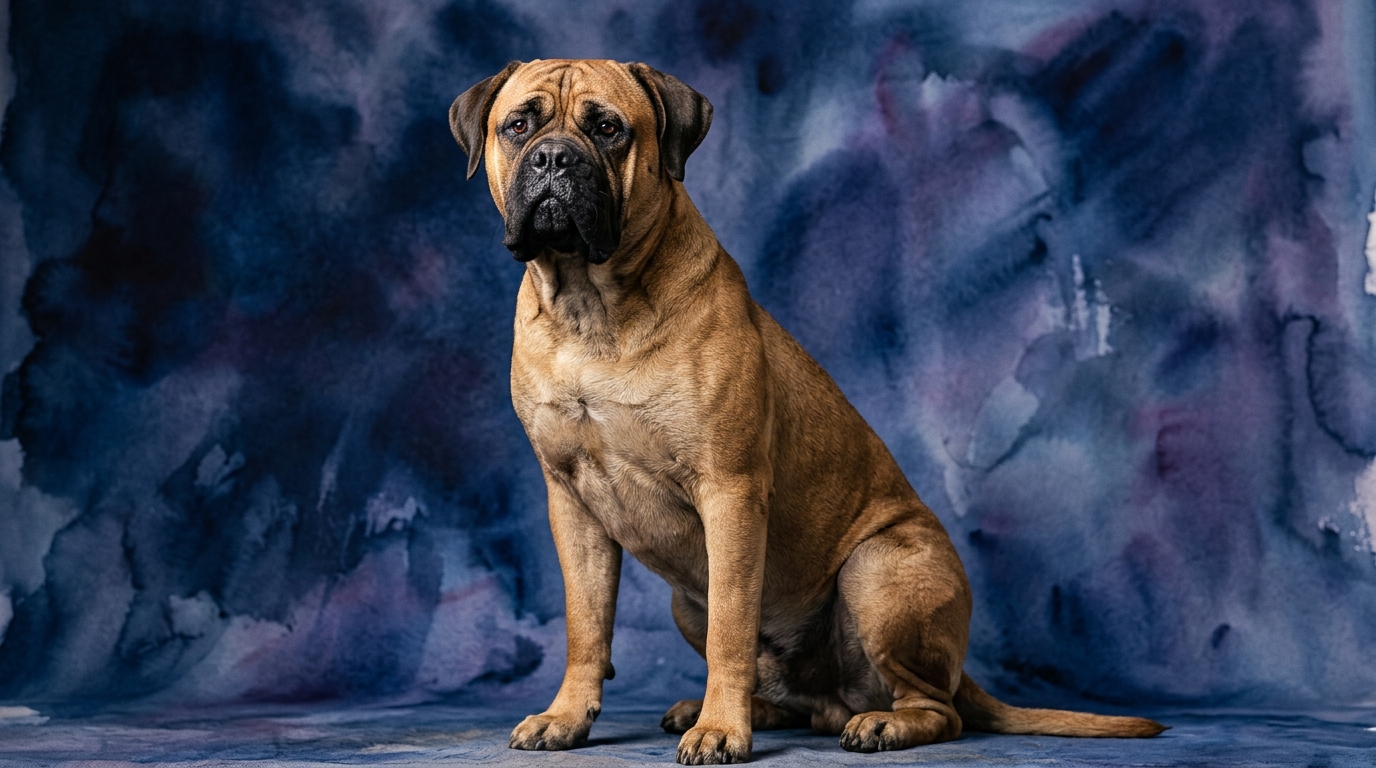
The Bullmastiff, a Working group dog, offers a cognitive blueprint geared towards guardianship and steadfastness. Their problem-solving score mirrors the Maltese at 3 out of 5, indicating a similar capacity for moderate cognitive challenges, approaching issues with a steady, rather than overtly inventive, mindset. Their training speed also aligns at 3 out of 5, meaning they learn new tasks and commands with consistency, responding best to structured, patient instruction. Social intelligence for the Bullmastiff is rated 3 out of 5. While they form strong bonds and understand human communication, their expression of this connection is often more reserved and less overtly effusive than the Maltese. Instructive drive is rated 3 out of 5, reflecting a moderate, purposeful drive for tasks like protection and territory awareness, a hallmark of their historical role. Finally, their memory also stands at 3 out of 5, ensuring good retention of routines, boundaries, and past experiences.
Where the Maltese Excels Cognitively
The Maltese's standout cognitive strength lies unequivocally in their exceptional social intelligence, scoring a perfect 5 out of 5. This isn't merely about being friendly; it reflects a profound capacity for emotional attunement and subtle communication. A Maltese often anticipates an owner's mood or needs, responding with comforting presence or playful invitation before explicit verbal cues are given. They are masters at reading micro-expressions and body language, allowing them to adapt their behavior to foster harmonious human-animal relationships. This acumen makes them particularly adept as therapy animals or emotional support companions, where interpreting and responding to nuanced human emotional states is paramount to their function.
Their relatively low instinctive drive (2/5) further enhances this social focus. With fewer innate urges to chase, herd, or guard, the Maltese directs almost all its cognitive energy towards interaction and connection with its human family. This singular focus creates a seamless communicative loop, where their problem-solving (3/5) and training speed (3/5) are frequently leveraged in the service of social engagement, whether it's figuring out how to get closer for a cuddle or learning a new trick to elicit a positive human reaction. Their cognitive architecture is fundamentally optimized for the role of an intimate, responsive companion.
Where the Bullmastiff Finds its Cognitive Edge
While the Bullmastiff doesn't present a single dimension with a higher score than the Maltese, its cognitive advantage lies in the practical application and balance of its attributes, particularly in the context of its working heritage. The combination of a 3/5 problem-solving ability, 3/5 training speed, and a moderate 3/5 instinctive drive creates a robust and reliable cognitive profile for specific tasks. Their problem-solving might manifest not in complex puzzle-solving, but in practical, real-world scenarios like assessing a novel sound or determining the appropriate response to an unfamiliar presence at the gate.
Their moderate instinctive drive is crucial here, providing a foundation for their protective instincts without leading to impulsivity. This means a Bullmastiff's cognitive processes are geared towards a steady, watchful guardianship. Their memory (3/5) is well-suited for retaining complex routines and commands necessary for maintaining boundaries and consistent behavior, which is vital for a large, physically capable dog. Rather than excelling in emotional reciprocity, the Bullmastiff's cognitive strengths enable a dog that is steadfast, dependable, and capable of making sound, measured judgments within its protective domain, making them reliable partners for those seeking a dog with a calm, watchful disposition and a capacity for serious work.
Training Dynamics: Maltese vs. Bullmastiff
Both the Maltese and Bullmastiff share a 3 out of 5 rating for training speed, suggesting neither is inherently a 'quick study' compared to some other breeds, but both are consistently capable learners. However, the *nature* of their training experience differs significantly due to their other cognitive traits. For the Maltese, their exceptional social intelligence (5/5) is a powerful training asset. They are often highly motivated by human approval and connection, making them eager participants in positive reinforcement sessions. Their desire to please and their sensitivity to human feedback can make basic obedience, house-training, and trick learning feel intuitive, especially when training is framed as a shared, joyful interaction. Their small stature also makes physical handling during training less challenging.
The Bullmastiff, with its 3/5 social intelligence and 3/5 instinctive drive, approaches training with a different mindset. While they are loyal and form strong bonds, they might be less overtly eager to please than a Maltese, sometimes exhibiting a more independent streak. Training a Bullmastiff demands clear, consistent leadership, patience, and early socialization to channel their protective instincts appropriately. Their physical presence means that consistent, structured training is not just beneficial but essential for safety and manageability. They respond well to routines and firm, fair guidance, with their memory (3/5) supporting the retention of established commands. While neither breed is 'easier' in an absolute sense, the Maltese often offers a more immediately gratifying training experience for companion manners due to their social drive, whereas the Bullmastiff requires a more disciplined, consistent approach to harness their inherent working traits effectively.
Lifestyle Match: Active vs. Relaxed Owners
The cognitive and physical characteristics of these two breeds naturally align with different owner lifestyles. The Maltese, despite their dainty appearance, possess a vibrant energy that thrives on interaction. Their high social intelligence means they are happiest when actively participating in family life, whether it's a short, brisk walk around the block or engaging in indoor games. They are an excellent match for relaxed owners who prioritize constant companionship, cherish emotional connection, and can provide ample mental stimulation through interactive play and cuddles. They are less suited for owners seeking a rugged outdoor adventure partner due to their delicate build and lower instinctive drive, which means they aren't driven by tasks like hiking long distances or intense agility courses.
The Bullmastiff, conversely, is generally a calm and dignified presence indoors, but their substantial size and moderate instinctive drive (3/5) necessitate a different kind of owner commitment. They require moderate daily exercise, such as leisurely walks or supervised playtime in a securely fenced yard, to maintain physical health and mental well-being. They are well-suited for owners who appreciate a steadfast, protective companion and are prepared to provide consistent training and extensive socialization. While not requiring extreme athleticism, Bullmastiffs are not ideal for entirely sedentary lifestyles; they need structured outdoor time to satisfy their physical and cognitive needs. Their protective nature means they thrive with owners who understand and can confidently manage a working breed's inherent traits, ensuring they are well-adjusted and well-behaved in various social settings.
Cognitive Companion Choice
Our exploration reveals that 'intelligence' in canines is a multifaceted concept, extending far beyond simple problem-solving or training speed. While both the Maltese and Bullmastiff share identical scores in problem-solving and training speed, their overall cognitive profiles diverge significantly, influenced by their social intelligence, instinctive drives, and memory. The Maltese, with its unparalleled social intelligence, is a master of emotional nuance and reciprocal affection, making it an ideal companion for those who value deep, intuitive bonds and a constant, responsive presence. Their cognitive strengths are geared towards understanding and mirroring human emotional landscapes.
The Bullmastiff, on the other hand, while equally capable in foundational learning, offers a cognitive profile built for reliability, watchful guardianship, and a steady, protective demeanor. Their balanced instinctive drive and solid memory support their role as a calm, dependable presence, a dog that observes and reacts with measured judgment. The choice between these two breeds, therefore, hinges not on identifying a universally 'smarter' dog, but rather on aligning a dog's inherent cognitive strengths and behavioral tendencies with an owner's lifestyle, expectations, and desired relationship dynamic. Each breed presents a unique blueprint for companionship, tailored to different human needs and environments.
The Verdict
Choose a Maltese if your priority is a highly socially attuned companion who thrives on emotional connection and subtle communication, fitting seamlessly into a relaxed, indoor-centric lifestyle. They excel at reciprocal affection and intuitive understanding of human moods.
Opt for a Bullmastiff if you seek a steadfast, protective presence that offers reliable companionship and moderate guardianship, requiring an owner committed to consistent training and structured daily routines. They provide a calm, watchful demeanor for those appreciating a dog with a strong, loyal spirit.
🧠 Find Your Pet's IQ Score
Our Pet IQ Lab assessment covers 25+ tests across 5 cognitive dimensions — personalized to your breed.
Take the Full IQ Test →Frequently Asked Questions
Are Maltese good at learning tricks?
With a training speed of 3/5 and strong social intelligence, Maltese can learn a variety of tricks. They are often motivated by positive reinforcement and the desire to please their owners, making trick training an engaging activity for them, leveraging their social acumen.
Do Bullmastiffs require a lot of mental stimulation?
Bullmastiffs benefit from consistent mental stimulation, though perhaps not in the same high-intensity way as some other working breeds. Their 3/5 problem-solving and memory scores mean they enjoy structured training, puzzle toys, and engaging in routines that challenge their minds without over-stimulating them, reinforcing their steady nature.
How do their social intelligence scores impact owner interaction?
The Maltese's 5/5 social intelligence means they are exceptionally perceptive of human emotions and cues, often forming very deep, intuitive bonds and reacting sensitively. The Bullmastiff's 3/5 social intelligence indicates they understand human communication well and are loyal, but they might express their connection more subtly and value independence slightly more, offering a calm, steady companionship.