Side-by-Side IQ Profile: Maltese vs. Cardigan Welsh Corgi
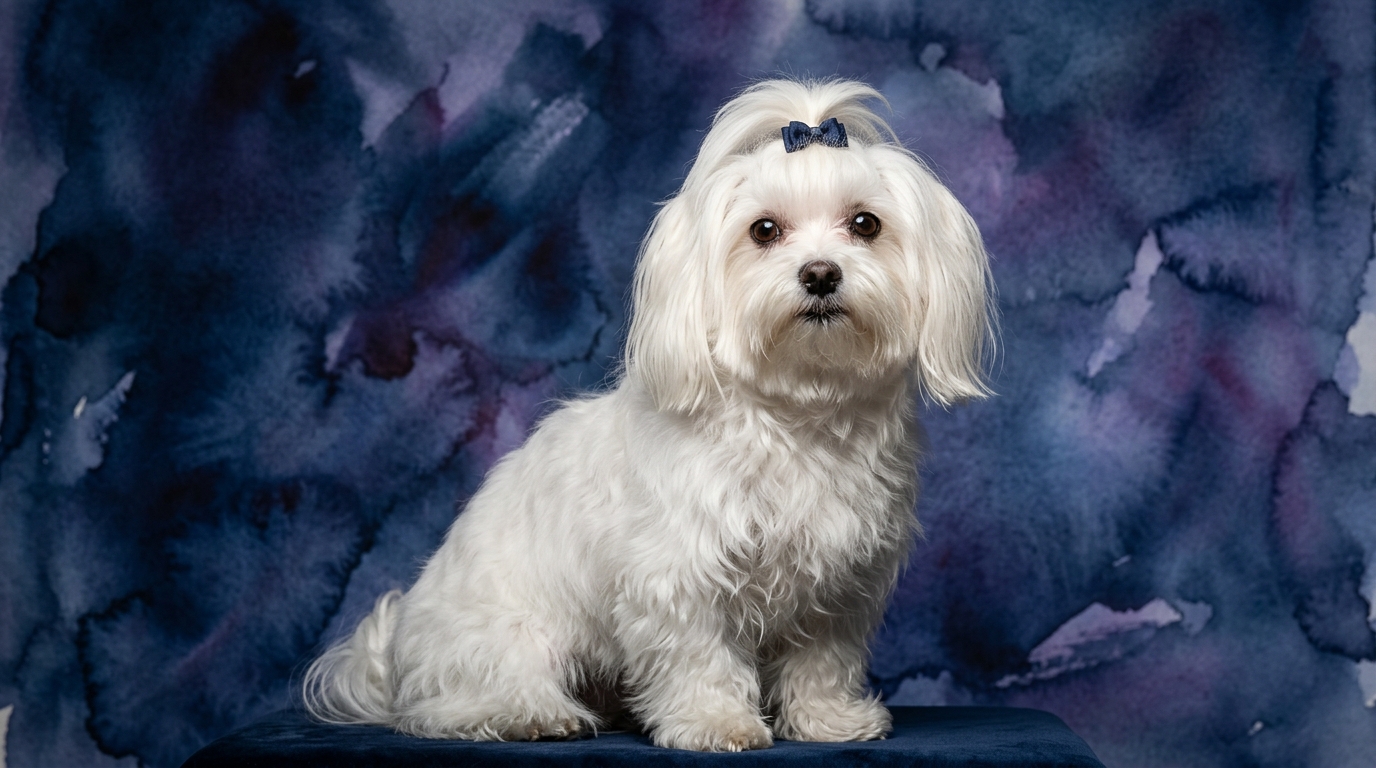
The Maltese, a cherished member of the Toy group, holds a Coren rank of 59, indicating a solid foundation for trainability and understanding. Our Cosmic Pet Pet IQ Lab assessment gives them a problem-solving score of 3/5, suggesting they can navigate moderate challenges but may not independently devise complex solutions without guidance. Their training speed is also 3/5; they learn at a steady pace, responding well to consistent, positive reinforcement methods over time.
Where the Maltese truly distinguishes itself is in social intelligence, earning a perfect 5/5. This reflects an exceptional capacity to interpret human cues, understand emotional states, and form deep, nuanced bonds with their families, often anticipating needs. Their instinctive drive, however, is lower at 2/5, meaning they possess minimal inherent urges for tasks like herding or hunting, focusing instead on intimate companionship. Memory is rated 3/5, allowing them to retain learned commands and routines effectively.
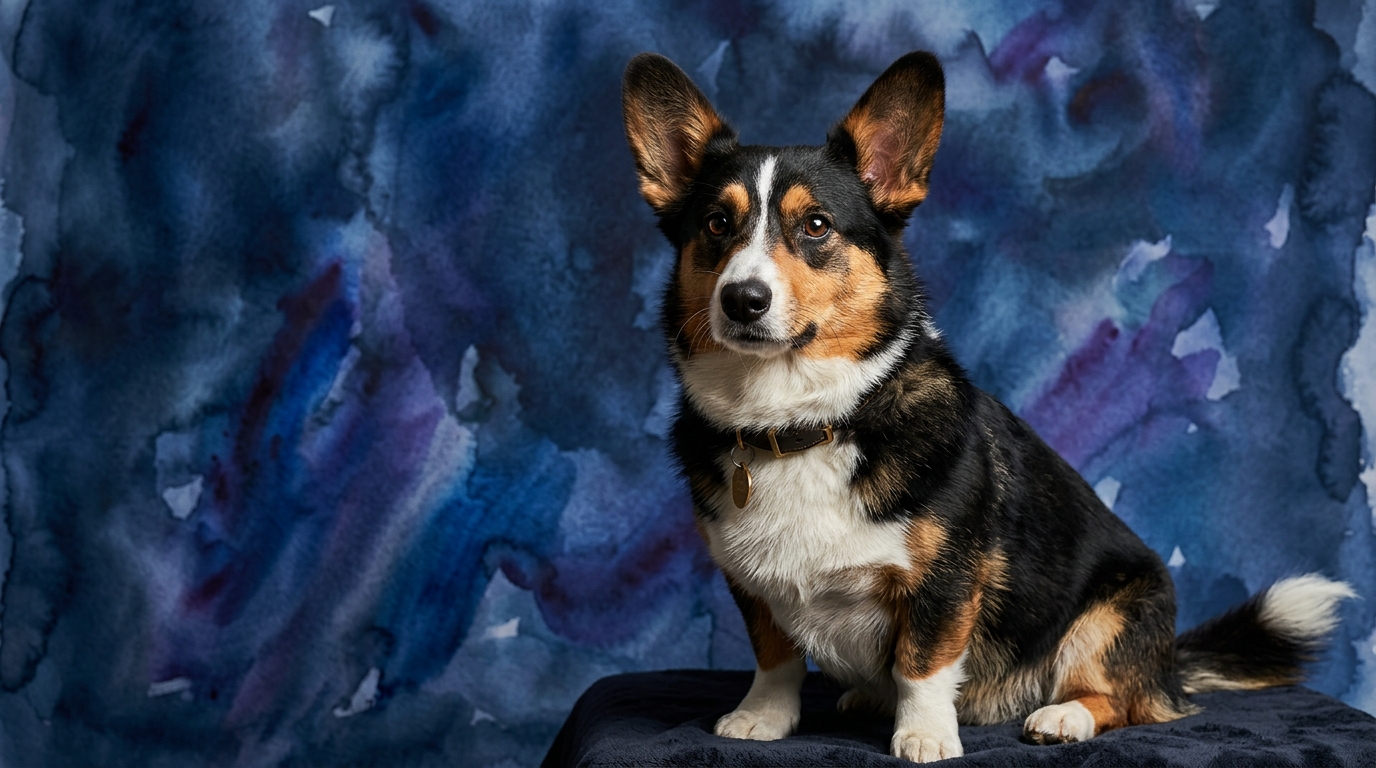
In contrast, the Cardigan Welsh Corgi, a member of the Herding group, sits significantly higher on Coren's scale at 26th, suggesting a more readily adaptable and task-oriented mind. Their problem-solving ability is strong at 4/5, indicating a capacity for figuring out novel situations and adapting strategies, often demonstrating a clever approach to obstacles. Training speed also rates 4/5, meaning they typically pick up new commands and routines with relative quickness and fewer repetitions than many breeds.
While their social intelligence is a respectable 3/5, they tend to be more independent than the Maltese, interpreting human interactions through a lens of partnership and purpose rather than pure devotion. Their instinctive drive is higher at 3/5, a clear echo of their heritage in moving livestock, which often manifests as a natural inclination to 'herd' people or other pets playfully. Memory is rated 4/5, enabling them to recall a wide array of commands, locations, and past experiences with considerable accuracy.
Where the Maltese Wins Cognitively
The Maltese's cognitive strengths are deeply rooted in their history as devoted companions, primarily excelling in social intelligence. A perfect 5/5 score means they possess an unparalleled ability to read human emotions, understand subtle vocal tones, and anticipate needs, fostering an incredibly empathetic connection with their owners. This makes them exceptionally attuned to their owner's mood, often offering comfort or seeking interaction precisely when it's most desired, a trait that goes far beyond simple obedience.
Their cognitive processing prioritizes relational understanding, making them adept at navigating complex social dynamics within a household. While they may not be devising escape routes or intricate puzzle solutions, their mental energy is directed towards maintaining harmony and connection, making them masters of emotional reciprocity. This superior social acumen allows them to integrate seamlessly into family life, often becoming the emotional anchor of the home through their perceptive nature.
Where the Cardigan Welsh Corgi Wins Cognitively
The Cardigan Welsh Corgi's cognitive prowess shines in areas demanding independent thought, adaptability, and retention, reflecting their working heritage. With a problem-solving score of 4/5, they frequently demonstrate resourcefulness, whether it's figuring out how to open a gate or efficiently navigating a new environment to achieve a goal. This breed's mind is wired for practical application and strategic thinking, often assessing situations and making decisions on their own.
Their superior memory, rated 4/5, coupled with a training speed of 4/5, allows them to acquire and retain a vast repertoire of commands and routines, even those learned long ago and used intermittently. This cognitive advantage makes them highly receptive to advanced training in areas like agility or obedience, where complex sequences and quick recall are paramount. Furthermore, their instinctive drive of 3/5 means they possess a natural inclination to organize and direct, a valuable trait for tasks requiring initiative and determination.
Which is Easier to Train and Why
When evaluating ease of training, the Cardigan Welsh Corgi generally holds an edge due to its higher scores in training speed (4/5), memory (4/5), and problem-solving (4/5), along with a solid Coren rank of 26. Corgis are typically quicker to grasp new concepts and commands, often requiring fewer repetitions before a behavior is solidified. Their inherent desire to work and their instinctive drive, though moderate, means they often find purpose in structured tasks and respond well to clear guidance, being less distracted by emotional nuances and more focused on the task at hand.
The Maltese, with training speed and memory both at 3/5 and a Coren rank of 59, learns at a more moderate pace. While they are eager to please due to their high social intelligence, their focus can sometimes be on the *interaction* and the *relationship* rather than the *task itself*. This means training might require more patience and consistency, often breaking down commands into smaller, more manageable steps. Their lower instinctive drive also means they lack the intrinsic motivation for complex work, preferring engagement that strengthens their bond over rigorous intellectual challenges.
Which Suits Active Owners vs. Relaxed Owners
For active owners seeking a canine partner for adventures or structured activities, the Cardigan Welsh Corgi is often a more suitable match. Their higher problem-solving ability, stronger instinctive drive, and excellent memory make them well-suited for dog sports like agility, herding trials, or advanced obedience, where both physical and mental engagement are key. They thrive on mental and physical stimulation, requiring regular exercise and opportunities to use their clever minds to prevent boredom and potential mischievousness. Owners who enjoy hiking, long walks, or consistent training sessions will find a willing and capable companion in a Corgi.
Conversely, the Maltese is an ideal choice for relaxed owners who prioritize companionship and gentle interaction above demanding activities. Their exceptional social intelligence means they are content with being close to their human family, often finding joy in quiet cuddles and short, playful bursts. While they still benefit from daily walks and mental stimulation, their needs are less demanding in terms of strenuous activity or complex tasks. Their lower instinctive drive and moderate problem-solving make them perfectly happy to be a lap dog, thriving on emotional connection rather than rigorous intellectual challenges or sustained physical exertion.
The Verdict
Choose a Maltese if your priority is an emotionally attuned companion who thrives on close social connection and gentle interaction, enriching your home with a keen sense of family dynamics.
Opt for a Cardigan Welsh Corgi if you desire a clever, adaptable partner for structured activities and problem-solving, valuing a dog that engages actively with challenges and learns readily.
🧠 Find Your Pet's IQ Score
Our Pet IQ Lab assessment covers 25+ tests across 5 cognitive dimensions — personalized to your breed.
Take the Full IQ Test →Frequently Asked Questions
Do Maltese dogs need a lot of mental stimulation despite their lower instinctive drive?
Yes, even with a lower instinctive drive, Maltese dogs benefit from mental stimulation to prevent boredom and maintain cognitive health. Short training sessions, puzzle toys, and interactive games that leverage their high social intelligence are excellent ways to engage their minds. This helps keep them happy and well-adjusted without requiring intense, task-oriented work.
How does the Cardigan Welsh Corgi's herding instinct manifest in a family home?
The Cardigan Welsh Corgi's moderate instinctive drive often manifests as a tendency to 'herd' family members, especially children or other pets, by gently nudging or circling them. This behavior is typically gentle and can be managed with consistent training and redirection, offering outlets like herding balls or structured play that satisfies their natural urges. Understanding this trait helps owners provide appropriate engagement.
Is a higher Coren rank always better when choosing a breed?
A higher Coren rank suggests a dog's general trainability and understanding of human commands, often indicating a quicker learning curve. However, 'better' depends entirely on an owner's lifestyle and what they seek in a companion. A lower-ranked dog, like the Maltese, may excel in social intelligence and devotion, which are equally valuable traits for many households, prioritizing different cognitive strengths.