Side-by-Side IQ Profile
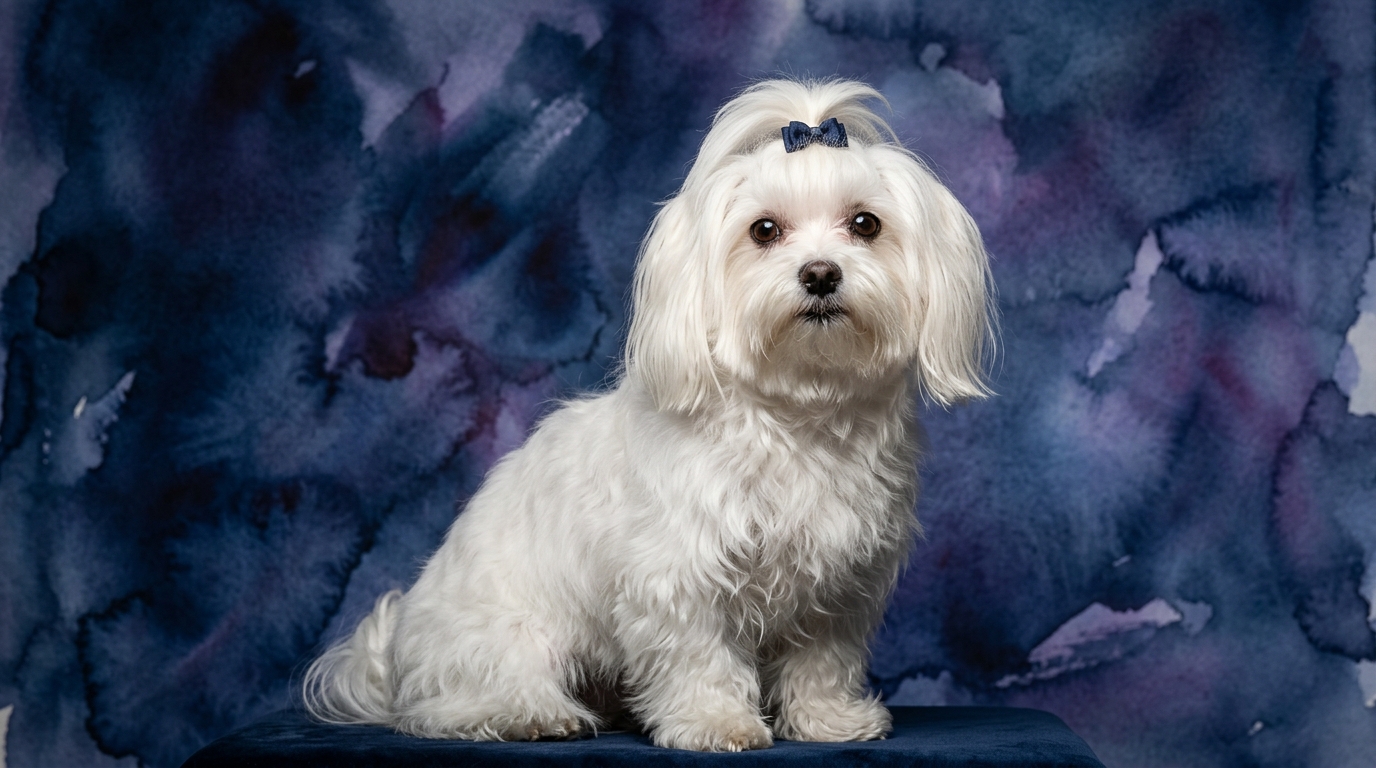
**Maltese:** The Maltese exhibits a moderate capacity for navigating novel challenges, often relying on learned associations or seeking human assistance rather than independently devising complex solutions, scoring 3/5 in Problem Solving. This breed processes and retains new commands at a steady, average pace (3/5 Training Speed), requiring consistent, patient repetition. Here, the Maltese truly excels, demonstrating an exceptional ability to interpret and respond to human emotions and social cues, earning a perfect 5/5 in Social Intelligence. Their innate drives are relatively low (2/5 Instinctive Drive), primarily focused on companionship rather than strong predatory or herding instincts. The Maltese possesses an average memory (3/5), capable of recalling learned commands, routines, and familiar faces over time, though complex sequences may fade without reinforcement.
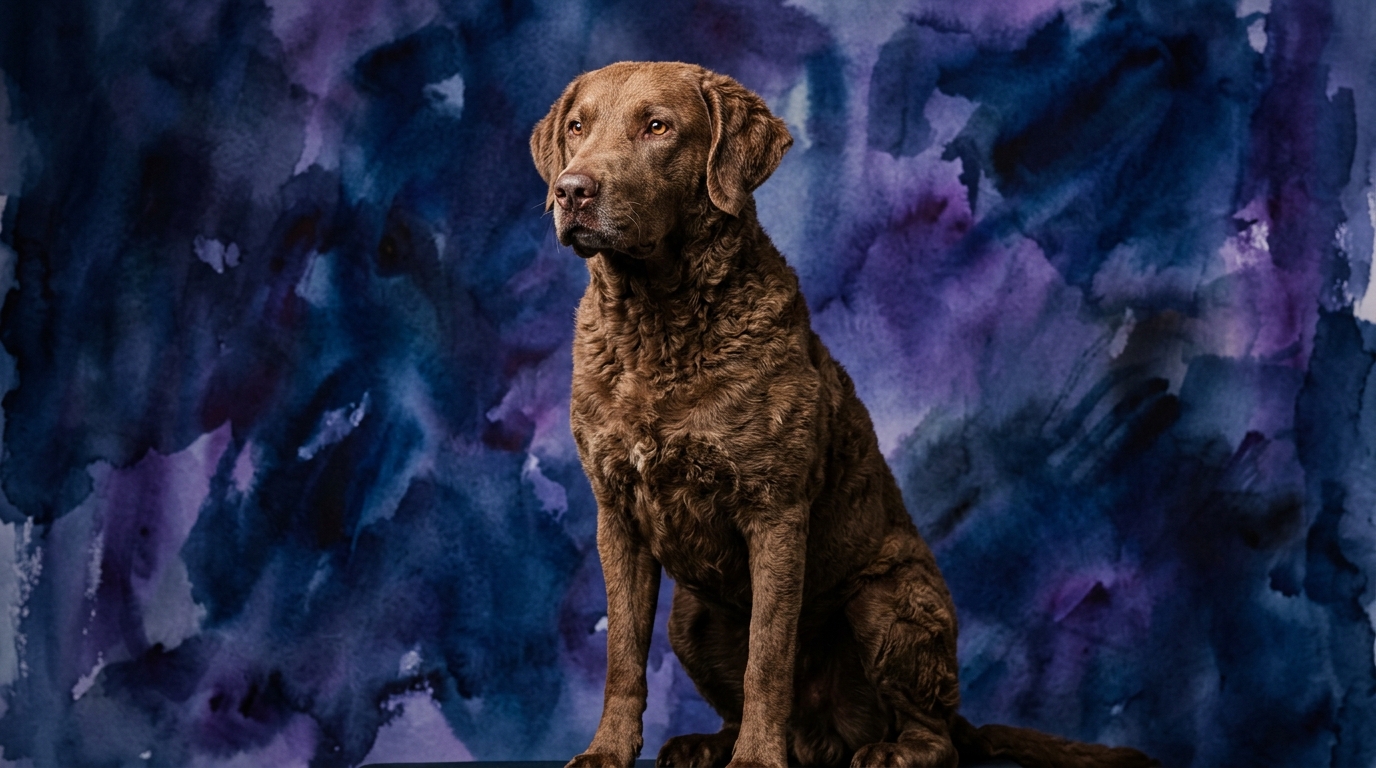
**Chesapeake Bay Retriever:** The Chesapeake Bay Retriever displays a strong aptitude for problem-solving (4/5), often analyzing situations and devising effective strategies, especially those related to retrieving or navigating environments. This breed learns and internalizes new commands and tasks with impressive speed and efficiency (4/5 Training Speed), capable of picking up complex routines and multiple cues relatively quickly. The Chessie shows a solid, functional level of social intelligence (3/5), understanding human directives and cues, though perhaps not with the same nuanced emotional sensitivity as some companion breeds. With a moderate instinctive drive (3/5), particularly for retrieving and water work, this breed is motivated by innate behaviors that influence their desire to explore and carry objects. The Chesapeake Bay Retriever exhibits a robust memory (4/5), retaining a significant amount of information, including complex command sequences, learned routes, and past experiences, contributing to their reliability in learned tasks.
Where Maltese Wins Cognitively
The Maltese’s undisputed cognitive strength lies in its exceptional social intelligence. With a perfect 5/5, this breed possesses an unparalleled ability to perceive and interpret human emotional states and intentions. They don't just react to commands; they often anticipate needs, offering comfort during distress or initiating play during moments of joy. This profound emotional attunement makes them incredibly responsive companions, capable of forming deep, intuitive bonds. Their social acuity means they often understand subtle shifts in tone or body language that other breeds might miss, allowing them to adapt their behavior to maintain harmony within their human family. This isn't just about being affectionate; it's a sophisticated understanding of social dynamics that allows them to thrive as highly integrated family members.
Where Chesapeake Bay Retriever Wins Cognitively
The Chesapeake Bay Retriever demonstrates a clear cognitive advantage across several key dimensions, particularly in problem-solving, training speed, and memory. Their 4/5 problem-solving ability means they are more inclined to independently strategize and overcome physical or mental challenges, whether it's figuring out how to retrieve a specific toy or navigating a complex environment. This breed also learns new commands and tasks with remarkable efficiency, boasting a 4/5 training speed, which translates to faster acquisition of complex behaviors and a quicker grasp of multi-step instructions. Furthermore, their strong 4/5 memory ensures that once a lesson is learned, it's retained with impressive longevity, making them reliable performers in repetitive or intricate tasks. Coupled with a moderate instinctive drive (3/5), these traits create a dog that is not only capable of learning quickly but also driven to apply that learning in practical, goal-oriented ways.
Which is easier to train and why
Based on their cognitive profiles, the Chesapeake Bay Retriever generally proves easier to train for obedience and complex tasks. Their 4/5 training speed means they process and internalize commands more quickly than the Maltese (3/5), requiring fewer repetitions to achieve proficiency. This efficiency is further bolstered by their 4/5 memory, ensuring that learned behaviors are retained for longer periods, reducing the need for constant refreshers. A Chessie’s moderate instinctive drive (3/5), particularly for retrieving, can also be channeled effectively into training, providing a natural motivation for engagement. In contrast, while the Maltese is trainable, their average training speed and memory mean that progress might be slower and require more consistent reinforcement. The Maltese's high social intelligence, while wonderful for companionship, can sometimes manifest as a desire for attention that might occasionally override strict adherence to commands if not properly managed during training. For instance, a Chessie might focus intently on retrieving a dumbbell on command, while a Maltese might pause to solicit a belly rub, even mid-exercise, if it perceives an opportunity for social interaction.
Which suits active owners vs relaxed owners
The choice between these breeds significantly depends on an owner's lifestyle and activity level. The Chesapeake Bay Retriever, with its robust problem-solving skills, strong memory, and moderate instinctive drive, thrives with active owners who can provide consistent mental and physical challenges. This breed benefits from engaging activities such as advanced obedience, dog sports like agility or dock diving, long hikes, and extensive retrieving sessions. Their cognitive profile makes them well-suited to learn complex sequences and excel in tasks that require sustained effort and focus, making them ideal companions for those who enjoy outdoor adventures and structured training. Conversely, the Maltese, with its lower instinctive drive and moderate problem-solving, is better suited for more relaxed owners. Their exceptional social intelligence means they are content with companionship, gentle play, and shorter, less intensive walks. While they enjoy learning tricks, their primary cognitive need is for consistent social interaction and emotional connection, not rigorous physical or mental work. They are perfectly happy to be a lap dog, providing comfort and receiving affection in a quieter home environment.
The Verdict
Choose the Maltese if your lifestyle is relaxed, prioritizing exceptional social bonding, emotional attunement, and a charming companion who thrives on close human interaction over complex physical or mental challenges.
Opt for the Chesapeake Bay Retriever if you are an active owner seeking a capable, quick-learning, and robust partner for outdoor adventures, structured training, and goal-oriented activities that engage their strong problem-solving and memory skills.
🧠 Find Your Pet's IQ Score
Our Pet IQ Lab assessment covers 25+ tests across 5 cognitive dimensions — personalized to your breed.
Take the Full IQ Test →Frequently Asked Questions
Is the Maltese difficult to train due to its size?
The Maltese's training speed is moderate (3/5), not inherently difficult due to size. They are capable learners but benefit from consistent, positive reinforcement and patience to solidify commands, often motivated by their strong desire for social approval.
Are Chesapeake Bay Retrievers good family dogs despite their drive?
Yes, Chesapeake Bay Retrievers can be excellent family dogs, forming strong bonds with their primary family members, though they might be more reserved with strangers. Their moderate instinctive drive (3/5) means they require adequate physical and mental stimulation to prevent boredom, which is crucial for a well-behaved family pet.
How does social intelligence differ between these two breeds?
The Maltese (5/5 social intelligence) excels in nuanced emotional understanding and anticipating human needs, making them incredibly intuitive companions. The Chesapeake Bay Retriever (3/5 social intelligence) possesses a functional understanding of human cues for training and bonding but typically expresses less overt emotional sensitivity compared to the Maltese.