Side-by-Side IQ Profile: Unpacking Canine Cognition
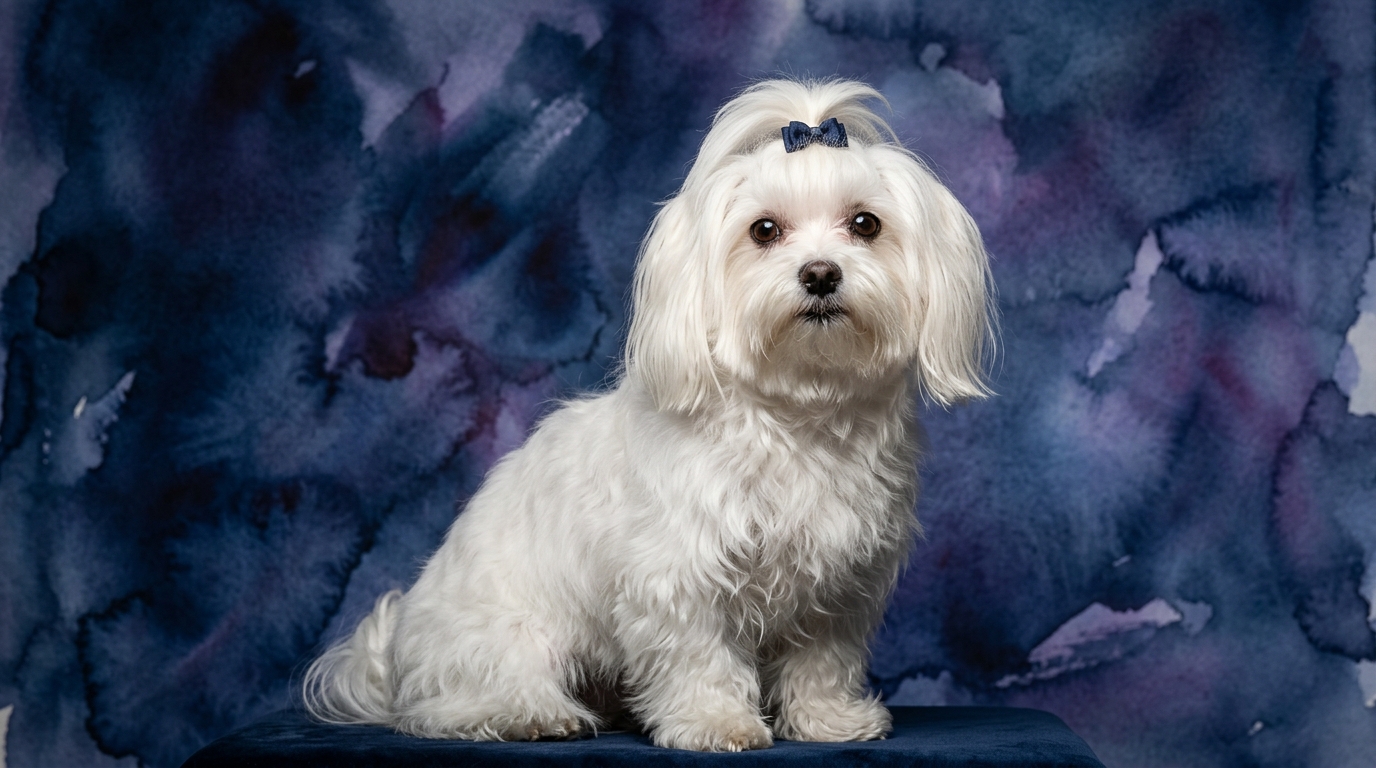
Maltese (Coren Rank #59): This Toy group companion exhibits a balanced cognitive profile with a standout social aptitude. Their Problem Solving is rated 3/5, indicating a moderate capacity for navigating novel challenges and understanding cause-and-effect, often relying on learned patterns. Training Speed also sits at 3/5, suggesting they can grasp new commands at a respectable pace, though consistent, engaging methods yield the best results. Where the Maltese truly shines is in Social Intelligence, scoring a perfect 5/5; they are acutely attuned to human emotions and social cues, often anticipating needs and reciprocating affection profoundly. Instinctive Drive is lower at 2/5, meaning their inherent urges for activities like hunting or guarding are less pronounced compared to many breeds, making them generally less prone to independent pursuit behaviors. Their Memory is rated 3/5, enabling them to retain commands and routines effectively over time.
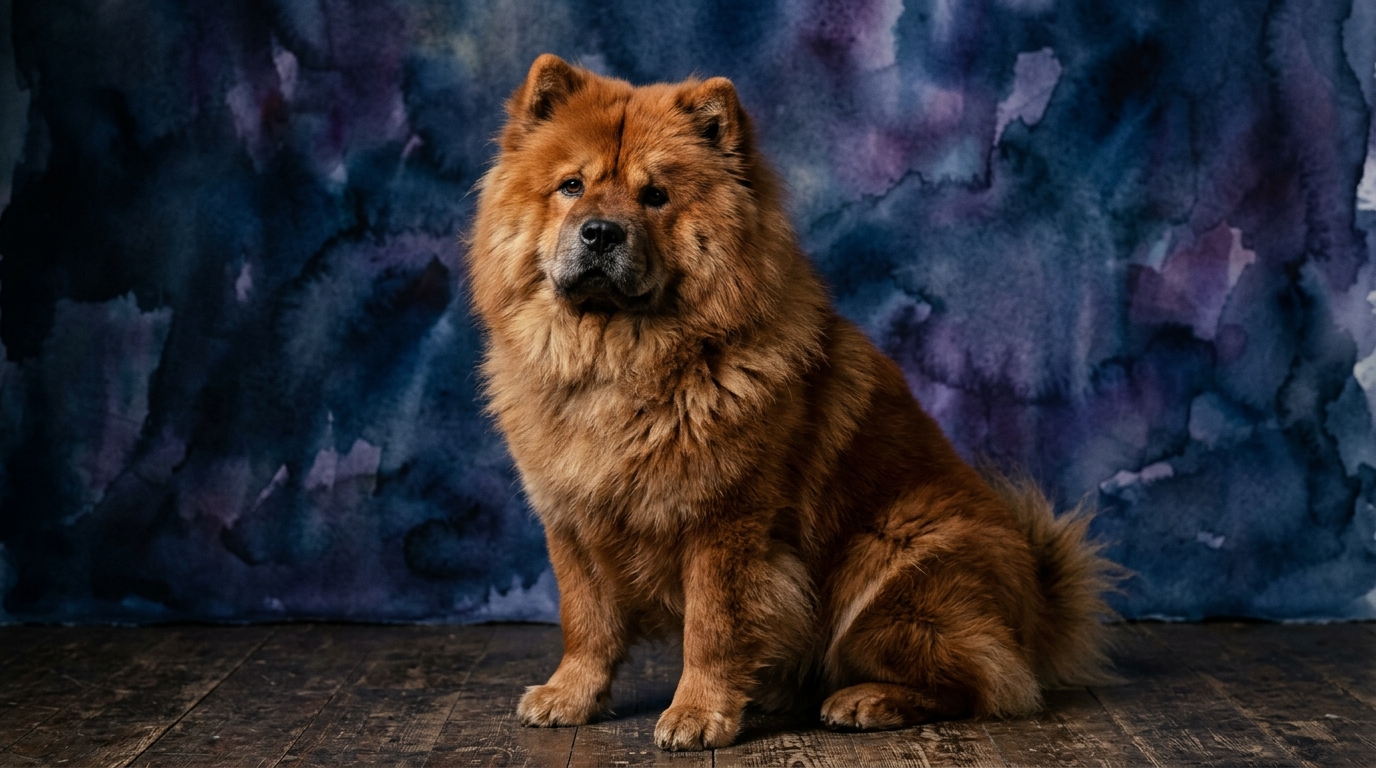
Chow Chow (Coren Rank #76): Hailing from the Non-Sporting group, the Chow Chow presents a more self-reliant cognitive blueprint. Their Problem Solving capacity mirrors the Maltese at 3/5, indicating an average ability to figure out new situations, though their independent nature might sometimes lead them to solve problems on their own terms rather than seeking human guidance. Training Speed is also 3/5, meaning they are capable of learning, but their strong will often requires patience, consistency, and a clear understanding of motivation. Social Intelligence for the Chow Chow is 3/5; while they form deep bonds with their chosen family, their expression of this connection is often more reserved and less overtly demonstrative than many breeds, and they are typically less interested in interacting with strangers. Instinctive Drive is rated 3/5, reflecting a moderate level of inherent urges for activities like guarding or patrolling, contributing to their sometimes aloof demeanor and territorial instincts. Their Memory is 3/5, allowing them to remember learned behaviors and boundaries, though their willingness to perform them consistently can be influenced by their independent streak.
Where the Maltese Wins Cognitively
The Maltese undeniably excels in the realm of social intelligence, a critical aspect of companionship that sets them apart. With a 5/5 rating, their capacity to interpret and respond to human emotional states is exceptional, making them highly empathetic and intuitive companions. This keen social perception allows them to form incredibly strong, nuanced bonds, often seemingly anticipating their owner's moods or desires. Their lower Instinctive Drive (2/5) can also be seen as a cognitive advantage in a domestic setting; it means they are generally less driven by deep-seated urges to hunt, herd, or guard, which often translates into fewer behavioral challenges related to prey drive or territoriality. This allows for a more focused engagement on social interaction and learning within a family unit, without strong competing innate motivations.
Where the Chow Chow Wins Cognitively
The Chow Chow’s cognitive strengths often manifest in their unique blend of independence and loyalty. While their Social Intelligence is rated lower than the Maltese, their moderate Instinctive Drive (3/5) contributes to a steadfast, sometimes protective nature that can be a cognitive asset in specific roles. This drive, combined with their problem-solving ability (3/5), means they can be quite adept at tasks requiring a degree of self-reliance and observation, such as guarding or surveying their environment. Their reserved social intelligence, while not as overtly demonstrative, indicates a selective and deep bond, where their loyalty is earned rather than given freely, suggesting a more discerning cognitive process in forming attachments. This self-sufficient approach to their environment and relationships means they process information with a certain degree of autonomy, making them less prone to separation anxiety and more comfortable in their own space compared to breeds with higher social dependence.
Which is Easier to Train and Why
When considering ease of training, the Maltese generally presents a smoother path due to their exceptional social intelligence and lower instinctive drives. Their 5/5 social intelligence means they are highly motivated by human interaction and praise, eager to please, and quick to pick up on cues from their trainers. While their Training Speed is 3/5, similar to the Chow Chow, their strong desire for connection and lower levels of competing instinctive behaviors mean they are often more focused and less distracted during training sessions. Conversely, the Chow Chow, with a 3/5 training speed and 3/5 social intelligence, combined with a stronger independent streak, can be more challenging. Their moderate instinctive drive and reserved social nature mean they may not always perceive human commands as their top priority; they require a trainer who understands their need for respect, consistency, and who can make training seem like their own idea rather than an imposed task. Their willingness to comply is often contingent on their assessment of the situation and the trainer's credibility, making patience and positive reinforcement absolutely essential.
Which Suits Active Owners vs. Relaxed Owners
For owners seeking a highly interactive and socially engaged companion, the Maltese is an excellent fit. Their profound social intelligence and moderate energy levels make them ideal for relaxed owners who enjoy frequent cuddles, gentle play, and a dog that thrives on being the center of family attention. They adapt well to apartment living and prefer being close to their human companions, making them suitable for those with a more sedentary lifestyle or who appreciate a constant, affectionate presence. Their lower instinctive drive means less need for extensive mental and physical stimulation related to traditional working dog tasks.
The Chow Chow, with its more independent nature and moderate instinctive drive, is better suited for owners who appreciate a more self-reliant canine presence and who can provide consistent, structured guidance without expecting constant overt affection. While not requiring intense physical activity, they benefit from regular, moderate exercise and mental stimulation that respects their dignified demeanor. They are often content to observe rather than actively participate in every family activity, making them suitable for relaxed owners who prefer a dog with a strong, quiet presence that doesn't demand constant engagement. Their preference for their own space means they can thrive with owners who understand and respect their unique boundaries and independent spirit.
The Verdict
Opt for a Maltese if your home thrives on a highly affectionate, socially intuitive companion who readily engages with family life and offers abundant emotional reciprocity. They are ideal for individuals or families seeking a devoted lap dog who is generally eager to learn through positive interaction and thrives on close human connection.
Select a Chow Chow if you appreciate a dignified, independent companion who forms deep, selective bonds and offers a calm, protective presence. They are best suited for patient owners who respect a dog's autonomy, understand the need for consistent, fair training, and value a loyal but not overly demonstrative canine friend.
🧠 Find Your Pet's IQ Score
Our Pet IQ Lab assessment covers 25+ tests across 5 cognitive dimensions — personalized to your breed.
Take the Full IQ Test →Frequently Asked Questions
Do Maltese dogs need a lot of mental stimulation?
While not requiring complex problem-solving tasks like some working breeds, Maltese dogs benefit from regular interactive play and learning new tricks to keep their social minds engaged. Their high social intelligence means they thrive on activities involving their human companions.
Are Chow Chows difficult to train?
Chow Chows can be more challenging to train due to their independent nature and reserved social intelligence, but they are not untrainable. Consistency, positive reinforcement, and understanding their motivations are key to successful training outcomes.
Which breed is better with children?
The Maltese, with its high social intelligence and gentle nature, generally adapts well to respectful children. Chow Chows, while loyal to their family, are often more reserved and may prefer quieter interactions, requiring careful supervision with young children due to their independent streak.