Side-by-side IQ profile
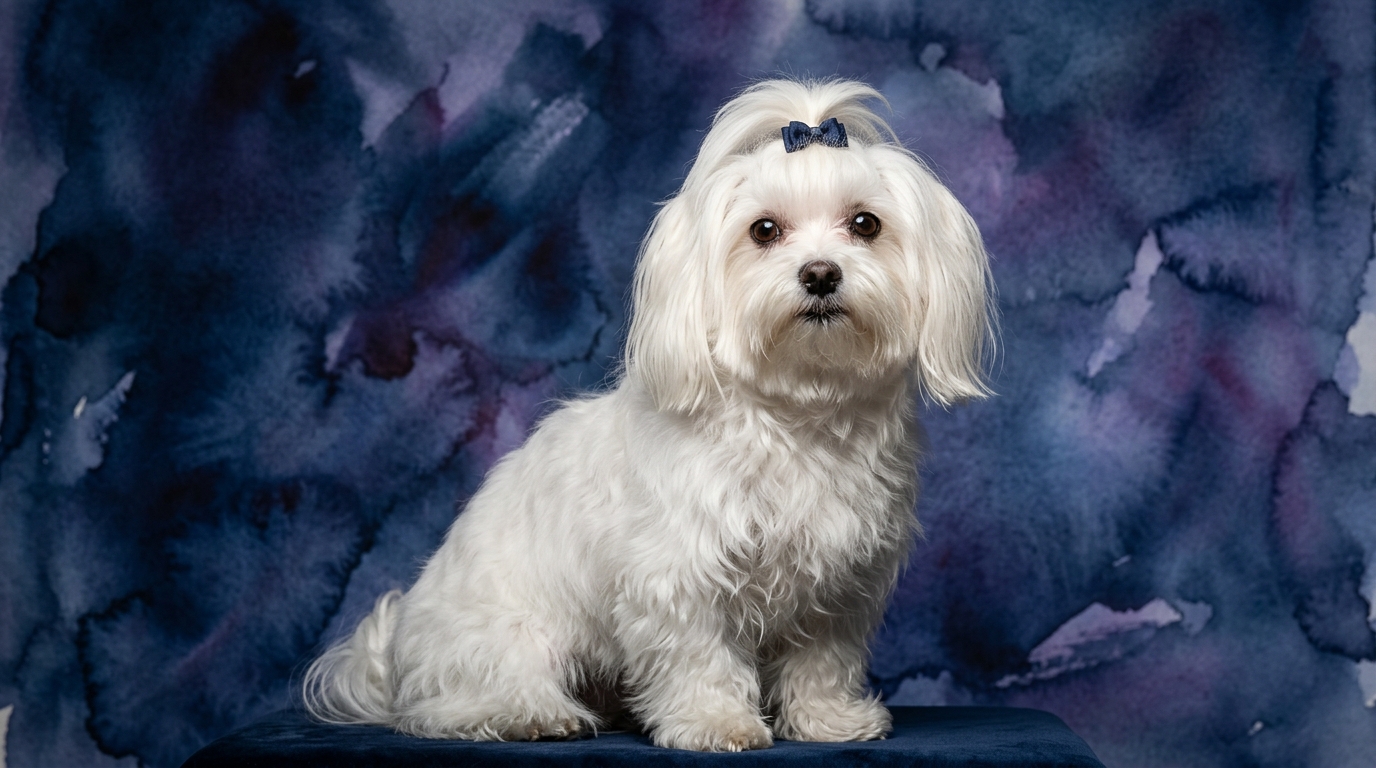
The Cosmic Pet Pet IQ Lab evaluates canine cognition across five distinct dimensions. The Maltese, a charming Toy group member ranked #59 by Coren, scores 3 out of 5 for Problem Solving, indicating moderate capacity for novel challenges. Training Speed also sits at 3 out of 5, suggesting an average learning pace. Its exceptional Social Intelligence, a perfect 5 out of 5, highlights a profound capacity for understanding human cues and forming deep bonds. Instinctive Drive is lower at 2 out of 5, implying less natural inclination towards independent hunting or guarding behaviors. Memory for the Maltese is 3 out of 5, signifying solid retention.
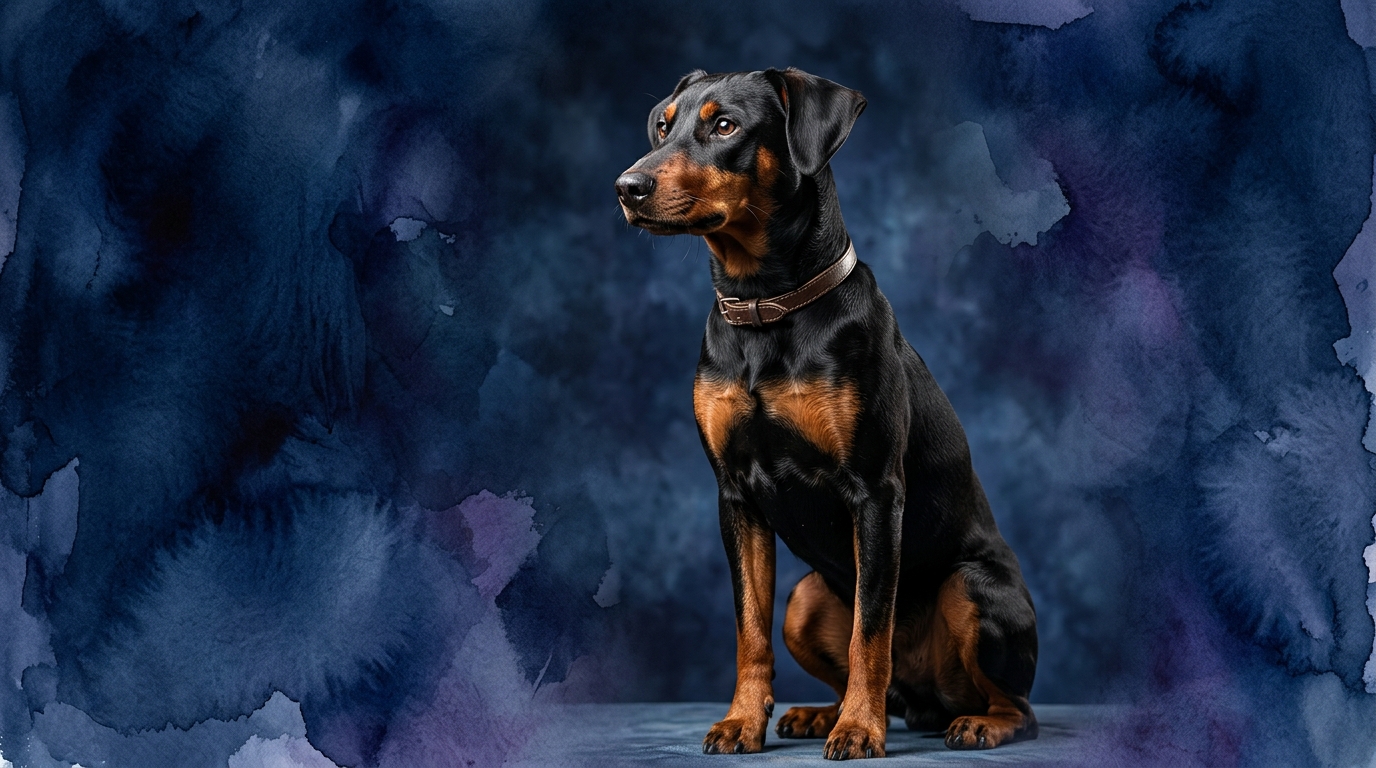
In contrast, the German Pinscher, a dynamic Working group breed, mirrors the Maltese with 3 out of 5 in both Problem Solving and Training Speed, suggesting comparable fundamental learning and retention. Its Social Intelligence is 3 out of 5, reflecting good, but not exceptional, human connection compared to the Maltese. However, its Instinctive Drive is higher at 3 out of 5, indicating a more pronounced natural inclination towards vigilance and purposeful activity. Memory for the German Pinscher also scores 3 out of 5, identical to the Maltese. The most significant divergences lie in Social Intelligence and Instinctive Drive, which critically shape their interaction styles and suitability for various lifestyles.
Where Maltese wins cognitively
The Maltese's undisputed cognitive advantage lies in its exceptional Social Intelligence, scoring a rare 5 out of 5. This signifies a profound capacity for emotional attunement and complex social communication; a Maltese often picks up on subtle human mood shifts and responds to nuanced vocal tones, fostering empathetic companionship. This heightened social awareness allows for extraordinarily deep, reciprocal bonds, where they often anticipate owner needs. Furthermore, their lower Instinctive Drive (2/5) can be a cognitive "win" for owners seeking a pet less predisposed to independent pursuits like chasing small animals or strong territorial behaviors. This reduced inherent drive means their cognitive energy is more directed towards their human family, reinforcing their role as dedicated companions.
Where German Pinscher wins cognitively
The German Pinscher's cognitive strengths are rooted in its higher Instinctive Drive, rated 3 out of 5. This reflects an inherent mental inclination towards vigilance, purpose, and active engagement with their environment. Their minds are geared towards observation, assessing situations, and acting with clear objectives, whether guarding or problem-solving. This drive fuels their tenacity and focus when given a task, allowing them to excel in activities requiring sustained attention and a robust work ethic. While their Problem Solving and Training Speed scores match the Maltese, their elevated drive means they often apply these cognitive skills with more intensity and persistence, particularly when tasks tap into natural inclinations. This breed's mind is wired for engagement and purpose, making them adept at tasks requiring independent thought and a proactive approach.
Which is easier to train and why
While both breeds share a Training Speed score of 3/5, their differing social intelligence and instinctive drives dictate ease of training. The Maltese, with its superior Social Intelligence (5/5), is often more amenable to training because it thrives on human interaction and approval. They are highly motivated by praise, affection, and the desire to please, making them inherently responsive to social reinforcement. Their lower Instinctive Drive ensures less distraction from external stimuli, allowing focus keenly on their handler. Behavioral differences manifest as a greater willingness to comply and quicker understanding of social cues, making training feel more collaborative.
The German Pinscher, equally capable of learning, approaches training differently. Its higher Instinctive Drive (3/5) means it possesses a strong will and desire for purpose, which, if not channeled, can manifest as independence. Training a German Pinscher requires engaging methods that tap into their innate drive for activity and problem-solving, rather than solely relying on social approval. They need clear, consistent leadership and stimulating tasks that feel like a "job." Their moderate Social Intelligence (3/5) means they understand cues, but their internal drive might occasionally override the desire to please if the task isn't sufficiently stimulating or direction isn't confident. Thus, while both learn at a similar pace, the approach and types of motivation differ, making the Maltese generally perceived as "easier" for novice trainers due to its innate social compliance.
Which suits active owners vs relaxed owners
The cognitive profiles of these breeds naturally align with different owner lifestyles. The Maltese, with high Social Intelligence and lower Instinctive Drive, suits relaxed owners seeking a devoted, emotionally responsive companion. Their cognitive energy focuses on their human family, making them content with moderate daily activity like short walks and indoor play, provided they receive ample social interaction. Their minds thrive on companionship and gentle training, rather than demanding strenuous physical challenges.
Conversely, the German Pinscher's higher Instinctive Drive and moderate Social Intelligence make it a superb match for active owners who can provide consistent mental and physical engagement. Their minds are wired for purpose and activity, requiring outlets for vigilance, problem-solving, and physical energy. This breed thrives with owners who enjoy structured activities like advanced obedience, agility, or engaging walks with mental challenges. A German Pinscher's cognitive well-being depends on having a clear role; owners embracing this need will find a highly engaged partner, while relaxed owners might find their drive challenging without sufficient outlets.
The Verdict
Choose a Maltese if your lifestyle is more relaxed, and you prioritize an intensely socially intelligent companion who thrives on deep emotional connection and consistent human presence over demanding physical or task-oriented activities.
Opt for a German Pinscher if you lead an active lifestyle, appreciate a vigilant and purpose-driven partner, and are committed to providing consistent structure, engaging mental challenges, and outlets for their inherent working drive.
🧠 Find Your Pet's IQ Score
Our Pet IQ Lab assessment covers 25+ tests across 5 cognitive dimensions — personalized to your breed.
Take the Full IQ Test →Frequently Asked Questions
Are Maltese good family dogs?
Yes, Maltese excel as family dogs due to their high social intelligence, enabling strong bonds with multiple family members and good adaptation to household dynamics; however, supervision with very young children is wise due to their delicate size.
Do German Pinschers need a lot of exercise?
German Pinschers require significant daily exercise and mental stimulation to satisfy their higher instinctive drive, including vigorous play, structured training, and engaging activities to prevent boredom and channel their energy constructively.
What motivates each breed in training?
Maltese are primarily motivated by social praise, affection, and the desire to please their owner due to their high social intelligence, while German Pinschers respond well to training that offers purpose, mental challenge, and rewards tapping into their active, drive-oriented nature.