Side-by-Side Cognitive Profiles
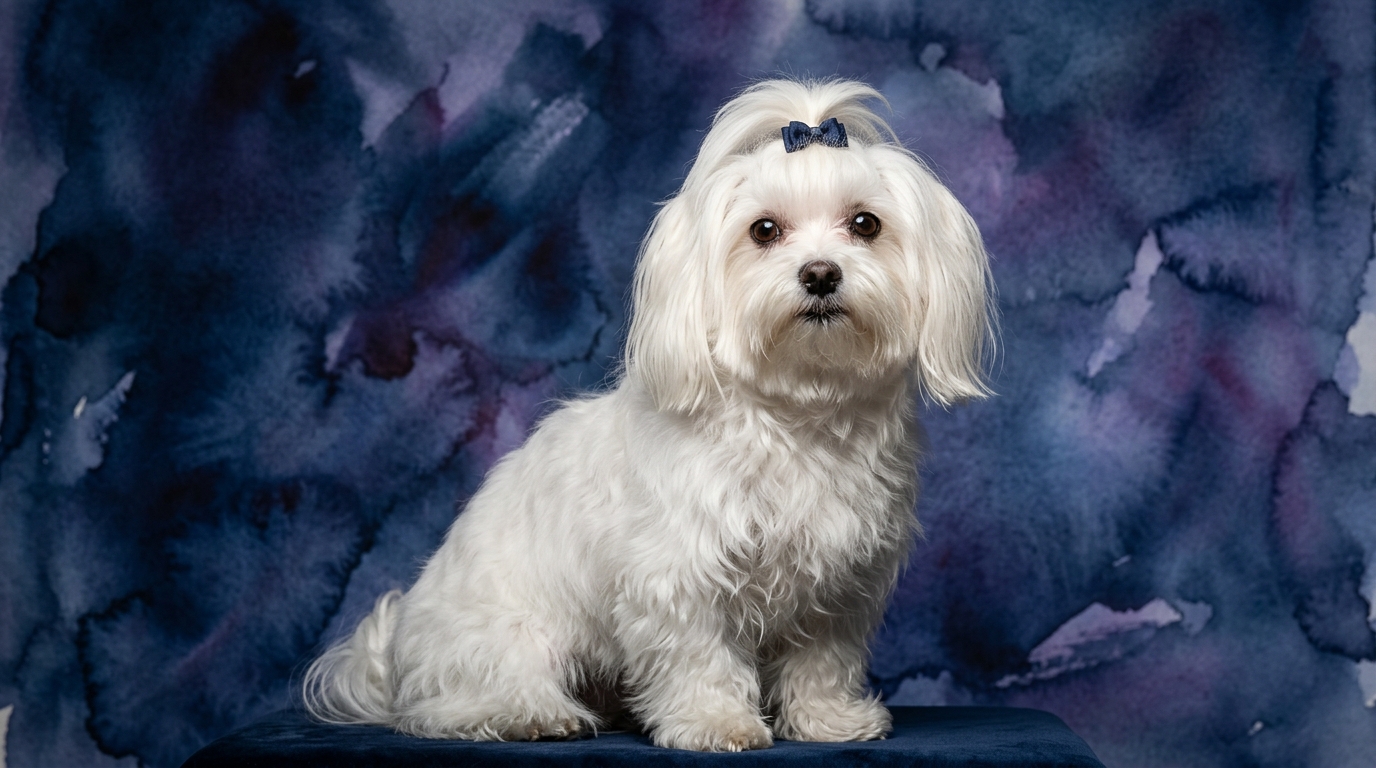
The Cosmic Pet Pet IQ Lab employs a multi-dimensional framework to assess canine cognition, moving beyond simple 'smart' labels to reveal specific strengths and weaknesses. For the Maltese, a Toy breed with a Coren rank of #59, we observe a nuanced profile geared towards companionship. Their problem-solving capacity is rated at 3/5, indicating they can learn routines and overcome minor obstacles but may not independently strategize complex solutions. Training speed, also at 3/5, suggests they require consistent, positive reinforcement to grasp new commands, though their desire to please can aid this process. Social intelligence is where the Maltese truly shines, earning a perfect 5/5; they are highly attuned to human emotions and social cues, making them exceptionally empathetic companions. Instinctive drive, at 2/5, is relatively low, reflecting their primary role as companions rather than working dogs, meaning less independent hunting or guarding behaviors. Their memory stands at 3/5, sufficient for retaining learned behaviors and recognizing familiar faces and places.
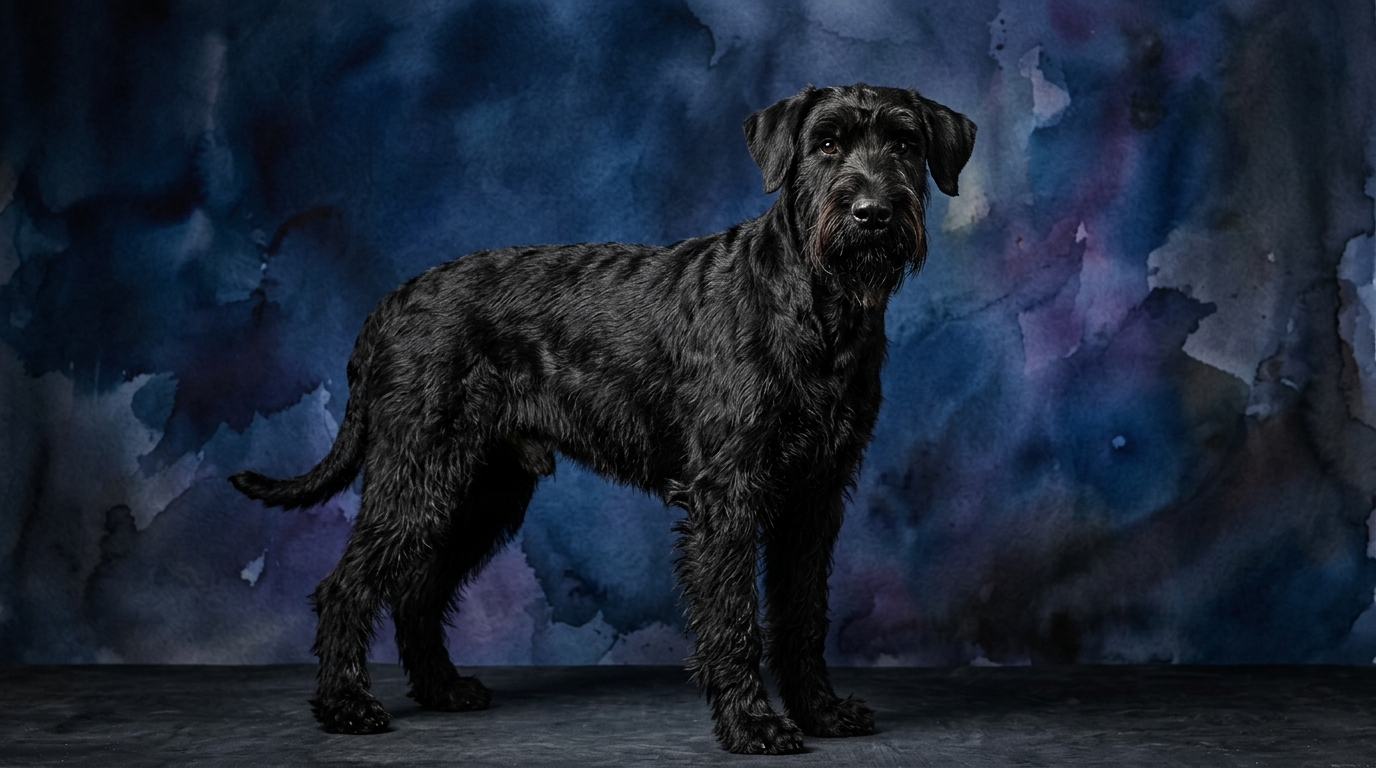
In stark contrast, the Giant Schnauzer, a Working breed ranked #28 by Coren, presents a profile built for purpose and resilience. Their problem-solving ability scores a solid 4/5, indicating a capacity for independent thought and the ability to figure out complex tasks, often with a clear objective in mind. Training speed is also rated 4/5, suggesting they are quick learners who can absorb new commands and multi-step tasks efficiently, provided they are engaged and appropriately challenged. Their social intelligence is 3/5, meaning while they form strong bonds and are loyal to their family, they may not possess the same universal eagerness to please or emotional sensitivity as the Maltese, often exhibiting a more reserved demeanor towards strangers. An instinctive drive of 3/5 highlights their working dog heritage, encompassing protective instincts and a moderate prey drive that requires channeling. Memory, at 4/5, is robust, allowing them to retain intricate sequences of commands and past experiences effectively, crucial for their historical roles.
Where the Maltese Excels Cognitively
The Maltese's cognitive strength lies overwhelmingly in its exceptional social intelligence. With a perfect 5/5 score, this breed demonstrates an unparalleled ability to read and respond to human emotions and subtle social cues. They are masters of forming deep, empathetic connections, often anticipating their owner's moods and offering comfort or companionship precisely when needed. This isn't just about affection; it’s a sophisticated cognitive skill that allows them to navigate complex human social environments with grace, making them incredibly intuitive and responsive companions. They excel at non-verbal communication, often understanding requests or desires through subtle body language or tone of voice, making them naturally adept at coexisting harmoniously within a human family structure. Their low instinctive drive further enhances this, as their mental energy is primarily directed towards social bonding rather than independent pursuits.
Where the Giant Schnauzer Excels Cognitively
The Giant Schnauzer's cognitive prowess is most evident in its superior problem-solving abilities, quicker training speed, and robust memory. Rated 4/5 in both problem-solving and training speed, these dogs possess a mental agility that allows them to quickly grasp and execute complex tasks. They are adept at understanding multi-step commands and can often figure out how to achieve a goal independently, whether it's opening a gate or navigating an agility course. Their strong memory (4/5) supports this, enabling them to retain vast amounts of training information and apply it consistently over time. This makes them exceptional candidates for advanced obedience, protection work, or dog sports that demand both physical and mental engagement. Their cognitive strengths are geared towards purposeful action and the efficient execution of learned behaviors, reflecting their heritage as capable working dogs.
Training: Which Breed is Easier and Why?
When considering ease of training, the distinction between these two breeds is less about inherent capacity and more about motivational drive and approach. The Giant Schnauzer, with its 4/5 training speed and problem-solving, generally learns new commands and complex sequences more quickly. They thrive on structure, consistency, and engaging challenges, often viewing training as a job to be done. Their higher instinctive drive means they need a firm, confident leader and can be more independent, sometimes requiring motivation through specific tasks or rewards rather than just social praise. However, once motivated and engaged, they retain information exceptionally well due to their strong memory, making them excellent for advanced obedience or specialized roles.
The Maltese, with a 3/5 training speed, might take a bit longer to master commands, particularly those requiring complex sequences. Their strong social intelligence (5/5) means they are highly motivated by human approval and affection, making positive reinforcement and gentle methods very effective. They are eager to please and form strong bonds, which can make basic house manners and obedience a relatively smooth process if the owner leverages this desire for connection. However, their lower instinctive drive and problem-solving might mean they are less inclined to independently figure out solutions or persist with challenging tasks without direct guidance. For simple companion training, the Maltese's desire to please can make them feel 'easier' in a domestic setting, while the Giant Schnauzer's aptitude for complex tasks makes them easier for advanced training.
Suitability for Active vs. Relaxed Owners
The cognitive and temperamental differences between the Maltese and the Giant Schnauzer significantly influence their suitability for different owner lifestyles. The Giant Schnauzer is unequivocally better suited for active owners who can provide consistent mental and physical stimulation. Their higher problem-solving, training speed, and instinctive drive mean they require a 'job'—whether it's advanced obedience, agility, hiking, or protective training—to feel fulfilled. An owner who enjoys structured activities, has experience with dog training, and can commit to daily rigorous exercise and mental challenges will find the Giant Schnauzer a rewarding and engaged partner. Without sufficient outlets, their robust minds and bodies can lead to boredom and undesirable behaviors.
Conversely, the Maltese is an ideal companion for more relaxed owners who prioritize close companionship and emotional connection over demanding physical or mental tasks. Their exceptional social intelligence means they thrive on human interaction and being an integral part of family life. They are content with moderate indoor play and short walks, and their primary cognitive need is often consistent social engagement and affection. An owner seeking a devoted lap companion who is highly attuned to their emotional state and requires less structured activity will find the Maltese an exceptionally fulfilling and low-key partner, provided their need for attention is met.
The Verdict
Choose a Maltese if you seek an emotionally intuitive companion who thrives on close social bonding and prefers a relaxed, affectionate lifestyle, valuing their unparalleled social intelligence above all.
Opt for a Giant Schnauzer if you are an active, experienced owner ready to engage a capable working mind with complex training, structured activities, and a loyal, protective partner.
🧠 Find Your Pet's IQ Score
Our Pet IQ Lab assessment covers 25+ tests across 5 cognitive dimensions — personalized to your breed.
Take the Full IQ Test →Frequently Asked Questions
Do Maltese understand human emotions better than Giant Schnauzers?
Yes, our IQ Lab data indicates Maltese possess superior social intelligence (5/5) compared to Giant Schnauzers (3/5), making them more adept at discerning and responding to subtle human emotional cues and fostering deep empathetic bonds.
Which breed is better for complex dog sports like agility?
The Giant Schnauzer, with higher problem-solving (4/5), training speed (4/5), and memory (4/5), is generally better suited for complex dog sports requiring intricate sequences and quick learning, such as agility or obedience trials.
Is a Giant Schnauzer's memory stronger than a Maltese's?
Absolutely. Giant Schnauzers exhibit a stronger memory (4/5) compared to Maltese (3/5), enabling them to retain more complex commands and learned behaviors over longer periods, which is beneficial for their working roles.