Side-by-Side Cognitive Profile
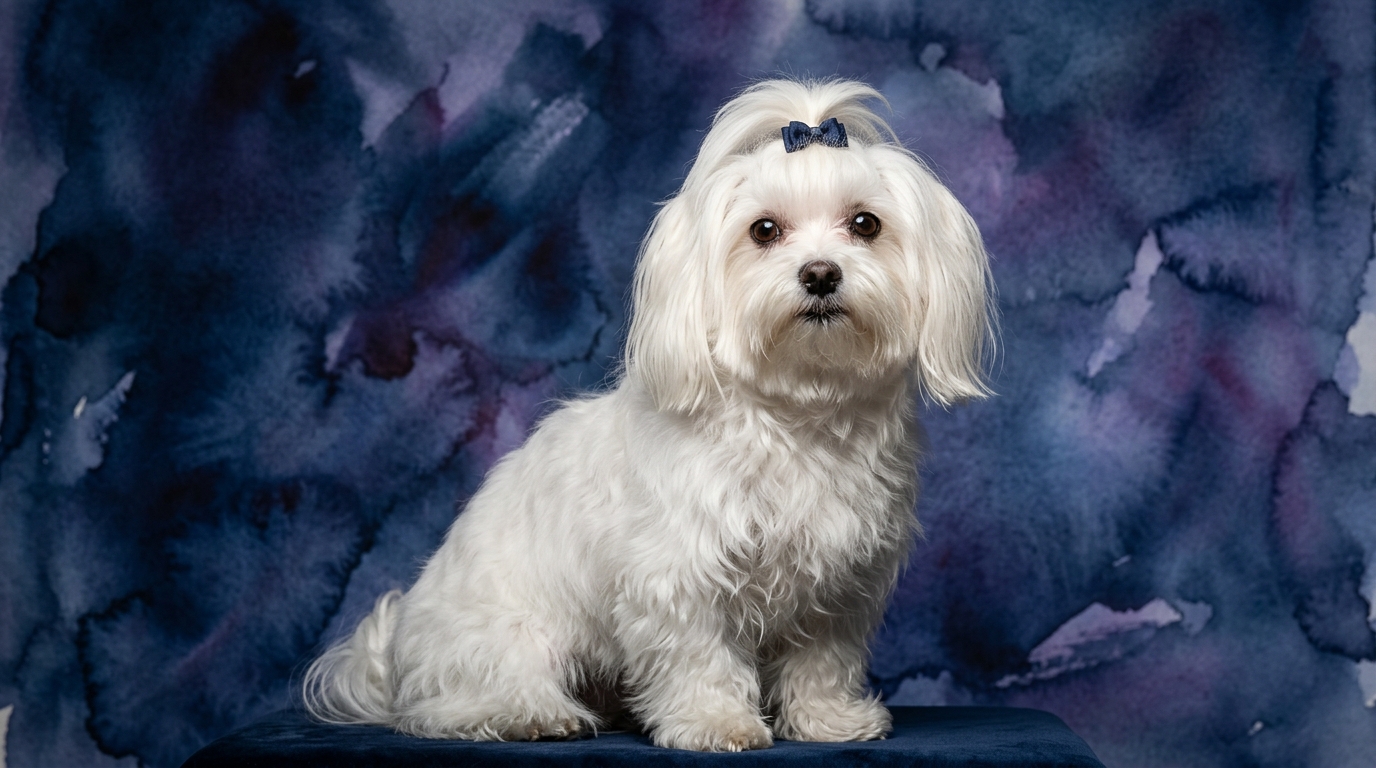
The Maltese, ranked #59 by Coren, presents a cognitive profile geared towards companionship. Their Problem Solving is rated 3/5, indicating an ability to figure out household puzzles for attention or comfort, often involving human interaction. Training Speed also scores 3/5; they learn commands at a moderate pace, particularly when motivated by praise or treats. Their standout strength is Social Intelligence at 5/5, demonstrating exceptional understanding of human emotions, intentions, and social cues, fostering deep bonds. An Instinctive Drive of 2/5 means a relatively low urge for hunting or tracking, making them more focused on their human companions. Memory is 3/5, allowing for reliable recall of routines and familiar people.
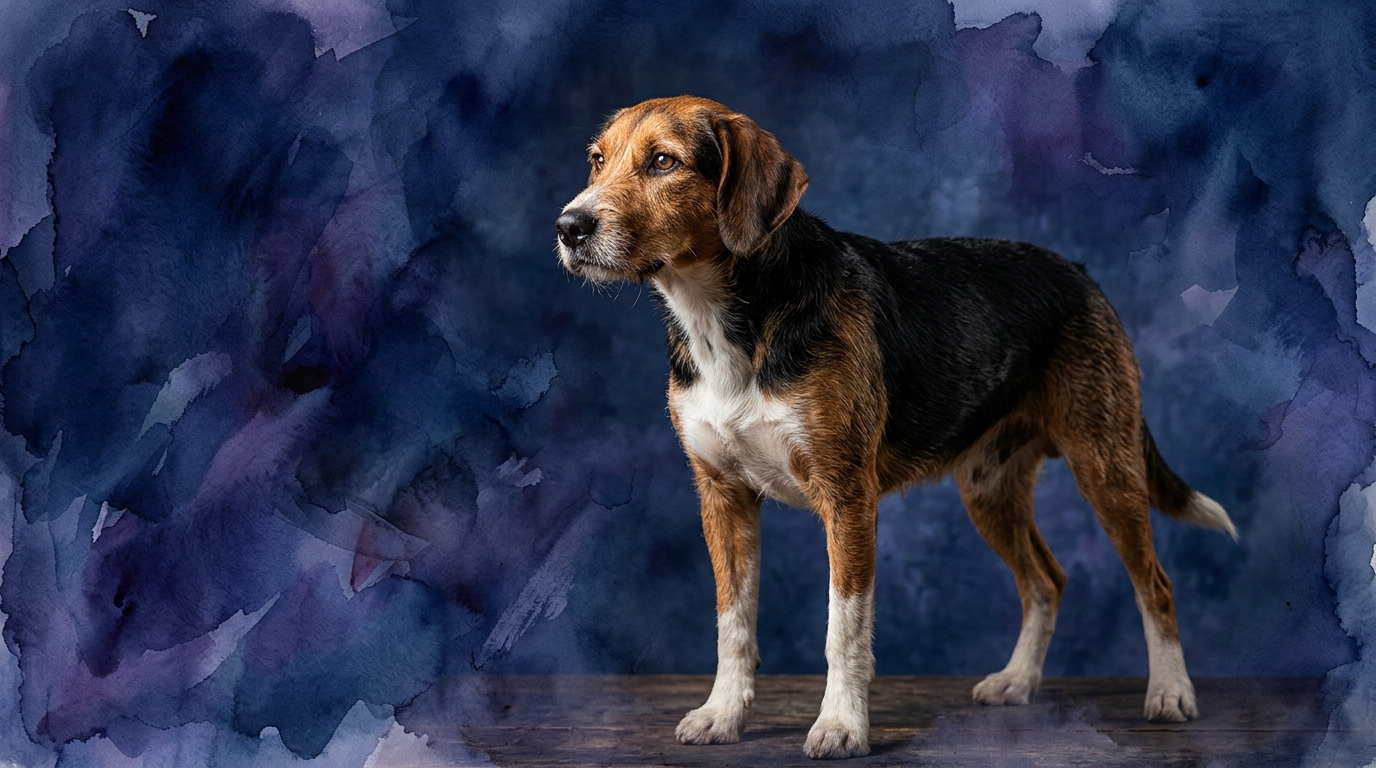
The Harrier, a hound breed not formally Coren-ranked, showcases a cognitive setup designed for its working heritage. Their Problem Solving is 3/5, manifesting in navigating complex outdoor environments, overcoming obstacles during a chase, or deciphering intricate scent trails. Training Speed is 3/5; they learn at a steady pace, though their hound independence can sometimes make them seem less eager to comply if a more compelling scent is present. Social Intelligence scores 3/5; while friendly and capable of bonding, their social awareness is more geared towards pack dynamics and collaboration in a hunting context rather than the nuanced human emotional connection seen in the Maltese. An Instinctive Drive of 3/5 denotes a moderate but persistent urge for tracking, chasing, and exploring via scent, fundamental to their breed purpose. Memory is 3/5, providing reliable recall for trails, locations, and learned commands, especially those associated with their hunting instincts.
Where the Maltese Excels Cognitively
The Maltese’s exceptional Social Intelligence (5/5 compared to the Harrier’s 3/5) is a clear cognitive advantage within a domestic setting. This translates to an uncanny ability to read human moods, anticipate needs, and adapt their behavior to maintain harmony within the household. For instance, a Maltese might comfort a distressed owner without prompting, or subtly signal their own needs, demonstrating a sophisticated understanding of interspecies communication. Their lower Instinctive Drive (2/5 compared to 3/5 for the Harrier) means they are less distracted by external stimuli like scents or passing wildlife, allowing for greater focus on human interaction and learning within a home environment. This reduced prey drive makes them generally more attentive to their human companions rather than being driven by independent hunting urges.
Where the Harrier Shows Distinct Cognitive Strengths
The Harrier’s distinct cognitive strength lies in its balanced Instinctive Drive (3/5 compared to the Maltese’s 2/5), which, while potentially challenging in training, is a profound asset for its intended purpose. This drive fuels their remarkable ability to focus intensely on a scent trail, demonstrating sustained attention and tenacity over long periods and distances. Their Problem Solving (3/5) often involves complex environmental navigation; for example, they might logically deduce the path a scent trail takes around an obstacle or across varied terrain, showcasing a different kind of spatial reasoning than a companion breed. While their Training Speed (3/5) and Memory (3/5) scores are on par with the Maltese, their application of these cognitive traits is geared towards endurance and independent decision-making in the field, making them adept at tasks requiring perseverance and sensory interpretation.
Ease of Training: Behavioral Differences Revealed
When evaluating ease of training, the Maltese generally presents a more straightforward experience for the average pet owner. Their superior Social Intelligence (5/5) means they are highly motivated by human praise and connection, making them eager to please and responsive to positive reinforcement. Their lower Instinctive Drive (2/5) means fewer distractions from environmental scents or the urge to chase, allowing them to remain more focused on the trainer and the task at hand. For instance, a Maltese is more likely to maintain eye contact and follow commands in a busy park, prioritizing their human’s cues and readily engaging in structured learning.
The Harrier, while equally capable in Training Speed (3/5), often requires a more experienced and patient trainer due to its moderate Instinctive Drive (3/5) and more independent nature. Their strong scent drive means they can be easily sidetracked by an interesting smell, potentially tuning out commands in favor of following a perceived trail. Training a Harrier often involves harnessing this drive, perhaps through scent work games, and requires consistent, engaging methods to keep their attention. Recalling a Harrier off-leash, especially if they’ve caught a compelling scent, demands significant foundational work and understanding of their hound psychology, as their natural instincts can override learned behaviors.
Matching Breeds to Lifestyles: Active vs. Relaxed Owners
The Maltese is an ideal match for relaxed owners or those seeking a devoted indoor companion. Their low instinctive drive and high social intelligence mean they thrive on human companionship, gentle play, and cozy environments. They require moderate exercise, typically satisfied with short walks and indoor games, and are content to spend much of their day alongside their family. Their primary cognitive engagement comes from interacting with people and observing household dynamics, making them perfect for individuals who value emotional connection over strenuous physical activity and prefer a dog whose mental life revolves around the home.
Conversely, the Harrier is best suited for active owners who can provide ample opportunities for physical exertion and mental stimulation. Their moderate instinctive drive, rooted in their hound heritage, necessitates daily outlets for exploring, running, and engaging their powerful sense of smell. Owners who enjoy long hikes, trail running, or participating in dog sports like scent work or agility will find the Harrier a willing and capable partner. Without sufficient activity, a Harrier may become restless or engage in undesirable behaviors, as their cognitive and physical needs are not being met by a sedentary lifestyle.
The Verdict
Choose the Maltese if your lifestyle prioritizes a highly emotionally attuned companion who thrives on close human interaction and requires less intense physical exertion, fitting seamlessly into a relaxed home environment.
Opt for the Harrier if you lead an active outdoor lifestyle and are prepared to engage a dog with a strong working drive, providing consistent physical exercise and mentally stimulating scent-based activities.
🧠 Find Your Pet's IQ Score
Our Pet IQ Lab assessment covers 25+ tests across 5 cognitive dimensions — personalized to your breed.
Take the Full IQ Test →Frequently Asked Questions
Is the Maltese truly more intelligent than the Harrier?
No, they possess different cognitive strengths rather than one being inherently "more intelligent." The Maltese excels in social intelligence, making them highly attuned to humans, while the Harrier's intelligence is geared towards independent problem-solving and perseverance in scent-tracking. Their cognitive profiles reflect their distinct historical roles.
How does a Harrier's 'instinctive drive' impact daily life?
A Harrier's moderate instinctive drive means they are often compelled to follow their nose, explore, and chase. In daily life, this translates to a need for secure leashes, fenced yards, and engaging activities that satisfy their natural urges, as they can easily become focused on a scent trail over human commands.
Can a Maltese be trained for complex tasks like agility?
While not their primary historical role, a Maltese can certainly be trained for agility and other dog sports. Their moderate problem-solving and training speed, combined with their strong desire to please and bond with their owner, make them capable and often enthusiastic participants, albeit on a smaller scale.