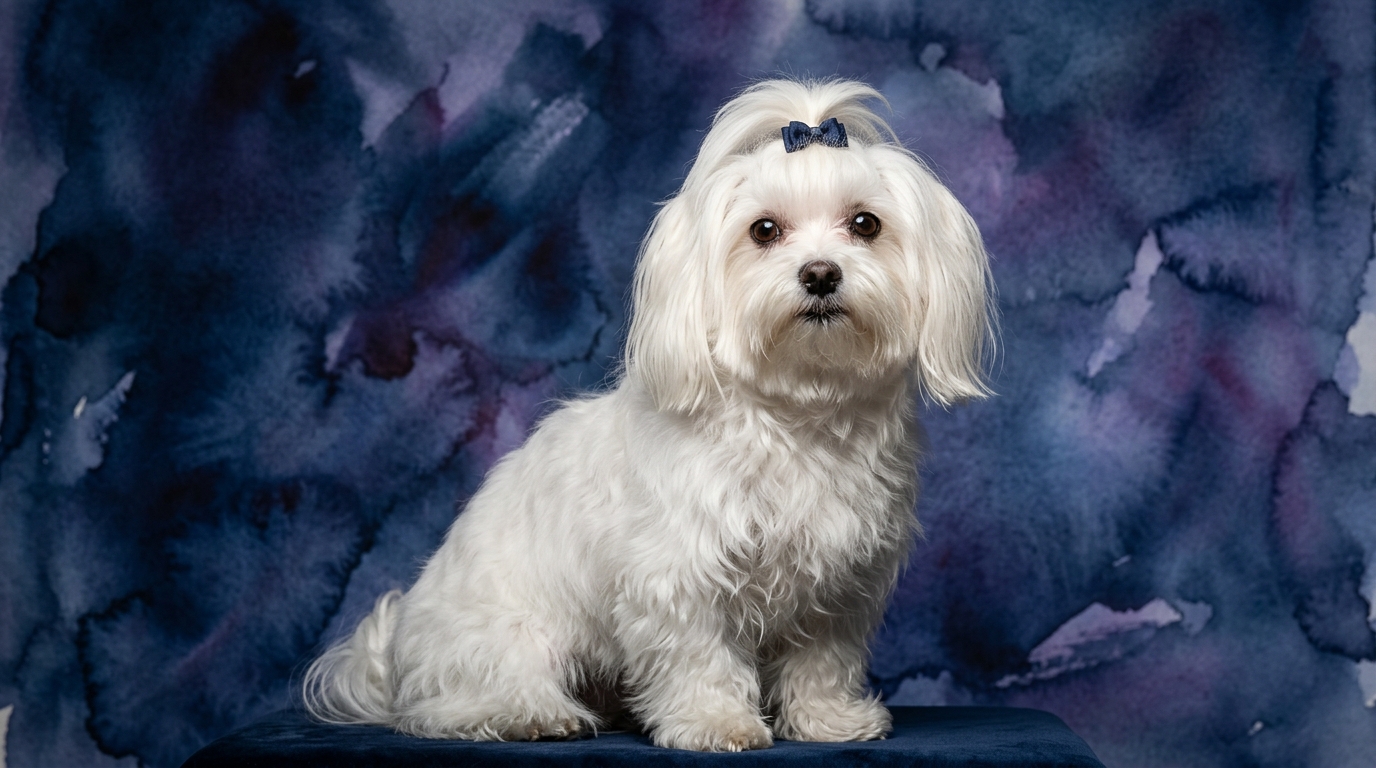
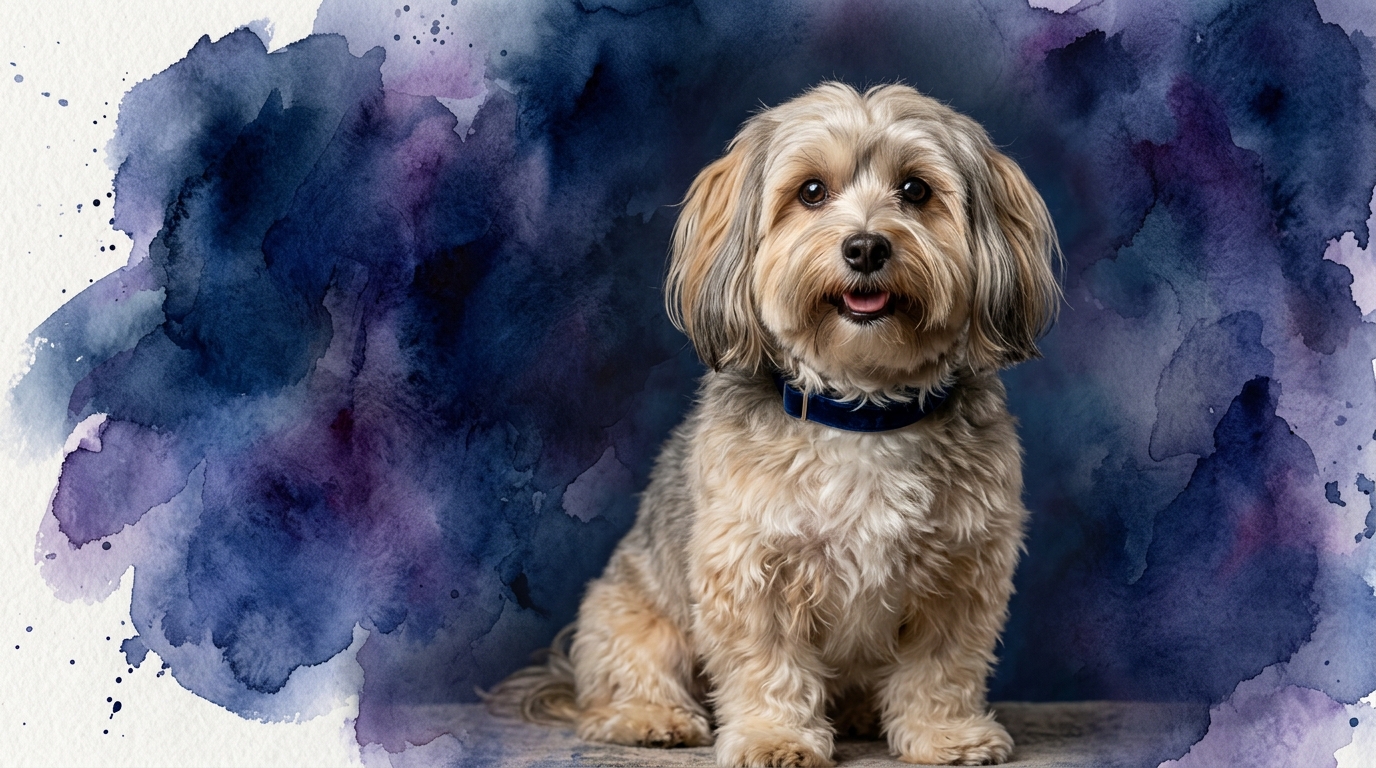
Side-by-Side Pet IQ Lab Profile: Maltese vs. Havanese
At The Cosmic Pet's IQ Lab, we evaluate canine cognition across five critical dimensions. Interestingly, when we dissect the core cognitive scores for both the Maltese and the Havanese, they present a remarkably similar profile across our internal metrics, though it's worth noting the Maltese holds a historical Coren ranking of #59 among working and obedience breeds, a specific benchmark not applied to the Havanese.
For the Maltese, their problem-solving ability registers at 3/5, indicating competence in navigating moderate environmental puzzles like retrieving a toy from under furniture or figuring out simple treat dispensers with persistence. Their training speed is also 3/5, meaning they absorb new commands at a steady pace, requiring consistent repetition but generally showing a willingness to comply with dedicated effort. A standout is their social intelligence at 5/5, reflecting an exceptional capacity to read human cues, understand emotional states, and adapt their behavior to social contexts, making them deeply attuned companions. Their instinctive drive is low at 2/5, signifying minimal inclination for independent hunting or guarding tasks, preferring instead companionship. Memory is rated at 3/5, allowing them to retain learned commands and routines effectively over time, recalling familiar people and places with ease.
The Havanese mirrors these scores: a problem-solving aptitude of 3/5, demonstrating practical skills in everyday challenges like finding hidden items or manipulating simple objects. Their training speed is also 3/5, indicating they learn at a consistent pace, responding well to positive reinforcement and enjoying the interactive aspect of training. Like the Maltese, they excel in social intelligence with a 5/5 score, thriving on interaction, understanding social dynamics, and communicating effectively with their family. Their instinctive drive is similarly low at 2/5, preferring engagement with human companions over solitary tasks. Finally, their memory stands at 3/5, exhibiting a solid capacity for retaining learned behaviors, routines, and recognizing familiar individuals and environments.
Where the Maltese Wins Cognitively
While both breeds share identical scores across our Pet IQ Lab dimensions, the Maltese's historical inclusion in Stanley Coren's ranking, placing them at #59 among working and obedience breeds, suggests a recognized capacity for following human direction and adapting to structured learning environments that, at one point, set them apart in a broader canine cognitive context. This historical benchmark implies a cognitive consistency in responding to cues and integrating into human-centric routines that was specifically evaluated and noted.
Furthermore, the Maltese's high social intelligence, though matched by the Havanese in score, often manifests with a more refined and perhaps subtle sensitivity. This can translate into an advantage in discerning nuanced changes in their owner's mood or environment, allowing them to offer comfort or companionship in a particularly graceful and unobtrusive manner. Their cognitive strength lies in a dignified attunement, often anticipating needs without overt demands.
Where the Havanese Wins Cognitively
Despite identical Pet IQ Lab scores, the Havanese often display a nuanced cognitive advantage in their approach to social engagement and environmental exploration. Their typically more outgoing and adaptable nature, characteristic of a 'Velcro dog,' suggests a proactive use of their 5/5 social intelligence score, often initiating interaction and readily adjusting their demeanor to new social settings with remarkable ease. This might translate into a more robust exploratory problem-solving style when it comes to engaging with novel situations or people, driven by their inherent curiosity and desire for connection, making them particularly adept at charming their way into new hearts.
The Havanese's playful cognitive style often involves a more creative approach to interaction. While their raw problem-solving score is 3/5, their spirited personality can lead them to invent novel ways to solicit play or attention, demonstrating a flexible application of their cognitive abilities in social contexts. This spirited engagement suggests a cognitive resilience and adaptability that allows them to thrive in varied social environments and actively seek out mental stimulation through interaction.
Which is Easier to Train and Why
Given their identical 3/5 training speed scores, both the Maltese and Havanese absorb new commands at a comparable pace, requiring consistent, positive reinforcement. However, the *experience* of training can differ based on their nuanced temperaments. The Maltese, with their more delicate and sometimes reserved disposition, may require a very gentle hand; they can be sensitive to perceived harshness, potentially becoming hesitant or resistant if not approached with patience and encouragement. Their social intelligence, while high, is often expressed in a more refined manner, making them responsive to subtle praise and gentle guidance.
The Havanese, conversely, often bring a more ebullient and playful spirit to training sessions. Their eager-to-please nature, combined with their robust social intelligence, means they frequently view training as an engaging game, thriving on the joyful interaction with their human. This makes them highly responsive to positive reinforcement and enthusiastic praise, often maintaining a cheerful disposition even during repetitive drills. While neither breed is inherently 'easier' in terms of raw learning speed, the Havanese's generally more resilient and outgoing temperament can often make the training process feel more fluid and less prone to sensitive reactions for many owners.
Which Suits Active Owners vs. Relaxed Owners
When considering lifestyle compatibility, both the Maltese and Havanese, as toy breeds, do not demand the extensive exercise regimes of larger working dogs. However, their energy profiles present distinct fits for different owner types. The Maltese, while possessing a playful streak, generally leans towards a more relaxed rhythm. They enjoy moderate daily walks and indoor play, but are often content to spend significant time as a devoted lap companion, observing household activities from a comfortable perch. Their lower instinctive drive (2/5) means they are less compelled to seek out independent adventures, making them an excellent fit for owners who appreciate a calm, affectionate presence and a generally quieter home environment.
The Havanese, while equally affectionate, typically brings a more vibrant and spirited energy to the home. Their playful cognitive approach and robust social intelligence often translate into a greater desire for engagement, making them an ideal match for moderately active owners who enjoy interactive games, regular walks, and perhaps even some dog sports like agility or obedience. They thrive on being involved in family activities and can become bored if left without sufficient mental and physical stimulation, often inventing their own games or seeking attention. For owners who enjoy a consistent, lively companion eager to participate in daily life, the Havanese presents a rewarding choice.
The Verdict
Choose the Maltese if you seek a refined, gentle companion who thrives on quiet devotion and offers a serene presence in a relaxed home, appreciating their subtle social attunement.
Opt for the Havanese if you desire a lively, playful partner eager for interactive engagement and shared adventures, whose outgoing social nature enriches an active family life.
🧠 Find Your Pet's IQ Score
Our Pet IQ Lab assessment covers 25+ tests across 5 cognitive dimensions — personalized to your breed.
Take the Full IQ Test →Frequently Asked Questions
Are Maltese or Havanese better at learning tricks?
Both breeds, with a training speed score of 3/5, are capable of learning a variety of tricks with consistent positive reinforcement. The Havanese's more playful disposition might make them more outwardly enthusiastic during trick training, viewing it as an enjoyable game, while the Maltese, equally capable, may respond better to a calmer, more structured approach to learning.
Do Maltese or Havanese suffer from separation anxiety more often?
Both breeds possess a high social intelligence (5/5) and thrive on human companionship, making them susceptible to separation anxiety if not properly acclimated to alone time. Their strong bond with their owners means they can become distressed when left alone for extended periods, requiring careful training and management to ensure their emotional well-being.
How do their problem-solving skills compare in everyday situations?
With identical problem-solving scores of 3/5, both Maltese and Havanese are competent at navigating typical household puzzles, such as finding hidden treats or manipulating simple toys. They learn through observation and trial-and-error, demonstrating a practical intelligence for their environment rather than complex strategic thinking.