Side-by-Side Cognitive Profiles
To truly appreciate the unique mental frameworks of the Maltese and the Icelandic Sheepdog, we must examine them through the lens of five distinct cognitive dimensions. These dimensions offer a granular view beyond generic notions, illuminating where each breed excels and where their priorities lie.
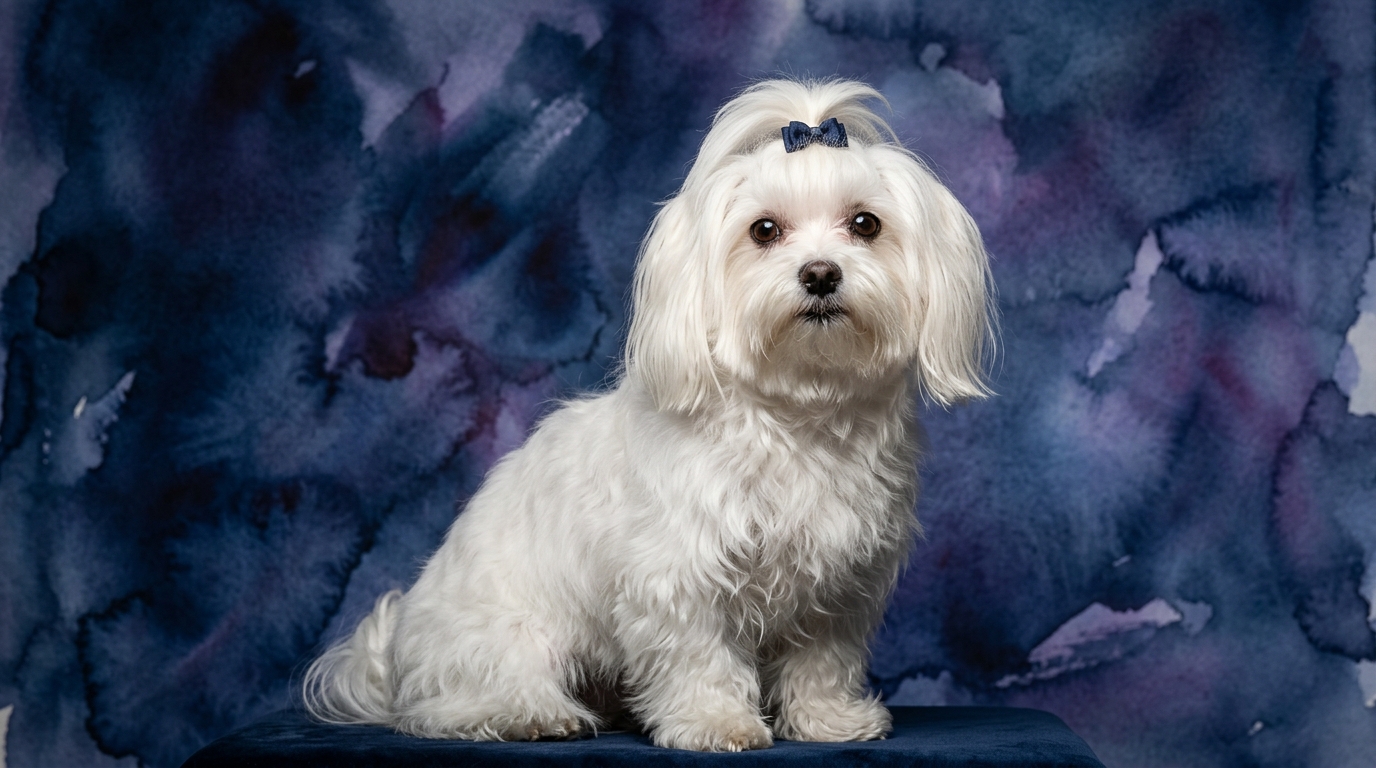
The **Maltese**, a companion breed, presents a Problem Solving score of 3/5, indicating a moderate capacity for navigating novel situations and figuring out puzzles. Their Training Speed is also 3/5, suggesting they learn new commands at an average pace. Where the Maltese truly shines is in Social Intelligence, scoring an impressive 5/5, reflecting an exceptional ability to read and respond to human cues and emotions. Their Instinctive Drive is lower at 2/5, aligning with their role as house pets rather than working animals, and their Memory is a solid 3/5, allowing them to retain learned behaviors and routines effectively.
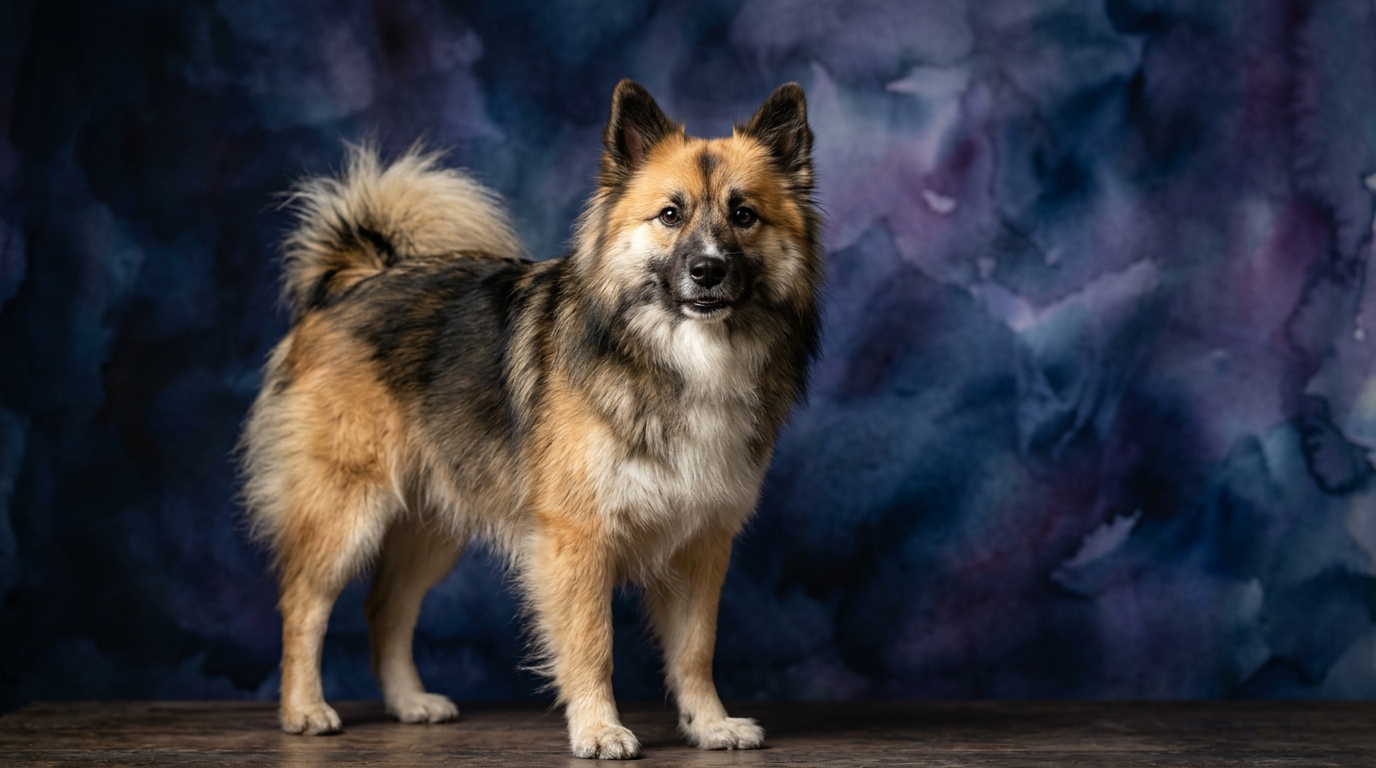
The **Icelandic Sheepdog**, a herding breed, shares a similar Problem Solving score of 3/5, demonstrating a comparable capacity for independent thought in challenges. Their Training Speed also stands at 3/5, meaning they acquire new skills with moderate effort. Their Social Intelligence is 3/5, indicating a functional awareness of social dynamics but perhaps less emotional attunement than the Maltese. A key difference lies in their Instinctive Drive, rated at 3/5, which is a moderate but present force reflecting their herding heritage. Finally, their Memory is also 3/5, providing a reliable foundation for recalling commands and past experiences.
Where the Maltese Wins Cognitively
The Maltese's undeniable cognitive advantage lies in their superlative Social Intelligence, scoring a perfect 5/5. This isn't merely about being 'friendly'; it signifies a profound capacity to interpret human non-verbal communication, emotional states, and intentions. A Maltese can often seem to anticipate their owner's moods, offering comfort during distress or mirroring joy with playful antics. This high social acumen makes them extraordinarily perceptive companions, adept at forming deep, intuitive bonds. They excel at 'reading the room,' understanding subtle shifts in tone or body language, and adjusting their behavior accordingly, which is a complex cognitive feat. Their communication with humans often goes beyond simple requests, extending into nuanced interactions that make them feel like truly empathetic partners.
This exceptional social cognition means a Maltese is highly motivated by human interaction and approval. They learn not just through repetition, but through a desire to please and connect, making them particularly receptive to positive reinforcement that strengthens their bond. Their ability to integrate into human family dynamics with such seamless emotional understanding is a hallmark of their specific cognitive strength, allowing them to navigate complex household social structures with grace and an almost uncanny perception.
Where the Icelandic Sheepdog Wins Cognitively
The Icelandic Sheepdog's cognitive strengths are rooted in their herding legacy, manifesting primarily through their Instinctive Drive (3/5) and the application of their Problem Solving skills (3/5) in a more utilitarian context. While their raw problem-solving score matches the Maltese, the *nature* of their problem-solving tends to be more oriented towards environmental challenges and task completion. This breed demonstrates a keen spatial awareness and an ability to strategize in dynamic outdoor environments, such as managing a flock or navigating varied terrain. Their moderate instinctive drive means they possess an inherent desire to engage with tasks and demonstrate purpose, which translates into a cognitive framework geared towards observation, analysis, and responsive action within a given 'job.'
Their cognitive edge is less about emotional attunement and more about functional intelligence and adaptability in practical situations. They can assess a situation, make decisions based on their instincts (which are more pronounced than a Maltese's), and execute a plan, even if that plan is as simple as finding the optimal route or locating a specific object. This blend of moderate drive and problem-solving, when channeled, makes them excellent participants in dog sports that require strategic thinking, agility, and a responsive connection to their handler in a task-oriented partnership.
Which is Easier to Train and Why
When considering trainability, both the Maltese and the Icelandic Sheepdog share a Training Speed score of 3/5, suggesting neither is exceptionally quick nor particularly slow to pick up new commands. However, the *approach* to training and the *types* of tasks they excel at will differ significantly due to their other cognitive strengths. The Maltese, with its 5/5 Social Intelligence, often appears easier to train for typical companion dog behaviors because they are profoundly motivated by human connection and approval. They are highly attuned to their owner's satisfaction and can adjust their behavior based on subtle social cues, making them eager to please and responsive to positive reinforcement that builds their bond. Their emotional receptivity means they often learn not just the 'what' but the 'why' from a social perspective, making compliance a desire rather than just a learned action.
Conversely, the Icelandic Sheepdog's 3/5 Social Intelligence and 3/5 Instinctive Drive mean their training might require a more structured, task-oriented approach. While they are certainly capable learners, their motivation might stem more from the satisfaction of completing a 'job' or engaging their natural drives, rather than purely from emotional connection. Training needs to be clear, consistent, and tap into their natural desire for purposeful activity. They may excel in activities like agility or herding trials where their problem-solving and drive are engaged, whereas a Maltese might find joy in learning tricks that elicit applause and affection. Neither is 'hard' to train, but their internal reward systems and what motivates them cognitively are distinct.
Which Suits Active Owners vs. Relaxed Owners
The distinct cognitive profiles of the Maltese and Icelandic Sheepdog provide clear guidance on which breed best aligns with different owner lifestyles. For relaxed owners seeking a constant, emotionally attuned presence, the Maltese is an ideal choice. Their low Instinctive Drive (2/5) means they are generally content with moderate activity, such as short daily walks and indoor play, thriving primarily on close human companionship. Their exceptional Social Intelligence (5/5) means they are masters of comfort and connection, perfectly suited for a lifestyle where their primary 'job' is to be a beloved family member who is deeply integrated into daily life. They do not require extensive mental stimulation through complex tasks or rigorous physical exertion to feel fulfilled; their contentment comes from social interaction and being near their people.
In contrast, the Icelandic Sheepdog, with its moderate Instinctive Drive (3/5), is better suited for active owners who can provide consistent mental and physical engagement. Their herding background means they possess an innate desire for purpose and activity. These dogs thrive when given a 'job,' whether it's participating in dog sports like agility, obedience, or even mock herding, or simply accompanying owners on long hikes and adventures. Their problem-solving capabilities and drive require an outlet; without it, they may become restless or channel their energy into less desirable behaviors. Owners who enjoy an outdoor, active lifestyle and are prepared to engage their dog's mind and body regularly will find the Icelandic Sheepdog a rewarding and capable partner.
The Verdict
Choose the Maltese if you prioritize an emotionally perceptive companion who thrives on close social interaction and requires moderate physical activity, fitting seamlessly into a relaxed, affectionate household.
Opt for the Icelandic Sheepdog if you're an active owner seeking a task-oriented partner who benefits from consistent mental challenges, outdoor adventures, and opportunities to engage their moderate herding instincts.
🧠 Find Your Pet's IQ Score
Our Pet IQ Lab assessment covers 25+ tests across 5 cognitive dimensions — personalized to your breed.
Take the Full IQ Test →Frequently Asked Questions
Do Maltese dogs understand human emotions well?
Yes, Maltese dogs possess an exceptional Social Intelligence score of 5/5, making them highly adept at reading and responding to human emotions and subtle cues. They often seem to anticipate their owners' moods and are known for their empathetic companionship.
Are Icelandic Sheepdogs good at independent problem-solving?
Icelandic Sheepdogs have a Problem Solving score of 3/5, indicating a moderate capacity for independent thought, especially in environmental or task-oriented situations. Their herding background gives them a natural inclination to assess and respond to dynamic situations.
Which breed is better for apartment living?
The Maltese is generally better suited for apartment living due to their lower Instinctive Drive and moderate exercise needs, thriving on indoor companionship. Icelandic Sheepdogs, with their moderate drive and need for purposeful activity, typically fare better in homes with more space and active outdoor opportunities.