Side-by-Side IQ Profile: Maltese vs. Komondor
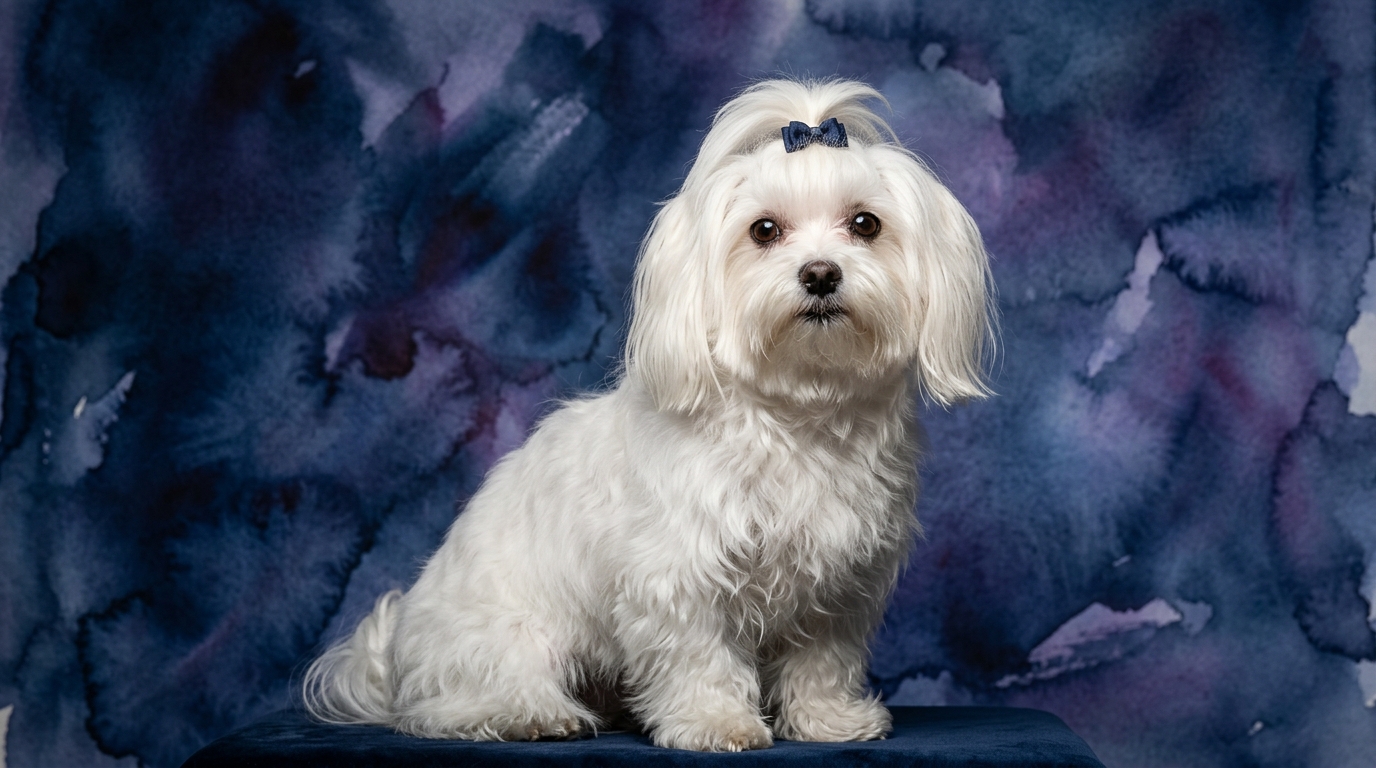
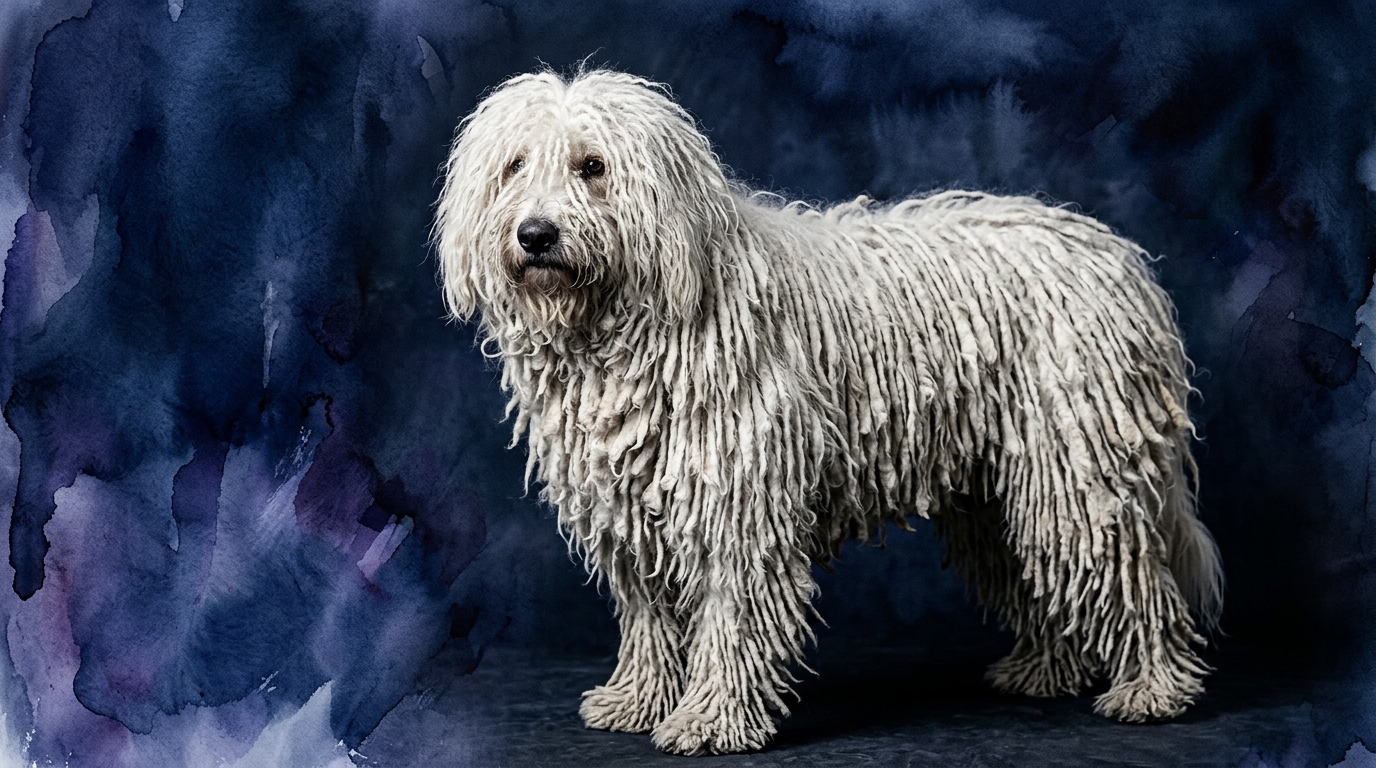
Our Pet IQ Lab's framework assesses canine intelligence across five critical dimensions, offering a granular view of how breeds process information and interact with their world. The Maltese, a charming Toy Group companion, and the Komondor, a formidable Working Group guardian, present a study in contrasts within this cognitive spectrum, despite similar Coren ranks.
The Maltese registers a Problem Solving score of 3/5, indicating an average capacity for navigating novel situations. Its Training Speed, also 3/5, suggests it grasps new commands with moderate repetition. Where the Maltese truly shines is in Social Intelligence, earning a perfect 5/5, reflecting its deep attunement to human emotion and social cues. Its Instinctive Drive is a modest 2/5, while its Memory stands at 3/5, allowing it to retain learned behaviors reasonably well.
The Komondor shares the Maltese's Problem Solving score of 3/5 and Training Speed of 3/5, indicating comparable learning pace and adaptability. However, its Social Intelligence is rated 3/5, suggesting a more independent nature and less overt reliance on human social interaction. The Komondor's Instinctive Drive is a robust 3/5, a clear nod to its protective heritage, and its Memory is also 3/5, enabling it to recall past lessons.
Where the Maltese Excels Cognitively
The Maltese's standout cognitive strength lies unequivocally in its Social Intelligence, scoring a rare 5/5. This signifies an exceptional ability to understand and respond to human emotional states, body language, and vocal intonations. A Maltese is acutely aware of its owner's mood, often adjusting its behavior to offer comfort or solicit attention, making it an extraordinarily empathetic companion.
This heightened social acumen means a Maltese is often more adept at reading subtle social cues in a household. They can pick up on minor changes in daily routines or family dynamics, demonstrating a sophisticated understanding of their place within the human social structure. This capacity for deep social bonding and reciprocal emotional communication is a hallmark of the breed's cognitive design. Their lower Instinctive Drive (2/5) further enhances this, as they are less distracted by primitive urges and more focused on human connections.
Where the Komondor Demonstrates Distinct Strengths
While the Komondor's Social Intelligence is a steady 3/5, its unique cognitive profile is profoundly shaped by its Instinctive Drive, which registers a 3/5. This drive is a deep-seated inclination towards vigilance, protection, and independent decision-making, honed over centuries as a livestock guardian. Unlike the Maltese, the Komondor's intellect is geared towards assessing threats and taking action to protect its charges, whether sheep or family.
This elevated instinctive drive translates into a self-reliant problem-solving approach. When faced with a perceived threat, a Komondor is less likely to look to its owner for explicit instructions and more inclined to rely on its own judgment and protective instincts. This independence, while sometimes challenging in training, is a cognitive strength in its original context, allowing it to patrol and defend autonomously in vast areas. Its moderate social intelligence reflects this self-sufficiency.
Training Dynamics: Which is Easier and Why?
When evaluating ease of training, both breeds share a Training Speed score of 3/5, suggesting they will absorb new commands at a moderate pace. However, the practical experience of training can differ significantly due to their other cognitive traits and Coren ranks. The Maltese, with its Coren rank of #59, is slightly higher than the Komondor's #67, indicating it might pick up obedience commands with slightly fewer repetitions on average.
The Maltese's exceptional Social Intelligence (5/5) is a substantial advantage in training. They are highly motivated by human praise, attention, and the desire to please their owners, making positive reinforcement exceptionally effective. Their attentiveness to human cues means they often anticipate what's expected, creating a more fluid and responsive training partnership. Their eagerness to engage socially makes basic obedience and trick training a cooperative endeavor.
The Komondor's training journey is shaped by its moderate Social Intelligence (3/5) and stronger Instinctive Drive (3/5). While capable of learning, their independent nature means they are less inherently driven to please and more inclined to evaluate commands based on their perceived utility or alignment with their guarding instincts. Training a Komondor requires consistency, patience, and a deep understanding of their self-reliant character. They respond best to fair, firm, and respectful methods, rather than endless repetition. Their problem-solving abilities (3/5) are applied more to situational awareness in their environment than to abstract training exercises.
Suitability for Active vs. Relaxed Owners
The choice between a Maltese and a Komondor also hinges on an owner's lifestyle. The Maltese, with its lower Instinctive Drive (2/5) and profound Social Intelligence (5/5), thrives in a relaxed, companion-focused environment. They are content with moderate indoor play, short walks, and extensive cuddle sessions. Their cognitive design makes them ideal for owners who desire a constant, emotionally attuned presence and are prepared to engage in frequent social interaction and gentle training.
The Komondor, conversely, suits a more active, experienced owner who appreciates its independent nature and understands its working dog heritage. Its Instinctive Drive (3/5) means it requires a purpose, even if that is guarding the family home and yard. While not requiring constant strenuous exercise, they need ample space to patrol and mental stimulation that taps into their protective instincts. Owners who provide consistent, confident leadership and respect the Komondor's self-reliant cognitive style will find a loyal, watchful companion.
The Verdict
Choose a Maltese if you seek a highly social, emotionally responsive companion dog that thrives on close human interaction and gentle, consistent training.
Opt for a Komondor if you are an experienced owner prepared for a self-reliant, protective working breed that values independence and requires confident leadership, thriving in a secure environment with a clear purpose.
🧠 Find Your Pet's IQ Score
Our Pet IQ Lab assessment covers 25+ tests across 5 cognitive dimensions — personalized to your breed.
Take the Full IQ Test →Frequently Asked Questions
Do Maltese dogs learn tricks easily?
With a Training Speed of 3/5 and exceptional Social Intelligence (5/5), Maltese dogs are generally eager to learn tricks. Their desire to please and attentiveness to human cues make positive reinforcement methods very effective, leading to relatively straightforward trick acquisition.
How does a Komondor's guarding instinct affect its social behavior?
A Komondor's Instinctive Drive (3/5) and moderate Social Intelligence (3/5) mean they are often reserved with strangers and highly protective of their family and territory. They form strong bonds with their inner circle but typically display a more independent and watchful demeanor compared to breeds bred primarily for companionship.
Is one breed more prone to separation anxiety than the other?
Given its 5/5 Social Intelligence and strong bond with humans, the Maltese might be more prone to exhibiting signs of separation anxiety if not properly conditioned or if left alone for extended periods. The Komondor's more independent nature and lower social reliance could make it less susceptible, though individual temperament always plays a role.